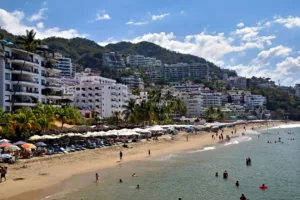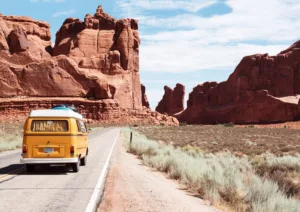
Last July I made the mistake of staying in Southern Europe during a heatwave. It hit 42°C (107°F) in Seville, my Airbnb had weak AC, and sightseeing turned into survival. Lesson learned: July is the perfect month to flip the map upside down and chase cool air instead of sunshine.
If you’re planning a July escape and already dreading the heat, these eight destinations offer fresh mountain air, misty coastlines, and occasional sweater weather. Just remember that “cool” does not necessarily mean cheap or quiet: Iceland, Banff, Lofoten, and the Faroe Islands are in peak season, so reservations and flexible plans matter.
Key Takeaways
- Patagonia and New Zealand offer Southern Hemisphere winter conditions, but snow, road closures, and limited trail access require extra planning.
- Banff and Iceland typically deliver mild daytime temperatures and long daylight hours, although both are busy in July.
- The Faroe Islands and Lofoten usually stay below 15°C (59°F), with rapidly changing weather and exceptionally long days.
- Cool-weather destinations are not automatically cheaper: northern summer hotspots can cost as much as Mediterranean resorts, especially for lodging and rental cars.
1. Banff, Canada
Typical July temperatures: approximately 7–22°C (45–72°F) in Banff town, with colder and windier conditions at higher elevations. Translation: excellent hiking weather, provided wildfire smoke and afternoon thunderstorms stay away.
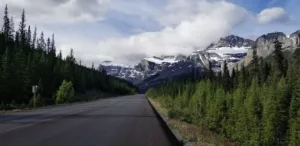
Banff National Park in Alberta gives you glacier-fed lakes, snow-dusted peaks, and crisp mornings. Lake Louise is stunning, but access is tightly managed during peak season. Paid parking fills early, and Parks Canada shuttle reservations are often the easiest way to reach Lake Louise and Moraine Lake. Private vehicles generally cannot drive to Moraine Lake, so do not build an itinerary around finding parking there.
Instead, hike the Plain of Six Glaciers from Lake Louise, a roughly 14-kilometer round trip, or rent a canoe on Emerald Lake in neighboring Yoho National Park. Canoe rates vary by operator and can exceed C$100 per hour in peak season. Pack a light waterproof layer even on a clear morning.
Stay smart: Reserve accommodation, shuttles, and popular activities several months ahead. July hotel rates in Banff commonly exceed US$300 per night, while Canmore can offer more inventory but adds driving or transit time. Check Parks Canada alerts and Alberta’s wildfire-smoke forecast before long hikes.
2. Reykjavik & Iceland’s South Coast
July in Iceland feels like spring in many other countries. Temperatures commonly hover around 9–15°C (48–59°F), although rain, strong wind, and single-digit wind chills can arrive at any time. Reykjavik receives nearly 21 hours of usable daylight around the beginning of the month.
This is prime time for waterfalls, with Skógafoss and Seljalandsfoss among the most accessible stops on the South Coast. Puffins are usually present through much of August, especially around Dyrhólaey, but seasonal nesting closures may restrict access to parts of the promontory. Follow posted signs and keep a generous distance from cliff edges and birds.
A multi-day campervan rental can reduce hotel costs, but July is the most expensive period and total prices rise once insurance, fuel, campsite fees, and bedding are included. Overnight only at authorized campsites; sleeping in a vehicle outside designated areas is restricted in many parts of Iceland.
Do not assume Sky Lagoon will be quieter or cheaper than the Blue Lagoon. Both are popular, timed-entry attractions with dynamic pricing. Compare available slots, transport costs, and cancellation terms before booking. For a less packaged soak, consider a municipal geothermal pool in Reykjavik.
3. Patagonia (Chile & Argentina)
July is winter in Patagonia. That means fewer visitors and dramatic snow-covered landscapes, but it is not a straightforward substitute for the region’s summer trekking season.
Torres del Paine often sees daytime temperatures near 0–7°C (32–45°F), with snow, ice, powerful wind, and short daylight hours. Some roads, lodges, refugios, and trails operate on reduced schedules or close completely. Certain winter routes may require an authorized guide, depending on park rules and current conditions.
Flights from Santiago to Punta Arenas and from Buenos Aires to southern Argentine gateways vary widely, especially around school holidays. Compare baggage allowances carefully because basic fares may not include a checked bag. Build at least one weather-buffer day into any domestic connection.
This is not the best choice for a first independent Patagonian trek. It is, however, memorable for travelers prepared for true winter conditions, guided excursions, and last-minute changes. Confirm park access, border hours, accommodation, tire requirements, and transport directly before departure.
4. The Faroe Islands
If you want genuinely cool air, the Faroe Islands deliver.
July temperatures typically sit between 9–13°C (48–55°F). The landscapes look like a live-action fantasy film: cliffs plunging into the Atlantic, waterfalls dropping toward the ocean, turf-roofed villages, and sheep seemingly everywhere. Rain and fog remain possible even during the driest part of the year.
Hike to Kallur Lighthouse on Kalsoy Island for one of the archipelago’s signature views. The walk is relatively short, but steep grass, mud, fog, and exposed cliffs make it more serious than its distance suggests. Access rules or landowner fees can change, and ferry capacity is limited, so check current local guidance before setting out.
Direct flights operate from Copenhagen and selected European cities, while ferries connect the islands with Denmark and Iceland. Accommodation and rental cars are scarce in July; reserve early and avoid scheduling a flight or ferry connection too tightly because weather can interrupt transport.
5. Lofoten Islands, Norway
Lofoten in July is cool, bright, and wildly scenic. Typical temperatures hover around 10–15°C (50–59°F), but sunshine, cold rain, and strong coastal wind can all occur on the same day.
You will not see the Northern Lights in July because the sky never becomes dark enough. Instead, you get the midnight sun, which lasts in much of Lofoten until roughly mid-July. Hiking Reinebringen late in the evening can provide softer light and fewer people, but its steep stone staircase remains strenuous and can be slippery when wet.
Rent a rorbu, a traditional fisherman’s cabin, but expect premium summer pricing. Popular properties may cost well above US$200 per night once cleaning charges and minimum stays are included. Book directly or compare the full price rather than the headline nightly rate.
Pro tip: Renting a car at Harstad/Narvik Airport in Evenes provides the most flexibility, but July inventory can disappear early. Public transport exists, although infrequent connections make multi-stop itineraries slow. Norway’s rules on outdoor access do not permit camping anywhere without limits; respect homes, farmland, parking restrictions, and local no-camping zones.
6. Queenstown, New Zealand
July means ski season in Queenstown.
Coronet Peak and The Remarkables are the closest major ski areas, while Cardrona and Treble Cone can be reached from the Queenstown–Wānaka region. Adult day passes frequently cost around NZ$150 or more, depending on the mountain, date, and advance-purchase offer. Equipment rental, lessons, and mountain transport are additional.
Even if you do not ski, winter brings snow-dusted scenery, quieter hiking tracks at lower elevations, and crisp days. Temperatures in Queenstown commonly range from about -1–8°C (30–46°F), though sheltered sunny afternoons can feel warmer. Alpine tracks may require winter skills and equipment.
Road frost, snow, and black ice can affect routes around Queenstown, Wānaka, and Milford Sound. Rental-car companies may supply or require snow chains, but travelers should know how to fit them. If you are planning a two- or three-week trip, combine Queenstown with Wānaka, Aoraki/Mount Cook, or a weather-dependent trip to Fiordland.
7. The Scottish Highlands
Scotland in July usually averages around 10–18°C (50–64°F), with long evenings and highly changeable weather. It can still reach the low or mid-20s Celsius during a warm spell, so pack for both sunshine and cold rain.
Drive all or part of the North Coast 500 route for castles, beaches, cliffs, and distilleries, but avoid treating it as a speed challenge. The official loop is roughly 516 miles, and single-track roads require patience, use of passing places, and extra time for livestock and cyclists.
Midges are most active in calm, damp conditions around dawn and dusk. Bring effective repellent and consider a head net for camping or evening photography. Ticks are also present in grassy and wooded areas, so check your skin after hikes.
Edinburgh’s major summer festivals take place mainly in August, but late-July arrivals can still face rising prices and reduced availability. The Highlands themselves are busy during school holidays, particularly on Skye. Reserve ferries and accommodation early, and never park in passing places or camp where overnight stays are prohibited.
8. Hokkaido, Japan
While Tokyo often swelters above 30°C (86°F), Hokkaido is generally milder. Sapporo’s July temperatures commonly range from about 18–26°C (64–79°F), although hotter and more humid spells are possible.
July is lavender season around Furano and Nakafurano. Flowering dates depend on the variety and that year’s weather, but mid-to-late July is often the safest window for the most extensive color. Farm Tomita is the best-known stop and becomes extremely busy, so arrive early or explore smaller farms in the area.
Seafood is a major draw, from uni and crab to scallops and sushi, but species have different seasons and market prices fluctuate. Sapporo’s markets are convenient, while port towns such as Otaru and Hakodate offer additional choices. Check prices before ordering premium sea urchin or crab dishes.
Hokkaido receives fewer international visitors than Tokyo, Kyoto, and Osaka, but Furano, Biei, and national parks become busy during summer. A rental car is useful outside major cities; reserve early and allow extra time on rural roads. Bear awareness is important on remote hiking trails.
How to Choose the Right Cool-Weather Destination
- Want mountains and accessible summer hiking? Banff or Lofoten.
- Want long daylight hours? Iceland, the Faroe Islands, or northern Norway.
- Want winter sports? Queenstown.
- Want cool but not cold? Hokkaido or the Scottish Highlands.
- Want true winter landscapes? Patagonia, with a guide and a flexible itinerary.
- Want to minimize weather disruption? Choose a base with several day-trip options instead of changing hotels every night.
Flights are often the biggest variable, but rental cars and accommodation can be equally important in remote regions. Use flexible-date searches, set fare alerts, and reserve cancellable lodging when possible. July is peak travel season across the Northern Hemisphere, so cooler weather does not guarantee fewer visitors.
Before booking, compare daylight, rainfall, transport availability, and trail access—not just average temperature. A destination averaging 13°C (55°F) can feel much colder in wind and rain than a dry mountain town at the same temperature.
Smart Travel Tech for July 2026
Cool destinations often mean remote roads, fast-changing weather, and spotty mobile coverage.
- Download offline maps before leaving Wi-Fi and save accommodation, trailheads, fuel stops, and emergency facilities.
- Carry a 10,000–20,000 mAh power bank, plus a weather-resistant cable pouch for long hikes.
- Use an eSIM or local SIM, but verify rural coverage instead of assuming every provider works equally well.
- Save official weather, road, ferry, park, and wildfire-alert websites to your home screen.
- Pack layers rather than one bulky coat: a moisture-wicking base, insulating mid-layer, and waterproof shell are more adaptable.
Check wildfire and air-quality reports in western Canada, avalanche or snow conditions in New Zealand and Patagonia, and wind or ferry warnings across the North Atlantic. Conditions can change quickly even when the monthly forecast looks mild. Leave your route with someone you trust, and do not rely on a phone alone for remote backcountry navigation.
Final Thoughts: Chase Air, Not Just Sun
July does not have to mean sweating through crowded streets or fighting for beach umbrellas.
With realistic expectations, you can hike beside glaciers, watch puffins over Atlantic cliffs, ski in the Southern Hemisphere, or visit lavender fields in pleasantly mild weather. The trade-off is that cool destinations often demand waterproof clothing, advance reservations, and flexible daily plans.
Heat may be optional, but weather never is. Choose the destination that matches your tolerance for rain, wind, winter driving, and peak-season prices—not simply the lowest temperature on the list.
Where are you heading this July? If you are still deciding, shortlist two or three options, compare the total trip cost, and check current transport and access rules before booking.
Frequently Asked Questions
Where is the coldest place to travel in July?
Patagonia and New Zealand’s South Island offer the coldest conditions on this list because July is winter in the Southern Hemisphere. Queenstown commonly sees nights near or below freezing, while parts of Patagonia can experience snow, ice, strong wind, and daytime temperatures close to 0°C (32°F).
Is Iceland too crowded in July?
Iceland is busy in July, especially along the Golden Circle and South Coast. However, the long daylight hours make it easier to visit popular waterfalls early in the morning or later in the evening. Reserve vehicles, campsites, accommodation, and major attractions in advance.
Is Banff worth visiting in July?
Yes. July offers long days, generally accessible high-elevation trails, and some of Banff’s best hiking weather. It is also one of the park’s busiest months, so reserve accommodation and shuttles, start hikes early, and monitor wildfire smoke and thunderstorm forecasts.
What is the cheapest cool destination in July?
There is no consistently cheapest option once flights, accommodation, and rental cars are included. Scotland can be good value with public transport and advance booking, while Hokkaido offers reasonably priced food and city hotels. Iceland, Banff, the Faroe Islands, and Lofoten are usually among the more expensive choices.
What should I pack for a cool-weather July trip?
Bring a waterproof shell, warm mid-layer, breathable base layers, comfortable water-resistant footwear, sun protection, and a compact hat and gloves for exposed or alpine areas. For Patagonia or Queenstown, add proper winter clothing and any traction equipment recommended for your planned activities.

About the Author: Tomáš Bzirský
Founder and editor of Distratech. Based in the Czech Republic, travelling regularly from Central Europe. Writes practical travel guides and travel-tech comparisons (eSIM, apps, airports) in six languages.