'/%3E%3Cpath%20fill='%23b2b2b2'%20d='M241%20382q0%2016%2017%2026%2017%2011%2042%2011t42-11q16-11%2017-26V269H241'/%3E%3Cpath%20fill='%239f7e00'%20d='M241%20379q0%2014%208%2023%209%209%2021%209%2014%200%2021-9%209-9%209-23V269h-59'/%3E%3Cpath%20d='M241%20339v-70h59v110q0%2014-9%2023l-6%205v-68h-15v72q-8%200-14-4v-68zm59%2040c0%2022%2015%2032%2029%2032%2021%200%2030-18%2030-32v-40h-59'/%3E%3Cpath%20fill='%239f7e00'%20d='M266%20277v5h2v12h-3v-5h2v-5h-9v5h2v5h-4v9h3v18h-5v10h34v-10h-5v-18h3v-9h-4v-5h2v-5h-9v5h2v5h-3v-12h2v-5zm42%20101q0%2010%206%2017%206%206%2015%207%2010-1%2016-7%206-7%206-17v-29h-43'/%3E%3Ccircle%20fill='%230044ad'%20cx='329.5'%20cy='372'%20r='6'/%3E%3Cellipse%20fill='%230044ad'%20cx='300'%20cy='340'%20rx='16'%20ry='21'/%3E%3C/svg%3E)
'/%3E%3C/svg%3E)


'/%3E%3C/g%3E%3Cuse%20href='%23c'%20transform='matrix(-1%200%200%201%20720%200)'/%3E%3C/svg%3E)


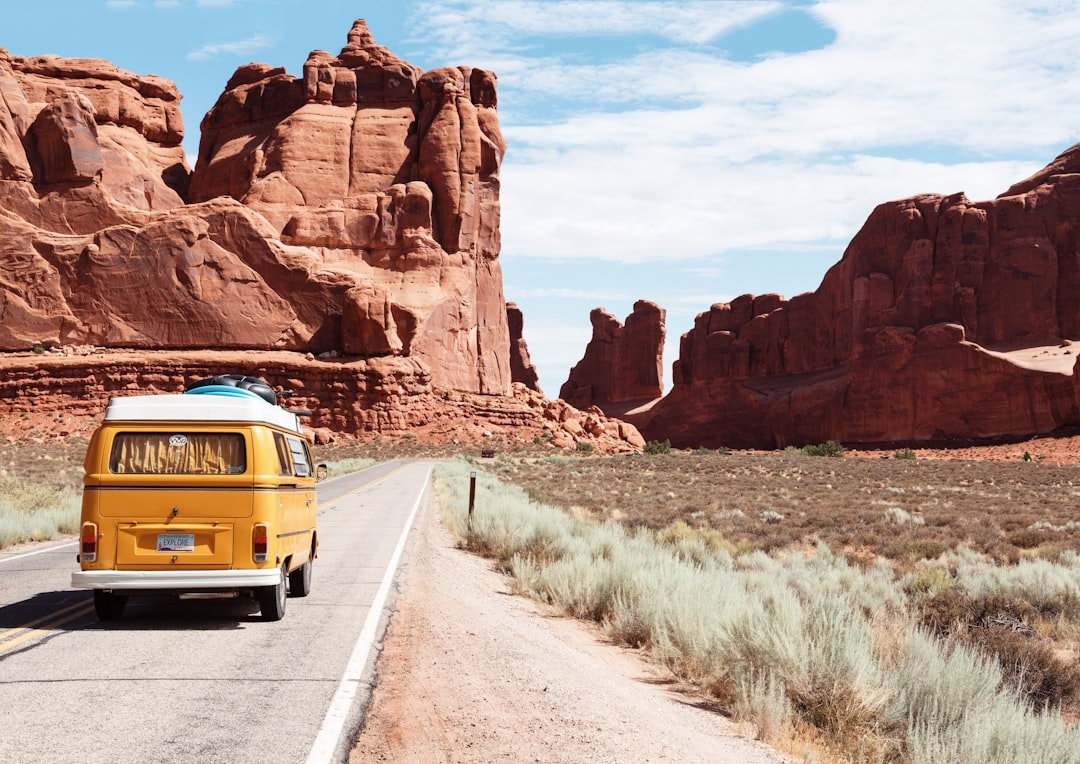
The first time I drove into the Dolomites, I had to pull over after 20 minutes. The peaks looked fake — jagged limestone towers glowing pink in the late afternoon light. I was paying €95 a night for a guesthouse in Val Gardena, eating €12 plates of speck and dumplings, and hiking some of the best trails in Europe without needing technical gear.
If you’re planning a summer 2026 adventure (and late spring is the perfect time to lock it in), here’s exactly how I’d spend 10 days road-tripping through the Dolomites — lakes, iconic hikes, and unforgettable mountain rifugios included.
Key Takeaways
- Best time: late June to mid-September for full trail and rifugio access.
- Budget €120–€180 per day per person (car rental, lodging, food, lift passes).
- Must-do hikes: Tre Cime (10 km loop) and Seceda ridgeline (5–8 km).
- Rent a car from Venice or Innsbruck — driving times rarely exceed 2 hours.
- Book rifugios 2–3 months ahead for July and August stays.
Day 1: Arrive in Venice or Innsbruck → Drive to Val Gardena
Fly into Venice (2.5-hour drive) or Innsbruck (1.5 hours). I prefer Innsbruck for fewer crowds and a smoother alpine transition.
Pick up a compact rental car (€40–€70/day in summer 2026 if booked early). The roads are excellent — this isn’t a white-knuckle mountain experience.
Base yourself in Ortisei or Selva in Val Gardena for three nights. Expect €90–€150 per night for a solid 3-star alpine hotel with breakfast.
Day 2: Seceda Ridgeline Hike
This is the postcard hike.
Take the Ortisei–Seceda cable car (around €38 round-trip). From the top, you’ll walk along a dramatic ridgeline with sheer drops and rolling green pastures.
The classic loop is 5–8 km depending on detours. Allow 3–4 hours with photo stops (and there will be many).
Tourist trap warning: the top station restaurant is overpriced. Walk 20 minutes downhill to a smaller hut for better food and fewer crowds.
Day 3: Alpe di Siusi (Seiser Alm)
Europe’s largest alpine meadow feels like a Windows screensaver — but better.
You can hike, rent e-bikes (€60/day), or just wander between mountain huts. Trails are gentle here, making it a perfect recovery day.
Go early. Parking restrictions apply during peak summer hours, so use cable cars or buses from Ortisei.
Day 4: Val Gardena → Cortina d’Ampezzo (via Passo Gardena)
This 2-hour drive is the reason you rent a car. Passo Gardena and Passo Falzarego are cinematic.
Stop for short walks along the way. Even 30-minute strolls here feel epic.
Stay in Cortina for three nights. It’s more upscale — rooms start around €130–€200 in summer — but the hiking access is unbeatable.
Day 5: Tre Cime di Lavaredo
If you only do one hike, make it this one.
Drive to Rifugio Auronzo (toll road around €30 per car). The 10 km loop around the three peaks takes 3–4 hours at an easy pace.
Come before 9 am in July and August. By midday, it’s bus-tour central.
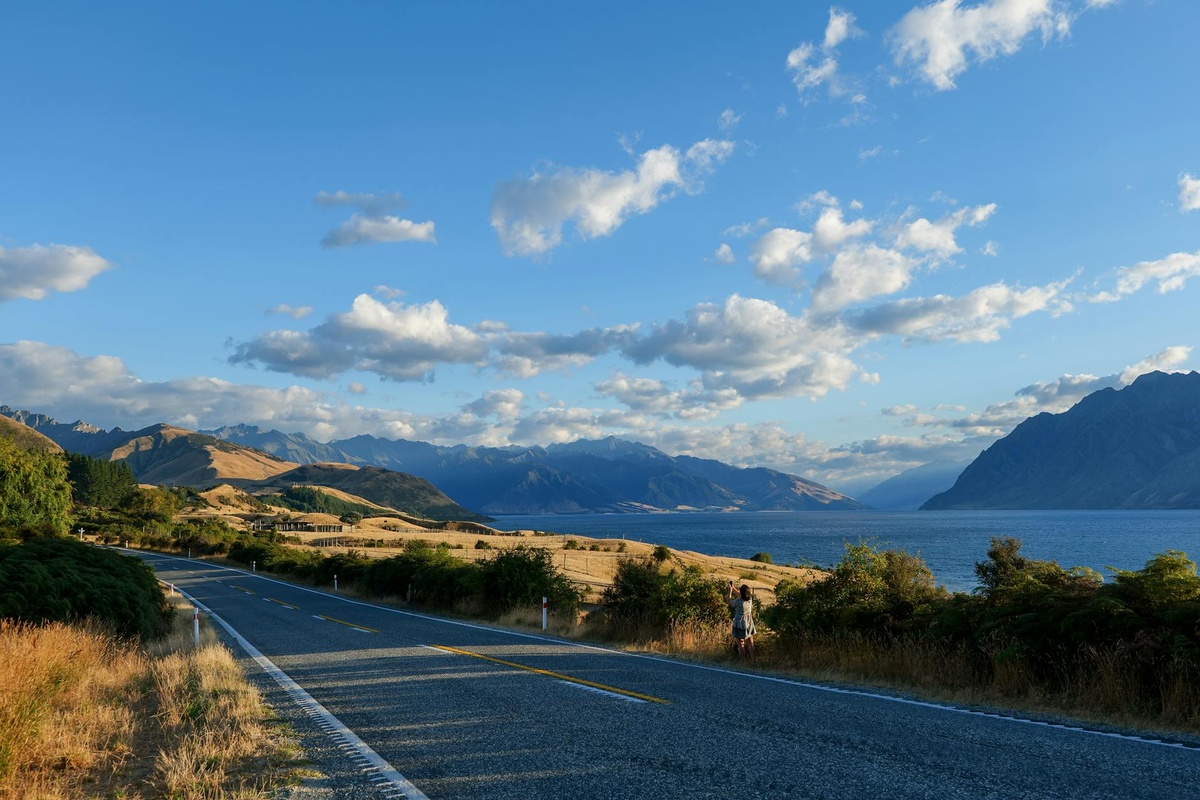
The terrain is manageable for moderately fit hikers. No climbing required — just steady walking and jaw-dropping scenery.
Day 6: Lago di Sorapis
This turquoise lake looks Caribbean — until you notice you’re surrounded by 3,000-meter peaks.
The hike is 12 km round-trip with some narrow sections and cables for balance. Not dangerous, but not a flip-flop stroll either.
Go on a weekday if possible. In peak season, trailhead parking fills by 8:30 am.
Day 7: Cinque Torri + Rifugio Night
Hike around the Cinque Torri rock formations (easy 2–3 hour loop), then stay overnight in a mountain rifugio.
This is non-negotiable if you want the full Dolomites experience.
Expect €70–€110 per person for half-board (dinner and breakfast included). Rooms are simple — sometimes shared — but the sunset and sunrise views are priceless.
Dinner is hearty: pasta, polenta, sausages, apple strudel. Think alpine comfort food — closer to what you’d find on a rustic Swiss trip (like in our budget guide to Interlaken and Zermatt) but generally cheaper.
Day 8: Cortina → Lago di Braies → Alta Badia
Lago di Braies is famous — and yes, slightly overrun in summer.
Arrive before 8 am to enjoy it properly. Rowboat rentals are about €50 per 45 minutes.
Afterward, drive to Alta Badia (1.5 hours). It’s quieter, more local, and an excellent base for your final two nights.
Day 9: Lagazuoi & Hidden WWI Tunnels
Take the Lagazuoi cable car (€25 one-way), then hike down through historic World War I tunnels carved into the mountain.
Bring a headlamp or use your phone flashlight. It’s a surreal mix of history and alpine scenery.
The descent takes 2–3 hours and feels adventurous without being extreme.
Day 10: Relaxed Morning + Departure
Enjoy a slow breakfast — strong Italian coffee, fresh bread, local jam.
Drive back to Venice or Innsbruck. Most return drives are under 3 hours.
Where to Eat (And What to Skip)
The Dolomites blend Italian and Austrian flavors. You’ll see pasta next to schnitzel.
- Order: Canederli (bread dumplings), speck, apple strudel, local Lagrein wine.
- Try: Rifugio-made cakes — surprisingly excellent.
- Skip: Restaurants directly beside major parking lots at Tre Cime and Lago di Braies.
Cortina has higher-end dining, but honestly, I prefer cozy mountain huts. Save your Michelin splurges for cities — like on a proper Mexico City food tour — and keep it simple here.
Practical Tips for Summer 2026
Summer bookings are filling earlier each year. If you’re targeting July or August 2026, reserve accommodation by early spring.
- Car vs. public transport: You can use buses, but a car saves hours.
- Weather: Expect 15–25°C (59–77°F) in summer; afternoon storms are common.
- Gear: Proper hiking shoes are essential; trails are rocky.
- Cash: Some rifugios still prefer cash.
- Travel insurance: Mountain rescues can be expensive without it.
Late June and early September are my favorite windows — fewer crowds, wildflowers in bloom (June), and golden light (September).
How Much Does a 10-Day Dolomites Road Trip Cost?
Here’s a realistic mid-range estimate per person:
- Car rental (shared): €300
- Accommodation (9 nights avg. €130): €1,170
- Food: €300–€400
- Cable cars & toll roads: €150–€200
Total: roughly €1,900–€2,100 per person for 10 days.
You can trim that by choosing simpler guesthouses or fewer lift rides.
When Is the Best Time to Visit the Dolomites?
Late June through mid-September is prime hiking season.
May and early June can still have snow at higher elevations. October is beautiful but many rifugios close.
If you want wildflowers and manageable crowds, aim for late June 2026. If you want golden larch trees and crisp air, try mid-September.
Final Thoughts: Is the Dolomites Road Trip Worth It?
Absolutely.
The Dolomites offer Switzerland-level scenery at slightly lower prices, with better food (in my opinion) and more relaxed vibes.
Ten days gives you enough time to move slowly, sleep in mountain huts, and still have espresso by a lake before driving home. Book early, start your hikes early, and don’t overschedule — the magic here is in the pauses.
If you’re planning a European summer 2026 adventure, put this one high on the list.
If you want to book your stay for this Dolomites road trip, browse Dolomites hotel deals and lock in your dates early.
Frequently Asked Questions
How much does a 10-day Dolomites road trip cost?
Expect to spend around €1,900–€2,100 per person for 10 days, including car rental, mid-range hotels, food, and lift passes. Budget travelers can reduce this by staying in guesthouses and limiting cable car use.
When is the best time to visit the Dolomites for hiking?
Late June to mid-September offers the best trail conditions and open rifugios. For fewer crowds, aim for late June or mid-September rather than peak August.
Do you need a car in the Dolomites?
It’s technically possible without one, but a rental car saves significant time and gives access to scenic mountain passes. For a 10-day itinerary, I strongly recommend renting a car.
Are the Dolomites suitable for beginner hikers?
Yes — many iconic hikes like Tre Cime and Alpe di Siusi are manageable for moderately fit beginners. Just wear proper hiking shoes and start early to avoid crowds.

About the Author: Tomáš Bzirský
Founder and editor of Distratech. Based in the Czech Republic, travelling regularly from Central Europe. Writes practical travel guides and travel-tech comparisons (eSIM, apps, airports) in six languages.