'/%3E%3Cpath%20fill='%23b2b2b2'%20d='M241%20382q0%2016%2017%2026%2017%2011%2042%2011t42-11q16-11%2017-26V269H241'/%3E%3Cpath%20fill='%239f7e00'%20d='M241%20379q0%2014%208%2023%209%209%2021%209%2014%200%2021-9%209-9%209-23V269h-59'/%3E%3Cpath%20d='M241%20339v-70h59v110q0%2014-9%2023l-6%205v-68h-15v72q-8%200-14-4v-68zm59%2040c0%2022%2015%2032%2029%2032%2021%200%2030-18%2030-32v-40h-59'/%3E%3Cpath%20fill='%239f7e00'%20d='M266%20277v5h2v12h-3v-5h2v-5h-9v5h2v5h-4v9h3v18h-5v10h34v-10h-5v-18h3v-9h-4v-5h2v-5h-9v5h2v5h-3v-12h2v-5zm42%20101q0%2010%206%2017%206%206%2015%207%2010-1%2016-7%206-7%206-17v-29h-43'/%3E%3Ccircle%20fill='%230044ad'%20cx='329.5'%20cy='372'%20r='6'/%3E%3Cellipse%20fill='%230044ad'%20cx='300'%20cy='340'%20rx='16'%20ry='21'/%3E%3C/svg%3E)
'/%3E%3C/svg%3E)


'/%3E%3C/g%3E%3Cuse%20href='%23c'%20transform='matrix(-1%200%200%201%20720%200)'/%3E%3C/svg%3E)


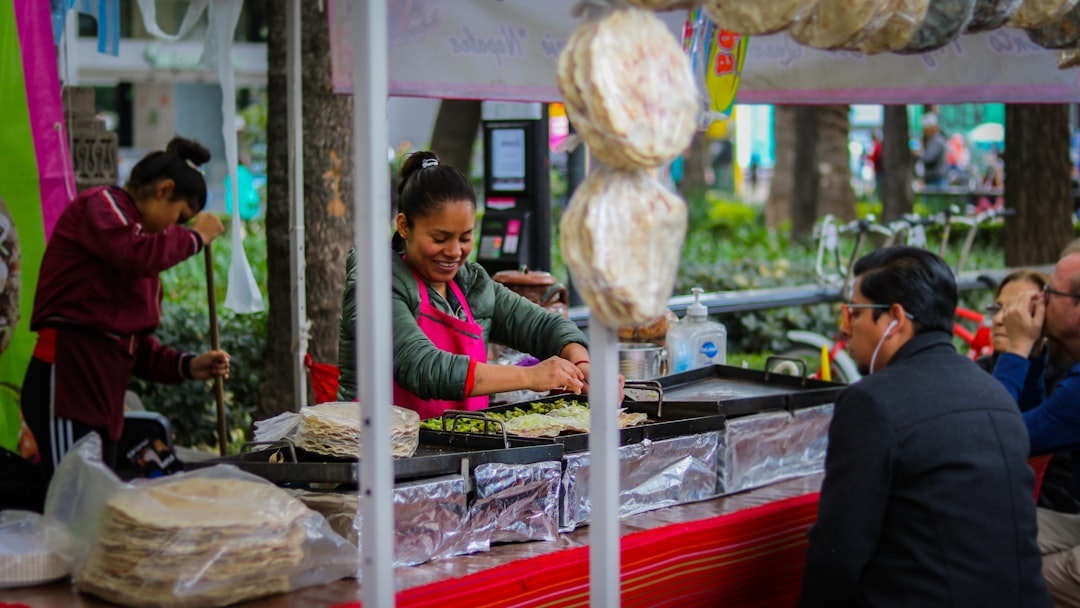
The first time I landed in Mexico City, I ate four tacos before I even reached my Airbnb. Twenty pesos each (about $1.20 USD), carved straight off a trompo onto a warm tortilla, pineapple juice dripping onto my wrist. That’s when I knew CDMX wasn’t just a food city — it’s one of the best food cities on Earth.
With the Michelin Guide now firmly established here and summer 2026 travel heating up, there’s never been a better time to plan a Mexico City food tour. Whether you’ve got 48 hours or a full week, here’s how to eat your way through tacos, markets, and Michelin-star restaurants — without wasting a single meal.
Key Takeaways
- Street tacos cost 15–35 MXN ($1–$2 USD); you can feast for under $10.
- Pujol and Quintonil (2 Michelin stars each) book up 2–4 weeks in advance.
- Visit markets between 9am–11am for peak freshness and fewer crowds.
- Roma, Condesa, Polanco, and Centro are the best neighborhoods for food-focused stays.
Stop 1: Street Tacos (Start Here, Always)
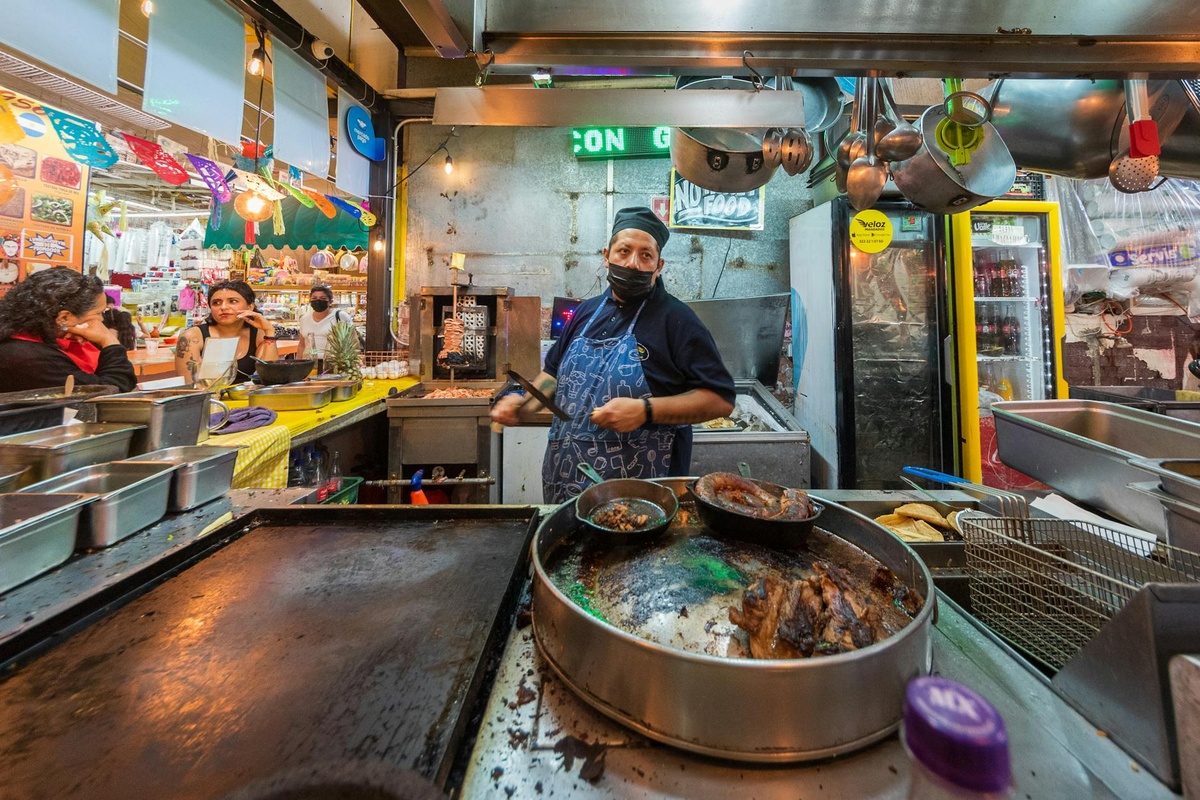
If you do one thing in Mexico City, make it tacos al pastor at 10pm. Not 6pm. Not noon. Late.
El Vilsito (Narvarte) is my go-to. By day it’s a mechanic shop. By night it’s taco heaven. Order al pastor “con todo” (with onions, cilantro, salsa, and pineapple) and add grilled onions on the side. Five tacos and a soda will run you around 120 MXN ($7 USD).
Closer to Roma and Condesa? Taquería Orinoco is popular with locals and travelers. It’s slightly pricier (around 35 MXN per taco) but consistently excellent. As a rule: avoid stalls with laminated photo menus in English and someone aggressively waving you in — that’s often your tourist trap signal.
Pro tip: Don’t skip suadero (slow-cooked beef) or campechano (a mix of meats). Watch where locals line up. High turnover means fresher food.
Stop 2: Morning Markets (The Real Food Tour)
Mexico City’s markets are where chefs shop and grandmothers debate avocado prices. Go early — ideally between 9am and 11am — especially in late spring when temperatures start climbing.
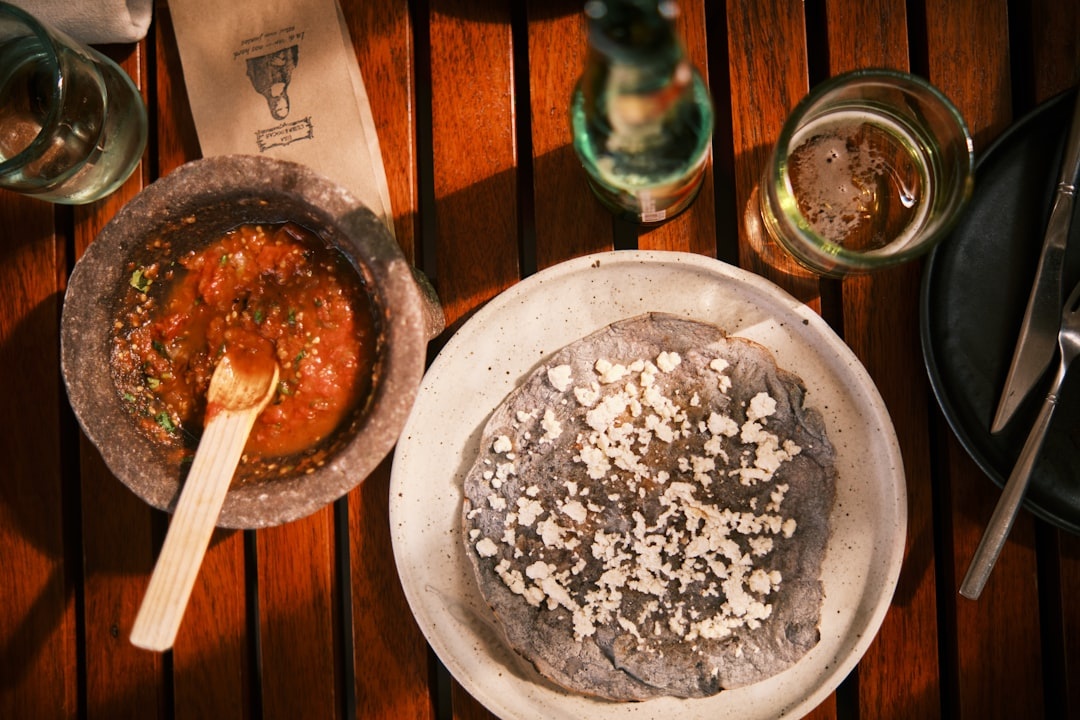
Mercado de Medellín (Roma Sur) is manageable and perfect for first-timers. Grab a fresh juice (40–60 MXN), sample Oaxacan cheese, and try a tlacoyo stuffed with beans and topped with cactus and salsa.
For something bigger and more chaotic, head to La Merced. It’s massive and intense. Go with a guide if you’re unsure, but it’s worth visiting for the spice stalls, dried chiles, and traditional ingredients you won’t see elsewhere.
Must-try market foods:
- Tlacoyos (oval masa cakes filled with beans or cheese)
- Pambazos (chorizo-stuffed sandwiches dipped in guajillo sauce)
- Fresh mango with chili powder and lime
- Agua de jamaica (hibiscus iced tea)
Bring small bills. Most vendors are cash-only, and change can be limited.
Stop 3: Churros & Coffee Break
By mid-afternoon, you’ll need sugar — and caffeine.
El Moro (Centro Histórico) has been frying churros since 1935. Order four churros with thick Mexican hot chocolate for around 100 MXN ($6 USD). Go midweek if possible; weekends mean long lines.
Mexico City’s specialty coffee scene now rivals major European capitals. In Roma and Condesa, expect to pay 60–80 MXN for a top-tier flat white or pour-over. Quality is high, prices are reasonable, and cafés double as excellent people-watching spots.
Stop 4: Contemporary Mexican (Michelin Stars Included)
Yes, Mexico City has Michelin stars — and they’re deserved.
Pujol (Polanco) and Quintonil each hold two stars. Tasting menus range from 2,900–3,500 MXN ($170–$205 USD) before drinks. Expensive? Yes. Worth it? Also yes.
Pujol’s famous mole madre has been aging for years, layered over fresh mole nuevo. It’s theatrical yet rooted in tradition, a dish that captures Mexico’s culinary depth.
Quintonil leans hyper-local and vegetable-forward. The avocado tartare with escamoles (ant larvae) is surprisingly delicate and a standout example of pre-Hispanic ingredients used in modern cuisine.
Reservations open weeks in advance. Book at least 2–4 weeks ahead for summer 2026, especially for weekend dinners. Many require a credit card hold and have strict cancellation policies.
Not ready to spend $200 per person? Try Rosetta (one Michelin star). The guava roll at brunch is legendary, and dinner typically runs $60–$80 per person — a relative value in the fine-dining world.
Stop 5: Mezcal & Night Eats
After dinner, don’t go home. Mexico City wakes up at night.
La Clandestina (Condesa) is a cozy mezcal bar with dozens of options starting around 90 MXN per pour. Ask for something from Oaxaca, sip slowly, and don’t shoot it like tequila.
Hungry again at midnight? It happens. Head back to a taco stand. The beauty of CDMX is that your “late-night snack” might rival lunch in most cities.
How to Structure Your Own Mexico City Food Tour (2–3 Days)
If you’re building your own Mexico City food itinerary, here’s a simple structure that balances neighborhoods and pace:
- Day 1: Roma/Condesa — Medellín Market breakfast, café crawl, Rosetta dinner, mezcal in Condesa.
- Day 2: Centro Histórico — El Moro churros, street food hopping, museum break, Polanco fine dining.
- Day 3: Coyoacán — Mercado de Coyoacán tostadas, plaza stroll, evening tacos in Narvarte.
Uber is cheap and reliable (typically $3–$7 per ride within central neighborhoods). The Metro costs just 5 MXN, though it’s crowded during rush hour. Walking is often the best way to discover hidden gems.
Practical Tips for a Smooth (and Safe) Food Tour
- Carry hand sanitizer; you’ll be eating with your hands often.
- Choose busy stalls with high turnover for the freshest food.
- Use Uber at night instead of hailing random street taxis.
- Book Michelin restaurants online well in advance.
- Stay hydrated — Mexico City sits at 2,240 meters (7,350 ft) above sea level.
If you don’t speak Spanish, learning a few food basics goes a long way. Even simple phrases like “¿Qué recomienda?” (What do you recommend?) can unlock better ordering experiences.
When to Visit for the Best Food Experience
Late spring (May–June) offers warm weather before peak summer rains. Expect occasional afternoon showers starting in June.
Summer brings festivals, bigger crowds, and a lively atmosphere. Make restaurant reservations early, especially at Michelin-starred spots.
September (Independence Month) delivers incredible street food energy and patriotic dishes like chiles en nogada. Late October and early November are ideal for fewer tourists — though Day of the Dead requires booking far in advance.
Is a Guided Food Tour Worth It?
If it’s your first visit and you’re unfamiliar with the neighborhoods, a guided tour for one day can be valuable. Expect to pay $60–$120 USD for a 3–4 hour experience with multiple stops.
After that, you’ll likely feel confident exploring on your own. Mexico City is navigable, welcoming, and endlessly rewarding for curious eaters.
Final Bite: Why Mexico City Should Be Your 2026 Food Trip
Few cities let you eat a $1 taco at noon and a Michelin-star tasting menu at night — both equally memorable.
Mexico City isn’t about one perfect meal. It’s about layers: smoke from a street-side grill, the buzz of a market, the precision of a fine-dining kitchen.
If you’re planning your 2026 travels, put CDMX at the top of your list. Come hungry. Leave obsessed.
Für deine Reiseplanung in Mexico City lohnt es sich, frühzeitig Hotels in Mexico City zu buchen und dir die besten Optionen zu sichern.
Frequently Asked Questions
How much does a food tour in Mexico City cost?
A guided food tour typically costs $60–$120 USD per person for 3–4 hours. If you go self-guided, you can eat extremely well for $25–$40 USD per day, including tacos, market snacks, and coffee.
Are street tacos in Mexico City safe to eat?
Yes — choose busy stalls with high turnover and food cooked fresh in front of you. Avoid empty stands, and stick to freshly prepared items if you have a sensitive stomach.
How far in advance should I book Michelin-star restaurants in Mexico City?
For Pujol and Quintonil, book 2–4 weeks ahead, especially for weekend dinners and peak travel seasons. Lunch reservations may offer slightly more flexibility.
What neighborhood is best for a food-focused stay in Mexico City?
Roma and Condesa are ideal for walkable restaurants and cafés. Polanco suits luxury stays and fine dining, while Centro Histórico offers proximity to markets and historic eateries.

About the Author: Tomáš Bzirský
Founder and editor of Distratech. Based in the Czech Republic, travelling regularly from Central Europe. Writes practical travel guides and travel-tech comparisons (eSIM, apps, airports) in six languages.