'/%3E%3Cpath%20fill='%23b2b2b2'%20d='M241%20382q0%2016%2017%2026%2017%2011%2042%2011t42-11q16-11%2017-26V269H241'/%3E%3Cpath%20fill='%239f7e00'%20d='M241%20379q0%2014%208%2023%209%209%2021%209%2014%200%2021-9%209-9%209-23V269h-59'/%3E%3Cpath%20d='M241%20339v-70h59v110q0%2014-9%2023l-6%205v-68h-15v72q-8%200-14-4v-68zm59%2040c0%2022%2015%2032%2029%2032%2021%200%2030-18%2030-32v-40h-59'/%3E%3Cpath%20fill='%239f7e00'%20d='M266%20277v5h2v12h-3v-5h2v-5h-9v5h2v5h-4v9h3v18h-5v10h34v-10h-5v-18h3v-9h-4v-5h2v-5h-9v5h2v5h-3v-12h2v-5zm42%20101q0%2010%206%2017%206%206%2015%207%2010-1%2016-7%206-7%206-17v-29h-43'/%3E%3Ccircle%20fill='%230044ad'%20cx='329.5'%20cy='372'%20r='6'/%3E%3Cellipse%20fill='%230044ad'%20cx='300'%20cy='340'%20rx='16'%20ry='21'/%3E%3C/svg%3E)
'/%3E%3C/svg%3E)


'/%3E%3C/g%3E%3Cuse%20href='%23c'%20transform='matrix(-1%200%200%201%20720%200)'/%3E%3C/svg%3E)


The first time I priced out a trip to Switzerland, I nearly closed my laptop. $25 burgers. $8 coffees. $200 hotel rooms that looked like summer camp cabins.
And yet, last June, I spent four days between Interlaken and Zermatt for under $100 a day — including accommodation, food, and transport. It took strategy, a rail pass, supermarket dinners, and a willingness to hike instead of cable car everywhere. But it’s absolutely doable.
Key Takeaways
- Stay in hostel dorms or budget guesthouses (€35–$55/night) to keep daily costs low.
- Use a Swiss Travel Pass or Saver Day Pass to cut train costs between Interlaken and Zermatt.
- Budget $15–20/day for groceries instead of restaurants ($25+ per meal).
- Late spring (May–June) offers lower prices and fewer crowds before peak summer hits.
- Skip pricey cable cars and choose free panoramic hikes instead.
First, Let’s Talk Reality: Can You Really Do Switzerland for $100 a Day?
Yes — but not if you expect spa hotels and daily fondue dinners.
Switzerland is expensive. There’s no way around that. But the landscapes are free, tap water is drinkable everywhere, and public transport is so efficient you don’t need a car.
Late spring (May to early June 2026) is one of the best budget windows. Snow still caps the peaks, waterfalls are roaring from meltwater, and summer tour groups haven’t fully arrived yet.
Step 1: Getting Between Interlaken and Zermatt (Without Blowing Your Budget)
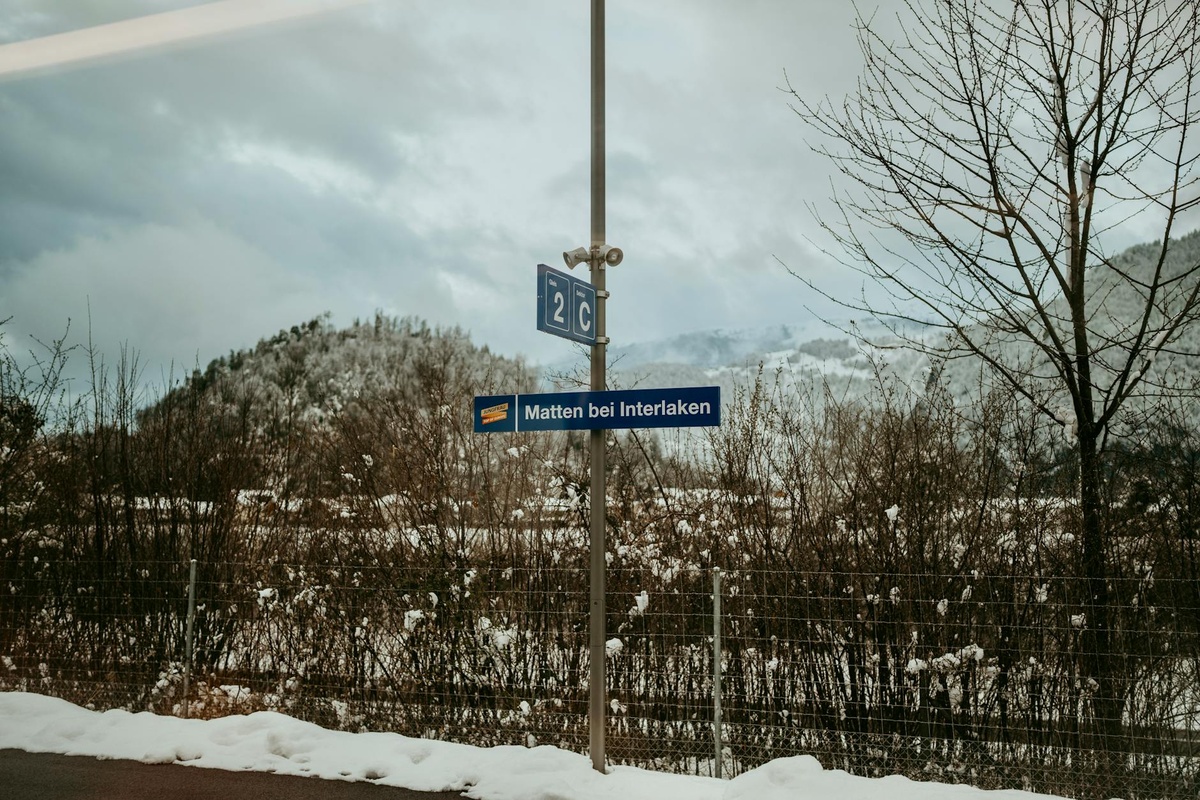
The train from Interlaken Ost to Zermatt takes about 2 hours 15 minutes with one easy transfer in Visp. It’s scenic the entire way — lakes, vineyards, snow peaks.
A standard ticket can cost $70–$90 one way. Don’t pay that.
Instead:
- Swiss Travel Pass (3 days): Around $260 — worth it if you’re moving frequently.
- Saver Day Pass (book early): From ~$52 if purchased in advance.
- Half Fare Card: Good if you’re staying longer and doing multiple routes.
Switzerland is also moving toward simplified cross-border rail systems (similar to the EU’s new rail initiatives). If you’re planning a broader European train adventure, check out our breakdown of the EU’s single rail ticket plan to see how it might affect your itinerary.
Budget tip: Book early in the SBB app. Prices jump closer to departure.
Step 2: Where to Stay for Under $60
Interlaken
I stayed at Backpackers Villa Sonnenhof — clean dorms for about $45–$55 in late spring. Free kitchen access is the real win.
Avoid hotels on Höheweg unless you’re splurging. You’re paying for lake views you can walk to in five minutes anyway.
Zermatt
Zermatt is trickier. It’s car-free, polished, and very aware of its Matterhorn branding.
Look at:
- Youth Hostel Zermatt (around $50–$60 for a dorm bed)
- Budget guesthouses slightly uphill from the train station
The 10-minute uphill walk saves you $40 a night. Worth it.
Step 3: What to Do in Interlaken (Mostly Free)
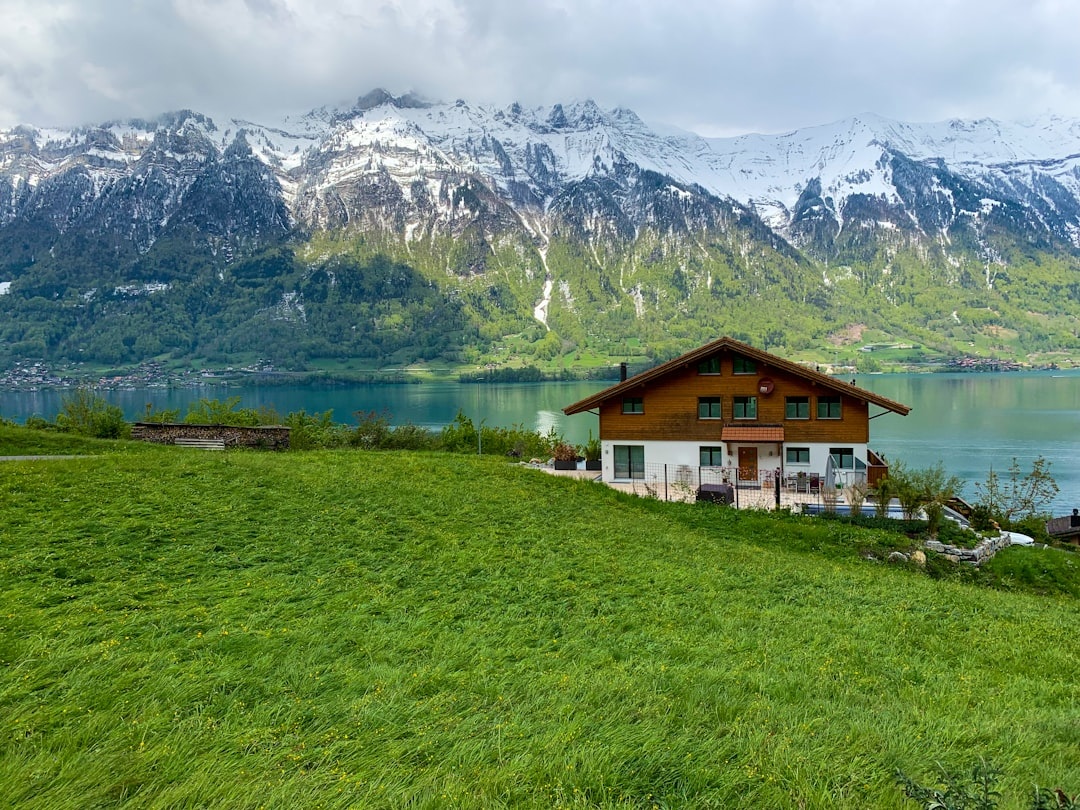
Interlaken gets dismissed as a “base town.” That’s lazy advice. The setting between Lake Thun and Lake Brienz is stunning.
Harder Kulm (Budget Version)
The funicular costs around $38 round trip. Skip it.
Hike up instead. It takes about 2–2.5 hours, and you’ll earn that view over both lakes and the Jungfrau region. Free, except for your leg muscles.
Lake Brienz Walk
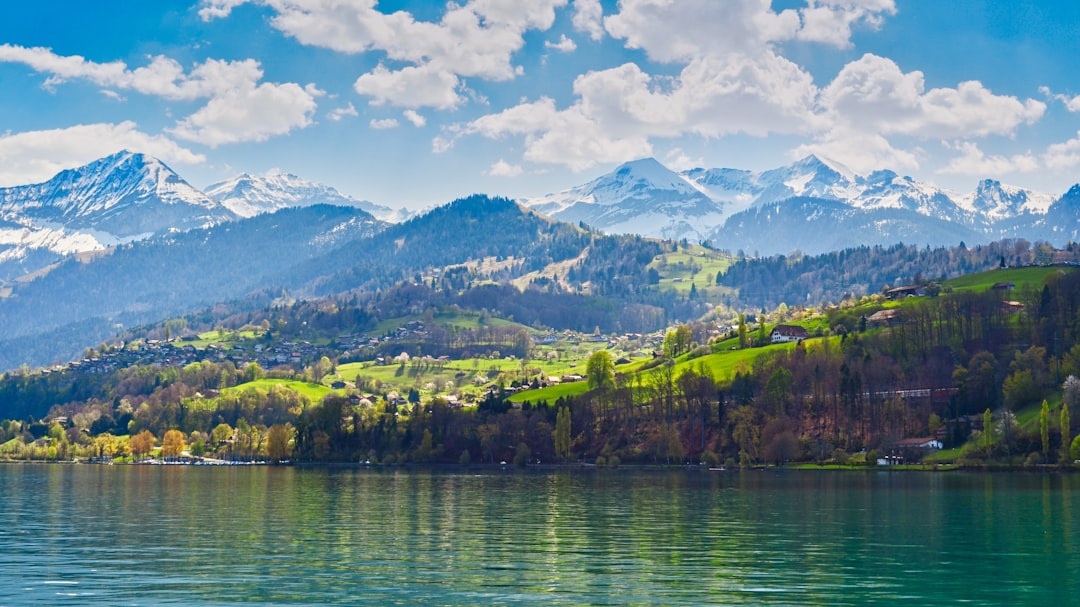
Walk or bike along the turquoise shoreline. The water in late spring is glacier-fed and unreal — almost Caribbean blue, just 50°F.
Bring supermarket snacks and picnic.
Lauterbrunnen Valley (Low-Cost Day Trip)
15 minutes by train from Interlaken. Seventy-two waterfalls in one valley.
Skip the pricey mountain railways unless it’s a once-in-a-lifetime trip. The valley floor walk is free and jaw-dropping.
Step 4: Zermatt Without the $100 Cable Cars
Here’s where people overspend.
The Gornergrat railway costs about $110 round trip. Klein Matterhorn? Even more.
If you’re on a strict $100/day budget, choose hikes with Matterhorn views instead.
Five Lakes Walk (5-Seenweg)
If you use a pass for partial lift access, costs drop significantly. But you can also hike sections depending on snow conditions.
In late May, check snow reports — some higher trails may still be patchy.
Sunnegga Viewpoint
One of the most iconic Matterhorn views. If lifts are too pricey, hike lower elevation routes from town toward Zmutt.
Zmutt Village
My favorite budget move.
About 1.5 hours round-trip walking from Zermatt. Wooden chalets, grazing sheep, Matterhorn in the background. Completely free.
Step 5: How to Eat in Switzerland for $20 a Day
This is where most travelers fail.
A sit-down dinner in Zermatt easily hits $30–$45. Even takeaway kebabs run $15–$18.
Instead:
- Shop at Coop or Migros (budget chains everywhere)
- Buy fresh bread ($2–3), cheese ($4–6), fruit, yogurt
- Grab pre-made salads ($6–8)
- Refill water bottles at public fountains (they’re safe)
Splurge on one meal if you want Swiss fondue — but make it lunch, not dinner. Lunch menus are cheaper.
Coffee tip: Skip trendy cafés unless you’re working remotely. Expect $6–$8 per cup.
Sample $100/Day Budget Breakdown
Here’s what one of my Zermatt days looked like:
- Hostel dorm: $55
- Groceries for the day: $18
- Transport (averaged with rail pass): $20
- Activities: $0 (hiking)
Total: $93
Interlaken days were similar, sometimes even cheaper.
Best Time to Visit on a Budget (Right Now Matters)
Late May to mid-June is ideal in 2026.
You get:
- Snow-capped peaks
- Wildflowers starting to bloom
- Long daylight (sunset after 9pm)
- Lower accommodation rates than July–August
July and August? Gorgeous — but expect hostel prices to jump $15–$25 per night.
If you love epic road landscapes like Iceland’s summer ring road, Switzerland gives similar alpine drama without needing a car. (If you’re curious, here’s our 5-day Iceland Ring Road guide for comparison.)
Smart Tech Tips to Save Even More
Switzerland is ultra-digital. Use that.
- Download the SBB Mobile app for real-time train updates.
- Use offline Google Maps for hiking trails.
- Track currency rates to avoid bad exchange booths.
- Use AI trip planning tools — we explain how in our guide to ChatGPT with Codex for travelers.
Also: skip roaming fees. Switzerland isn’t in the EU, so check your mobile plan.
Is It Worth Doing Switzerland on a Budget?
Absolutely.
Will you skip some cable cars? Yes.
Will you eat more supermarket cheese than restaurant raclette? Probably.
But you’ll still stand under the Matterhorn at sunrise. You’ll still hike past waterfalls in Lauterbrunnen. And you won’t leave with credit card regret.
Switzerland rewards slow travel. Walk more. Ride fewer lifts. Picnic with a view.
If you’re planning a summer 2026 European trip, this is one of the smartest shoulder-season plays you can make.
Got questions about planning your Swiss itinerary? Drop them in the comments — or share this with your travel buddy who thinks Switzerland is “too expensive.”
If you’re budgeting for Switzerland, browse affordable stays in Interlaken here: Interlaken hotels ansehen.
Frequently Asked Questions
Is Switzerland really possible on $100 a day?
Yes, if you stay in hostel dorms ($35–$60), cook most meals, and prioritize free hikes over cable cars. Transport costs need to be planned in advance using Saver Day Passes or rail passes.
How much does the train from Interlaken to Zermatt cost?
A regular ticket costs $70–$90 one way. With a Saver Day Pass booked early, you can pay around $52, and rail passes may reduce costs further depending on your itinerary.
What is the cheapest month to visit Interlaken and Zermatt?
Late May and early June offer lower accommodation prices and fewer crowds before peak summer. September is another strong budget-friendly option with stable weather.
Are cable cars in Zermatt worth the price?
They’re spectacular but expensive ($80–$120 round trip). If you’re on a strict budget, hiking routes like Zmutt or lower Five Lakes sections offer incredible views for free.

About the Author: Tomáš Bzirský
Founder and editor of Distratech. Based in the Czech Republic, travelling regularly from Central Europe. Writes practical travel guides and travel-tech comparisons (eSIM, apps, airports) in six languages.