'/%3E%3Cpath%20fill='%23b2b2b2'%20d='M241%20382q0%2016%2017%2026%2017%2011%2042%2011t42-11q16-11%2017-26V269H241'/%3E%3Cpath%20fill='%239f7e00'%20d='M241%20379q0%2014%208%2023%209%209%2021%209%2014%200%2021-9%209-9%209-23V269h-59'/%3E%3Cpath%20d='M241%20339v-70h59v110q0%2014-9%2023l-6%205v-68h-15v72q-8%200-14-4v-68zm59%2040c0%2022%2015%2032%2029%2032%2021%200%2030-18%2030-32v-40h-59'/%3E%3Cpath%20fill='%239f7e00'%20d='M266%20277v5h2v12h-3v-5h2v-5h-9v5h2v5h-4v9h3v18h-5v10h34v-10h-5v-18h3v-9h-4v-5h2v-5h-9v5h2v5h-3v-12h2v-5zm42%20101q0%2010%206%2017%206%206%2015%207%2010-1%2016-7%206-7%206-17v-29h-43'/%3E%3Ccircle%20fill='%230044ad'%20cx='329.5'%20cy='372'%20r='6'/%3E%3Cellipse%20fill='%230044ad'%20cx='300'%20cy='340'%20rx='16'%20ry='21'/%3E%3C/svg%3E)
'/%3E%3C/svg%3E)


'/%3E%3C/g%3E%3Cuse%20href='%23c'%20transform='matrix(-1%200%200%201%20720%200)'/%3E%3C/svg%3E)


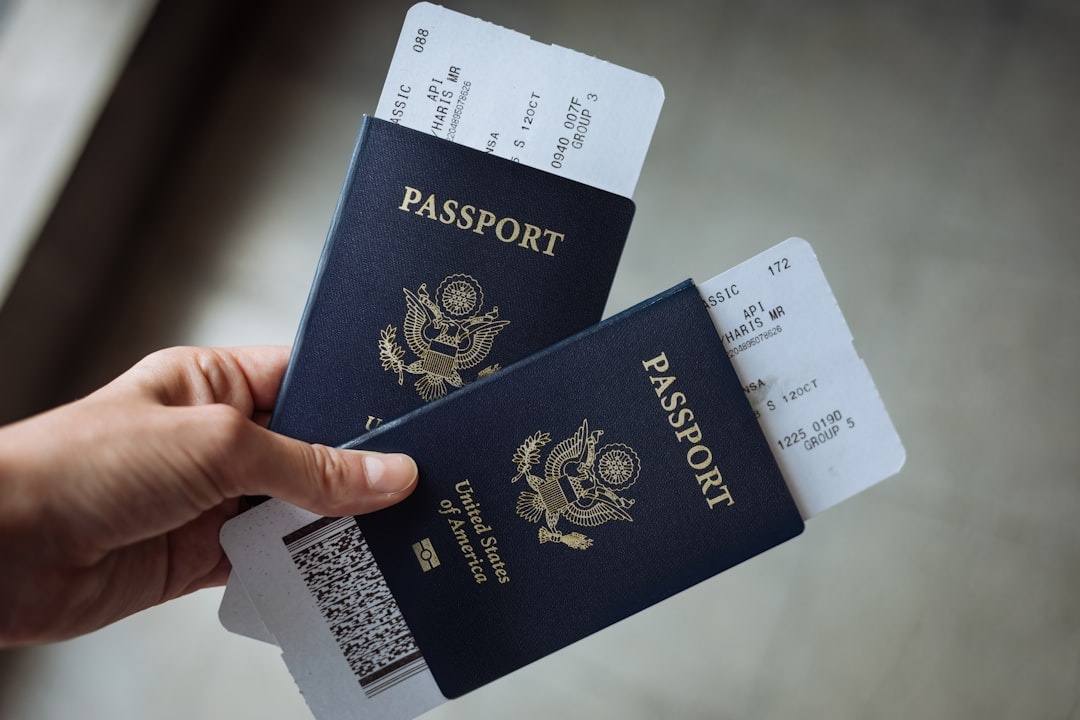
I once tried to book a train from Barcelona to Vienna. Three websites, two separate tickets, four confirmation emails, and one mild panic attack later, I had a seat.
That mess is exactly what the European Union now wants to fix. In early 2026, the European Commission unveiled a plan to make cross-border rail travel work like flights: one booking, one ticket, clear passenger rights — even if you’re hopping between multiple national rail operators.
And if you’re planning summer 2026 in Europe — festivals, beach escapes, food cities — this could quietly change everything.
Key Takeaways
- The EU plans a unified digital rail booking system covering multiple operators with one ticket.
- New rules would guarantee passenger rights across connections, even with different rail companies.
- Implementation is expected in phases from 2026–2028.
- Cross-border rail demand is up over 20% since 2019, especially for summer travel.
- This could make train travel more competitive with €30–€80 budget flights.
What’s Actually Changing?
Right now, European rail is fragmented. Deutsche Bahn, SNCF, Trenitalia, Renfe — they all sell tickets, but they don’t always “talk” to each other properly.
If you miss a connection in another country on separate tickets? Good luck. You’re often on your own.
The EU’s new proposal pushes for:
- Mandatory data sharing between rail operators
- Single-ticket booking platforms that combine multiple companies
- Protected connections across borders
- Clear compensation rules if delays make you miss the next train
In other words: book Madrid → Marseille → Milan as one journey, not three gambling decisions.
Why This Matters for Summer 2026 Travelers
Late spring is when Europeans start locking in summer rail trips. And this year, train searches are surging.
Why? Flights are pricier again for peak July–August routes. Paris to Rome round-trip in July is hovering around €180–€250 on major carriers. Meanwhile, advance high-speed rail tickets can dip to €49–€79 per leg — if you can navigate the booking maze.
This reform aims to remove that friction.
It also fits the bigger sustainability push. Night trains are back. Cross-border routes like:
- Brussels → Berlin (overnight)
- Paris → Barcelona (6h 45m)
- Vienna → Rome (night service)
- Amsterdam → Zurich (sleeper)
are seeing strong demand heading into festival season.
If you’re planning something like a food-focused trip through northern Italy, say Bologna, Florence, and Milan, combining cross-border segments becomes far easier. (And yes, if Bologna is on your list, read our 3-day food itinerary for Bologna — go hungry.)
How the “One Journey” Ticket Would Work
Think airline-style booking — but for trains.
You enter your start and end point. The system builds a full itinerary across countries. One payment. One QR code. One set of passenger rights.
If a delay in Lyon makes you miss your Milan connection? The rail operators must rebook you — not shrug and blame each other.
This is especially important for routes like:
- Munich → Ljubljana → Zagreb
- Paris → Zurich → Venice
- Barcelona → Montpellier → Geneva
Right now, savvy travelers build “buffer time” of 45–90 minutes between international connections. With unified ticketing, that anxiety buffer could shrink.
Will This Replace Eurail?
Not exactly.
Eurail and Interrail passes are still great for flexibility. But they don’t always guarantee seat availability on high-speed trains, and reservations can add €10–€35 per segment.
If you’re debating rail vs flying this summer, we break it down in detail here: Eurail Pass vs. Budget Flights in Europe 2026. Spoiler: trains win on convenience for 4–8 hour routes, especially city-center to city-center.
The EU’s new system is more about simplifying point-to-point and multi-country bookings — especially for travelers who don’t want to navigate pass rules.
The Tech Side: Why This Is Hard
This isn’t just politics. It’s infrastructure.
Each national rail company uses different reservation systems, pricing logic, and APIs. Some still rely on legacy tech from the 1990s.
The EU plan pushes standardized data formats and real-time availability sharing. That’s a massive backend upgrade.
For travelers, this likely means:
- Better third-party booking apps
- More transparent pricing
- Fewer surprise “seat reservation required” pop-ups
But expect rollout in stages. 2026–2027 will likely focus on major corridors first.
Routes That Could Benefit Most
From a practical standpoint, these are the routes where this reform could be a game changer:
1. Spain ↔ France ↔ Italy
Currently clunky to book across operators. Summer Mediterranean rail trips could become dramatically easier.
2. Central Europe Loops
Prague → Vienna → Budapest is popular and mostly smooth. Add Croatia or Slovenia, and it gets more complicated.
3. Night Train Networks
ÖBB’s Nightjet expansion is huge for summer 2026. Unified ticketing would make multi-leg sleeper routes far less risky.
What This Means for Budget Travelers
Here’s my honest take: this won’t automatically make trains cheaper.
It will make them simpler.
Budget airlines will still offer €25 teaser fares (before baggage fees). But trains eliminate airport transfers, 2-hour security buffers, and luggage stress.
And if you’re traveling with tech — laptops, cameras, or just your entire digital life — fewer airport security interactions are a blessing. (Side note: read our traveler survival guide if your phone gets stolen this summer — it’s brutal out there.)
Pro Tips for Booking European Rail in 2026
- Book high-speed trains 6–10 weeks early for the best fares.
- Avoid tight cross-border connections until unified ticketing fully rolls out.
- Check seat reservation rules on France, Spain, and Italy routes.
- Consider overnight trains to save one hotel night (€120–€250 in major cities).
- Travel midweek for better prices during peak summer.
Late May and early June are a sweet spot right now — summer weather without peak-school-holiday chaos.
The Bigger Picture: A Shift Back to Rail
Europe is slowly re-centering trains as the backbone of regional travel.
Short-haul flight bans (like France’s restrictions where rail alternatives exist) are part of it. Climate policy is another driver.
But honestly? Convenience is what will convert most travelers.
If booking a multi-country rail trip becomes as easy as booking a flight, many people will choose the scenic route. Watching the Alps roll by beats staring at seat 23B’s tray table.
Should You Wait for the New System?
No.
Summer 2026 is already filling up. Book what works now — especially for July festivals, coastal Italy, and southern France.
The reforms are coming, but the best trips aren’t waiting.
If anything, this is the perfect moment to experiment with cross-border rail before it becomes mainstream again.
Final Thoughts: A Small Change That Could Transform European Travel
“One journey, one ticket” sounds bureaucratic.
But in practice, it could remove the single biggest psychological barrier to European rail travel: uncertainty.
Fewer tabs open. Fewer “what if I miss this?” scenarios. More spontaneous, multi-country adventures.
And that’s exactly how Europe should be explored — not in isolated flight hops, but as a connected, moving landscape.
If you’re planning a summer route and debating trains vs planes, start mapping it now. The rail renaissance is building quietly — and it’s about to get much easier to ride.
Frequently Asked Questions
When will the EU single rail ticket system launch?
The rollout is expected in phases between 2026 and 2028, starting with major cross-border corridors. Some improvements in data sharing may appear as early as late 2026.
Will the new system make European train tickets cheaper?
Not necessarily. Prices will still depend on demand and booking timing, but the system should make fares more transparent and reduce costly missed-connection issues.
Is it better than a Eurail Pass?
It depends on your travel style. The unified ticket system is ideal for fixed itineraries, while Eurail offers flexibility across multiple travel days.
Are night trains included in the EU plan?
Yes, cross-border night trains are part of the broader integration effort, especially on high-demand routes like Vienna–Rome and Amsterdam–Zurich.

About the Author: Tomáš Bzirský
Founder and editor of Distratech. Based in the Czech Republic, travelling regularly from Central Europe. Writes practical travel guides and travel-tech comparisons (eSIM, apps, airports) in six languages.