


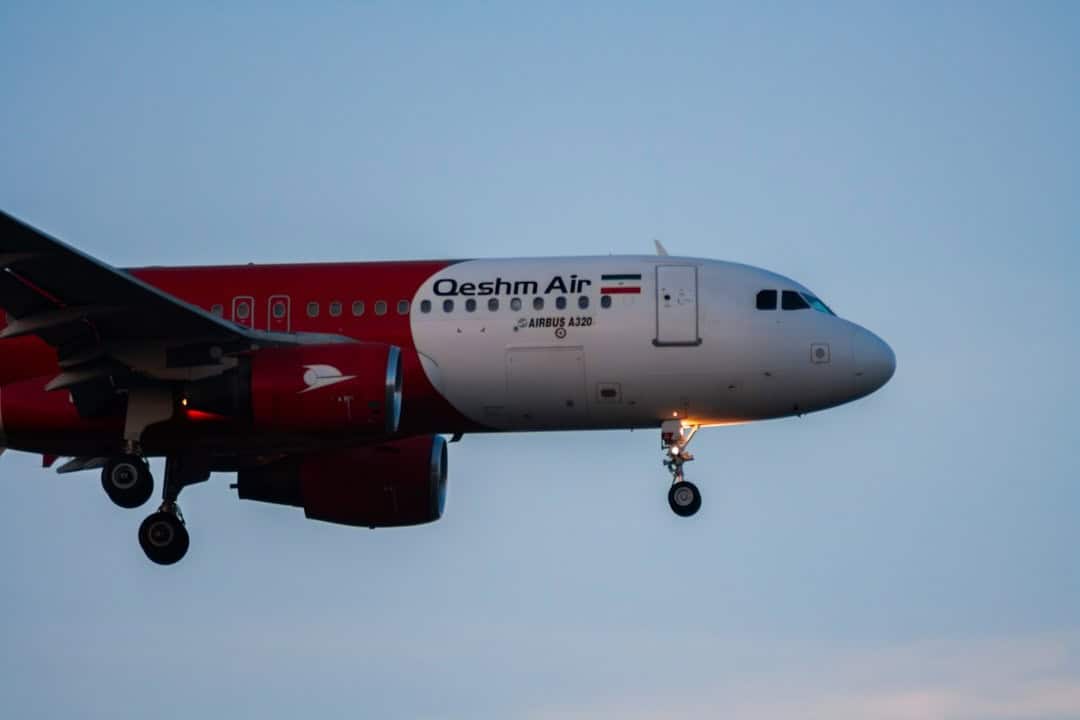
I once flew from New York to Frankfurt, stepped off the plane, and boarded a high-speed train to Cologne 90 minutes later — all on a single ticket. No separate bookings. No frantic sprint to a ticket machine. My luggage was checked through, and if I’d missed the train, Lufthansa would have rebooked me.
That’s the magic of combined air-rail tickets in Europe. One reservation. One price. Multiple countries at your feet.
Key Takeaways
- Air-rail tickets combine your flight and train into one booking, often for €20–€50 more than a flight alone.
- Major hubs like Frankfurt, Paris CDG, Zurich and Amsterdam offer seamless train connections from the airport.
- If your flight is delayed, the airline usually rebooks your train automatically.
- You can reach cities 200–400 km away in 1–3 hours by high-speed rail.
- Booking directly with the airline is usually safer than mixing separate flight and rail tickets.
What Is a Combined Air-Rail Ticket?
A combined air-rail ticket (sometimes called “Rail&Fly” or “Train to Plane”) lets you book a flight and a connecting train as one itinerary. Instead of flying into a secondary airport, you land at a major hub and continue by high-speed rail.
The key difference? Protection. If your flight is late, your train is rebooked — just like a connecting flight would be.
Airlines like Lufthansa, Air France, KLM, SWISS, Austrian Airlines and even Emirates offer these partnerships across Europe.
Why I Prefer Air-Rail Over Short-Haul Flights
I actively avoid short European flights under 90 minutes. They’re often delayed, involve remote airports, and rarely save time once you factor in security and boarding.
A high-speed train from Frankfurt Airport to Stuttgart takes 1 hour 12 minutes. To Munich? About 3 hours 15 minutes. Paris CDG to Brussels? Roughly 1 hour 30 minutes on the TGV.
No liquid limits. No middle seats. And you arrive in the city center.
How to Book an Air-Rail Ticket (Step-by-Step)
1. Search for Your Final City — Not the Hub
Instead of searching “New York to Frankfurt,” try “New York to Cologne” or “New York to Stuttgart.”
If rail is integrated, you’ll see options marked with a small train icon. The train segment will have a flight number, even though it’s on Deutsche Bahn, SNCF, or ÖBB.
2. Compare the Price Difference
In my experience, adding a train leg usually costs €20–€50 more than flying to the hub alone.
Example: A round-trip flight to Frankfurt might cost €550. To Cologne via air-rail? Around €590–€620.
That’s cheaper than buying a last-minute high-speed train ticket separately, which can run €60–€120 one way.
3. Check Luggage Rules
Most European air-rail tickets do not physically transfer your luggage onto the train. You collect your bag at the airport and bring it to the station (usually inside or directly connected to the terminal).
Frankfurt Airport’s long-distance train station is a 10-minute indoor walk from arrivals. Zurich Airport’s platforms are literally beneath the terminal.
4. Use Digital Boarding Passes
Some airlines now integrate rail segments directly into their mobile apps and Apple Wallet. If you’re flying with a major US carrier, it’s worth reading about how iOS 26 boarding pass integration works in Apple Wallet — it makes juggling flight and train segments much smoother.
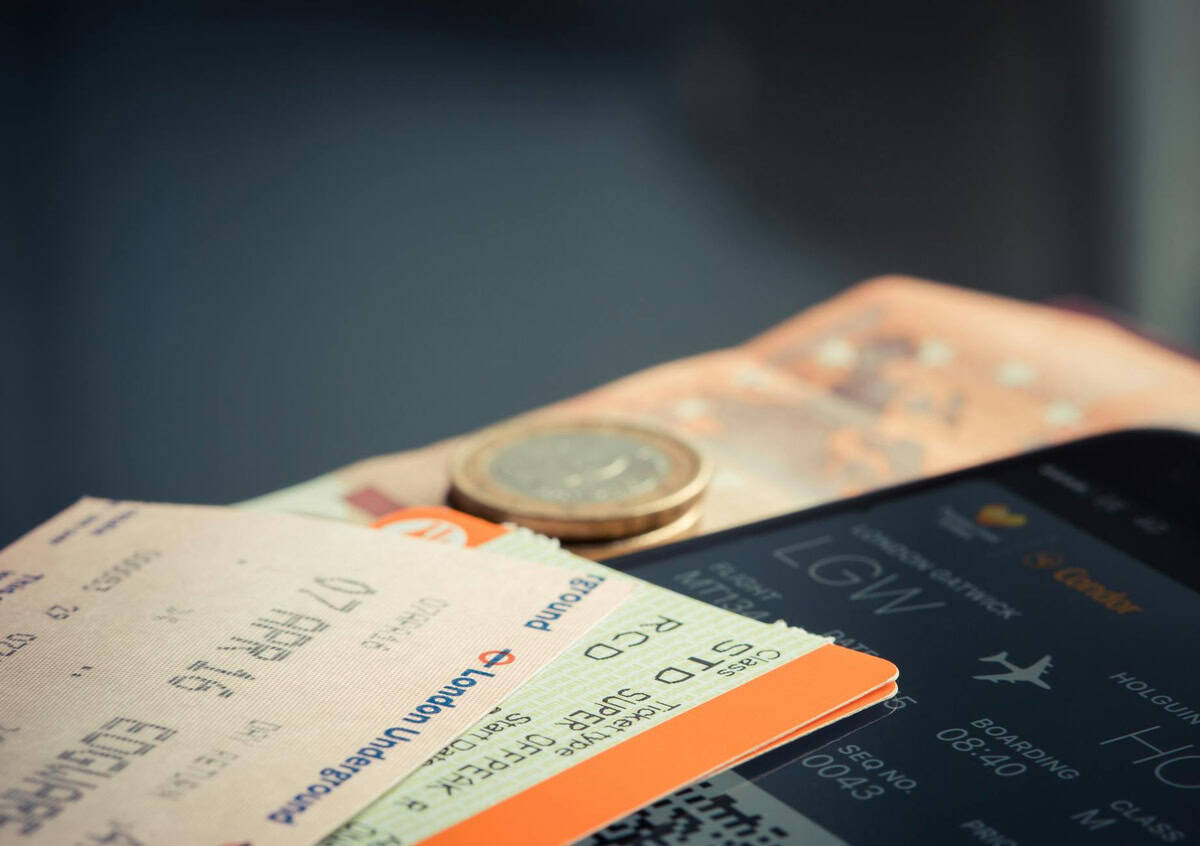
Having everything in one QR code reduces stress when you’re jet-lagged and navigating a foreign language.
Best European Hubs for Air-Rail Connections
Frankfurt Airport (Germany)
This is the gold standard. The ICE high-speed station connects to Cologne (1h), Stuttgart (1h 12m), Nuremberg (2h), and even Amsterdam (4h).
If your final stop is Heidelberg or Mainz, you can be there in under an hour without renting a car.
Paris Charles de Gaulle (France)
TGV trains run directly from the airport to Lyon (2h), Brussels (1h 30m), and Strasbourg (2h).
It’s often faster to reach Lyon this way than flying domestically.
Amsterdam Schiphol (Netherlands)
The train station sits under the terminal. Rotterdam is 25 minutes away. Brussels? About 2 hours.
I once landed at 8:10 a.m. and was eating lunch in Antwerp by 11:30.
Zurich Airport (Switzerland)
Swiss efficiency at its finest. Lucerne is 1 hour. Interlaken around 2 hours.
If you’re heading toward the Alps, this beats renting a car after a long-haul flight.
When Air-Rail Makes the Most Sense
- You’re visiting smaller cities like Cologne, Lyon, Salzburg, or Bologna.
- Short-haul flights are expensive or limited.
- You want EU passenger protection on the entire journey.
- You prefer city-center arrivals over remote airports.
- You’re traveling light and can handle your own luggage on the train.
When It’s Not Worth It
If your train leg is more than 4–5 hours, it might be too ambitious after a long-haul flight.
Also, if you’re planning a complex multi-city trip with lots of flexibility, separate bookings sometimes offer more control.
And if you’re booking accommodation separately, always secure your accounts and payment details. Large travel platforms have experienced breaches in the past — here’s what travelers should know if booking sites are compromised.
A Real-World Itinerary: US to Slovenia via Air-Rail
Let’s say you’re planning a trip to Lake Bled.
Instead of flying into Ljubljana (often pricier and with fewer direct routes), you could:
- Fly into Munich or Vienna on a transatlantic flight.
- Take a 4–5 hour train to Ljubljana.
- Continue by local train or car to Bled (45 minutes).
From there, you can follow something like this 5-day Slovenia road trip itinerary through Triglav National Park and the Soča Valley.
Often, this routing is €150–€300 cheaper than forcing a smaller airport connection.
Pro Tips From Someone Who’s Missed a Train Before
- Choose a train departure at least 90 minutes after landing.
- Avoid the last train of the day — delays happen.
- Download the national rail app (DB Navigator, SNCF Connect, ÖBB) as backup.
- Sit near luggage racks if you’re carrying large suitcases.
- Check platform numbers again after landing — they change.
The Environmental Bonus
High-speed rail emits significantly less CO₂ than short-haul flights. France has even banned certain domestic flights where rail alternatives under 2.5 hours exist.
If you’re trying to travel more sustainably without sacrificing speed, this is one of the easiest wins in Europe.
Cost Breakdown: Is It Actually Cheaper?
Let’s run rough numbers for a round-trip from New York:
- NYC → Frankfurt: €550
- Separate Frankfurt → Stuttgart train (round-trip): €120
- Total separate: €670
- Combined air-rail fare: ~€600–€630
You save money, gain protection, and reduce stress.
Final Verdict: Should You Book Air-Rail?
If you’re traveling to Europe and your destination isn’t a major hub, combined air-rail tickets are one of the smartest booking hacks available.
You’ll skip unnecessary short flights, arrive in city centers, and keep your itinerary protected under one reservation.
Next time you search for flights, try entering your final destination — not just the big airport. Europe’s rail network might surprise you.
And if you’ve used an air-rail combo before, I’d love to hear which route worked best for you.
Frequently Asked Questions
Are combined air-rail tickets cheaper than booking separately?
Often yes. Adding a rail segment typically costs €20–€50 more than the base flight, while separate high-speed train tickets can cost €60–€120 one way if booked late.
What happens if my flight is delayed and I miss the train?
If both segments are on one ticket, the airline usually rebooks you on the next available train at no extra cost. This protection does not apply if you book flight and rail separately.
Do airlines transfer luggage onto the train?
In most cases, no. You collect your luggage at the airport and bring it to the train platform yourself, which is usually located inside or directly connected to the terminal.
Which European airports have train stations inside the terminal?
Frankfurt, Zurich, Amsterdam Schiphol and Paris CDG all have integrated rail stations, with connections to cities 100–400 km away in 1–3 hours.

About the Author: Tomáš Bzirský
Founder and editor of Distratech. Based in the Czech Republic, travelling regularly from Central Europe. Writes practical travel guides and travel-tech comparisons (eSIM, apps, airports) in six languages.