


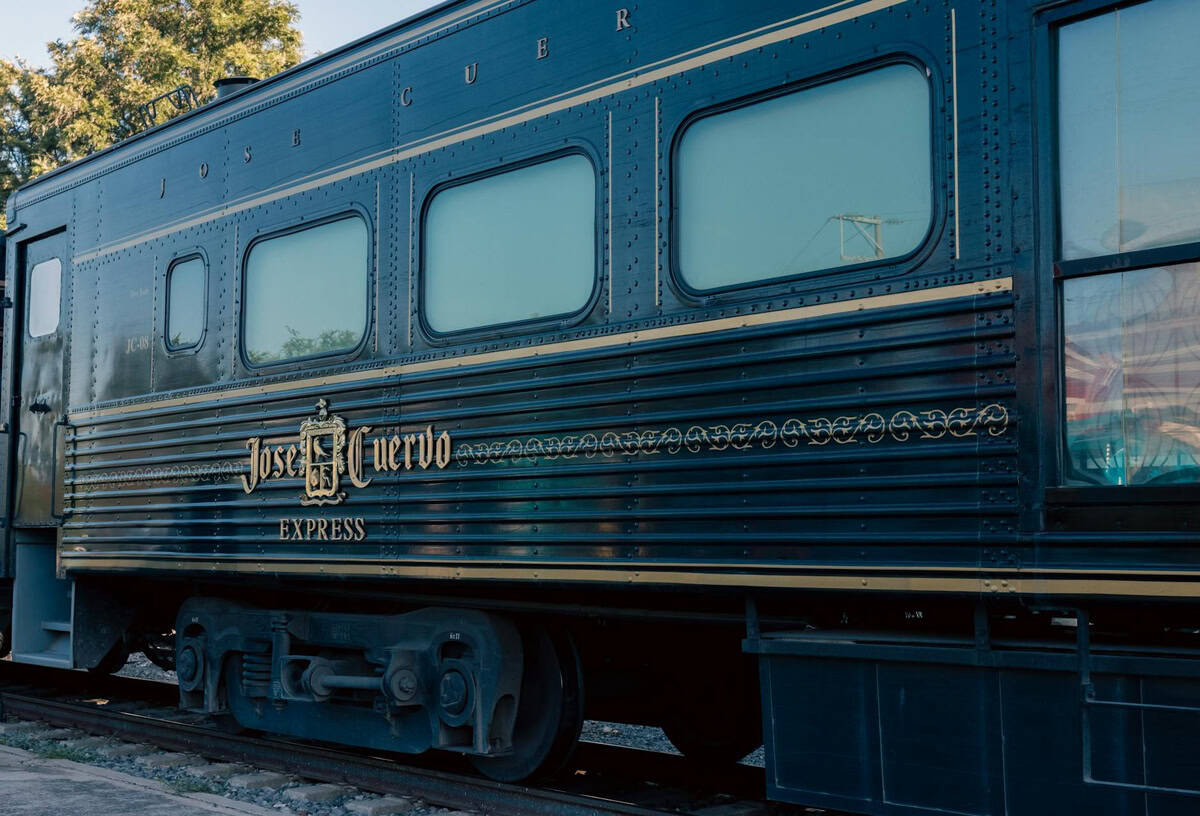
I’ve taken scenic trains in Switzerland, Japan, and Canada — but few surprised me like the Chepe Express in northern Mexico.
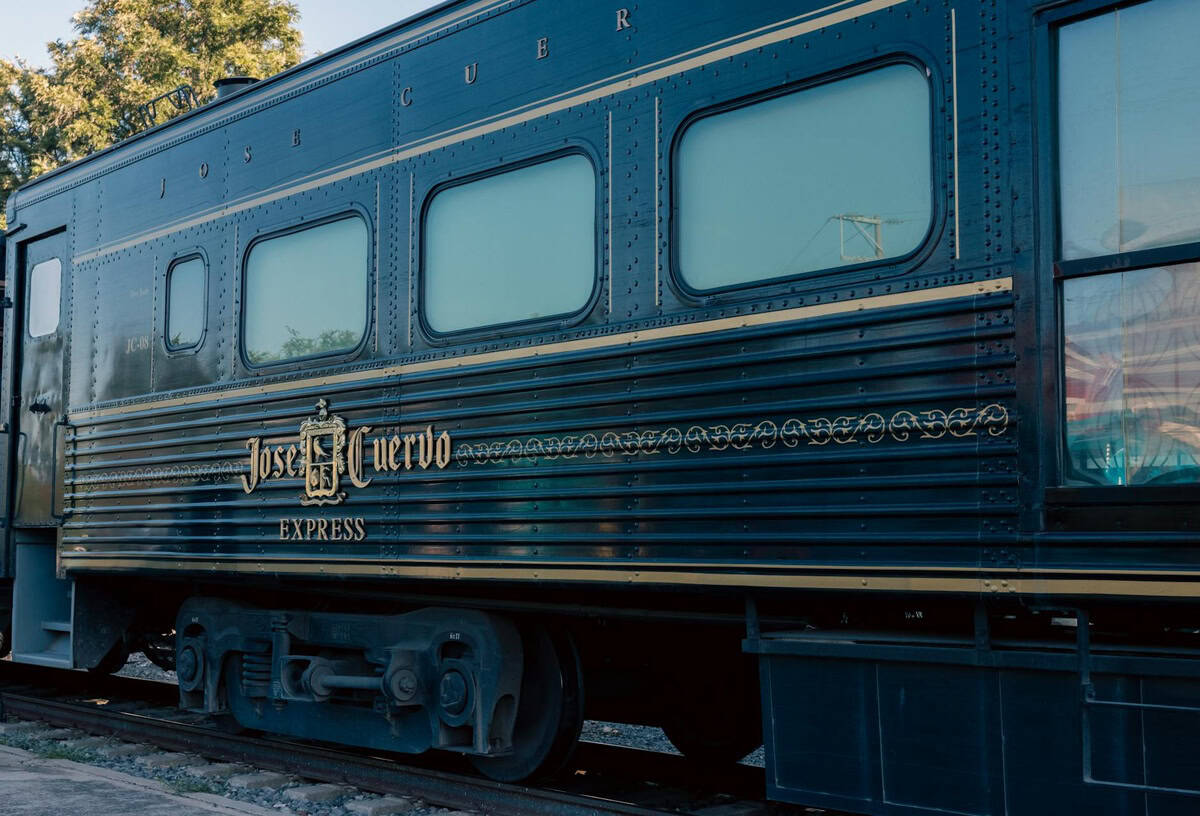
Over 350 kilometers (around 220 miles), this train slices through the Sierra Madre Occidental, climbs over 2,400 meters (7,900 feet), and crosses 86 tunnels and 37 bridges. One minute you’re in desert scrubland, the next you’re staring into copper-colored canyons four times larger than the Grand Canyon.
Key Takeaways
- The Chepe Express runs between Los Mochis and Creel, covering 350 km in about 9–10 hours.
- Expect to pay $100–$180 USD one-way depending on class and season.
- The most scenic stretch is between Divisadero and Creel, overlooking Copper Canyon.
- First Class gives access to the panoramic terrace car — worth the upgrade.
- Best travel months: October to April for cooler weather and clear canyon views.
Here’s how to plan it, where to stop, what to skip — and why this might be the most underrated train journey in North America.
What Is the Chepe Express?
The Chepe Express is Mexico’s only long-distance passenger train. It runs between Los Mochis (Sinaloa) on the Pacific coast and Creel (Chihuahua) in the mountains.
The full journey takes about 9 to 10 hours if you ride it straight through. But honestly? That would be a mistake.
The magic of the Chepe isn’t just the train — it’s hopping off in tiny mountain towns and canyon viewpoints along the way.
Classes, Prices, and What to Book
The Chepe Express offers three classes: Tourist, Executive, and First Class.
I rode Executive once and First Class once. I would not book Tourist again.
- Tourist: Basic seating, no dining car access. Cheapest option (~$100 USD).
- Executive: Access to restaurant car, better seats (~$140 USD).
- First Class: Panoramic windows, terrace bar car, premium seating (~$160–$180 USD).
The terrace car alone makes First Class worth it. Standing outside as the train curves around canyon cliffs? Unforgettable.
Tickets can sell out in high season (December, Semana Santa), so book at least 2–3 weeks ahead.
The Best Route Strategy (Don’t Do It in One Day)
You can travel either direction. I recommend starting in Los Mochis and heading inland — watching the landscape gradually rise into mountains feels cinematic.
Stop 1: El Fuerte (Optional but Charming)
About 1.5 hours from Los Mochis, El Fuerte is a small colonial town with colorful facades and cobblestone streets.
Stay one night if you like slow travel. Skip it if you’re short on time.
Stop 2: Divisadero — The Wow Moment
This is why you’re here.
Divisadero sits right on the rim of Copper Canyon. The train stops here for about 20–25 minutes, but you should absolutely overnight.
From the station, you can walk directly to canyon viewpoints — no taxi needed.
Things worth doing:
- Ride the Copper Canyon cable car (one of the longest in the world)
- Hike along the rim trails (free and spectacular)
- Try gorditas from local Rarámuri vendors
Tourist trap warning: the zipline park is fun but expensive (around $100 USD). If you’ve ziplined before, you can skip it.
Stop 3: Creel — Culture and Canyons
Creel feels like a Wild West mountain town at 2,300 meters elevation.
It’s also a gateway to Rarámuri (Tarahumara) communities, known for their long-distance running traditions.
From Creel, you can visit:
- Lago de Arareko (lake surrounded by rock formations)
- Valley of the Mushrooms and Frogs (bizarre rock shapes)
- Cusarare Waterfall (best after rainy season)
Creel is touristy — yes. But it’s also practical, with solid hotels, tour operators, and reliable Wi-Fi.
Food on the Chepe: Surprisingly Good
I expected microwaved meals. Instead, I got decent regional dishes.
In the dining car, you’ll find chilaquiles for breakfast, grilled arrachera steak, tacos, and local beer. Prices are higher than average Mexico — expect $12–$20 USD per meal.
Pro tip: Eat a full breakfast before boarding. The best views are mid-morning between Bahuichivo and Divisadero, and you won’t want to be stuck inside.
When to Ride the Chepe Express
The train runs year-round, but seasons change the experience dramatically.
- October–April: Cooler, clearer skies, best visibility.
- July–September: Lush green canyons, but afternoon rain likely.
- May–June: Hot and dry — least scenic.
I prefer late October. Crisp air, golden light, and fewer crowds.
Tech Tips for a Smoother Journey
This is remote Mexico. Plan accordingly.
- Download offline maps (Google Maps works well offline).
- Cell signal drops frequently between stations.
- Bring a power bank — outlets aren’t guaranteed at every seat.
- Screenshot your ticket in case email access fails.
If you’re connecting from the U.S., keep your boarding passes organized in Apple Wallet — especially with new mobile integrations airlines are rolling out. Distratech recently covered how iOS 26 boarding pass support makes travel smoother, and it genuinely helps when juggling flights and trains.
While Mexico doesn’t yet offer integrated air-rail tickets like Europe, it’s interesting to compare with how combined air-rail bookings work across Europe. For now, you’ll need to book flights to Los Mochis or Chihuahua separately.
Is the Chepe Express Worth It?
Short answer: yes — if you love landscapes.
If you’re expecting luxury like the Rocky Mountaineer, you might be disappointed. This isn’t five-star rail.
But if you want raw canyons, Indigenous culture, and one of the most dramatic train routes in the Americas, the Chepe delivers.
The moment that sold me? Standing on the terrace car as the train curved along a cliff edge, copper canyon walls glowing in late afternoon light.
No glass reflection. No filter. Just wind and wilderness.
How to Get There
Most travelers fly into:
- Los Mochis (LMM) — best starting point west to east
- Chihuahua (CUU) — if starting from Creel
From Los Mochis airport, it’s a 25-minute taxi to the train station (~$15 USD).
If you finish in Creel, buses connect to Chihuahua City in about 4 hours.
Final Thoughts: Slow Travel at Its Best
The Chepe Express isn’t just transportation. It’s perspective.
It reminds you how vast Mexico is — beyond beaches and resorts. Canyons, pine forests, Indigenous traditions, and tiny mountain towns most travelers never see.
If you’re building a North America rail bucket list, this belongs near the top.
Have you ridden the Chepe Express or are you planning to? Drop your questions — and if you love scenic rail journeys, explore more smart travel guides on Distratech.
Für alle, die nach dem Zugabenteuer in die Sierra eintauchen wollen: Hotels in Creel ansehen und die passende Unterkunft für Creel frühzeitig sichern.
Frequently Asked Questions
How much does the Chepe Express cost?
One-way tickets range from about $100 USD (Tourist Class) to $160–$180 USD (First Class), depending on season and availability. First Class is worth it for terrace access and panoramic views.
How long is the Chepe Express journey?
The full route between Los Mochis and Creel takes approximately 9–10 hours. Most travelers break it into 2–3 days with stops in Divisadero or Creel.
What is the best direction to travel on the Chepe?
West to east (Los Mochis to Creel) is more dramatic, as the train gradually climbs from sea level into the Sierra Madre mountains and Copper Canyon.
Is the Chepe Express safe for tourists?
Yes, the train route and main tourist towns like Divisadero and Creel are generally considered safe. As always, use normal travel precautions and avoid wandering remote areas alone at night.

About the Author: Tomáš Bzirský
Founder and editor of Distratech. Based in the Czech Republic, travelling regularly from Central Europe. Writes practical travel guides and travel-tech comparisons (eSIM, apps, airports) in six languages.