


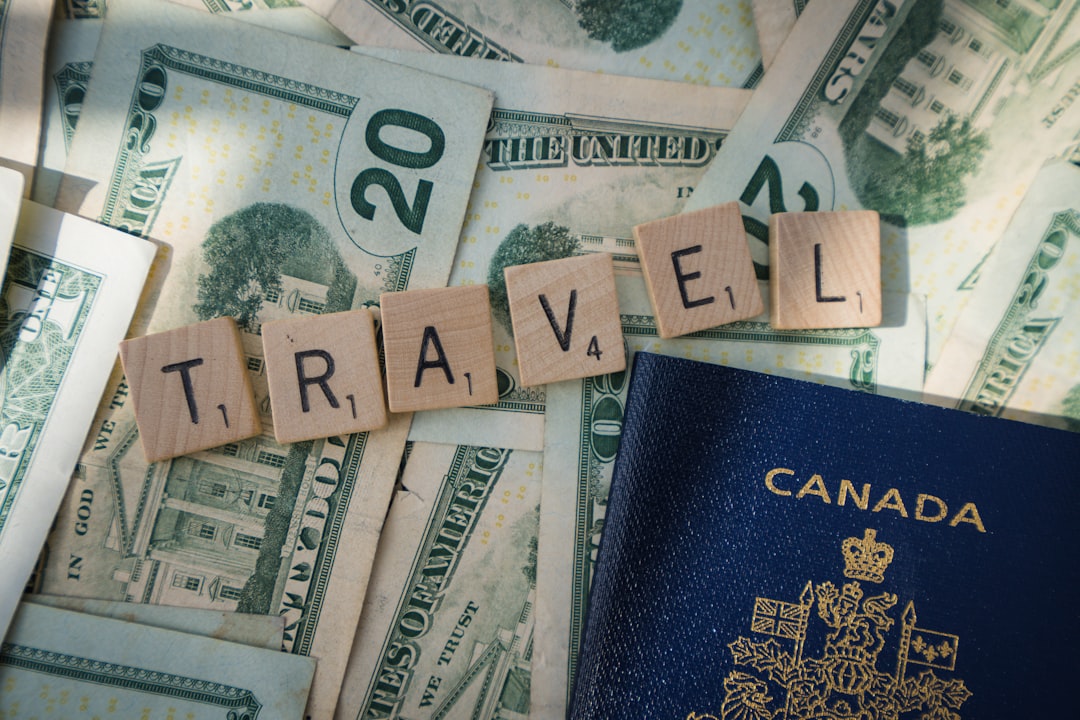
You’ve booked the flights, reserved the dream hotel, and mapped out your must-see attractions. Then a question pops up during checkout: “Would you like to add travel insurance?” You hesitate. Is it just another upsell—or a financial lifesaver?
Key Takeaways
- Comprehensive travel insurance typically covers trip cancellation, emergency medical expenses, evacuation (which can exceed $50,000), baggage loss, and travel delays.
- Insurance is especially worth it for expensive international trips costing $3,000+ in non-refundable bookings.
- Most domestic health insurance plans do not cover overseas medical care, where a single hospital visit can cost thousands of dollars.
- Policies usually exclude pre-existing conditions, extreme sports, and cancellations for personal reasons unless you add specific waivers.
- Reading the fine print before purchase helps prevent denied claims and ensures coverage matches your destination, travel dates, and activities.

Travel insurance can feel confusing, unnecessary, or even intimidating. But in the right situations, it can protect you from losing thousands of dollars and provide peace of mind when things don’t go as planned. In this guide, we’ll break down when travel insurance is truly worth buying, what it actually covers, and how to find the best policy for your trip.
1. What Travel Insurance Really Covers (And What It Doesn’t)
Before deciding whether to buy travel insurance, you need to understand what you’re paying for. Coverage varies by provider, but most comprehensive travel insurance plans include the following core protections:
- Trip Cancellation: Reimburses prepaid, non-refundable expenses if you must cancel due to covered reasons (illness, injury, death in the family, severe weather).
- Trip Interruption: Covers costs if your trip is cut short after it begins.
- Emergency Medical Expenses: Pays for medical treatment if you become ill or injured abroad.
- Emergency Medical Evacuation: Covers transport to the nearest suitable hospital—or even back home if medically necessary.
- Baggage Loss or Delay: Reimburses you for lost, stolen, or delayed luggage.
- Travel Delays: Covers meals, hotels, and essentials if your flight is significantly delayed.
However, travel insurance also has limitations. Most policies do not cover:
- Pre-existing medical conditions (unless you purchase a waiver)
- High-risk activities (like extreme sports) without added coverage
- Canceling simply because you changed your mind
- Travel to destinations with active government travel warnings
Always read the fine print. The difference between a frustrating denied claim and a smooth reimbursement often comes down to understanding the policy details before you buy.
2. When Travel Insurance Is Absolutely Worth It
Not every trip requires insurance. But in certain situations, it’s highly recommended—and sometimes essential.
1. Expensive International Trips
If you’ve spent thousands on flights, tours, and non-refundable hotels, travel insurance protects that investment. International travel often involves stricter cancellation policies and higher medical costs.
2. Traveling Abroad Without Health Coverage
Many domestic health insurance plans do not cover medical expenses overseas. A broken leg in Europe or food poisoning in Southeast Asia could cost far more than you expect. Emergency medical evacuation alone can exceed $50,000.
3. Complex Itineraries
Multi-city flights, cruises, guided tours, and connecting flights increase the risk of delays and disruptions. The more moving parts your trip has, the more valuable insurance becomes.
4. Peak Travel Seasons
Hurricane season, winter storm months, or busy holiday travel periods raise the risk of cancellations and delays.
5. Cruises
Cruise insurance is often worth considering because missed departures, medical emergencies at sea, or itinerary changes can be costly.
On the other hand, travel insurance may not be necessary for:
- Short domestic trips
- Low-cost flights with flexible cancellation policies
- Trips where most bookings are fully refundable
Think of travel insurance as financial risk management. If losing the money you’ve invested would cause serious stress, coverage may be worth the price.
3. How to Choose the Best Travel Insurance Policy
Not all policies are created equal. The best travel insurance policy is the one that fits your specific trip and risk level.
Here’s how to choose wisely:
- Compare Multiple Providers: Use reputable comparison sites to evaluate pricing, coverage limits, and reviews side by side.
- Check Coverage Limits: Ensure medical coverage is at least $100,000 for international trips. Medical evacuation coverage should ideally exceed $250,000.
- Look for “Cancel for Any Reason” (CFAR): This optional upgrade allows more flexibility but typically reimburses 50–75% of trip costs.
- Review Deductibles: Lower premiums often come with higher deductibles.
- Read Customer Reviews: Focus on claim processing speed and customer service responsiveness.
- Understand Exclusions: Pay attention to adventure sports clauses, alcohol-related incidents, and pre-existing condition rules.
Timing matters too. Purchase travel insurance soon after booking your trip—often within 14–21 days—to qualify for certain benefits, including pre-existing condition waivers.
Finally, keep documentation. Save receipts, booking confirmations, medical reports, and delay notifications. Filing a claim without paperwork is nearly impossible.
4. Smart Ways to Save Money on Travel Insurance
Travel insurance doesn’t have to break your budget. With a few strategic choices, you can get solid coverage at a reasonable cost.
1. Skip Duplicate Coverage
Check what you already have. Some credit cards offer built-in trip cancellation, delay, or rental car insurance benefits when you use the card to pay for your trip.
2. Choose Only What You Need
If you’re not participating in adventure sports, don’t pay extra for hazardous activity coverage. Tailor the plan to your itinerary.
3. Consider Annual Policies
If you travel multiple times per year, an annual multi-trip policy may cost less than buying individual plans for each journey.
4. Adjust Coverage Limits Carefully
Insure only the non-refundable portion of your trip. There’s no need to cover refundable bookings.
5. Buy Early
Waiting too long can limit your options, especially for added benefits like CFAR or pre-existing condition waivers.
On average, travel insurance costs between 4% and 10% of your total trip price. For a $5,000 vacation, that’s roughly $200–$500—a relatively small amount compared to the potential financial loss of a canceled or disrupted trip.
Conclusion: Peace of Mind Is the Real Destination
Travel insurance isn’t about expecting disaster—it’s about preparing wisely. From sudden illness to missed flights and unexpected emergencies, travel comes with variables you simply can’t control.
The key is evaluating your personal risk tolerance, trip cost, destination, and health coverage. For high-value or international trips, travel insurance is often a smart investment. For simple domestic getaways with flexible bookings, it may be optional.
Before your next adventure, take a few minutes to compare policies, read the fine print, and make an informed decision. The right travel insurance plan won’t just protect your wallet—it will give you the freedom to explore with confidence.
Ready to plan smarter? Start comparing travel insurance options today and ensure your next trip is protected from takeoff to touchdown.
Frequently Asked Questions
Is travel insurance worth it for international trips?
Yes, especially if you’ve spent $3,000 or more on non-refundable flights and hotels. International medical emergencies can cost thousands of dollars, and medical evacuation alone can exceed $50,000.
How much does travel insurance typically cost?
Most comprehensive policies cost between 4% and 10% of your total trip price. For a $5,000 trip, you can expect to pay roughly $200 to $500 depending on coverage limits and your age.
Does travel insurance cover pre-existing medical conditions?
Standard policies usually exclude pre-existing conditions unless you purchase a waiver. Many providers require you to buy coverage within 14–21 days of your initial trip deposit to qualify for that waiver.
What does travel insurance not cover?
Most plans do not cover cancellations because you changed your mind, high-risk activities like extreme sports without add-ons, or travel to destinations under active government warnings. Always review exclusions before purchasing.
Do I need travel insurance if I have health insurance?
Many domestic health insurance plans provide little to no coverage outside your home country. Without travel insurance, you could be responsible for overseas hospital bills, emergency transport, and evacuation costs.

About the Author: Tomáš Bzirský
Founder and editor of Distratech. Based in the Czech Republic, travelling regularly from Central Europe. Writes practical travel guides and travel-tech comparisons (eSIM, apps, airports) in six languages.