


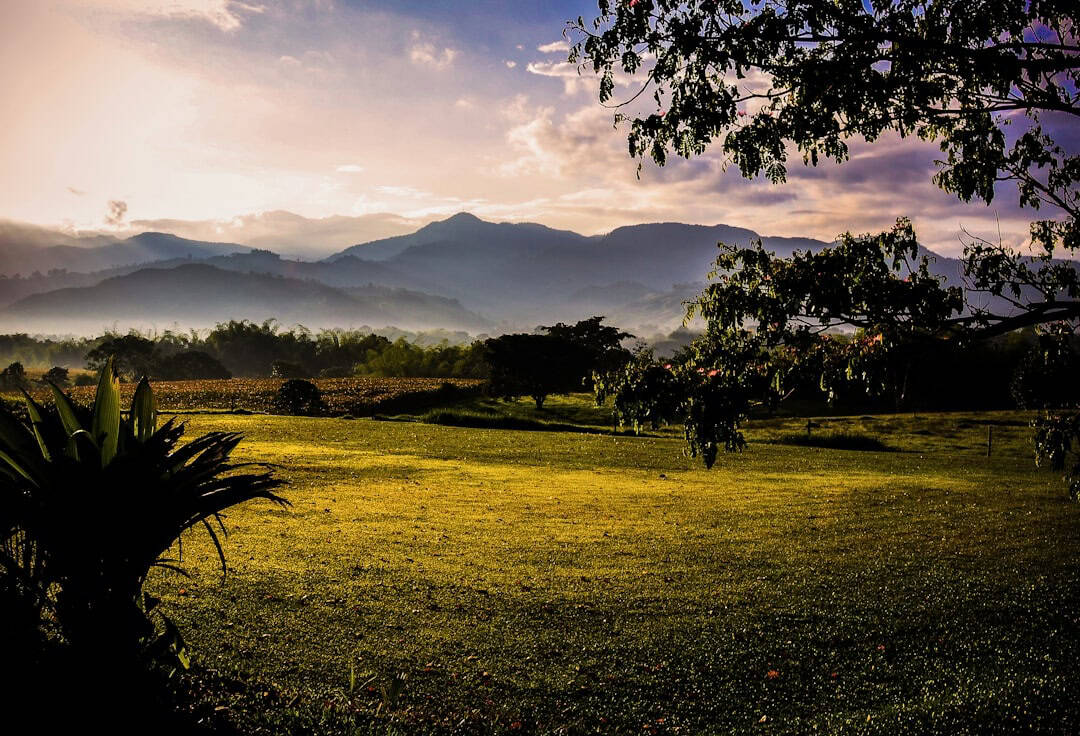
I arrived in Salento on a rickety jeep from Armenia, paid 10,000 COP (about $2.50), and within 30 minutes I was staring at rolling green hills that looked like someone turned the saturation up to 100. Colombia’s Coffee Region (Eje Cafetero) is that rare place that lives up to the Instagram hype — and still feels authentic if you know where to go.
This guide breaks down exactly how to explore Salento, hike the Cocora Valley, and stay on a working coffee farm — with real prices, distances, and honest opinions.
Key Takeaways
- Jeep from Salento to Cocora Valley costs 10,000 COP round-trip and runs every 30 minutes.
- Full Cocora Valley loop hike takes 4–6 hours and covers about 12 km.
- Coffee farm tours cost 30,000–45,000 COP and last 1.5–2 hours.
- Best months to visit are December–March and July–August (drier weather).
- Expect to spend $35–$80 per night for a quality finca (coffee farm stay).
Why Base Yourself in Salento?
Salento is the colorful gateway to Cocora Valley — and yes, it’s touristy. But it’s charming-touristy, not Cancun-touristy.
The town is small enough to walk across in 15 minutes. Calle Real is lined with painted balconies, craft shops, and solid coffee spots. It’s lively but still feels like a mountain town, not a resort.
Skip staying in Armenia or Pereira unless you need airport convenience. Salento is where the atmosphere is.
Day 1: Coffee Farms (Fincas) — Where the Magic Happens
If you only do one organized activity here, make it a coffee tour.
This region produces some of Colombia’s best arabica beans, and small family-run fincas give far better experiences than the big commercial operations.
Best Coffee Farm Tours in Salento
Finca El Ocaso — 40,000 COP. Easy 40-minute walk from town. Solid, educational, slightly more polished.
Finca Las Acacias — 30,000 COP. Smaller, more intimate, and less crowded.
Finca Don Elias — Around 35,000 COP. Rustic and family-run — my personal favorite.
Tours last about 90 minutes. You’ll pick beans, see the washing and drying process, and grind your own cup. It’s hands-on, not just a lecture.
Pro tip: go in the morning (9–11am). Afternoons can be muddy, and thunderstorms roll in fast.
Should You Stay on a Coffee Farm?
Yes. Absolutely yes.
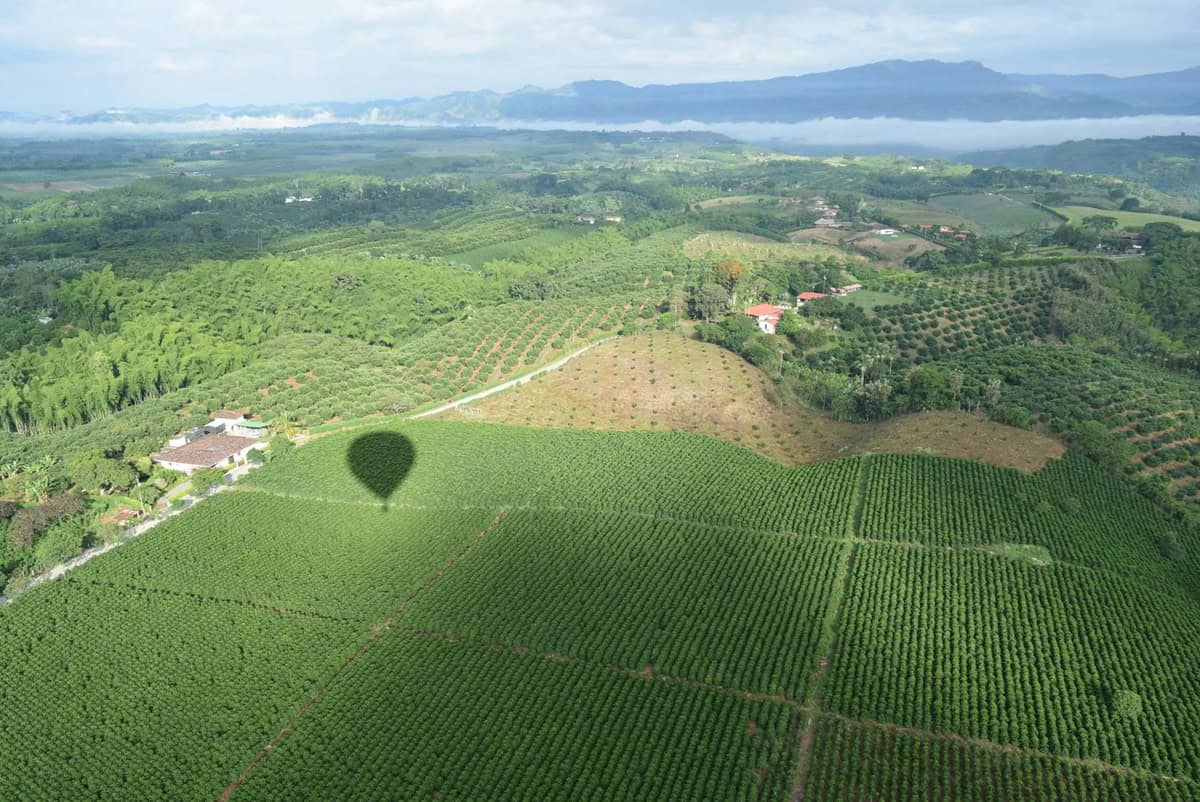
Staying at a finca means waking up to mist over coffee plants and birds you’ve never heard before. Prices range from $35 for simple rooms to $80+ for boutique-style stays.
Look for places 10–20 minutes outside town for the best views. Wi-Fi is usually decent but not blazing — download maps offline just in case.
Day 2: Hiking the Cocora Valley
Cocora Valley is why most people come — those impossibly tall wax palms (the tallest palm trees in the world, up to 60 meters).
From Salento’s main square, hop in a green Willys jeep. It costs 10,000 COP round-trip and takes 25–30 minutes.
The Cocora Valley Loop Hike
Do the full loop. It’s about 12 km and takes 4–6 hours depending on how often you stop for photos (you will stop a lot).
The hike includes:
- Open valleys filled with towering wax palms
- Cloud forest trails with hanging bridges
- A hummingbird sanctuary (optional 20,000 COP entry with drink)
- Steep, muddy sections — wear real shoes
Go counterclockwise. It gets the steep climb out of the way early and saves the best palm views for the descent.
Start before 9am. After 11am, tour groups arrive and the magic fades a bit.
Where to Eat in Salento (Skip the Tourist Traps)
Not every restaurant on Calle Real is good. Some exist purely for Instagram.
Brunch de Salento — Excellent breakfasts and strong coffee. Expect 25,000–35,000 COP.
Cumari — Colombian fusion done right. Their trout is better than most “trucha” spots in town.
Bernabé Café & Bistro — Good for dinner and wine, less backpacker vibe.
Skip the overly decorated “trucha al ajillo” restaurants with laminated menus in five languages. If someone is aggressively inviting you inside, keep walking.
Getting There (And Smart Booking Tips)
Most travelers fly into Pereira (Matecaña International Airport). From there, it’s a 1-hour taxi (about 120,000 COP) or a bus via Armenia for under 30,000 COP total.
If you’re planning a bigger Colombia or Latin America trip, think about how you connect flights and ground transport. In Europe, I often recommend combined flight-and-train tickets to simplify connections. Colombia doesn’t fully integrate bookings like that yet, so pad your transfer times generously.
Buses between Medellín and Salento take 6–7 hours and cost around 70,000 COP. Roads are winding — don’t plan important Zoom calls that day.
When Is the Best Time to Visit Colombia’s Coffee Region?
December to March is your safest bet for dry weather. July and August are also relatively dry.
April–May and October–November are rainier. Trails in Cocora turn into mud slides — doable, but messier.
Temperatures stay between 18–24°C (65–75°F) year-round. Evenings are cool. Bring a light jacket.
How Many Days Do You Need?
Two full days is the minimum.
Three days is ideal — one for coffee farms, one for Cocora Valley, and one to slow down and enjoy the countryside.
If you’re comparing scenic train journeys in Latin America, the experience here is different from something like the Chepe Express through Mexico’s Copper Canyon. That trip is about dramatic landscapes from a train window. Salento is about hiking into the landscape and getting your boots muddy.
Practical Tips for Visiting Salento & Cocora Valley
- Bring cash. Many fincas and small restaurants don’t accept cards.
- Download offline Google Maps. Cell service drops in Cocora Valley.
- Wear waterproof hiking shoes. The mud is real.
- Start early. Both for weather and fewer crowds.
- Don’t rush out. Sunsets over the hills are underrated.
Is Salento Worth It?
Yes — but only if you engage with it properly.
If you just take selfies on Calle Real and leave, you’ll think it’s overhyped. If you wake up at dawn on a coffee farm, hike through cloud forest mist, and drink freshly roasted beans grown 20 meters away — you’ll understand why this region is special.
Colombia’s Coffee Region isn’t about ticking a box. It’s about slowing down.
If you’re planning a Colombia itinerary, add Salento for at least two nights. You’ll leave caffeinated, slightly muddy, and already thinking about coming back.
For your stay in Salento, browse options here: Hotels in Salento ansehen.
Frequently Asked Questions
How much does it cost to visit Cocora Valley?
The jeep from Salento costs 10,000 COP round-trip. The main hiking trail is free, but optional stops like the hummingbird sanctuary cost about 20,000 COP including a drink.
How many days do you need in Salento?
Two full days is the minimum to cover a coffee tour and Cocora Valley hike. Three days lets you relax and enjoy a finca stay without rushing.
Is Salento safe for tourists?
Yes, Salento is generally safe and very tourist-friendly. Use normal precautions at night and avoid isolated trails after dark.
When is the best time to visit Colombia’s Coffee Region?
December to March offers the driest weather. July and August are also good, while April–May and October–November tend to be rainier.

About the Author: Tomáš Bzirský
Founder and editor of Distratech. Based in the Czech Republic, travelling regularly from Central Europe. Writes practical travel guides and travel-tech comparisons (eSIM, apps, airports) in six languages.