I’ve spent the past three springs zigzagging across the Balkans on $40 buses, €3 espressos, and last-minute guesthouses that cost less than a cocktail in Paris. And here’s what I can tell you: the secret is getting out.
With Croatia maxed out and Dubrovnik cruise ships back in full force for summer 2026, travelers are spilling into neighboring cities that, until recently, felt blissfully local. If you want cobblestone streets, Ottoman bridges, and Adriatic sunsets without elbowing through selfie sticks, this is your window.
Key Takeaways
- Late spring (May–June 2026) offers ideal weather and prices 20–30% lower than July–August.
- You can find boutique stays in most of these cities for €40–€90 per night.
- Regional buses between cities often cost under €25 for 3–5 hour routes.
- Visit before mid-July 2026, when festival season and cruise overflow drive crowds up.
1. Kotor, Montenegro (Yes, Before It Fully Blows Up)
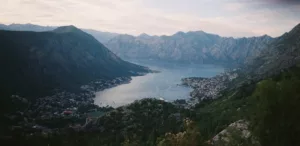
Kotor isn’t exactly unknown — but most people only see it for four hours on a cruise stop. Stay overnight and it’s a different city entirely.
Wake up early and hike the 1,350 steps to San Giovanni Fortress before 8 a.m. It’s €15 to enter, but the view over the Bay of Kotor — fjord-like and surreal — is worth every cent.
Avoid restaurants directly on the main square. Instead, head to Konoba Scala Santa for seafood risotto around €18 and local Vranac wine for €4 a glass.
Why now? Cruise traffic is expected to increase again in summer 2026. Visit in late May or early June for warm swim weather without peak congestion.
2. Mostar, Bosnia & Herzegovina
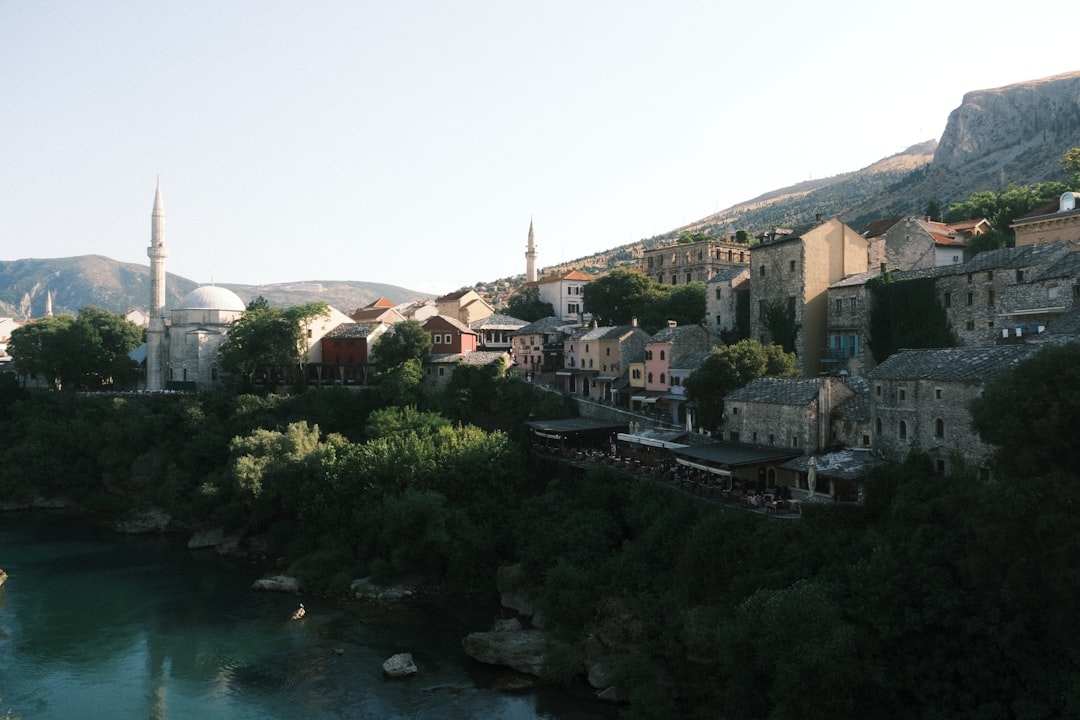
Everyone comes for Stari Most, the iconic Ottoman bridge. Most leave after two hours.
Stay the night. When day-trippers return to Dubrovnik (a 2.5-hour drive), Mostar becomes calm and golden. The call to prayer echoing at sunset is one of the most atmospheric travel moments in Europe.
Dinner at Šadrvan costs about €12–€15 for a massive mixed grill platter. And yes, it’s touristy — but it’s good.
Pro tip: Take a €10 local bus to Blagaj Tekke, a 16th-century monastery built into a cliff beside turquoise water.
3. Novi Sad, Serbia
Belgrade gets the hype. Novi Sad gets the charm.
Just one hour by train (around €8) from Belgrade, this city feels Central European — pastel facades, relaxed cafés, and the massive Petrovaradin Fortress overlooking the Danube.
July brings the EXIT Festival, which will spike prices in 2026. Come in June instead: sunny weather, riverside beach bars, and apartments from €45 per night.
Coffee culture here is serious. Expect to pay €2–€3 for third-wave quality.
4. Ohrid, North Macedonia
If Lake Como and a medieval monastery town had a Balkan cousin, it would be Ohrid.
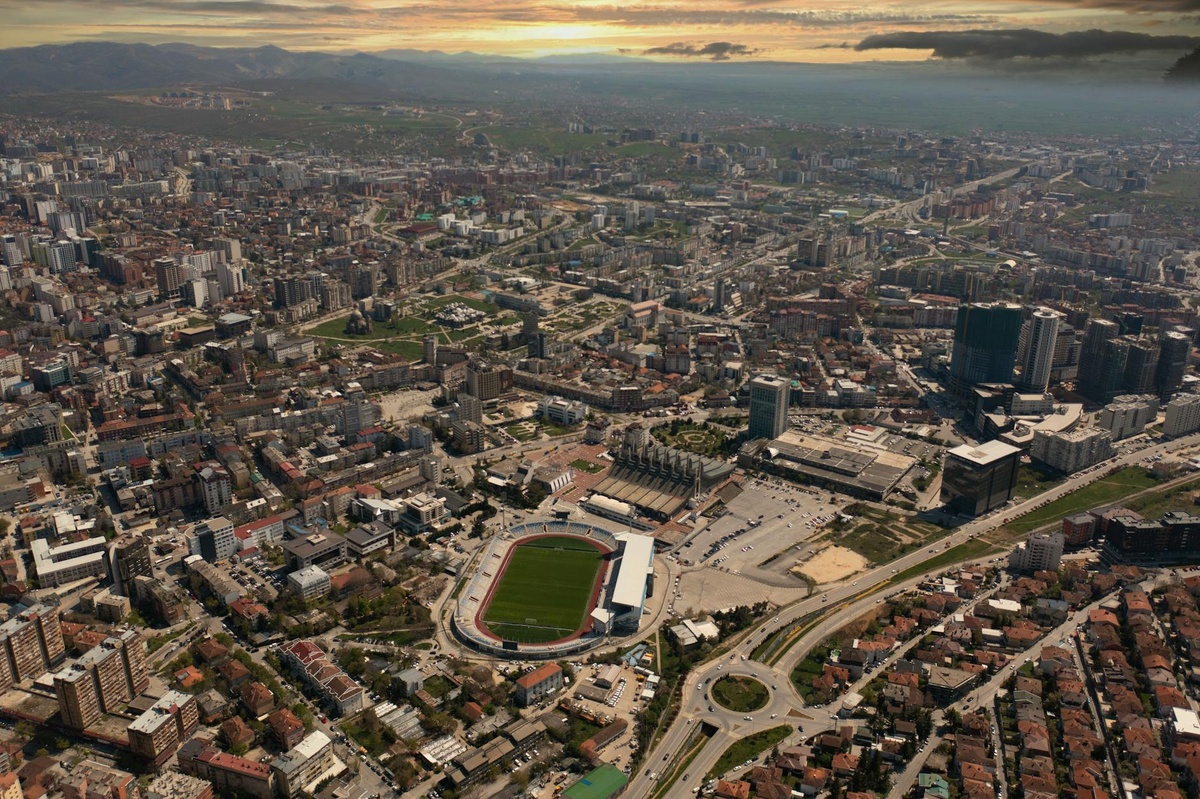
The lake is swimmable by late May, and boat tours cost around €10–€15 per person. The Church of St. John at Kaneo at sunset? Unreal.
Fresh trout from the lake runs about €9–€14 at local restaurants. Pair it with rakija and you’re set.
Ohrid still flies under the radar, but digital nomads have started whispering about it. Expect that to change by 2027.
5. Gjirokastër, Albania
Albania is having a moment — especially its beaches. (If you’re planning a coastal escape, check out our roundup of the best late-spring beach destinations in Europe for June 2026 for smart timing tips.)
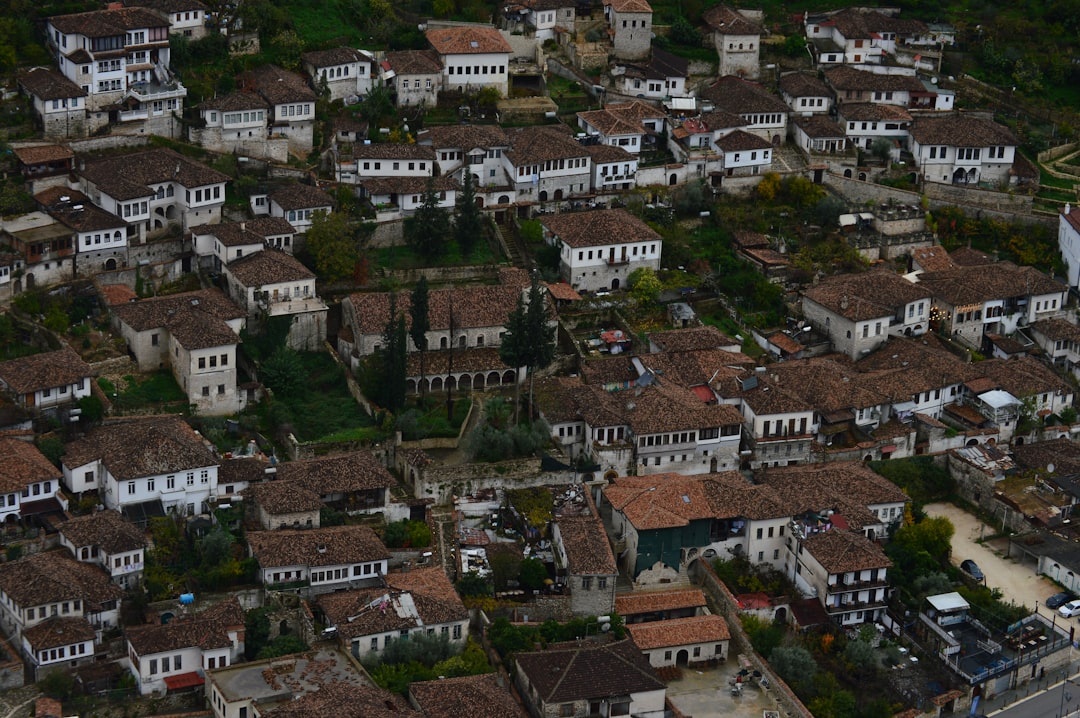
But inland Gjirokastër is where you’ll find stone-roofed Ottoman houses climbing up a hillside beneath a dramatic castle.
Entry to Gjirokastër Castle is about €4. A traditional lunch (qifqi rice balls and lamb) will cost under €10.
It’s quieter than Berat and feels more lived-in. Visit before Albania’s infrastructure upgrades — new highways are making access much easier in 2026.
6. Timișoara, Romania
Romania’s western city surprised me the most.
Timișoara has elegant squares that rival Vienna, but cappuccinos cost €2 and craft beers €3–€4. It was a European Capital of Culture recently, and the creative energy stuck around.
The Bega River promenade is perfect for cycling. Rentals cost about €10 for half a day.
It’s also a smart entry point for a Balkan road trip — well-connected, but not overrun.
7. Prizren, Kosovo
Prizren feels like a place time forgot — in the best way.
Cobbled streets, Ottoman architecture, and mountain views from the fortress (free entry). By late afternoon, locals gather along the river for coffee that costs €1.50.
Kosovo remains one of Europe’s least-visited countries, but improved regional bus routes in 2026 are making it easier to include on multi-country itineraries.
If you want somewhere that still feels genuinely undiscovered, this is it.
Practical Tips for Visiting the Balkans in 2026
- Use buses strategically: FlixBus and regional lines connect most cities cheaply, but book 2–3 days ahead in summer.
- Carry some cash: Smaller restaurants and guesthouses often prefer euros or local currency.
- Avoid July peak weeks: Prices jump 25–40%, especially near the Adriatic.
- Check border rules: Some crossings are slow in summer — allow extra time.
- Protect your tech: Public Wi-Fi is common; use VPNs and enable travel-safe phone settings (these smartphone security features for travelers are worth activating).
When Is the Best Time to Visit?
Right now — late May through June 2026 — is the sweet spot.
You’ll get 20–28°C (68–82°F) temperatures, swimmable water in coastal and lake regions, and prices before the July spike. September is another excellent option, especially for wine regions in Serbia and Romania.
If beaches are your main goal, pair one of these cities with a few days on the coast. For ideas that won’t wreck your budget, see our guide to budget-friendly beach destinations for summer 2026.
Final Thoughts: Go Now, Not in 2028
The Balkans today feel like Portugal did 15 years ago — affordable, authentic, and just starting to trend.
Once major airlines expand more direct routes (several are planned for late 2026), prices will rise and boutique hotels will book out months in advance.
If you’re craving Europe without the Western Europe chaos, pick one or two of these cities and build a loop. You’ll spend less, eat better, and come home with stories no one else has heard yet.
Have a favorite Balkan city I missed? Let me know — I’m already planning my next route.
Frequently Asked Questions
What is the cheapest Balkan city to visit in 2026?
Prizren (Kosovo) and Mostar (Bosnia & Herzegovina) are among the cheapest, with meals under €10 and guesthouses from €30–€50 per night. Daily budgets of €35–€60 are realistic.
When is the best time to visit the Balkans?
Late May to June and September offer warm weather (20–28°C), fewer crowds, and prices 20–30% lower than July–August peak season.
Is it easy to travel between Balkan countries?
Yes, buses connect most major cities for €10–€25 per route. Border crossings can be slow in summer, so allow extra time and carry your passport.
Are the Balkans safe for travelers?
Generally yes — violent crime is rare in tourist areas. Use normal precautions, watch for pickpocketing in busy spots, and secure your devices on public Wi-Fi.

About the Author: Tomáš Bzirský
Founder and editor of Distratech. Based in the Czech Republic, travelling regularly from Central Europe. Writes practical travel guides and travel-tech comparisons (eSIM, apps, airports) in six languages.