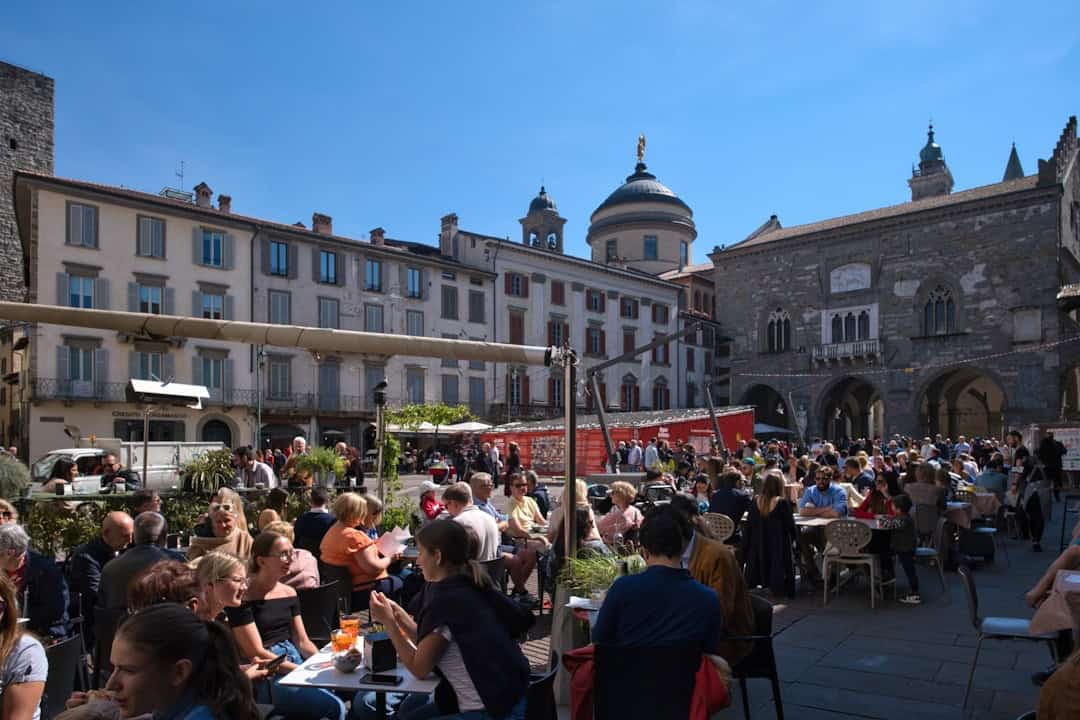
Last July, I found myself standing in a medieval square in Belgium at 11 a.m., sipping a cold Trappist beer and eating fries drowning in mayonnaise. By sunset, I’d tasted six small-batch brews and spent less than €35. That’s the magic of European food festivals in summer — they’re affordable, hyper-local, and wildly fun.
Summer 2026 is shaping up to be huge. With more cities pushing open-air events and travel demand still strong (even after the recent shakeups in budget aviation — see our take on what’s happening with budget travel now), food festivals are drawing bigger crowds and better chefs than ever.
Key Takeaways
- Most major European summer food festivals run June–September 2026, with peak dates in July.
- Expect to spend €25–€60 per day on tastings at most festivals.
- Seafood festivals are strongest in Spain, Italy, and coastal France.
- Book accommodation at least 3–4 months early for July and August events.
1. Taste of London – United Kingdom (June 2026)
Regent’s Park turns into a gourmet playground every June. In 2026, expect more than 40 of London’s best restaurants serving tasting plates for £6–£8 each.
Go on a weekday afternoon if you can — evenings get packed. I recommend heading straight to the smaller independent stalls; the big-name spots draw long queues and honestly aren’t always better.
Entry: around £20–£25. Budget £40 total for a solid grazing session.
2. Fête de la Gastronomie – France (June 2026)
This isn’t one single festival — it’s a nationwide celebration of French food. Paris, Lyon, Bordeaux, and smaller towns all host pop-ups, wine tastings, and street markets.
Lyon is my pick. It’s less chaotic than Paris and deeply serious about food. Many events are free; tastings usually run €5–€10.
Pair this with a few days in Portugal afterward — our 5-day Lisbon and Porto itinerary fits perfectly into a longer European summer trip.
3. Festa del Redentore Food Stalls – Venice, Italy (July 18–19, 2026)
Most people go for the fireworks. I go for the temporary lagoon-side food stands.
You’ll find fried soft-shell crab, grilled seafood skewers, and prosecco flowing everywhere. Expect to pay €8–€12 per dish.
Pro tip: avoid the stalls closest to St. Mark’s Square — they’re pricier and more touristy. Walk 15–20 minutes into quieter neighborhoods like Dorsoduro.
4. La Tomatina – Buñol, Spain (August 26, 2026)
Yes, it’s chaotic. Yes, it’s messy. But the week-long lead-up includes incredible Valencian street food and affordable paella in giant pans.
Festival ticket: about €15–€20. A proper paella portion: €7–€10.
Stay in Valencia (40 minutes by train) instead of Buñol — better hotels and beaches for late August heat.
5. Galway International Oyster & Seafood Festival – Ireland (September 2026)
Technically late summer, but still prime festival season.
Fresh Atlantic oysters, chowder competitions, and live music take over Galway’s harbor. A half-dozen oysters costs around €12–€18 depending on variety.
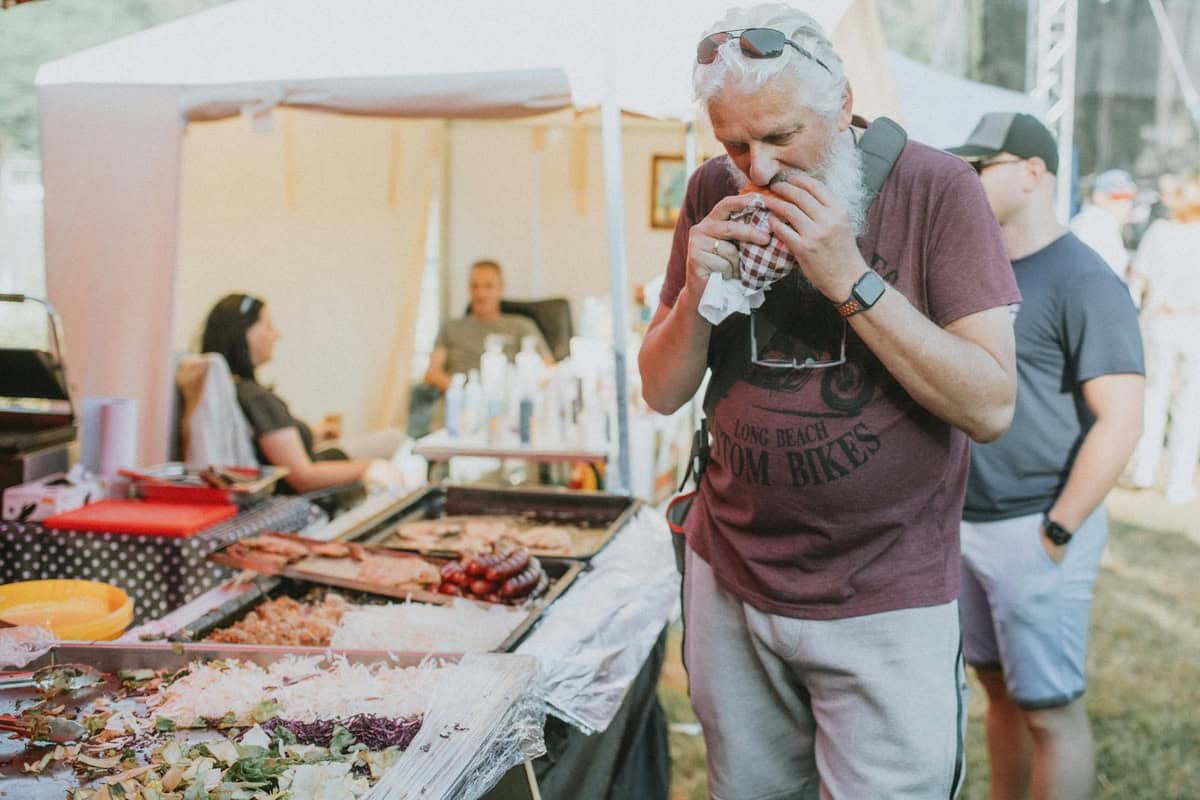
It’s smaller and more intimate than you’d expect — and much more authentic than Dublin’s big-ticket events.
6. Feria de Málaga – Spain (August 15–22, 2026)
This is where Andalusia shows off.
Daytime feria in the city center means tapas, sweet Málaga wine, and fried anchovies for just a few euros a plate. Nighttime moves to the fairgrounds with bigger crowds and louder music.
Budget €30–€50 for a full day of eating and drinking.
7. Salon du Chocolat – Brussels Summer Edition (July 2026)
Belgium doesn’t play when it comes to chocolate.
Artisan chocolatiers offer tastings for €2–€5, and workshops run about €15–€25. Go early — by afternoon, the best pralines sell out.
Skip the generic tourist chocolate shops near Grand Place and save your money for festival exclusives.
8. Sagra del Pesce – Camogli, Italy (May 2026)
Late May on the Italian Riviera is perfect — warm but not sweltering.
Camogli fries fresh fish in one of the largest pans in Europe. A generous paper cone costs around €10.
It’s an easy 45-minute train ride from Genoa, making it a smart add-on to a Liguria trip.
9. Dingle Food Festival – Ireland (June 2026)
Dingle feels like a postcard — colorful houses, fishing boats, Atlantic breeze.
This festival celebrates local seafood, artisan cheese, and Irish craft beer. Tastings typically range from €3–€8.
Rent a car to explore the peninsula. And if you’re road-tripping, check your in-car tech — newer CarPlay integrations with AI assistants are changing how travelers navigate and find local spots (more on why that matters in our coverage of CarPlay’s new AI chatbot support).
10. Street Food Festival Berlin – Germany (July–August 2026)
Berlin’s summer street food scene is bold, messy, and creative.
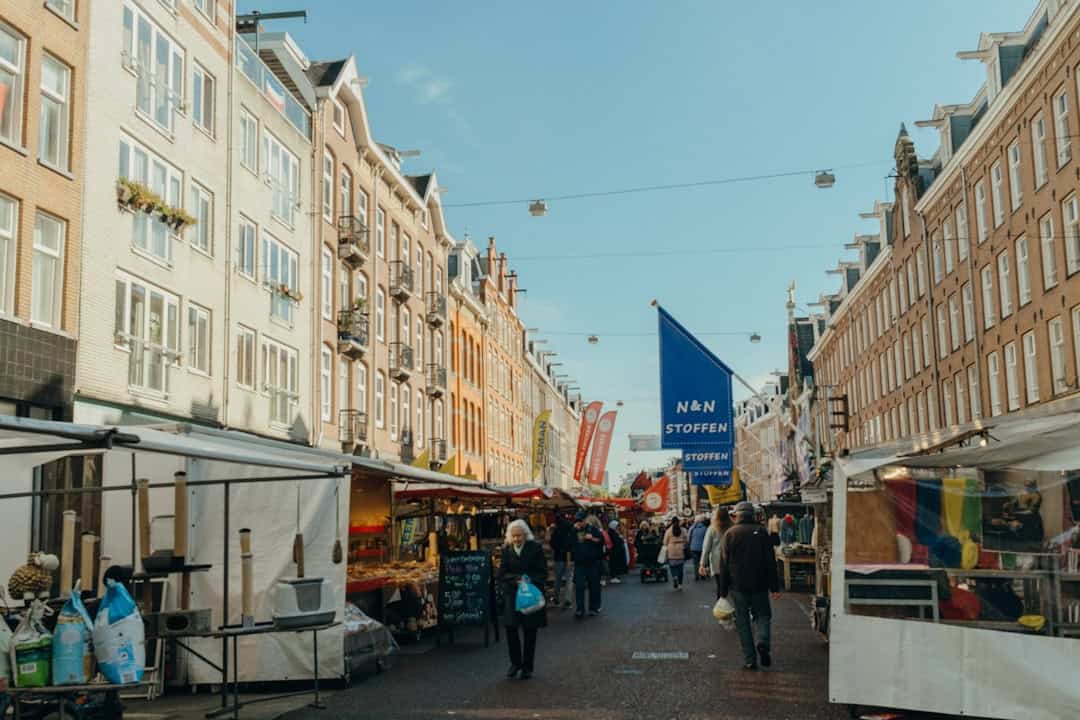
Expect Turkish gözleme, Korean fried chicken, craft cocktails, and vegan everything. Dishes run €6–€12.
It’s less traditional than the others on this list — but if you love global flavors, this is one of Europe’s most exciting food events.
How to Plan a European Food Festival Trip (Without Overpaying)
Summer 2026 travel demand is high, especially in Southern Europe. Here’s how I’d approach it:
- Book lodging 90–120 days early for July and August events.
- Stay outside historic centers and use public transit (often €2–€3 per ride).
- Set a daily tasting budget of €40 to avoid overspending.
- Go midday for better access — evenings are crowded and hotter.
- Bring contactless payment; most stalls no longer accept cash-only.
Also check local heat advisories. Southern Spain and Italy can hit 35°C (95°F)+ in August. Hydration matters more than you think when you’re drinking wine in the sun.
Which Festival Should You Choose?
If you love wine: head to France or Málaga.
If seafood is your thing: Camogli or Galway are unbeatable.
If you want pure chaos and fun: La Tomatina wins.
If you’re building a longer European itinerary, mix one big city event (London or Berlin) with one coastal festival for balance.
Final Thoughts: Is It Worth Traveling for a Food Festival?
Absolutely — if you plan it right.
European summer food festivals aren’t just about eating. They’re about being outside late, talking to winemakers, discovering regional dishes you’ve never heard of, and feeling like you’ve stumbled into something local rather than staged.
Pick one that matches your taste — wine, seafood, or street food — book early, and build your trip around it. Summer 2026 is going to be delicious.
Frequently Asked Questions
How much does it cost to attend a food festival in Europe?
Most festivals charge €0–€25 for entry, and you should budget €25–€60 per day for food and drinks depending on how much you sample.
When is the best time for food festivals in Europe?
June and July offer the best balance of weather and crowds, while August is hotter but packed with major events like La Tomatina and Feria de Málaga.
Are European food festivals family-friendly?
Many are, especially daytime events like Dingle Food Festival and Sagra del Pesce. Nighttime feria events in Spain tend to be louder and more adult-focused.
Do I need tickets in advance?
For major events like La Tomatina and Taste of London, yes — tickets often sell out weeks in advance. Smaller local festivals usually allow entry on the day.

About the Author: Tomáš Bzirský
Founder and editor of Distratech. Based in the Czech Republic, travelling regularly from Central Europe. Writes practical travel guides and travel-tech comparisons (eSIM, apps, airports) in six languages.