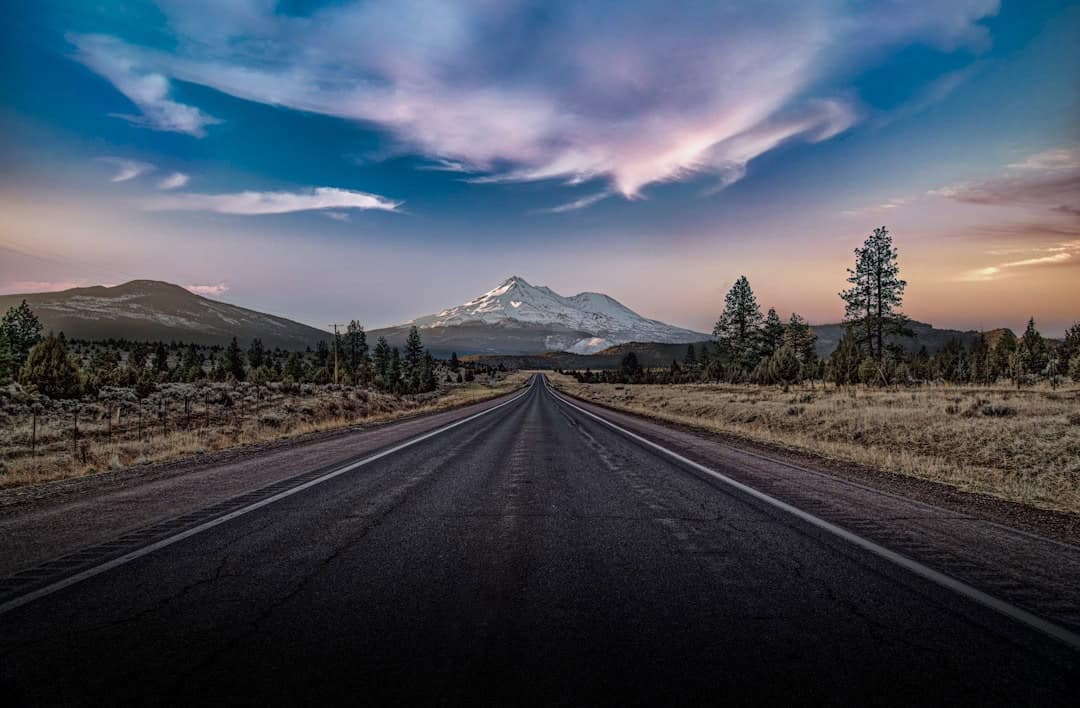
I’ve driven thousands of miles across Utah, Arizona, and Colorado in summer — sometimes in a $45/day rental SUV, sometimes in a dusty campervan baking at 102°F outside Moab. And every year, I’m reminded why the American West is made for road trips.
Summer 2026 is shaping up to be a big one. National park reservations are stricter, gas is hovering around $3.80–$4.40 per gallon across the region, and travelers are planning earlier than ever. If you want red rock, alpine passes, desert sunsets, and real freedom — these eight routes deliver.
Key Takeaways
- Plan 5–10 days per route; most loops range from 300–700 miles.
- Budget $120–$250 per day including gas, lodging, and park fees.
- Arches, Rocky Mountain, and Zion may require timed-entry reservations in summer 2026.
- Best weather window: mid-June or late August to avoid peak July crowds.
1. Utah’s Mighty 5 Loop (Las Vegas to Las Vegas)
Distance: ~700 miles | Ideal time: 7–10 days
This is the classic. Fly into Vegas, rent a car, and hit Zion, Bryce Canyon, Capitol Reef, Arches, and Canyonlands in one sweeping loop.
Zion will be packed in July — go early (before 7am) or visit Kolob Canyons instead of fighting the Angels Landing permit lottery. Bryce at sunrise is non-negotiable.
Stay in Moab for 2–3 nights. It’s the best base in the Southwest — good coffee, real restaurants, and access to both Arches and Canyonlands.
2. Arizona’s Grand Circle (Sedona, Page & the Grand Canyon)
Distance: ~500 miles | Ideal time: 5–7 days
Start in Phoenix or Flagstaff. Head north to Sedona for red rock hikes and surprisingly good wine bars.
Antelope Canyon tours now average $90–$120 per person in 2026. Worth it? Yes — but book weeks ahead. Skip midday if you want fewer crowds and better photos.
Grand Canyon tip: avoid South Rim viewpoints between 11am–4pm. Sunrise at Desert View is dramatically better and quieter.
3. Colorado’s Million Dollar Highway (Ouray to Durango)
Distance: 70 miles (but extend it) | Ideal time: 4–6 days with stops
This stretch of US-550 is short but spectacular. Sheer drop-offs, alpine passes, waterfalls pouring off cliffs in June snowmelt.
Stay in Ouray — it’s like a mini Swiss village without the Swiss prices. Hot springs passes run around $30–$40.
Extend the trip to Mesa Verde National Park. It’s less crowded than Rocky Mountain National Park and just as fascinating.
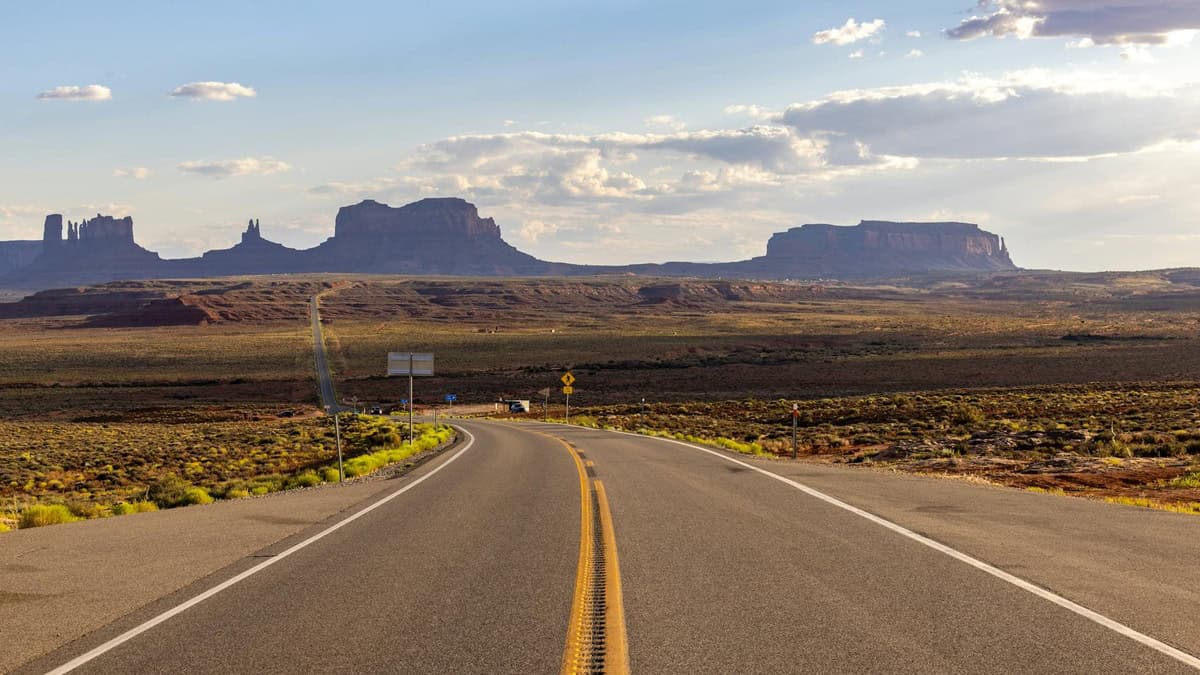
4. Moab to Monument Valley to Page (Desert Icons Route)
Distance: ~350 miles | Ideal time: 4–5 days
If you want cinematic landscapes, this is it. Arches at sunrise, Canyonlands’ Mesa Arch, then south to Monument Valley.
Book a Navajo-guided backcountry tour — around $80 per person and far more interesting than self-driving the dusty loop.
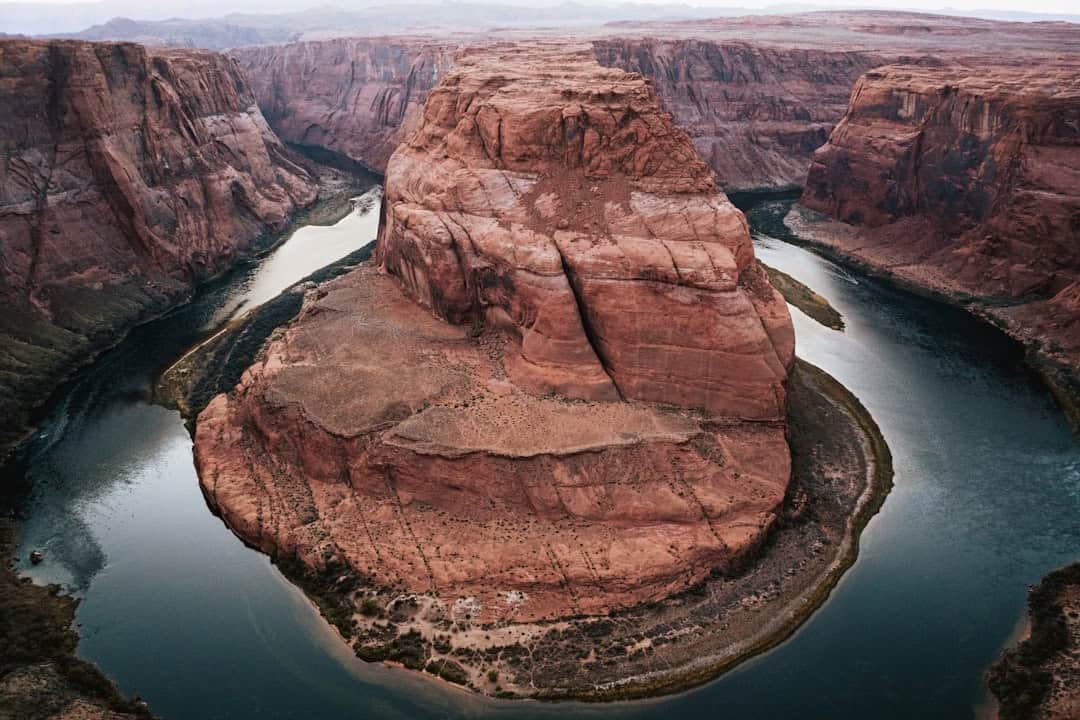
End at Horseshoe Bend and Lake Powell. Summer 2026 water levels are improving slightly, but still lower than historic averages — expect dramatic shoreline views.
5. Rocky Mountain National Park & Trail Ridge Road
Distance: ~250 miles loop from Denver | Ideal time: 3–5 days
Trail Ridge Road usually opens fully by late May, depending on snowpack. By July, wildflowers are exploding at higher elevations.
You’ll likely need a timed-entry reservation again this summer. Book through recreation.gov the moment slots release.
Estes Park is touristy. Stay in Grand Lake instead — quieter, more local vibe, better sunset views.
6. Zion to Bryce to Grand Staircase (Underrated Utah)
Distance: ~250 miles | Ideal time: 4–6 days
Most people rush between Zion and Bryce. Don’t.
Take Scenic Byway 12 through Grand Staircase-Escalante. It’s one of the most beautiful roads in America — with barely any traffic compared to park highways.
Hike Lower Calf Creek Falls (6 miles round trip). Bring water — it’s brutally hot in mid-summer.
7. Colorado’s San Juan Skyway Loop
Distance: ~230 miles | Ideal time: 5–7 days
This is Colorado at its most dramatic: Telluride, Silverton, Durango, Ridgway.
Telluride in summer 2026 is festival-heavy — Bluegrass and film events spike hotel prices to $400+ per night. Book early or stay 20–30 minutes outside town.
For hikers, Ice Lakes Basin is stunning — but start at dawn. Parking fills by 6am in peak season.
8. Flagstaff to Petrified Forest to Canyon de Chelly
Distance: ~300 miles | Ideal time: 4–5 days
This is Arizona beyond Instagram.
Petrified Forest is surreal — colorful badlands and fossilized logs. Canyon de Chelly requires a Navajo guide for many routes, which adds depth and context.
It’s quieter than the Grand Canyon and feels more personal. If you hate crowds, this is your road trip.
Practical Tips for Summer 2026
- Car rentals: Expect $45–$85/day for midsize SUVs in peak summer.
- National Park Pass: $80 annually — pays off after 3 parks.
- Fuel planning: Fill up in major towns; desert stations close early.
- Cell service: Spotty in canyon regions — consider devices with satellite connectivity (especially with 2026 smartphone satellite features expanding).
- Heat strategy: Hike before 10am or after 5pm in Arizona and southern Utah.
If you’re flying in last-minute, check our guide on how to find cheap last-minute flights for summer 2026 before locking in rental cars.
How Much Should You Budget?
For a 7-day road trip:
Budget traveler: $900–$1,200 (camping + budget motels)
Mid-range: $1,400–$1,800 (3-star hotels + tours)
Comfort-focused: $2,500+ (boutique stays + guided experiences)
Compared to planning something complex like a multi-country Balkan road trip, Western U.S. logistics are easy — but park reservations now require just as much advance planning.
When Is the Best Time in Summer 2026?
Mid-June: Best balance of snow-free mountain roads and manageable crowds.
July: Peak season. Expect traffic at Zion, Arches, and Rocky Mountain NP.
Late August: Hot in Arizona, but thinner crowds and epic monsoon skies for photography.
If I had to choose? Late June or late August. Avoid July 4th week at all costs.
Final Thoughts: Pick One and Go
You don’t need to see everything. In fact, trying to cram Utah, Arizona, and Colorado into one mega-trip is the fastest way to burn out.
Pick one route. Slow down. Wake up for sunrise. Stay out for the stars.
Summer 2026 is the season to reclaim the open road — and the American West still delivers that feeling better than anywhere else in the world.
If you’re planning now, book park entries and lodging this month. Then send this to your road trip crew and start mapping it out.
Frequently Asked Questions
How much does a Utah or Arizona road trip cost in summer 2026?
Most travelers spend $120–$250 per day including lodging, gas, food, and park fees. A 7-day mid-range trip typically totals $1,400–$1,800 per person.
Do I need reservations for national parks in 2026?
Yes, many parks like Arches, Rocky Mountain, and Zion require timed-entry reservations in peak summer months. Book on recreation.gov as soon as slots open.
Is summer too hot for Arizona and southern Utah?
Midday temperatures often exceed 100°F in July. Plan hikes at sunrise, carry more water than you think you need, and consider higher-elevation routes for cooler conditions.
What’s the best airport to start a Southwest road trip?
Las Vegas, Phoenix, and Denver are the most practical hubs with competitive rental car prices and frequent flights. Vegas often has the cheapest one-way rental deals.

About the Author: Tomáš Bzirský
Founder and editor of Distratech. Based in the Czech Republic, travelling regularly from Central Europe. Writes practical travel guides and travel-tech comparisons (eSIM, apps, airports) in six languages.