Last May, I drove from Ljubljana to Dubrovnik in 12 days, crossed five borders, swam in three different shades of blue water, and spent less than €900 total — including the rental car.
The Balkans remain one of Europe’s last true road trip bargains. In spring 2026, with fuel hovering around €1.60–€1.80 per liter and shoulder-season accommodation deals everywhere, this is the sweet spot for a multi-country adventure without Western Europe prices.
Key Takeaways
- A 10–14 day Balkan road trip in 2026 costs around €70–€100 per day including car, fuel, and stays.
- Best spring route: Slovenia → Croatia → Bosnia → Montenegro (800–1,200 km total).
- Border crossings are easy but check green card insurance and vignette rules.
- April–June offers mild hiking weather, fewer crowds, and cheaper coastal stays.
Step 1: Pick the Right Route (Don’t Try to See Everything)
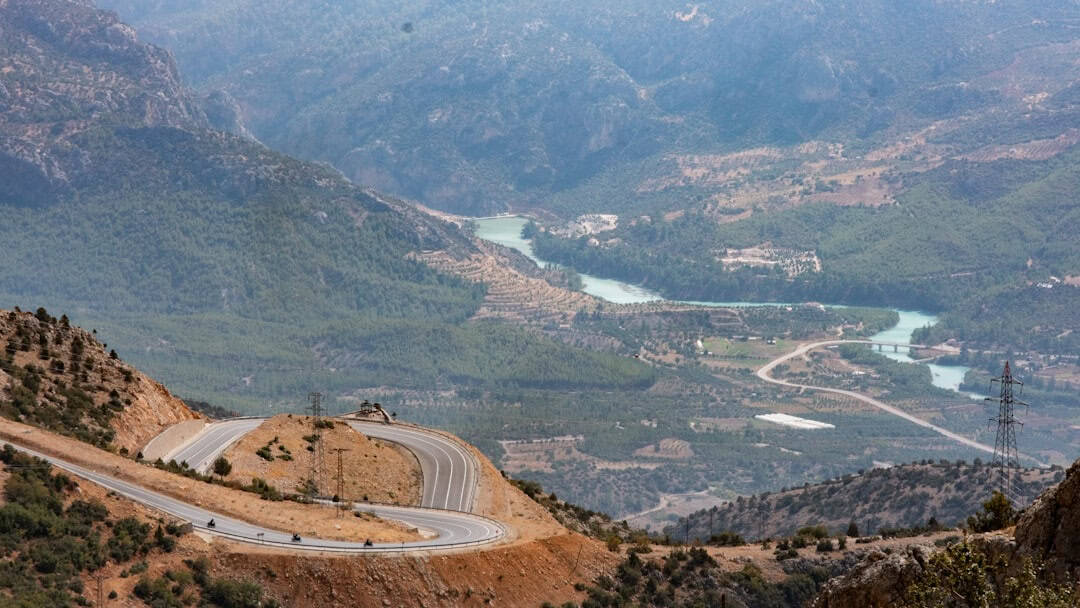
The biggest mistake? Trying to cram in seven countries in ten days. Distances look short on a map, but mountain roads are slow and scenic — as they should be.
For spring 2026, I recommend this classic loop:
- Slovenia (2–3 days) – Lake Bled, Triglav National Park, Ljubljana.
- Croatia (3–4 days) – Plitvice Lakes, Zadar, Split or Dubrovnik.
- Bosnia & Herzegovina (2 days) – Mostar, Blagaj, Sarajevo.
- Montenegro (2–3 days) – Kotor Bay, Durmitor National Park.
Total driving distance: roughly 1,000 km depending on detours.
In April and May, alpine hiking trails in Slovenia are reopening, waterfalls at Plitvice are at peak flow from snowmelt, and the Adriatic is quiet but sunny. July is gorgeous — and twice the price.
Step 2: Find Cheap Flights Into the Region
Your cheapest entry points in 2026 are usually:
- Ljubljana (Slovenia)
- Zagreb (Croatia)
- Venice (Italy, then drive 2.5 hours to Slovenia)
I’ve consistently found better fares into Venice or Zagreb than smaller Balkan airports. Use flexible date tools and price alerts — our guide on finding cheap last-minute flights in 2026 walks through the exact smart tools I use.
Spring round-trip fares from major European cities are often €40–€120. From North America, expect $450–$750 if booked 2–3 months ahead.
Step 3: Rent the Right Car (And Avoid Hidden Fees)
A compact manual car in April 2026 runs about €25–€40 per day. Automatics cost more — book early if you can’t drive stick.
Here’s what matters more than the daily price:
- Cross-border permission: Confirm all countries you plan to visit are allowed.
- Green card insurance: Required for some non-EU crossings (like Bosnia or Montenegro).
- One-way fees: Avoid dropping off in a different country unless necessary.
- Vignettes: Slovenia requires a highway vignette (~€16 for 7 days).
Fuel for a two-week trip typically costs €100–€150 total depending on your route.
Pro tip: Avoid renting directly in Dubrovnik if possible — prices there are often 20–30% higher due to demand.
Step 4: Budget Breakdown for 12 Days
Here’s a realistic per-person budget (based on two people sharing):
- Car rental (12 days): €420 total → €210 each
- Fuel + tolls: €130 total → €65 each
- Accommodation (11 nights, mix of guesthouses & apartments): €40–€70 per night → ~€330 each
- Food: €15–€30 per day → ~€250
- Attractions & parking: €80–€120
Total: roughly €850–€975 per person.
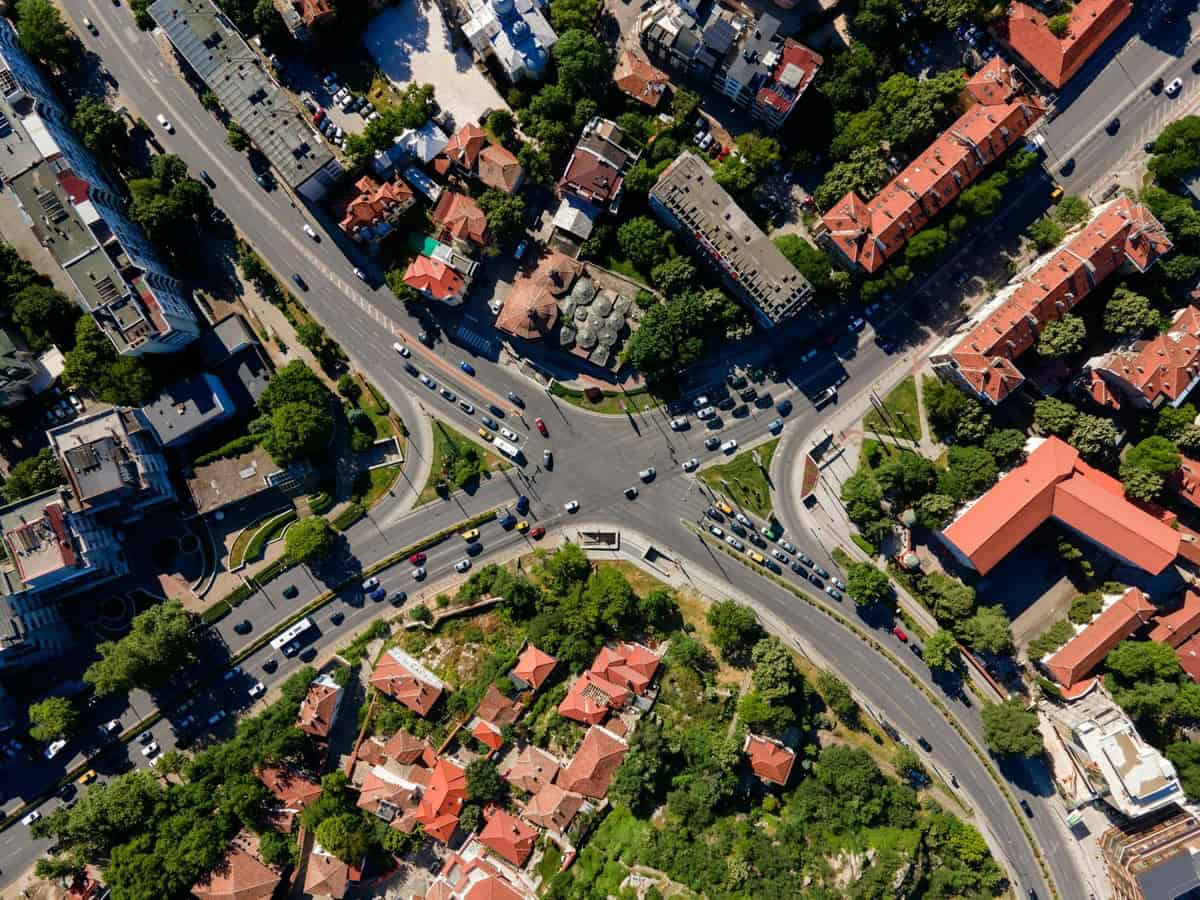
Eat where locals eat and that food budget drops fast. In Bosnia, I paid €6 for a massive plate of ćevapi and bread. In Montenegro, espresso is still €1–€1.50 in most towns.
Step 5: Where to Splurge (And Where Not To)
Splurge on experiences, not hotels.
In Montenegro, book a boat tour around Kotor Bay (~€25–€40). In Slovenia, rent bikes around Lake Bohinj. In Bosnia, stay overnight in Mostar to see the Stari Most at sunrise without tour buses.
Don’t splurge on Dubrovnik accommodation inside the old town unless you’re obsessed with Game of Thrones. Stay 20–30 minutes outside and save €100+ per night.
Step 6: Border Crossings & Documents in 2026
Most crossings between Slovenia and Croatia are seamless (both in Schengen now). Bosnia and Montenegro involve passport checks but are generally quick in spring — 5–20 minutes typical wait.
Have these ready:
- Passport (with 6 months validity)
- Car rental agreement
- Insurance documents
Avoid Friday afternoons and Sunday evenings if possible — that’s when locals cross for weekend trips.
Step 7: Best Spring Stops You Shouldn’t Skip
Lake Bled, Slovenia
Touristy? Yes. Worth it at 7 a.m. before day-trippers arrive? Absolutely.
Plitvice Lakes, Croatia
In April and May, waterfalls are roaring. Summer is greener, but spring is more dramatic.
Mostar, Bosnia
Walk beyond the bridge into side streets. The souvenir stalls near the main span are overpriced.
Durmitor National Park, Montenegro
Still cool in early spring (pack layers), but hiking season starts kicking off in May.
If you’re combining this with a wider Europe trip, spring flower lovers should also check our guide to the best tulip spots in Europe beyond Keukenhof — perfect pairing before or after the Balkans.
Smart Tech for a Smoother Road Trip
This is Distratech — so yes, let’s talk tech.
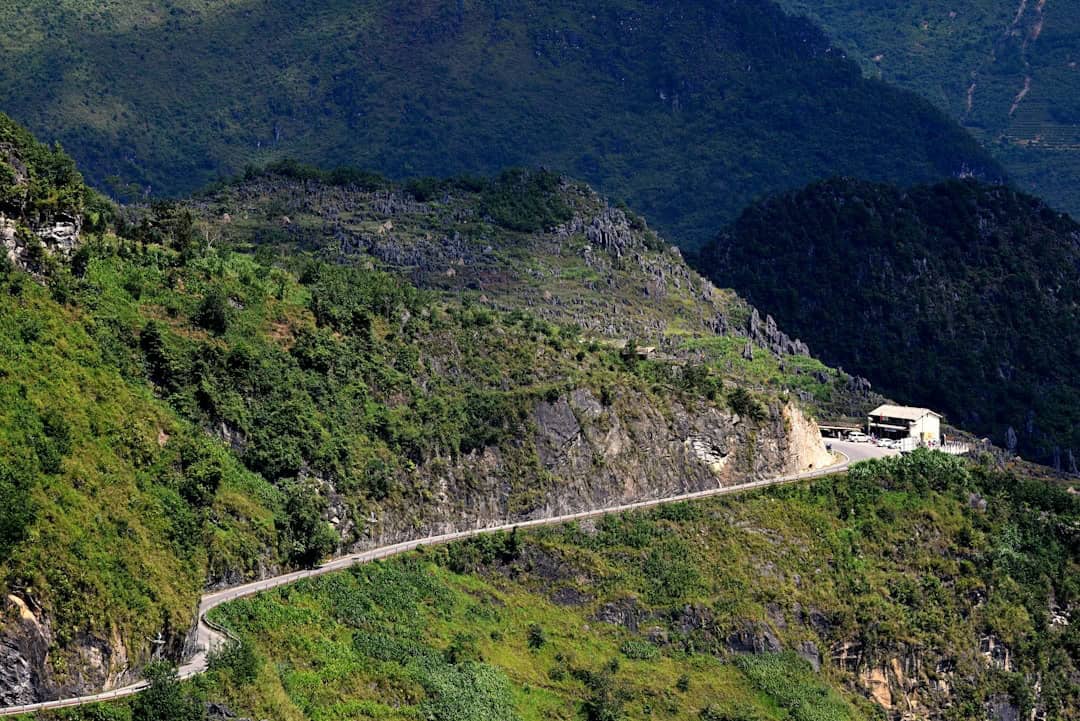
Offline maps are essential. Download Google Maps offline regions for all countries before crossing borders.
If you’re camping or working remotely, a portable power station like the Goal Zero Yeti 1500 can be overkill for hotels — but excellent for vanlifers exploring Durmitor or remote Adriatic coves.
Also: buy a regional eSIM before arrival. Coverage across Slovenia, Croatia, and Montenegro is excellent and cheaper than roaming.
When Is the Best Time in 2026?
April to early June is prime.
Temperatures range from 15–24°C (59–75°F), coastal towns are lively but not packed, and accommodation discounts are easy to negotiate.
By late June, cruise ships flood Dubrovnik and hotel rates jump 30–50%. If you want swimming plus value, aim for late May.
Final Thoughts: Is a Balkan Road Trip Worth It in 2026?
Absolutely — and it won’t stay this affordable forever.
The Balkans in 2026 still offer what much of Western Europe lost years ago: scenic drives without traffic, affordable meals without compromise, and real cultural contrast within short distances.
If you’ve been waiting for a sign to plan that multi-country adventure — this is it. Book the flight, reserve the car, and go before peak summer prices hit.
Frequently Asked Questions
How much does a Balkan road trip cost in 2026?
Expect €70–€100 per day per person in spring 2026, including car rental, fuel, accommodation, and food if traveling as a pair.
Is it safe to drive between Balkan countries?
Yes. Roads are generally good, highways in Slovenia and Croatia are excellent, and border crossings are straightforward with proper documents.
Do I need special insurance for crossing borders?
Usually yes for non-EU countries like Bosnia or Montenegro. Confirm your rental includes green card insurance before picking up the car.
What is the best month for a Balkan road trip?
May is ideal — warm weather, strong waterfalls, open hiking trails, and fewer coastal crowds compared to July and August.

About the Author: Tomáš Bzirský
Founder and editor of Distratech. Based in the Czech Republic, travelling regularly from Central Europe. Writes practical travel guides and travel-tech comparisons (eSIM, apps, airports) in six languages.