I’ve paid $25 for a smoothie bowl in Tulum and fought for towel space on a beach club. And honestly? The real magic of the Yucatán Peninsula starts when you drive 45 minutes away.
Beyond the influencer hotspots are crystal-clear cenotes with 10 swimmers instead of 200, pastel colonial towns where dinner costs $8, and quiet plazas that feel untouched by time. If you’re planning a late spring or summer 2026 trip, this is where you should be looking.
Key Takeaways
- Most cenote entrances cost $5–$15 USD and open around 8–9am.
- Valladolid is 2 hours from Cancun and makes the best base for exploring inland.
- Arrive at cenotes before 10am in May–August to avoid tour bus crowds and heat.
- Renting a car (~$35–$50/day) gives access to hidden spots unreachable by colectivos.
- Izamal and Valladolid offer boutique stays from $60–$120 per night.
1. Cenote Suytun (Near Valladolid)
Yes, you’ve seen it on Instagram — the circular platform with the beam of light. But here’s the trick: arrive at 8:30am sharp.
By 10:30am, tour buses from Cancun start arriving. Entrance is around 200–250 pesos ($12–$15 USD), and you’ll get that iconic photo without waiting in a 40-person line.
The cave is partially enclosed, so it’s cooler than open cenotes — a blessing during the late May heat when temps climb above 90°F (32°C).
2. Cenote Oxman (Hacienda San Lorenzo)
This one feels like a secret garden. It’s located on private hacienda grounds just outside Valladolid.
The cenote is open-air, wrapped in vines, with a rope swing that’s actually fun (not just decorative). Entry runs about 150–200 pesos ($9–$12 USD), and you can add access to the pool and restaurant for a bit more.
Pro tip: Have lunch on-site. The cochinita pibil tacos are better than most beach-club menus in Tulum — and a fraction of the price.
3. Valladolid (The Perfect Colonial Base)
If you only pick one town to stay in, make it Valladolid.
It’s two hours from Cancun Airport, colorful without feeling staged, and close to dozens of cenotes. Boutique hotels in restored mansions go for $70–$120 a night in late spring — half of what you’d pay in Tulum.
Don’t miss:
- Cenote Zací (right in town, ~$5 entry)
- Calzada de los Frailes for evening strolls
- El Atrio del Mayab for modern Yucatecan cuisine
May through early June is especially good here: fewer European tour groups and better hotel deals before peak summer.
4. Izamal (The Yellow City)
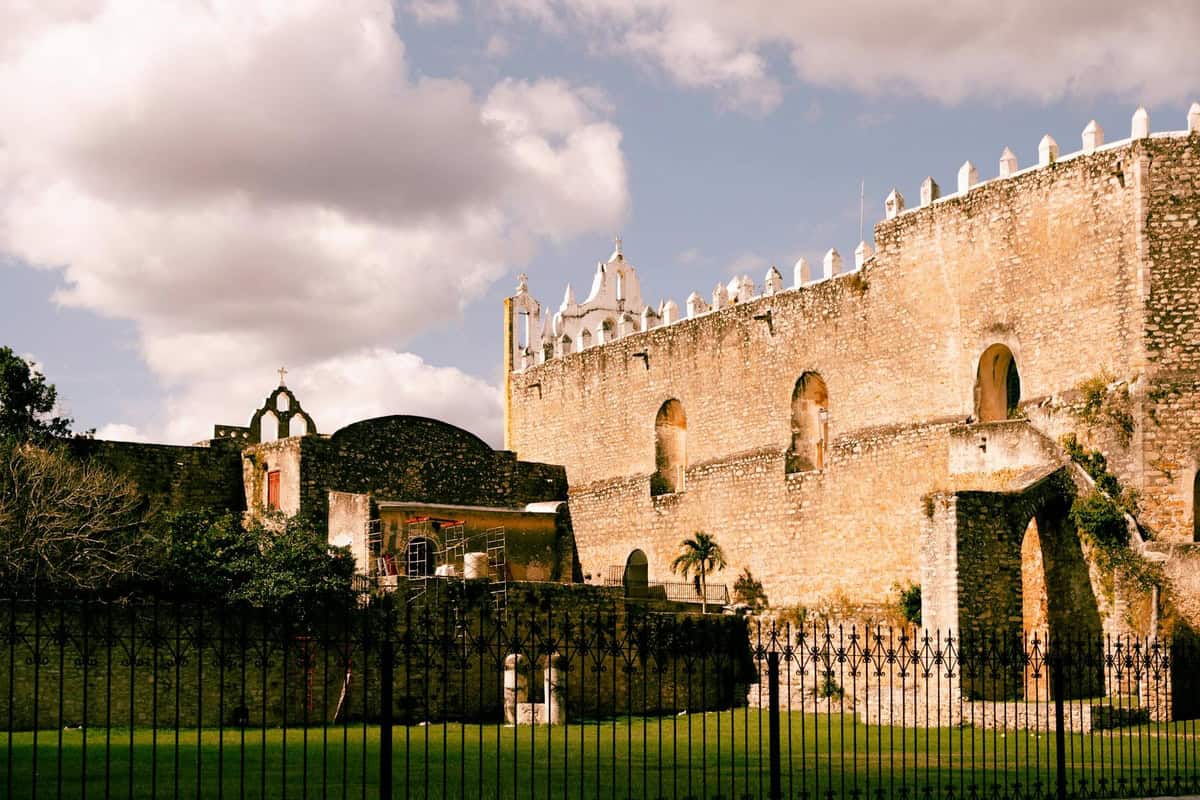
Izamal looks like someone dipped the entire town in golden paint.
Nearly every building is painted the same shade of mustard yellow, centered around the massive Convento de San Antonio de Padua. It’s about 1 hour west of Valladolid.
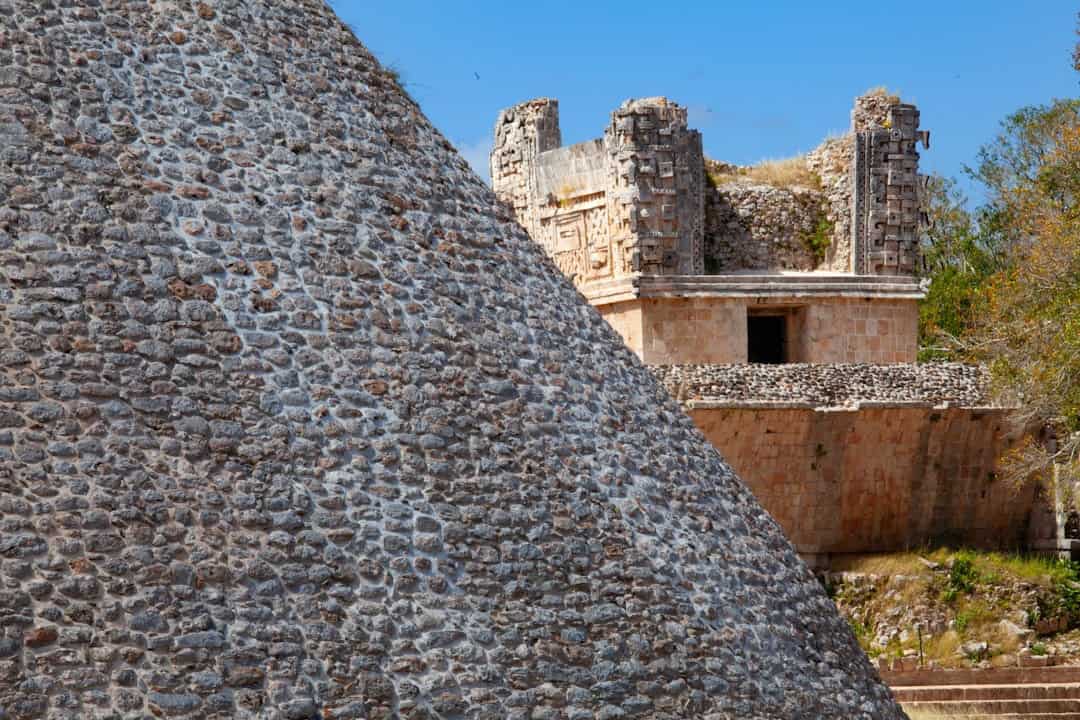
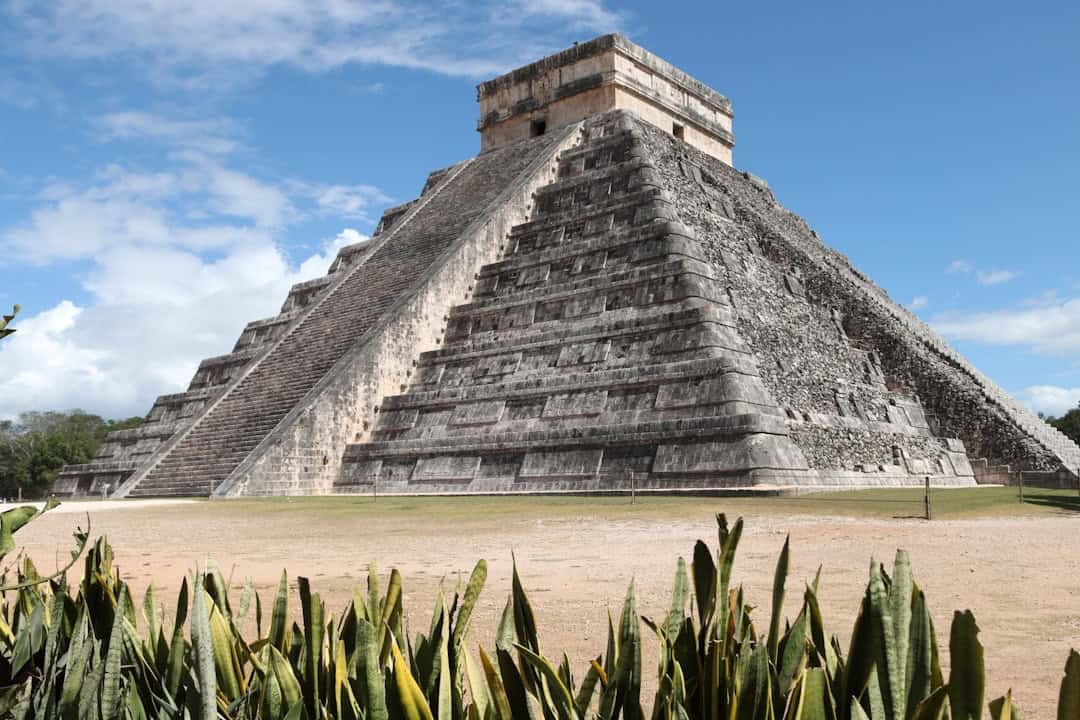
Climb the Kinich Kakmó pyramid at sunset — it’s free — and you’ll likely share it with fewer than 20 people. Try doing that in Chichén Itzá.
For food, Kinich Restaurant serves traditional dishes like poc chuc (grilled pork) for around $10–$15 USD.
5. Cenote X’Canche (Near Ek Balam)
If you’re visiting the Ek Balam ruins (which you should), add this cenote.
Unlike Chichén Itzá, you can still climb parts of Ek Balam’s ruins. After sweating in the jungle, rent a bike or take a short taxi to Cenote X’Canche.
It’s open-air, deep blue, and rarely crowded. Entry is about 170 pesos ($10 USD). In summer, this combo makes a perfect half-day adventure before the afternoon heat peaks.
6. Río Lagartos (Flamingos & Pink Lakes)
Three hours north of Cancun, Río Lagartos feels like a different world.
This fishing village is your gateway to Las Coloradas — the famous pink lakes. The color is brightest in the dry season (March–June), making late spring ideal.
Boat tours through the biosphere reserve cost around $25–$35 USD per person. You’ll see flamingos, crocodiles, and mangroves — without the Tulum price tag.
7. Cenote Calavera (Near Tulum — But Quieter)
Okay, this one is technically near Tulum. But it’s a different vibe.
Nicknamed the “Temple of Doom,” you enter through a small ladder opening into deep, clear water. Entry is about 250 pesos (~$15 USD).
Go at opening (9am) and you’ll likely have it almost to yourself before the Instagram crowd trickles in.
8. Bacalar (The Lagoon of Seven Colors)
If you’re willing to drive 4 hours south of Cancun, Bacalar is worth every kilometer.
The freshwater lagoon shifts between turquoise and deep blue depending on the sunlight. Rent a kayak for about $15–$20 USD per hour instead of paying for a boat tour.
Late spring is ideal — warm water, fewer summer vacation crowds. By July and August, domestic tourism spikes.
Stay near the lagoon rather than in town center for sunrise views. Budget boutique stays start around $60 per night.
How to Plan Your Route (Without Losing Your Mind)
The Yucatán is perfect for a mini road trip. Distances are manageable, roads are generally flat and safe, and signage is decent.
If you love structured road trips, you’ll enjoy mapping this out almost as much as something like these epic American West summer road trips — just with better tacos and cenotes instead of canyons.
Suggested 6–7 day route:
- Cancun arrival → Drive to Valladolid (2 hrs)
- Explore Suytun, Oxman, Ek Balam, X’Canche
- Day trip to Izamal
- Head north to Río Lagartos (1 night)
- Drive south to Bacalar (2 nights)
- Return to Cancun (4 hrs)
Practical Tips for Summer 2026
- Arrive early: 8–9am beats both crowds and heat.
- Bring cash: Many cenotes don’t accept cards.
- Rent a car: ~$35–$50/day; colectivos won’t reach hidden cenotes.
- Pack reef-safe sunscreen: Many cenotes require you to shower first.
- Watch for sargassum: Inland cenotes and Bacalar lagoon aren’t affected like Caribbean beaches.
If you’re renting a newer vehicle, keep an eye on smart navigation features — tools like Google’s in-car AI systems are becoming more common in rentals worldwide. We break that down here: why Gemini in cars matters for travelers.
When to Visit the Yucatán Peninsula
Late April to early June: My favorite window. Hot but manageable, fewer European tour groups, vibrant flamingo season.
July–August: Expect humidity and domestic family travel spikes. Book cenote visits early in the day.
September–October: Lower prices but higher rain risk.
For summer 2026 planning, book boutique hotels in Valladolid and Bacalar at least 6–8 weeks in advance. The secret’s getting out.
Final Thoughts: Skip the Scene, Find the Soul
Tulum had its moment. But the heart of the Yucatán lives inland — in vine-draped cenotes, yellow-painted towns, and quiet lagoons at sunrise.
Rent the car. Wake up early. Eat the street tacos. And explore the peninsula the way it deserves to be explored.
If you’re planning a Mexico trip this summer, start with these eight spots — then let the backroads surprise you.
Frequently Asked Questions
How much does it cost to visit cenotes in the Yucatán?
Most cenotes charge between 100–250 pesos ($5–$15 USD). Some premium sites near Tulum cost more, but inland cenotes around Valladolid are generally cheaper.
Is it better to stay in Tulum or Valladolid?
Valladolid is more affordable, centrally located for cenotes and ruins, and less crowded. Tulum works if you want beach access, but expect higher prices and heavier tourism.
When is the best time to visit Bacalar?
Late spring (April–June) offers warm water, bright lagoon colors, and fewer crowds than peak summer. July and August are busier with domestic travelers.
Do you need a rental car to explore the Yucatán Peninsula?
Technically no, but practically yes. Many of the best cenotes and towns aren’t accessible by public transport, and rentals cost around $35–$50 per day.

About the Author: Tomáš Bzirský
Founder and editor of Distratech. Based in the Czech Republic, travelling regularly from Central Europe. Writes practical travel guides and travel-tech comparisons (eSIM, apps, airports) in six languages.