'/%3E%3Cpath%20fill='%23b2b2b2'%20d='M241%20382q0%2016%2017%2026%2017%2011%2042%2011t42-11q16-11%2017-26V269H241'/%3E%3Cpath%20fill='%239f7e00'%20d='M241%20379q0%2014%208%2023%209%209%2021%209%2014%200%2021-9%209-9%209-23V269h-59'/%3E%3Cpath%20d='M241%20339v-70h59v110q0%2014-9%2023l-6%205v-68h-15v72q-8%200-14-4v-68zm59%2040c0%2022%2015%2032%2029%2032%2021%200%2030-18%2030-32v-40h-59'/%3E%3Cpath%20fill='%239f7e00'%20d='M266%20277v5h2v12h-3v-5h2v-5h-9v5h2v5h-4v9h3v18h-5v10h34v-10h-5v-18h3v-9h-4v-5h2v-5h-9v5h2v5h-3v-12h2v-5zm42%20101q0%2010%206%2017%206%206%2015%207%2010-1%2016-7%206-7%206-17v-29h-43'/%3E%3Ccircle%20fill='%230044ad'%20cx='329.5'%20cy='372'%20r='6'/%3E%3Cellipse%20fill='%230044ad'%20cx='300'%20cy='340'%20rx='16'%20ry='21'/%3E%3C/svg%3E)
'/%3E%3C/svg%3E)


'/%3E%3C/g%3E%3Cuse%20href='%23c'%20transform='matrix(-1%200%200%201%20720%200)'/%3E%3C/svg%3E)


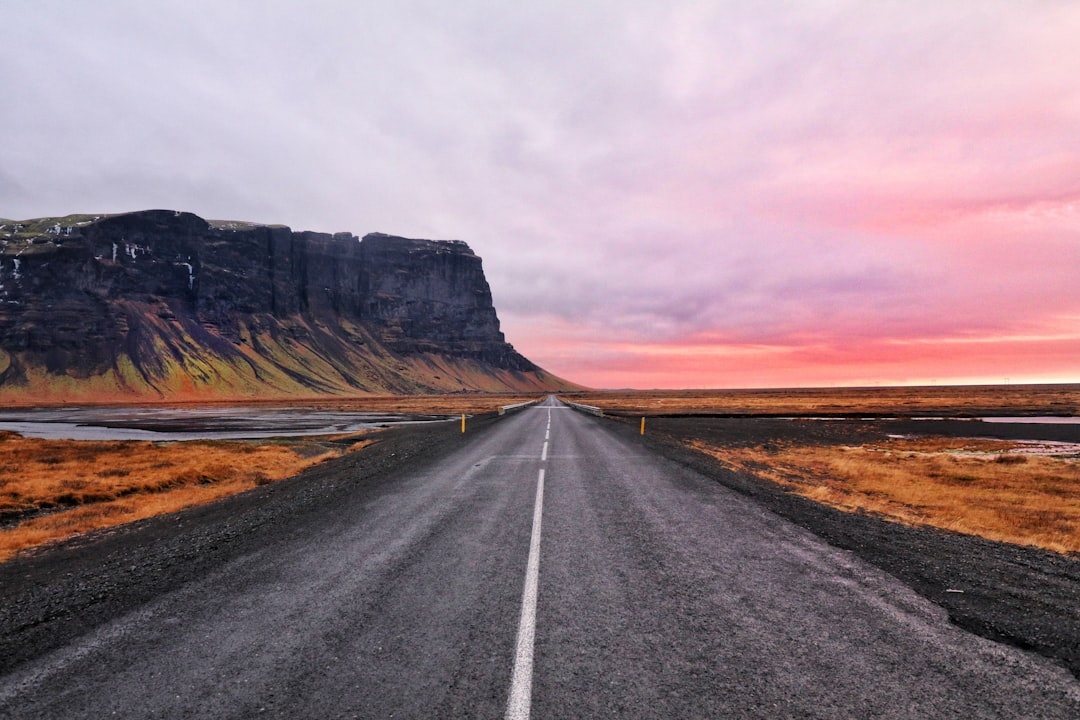
I drove Iceland’s Ring Road in late June a few summers ago and remember checking the clock at 11:47 p.m.—and it was still bright enough to read a map without headlights. Summer in Iceland feels unreal: waterfalls in full force, lupines lining the roads, and 20+ hours of daylight to justify one more scenic detour.
If you’ve only got five days, you won’t complete the full 1,332 km (828 miles) loop without rushing yourself into exhaustion. But you can sample the absolute best stretches of the Ring Road and still feel like you’ve experienced Iceland properly—waterfalls, black sand beaches, glaciers, and geothermal hot springs included.
Key Takeaways
- The full Ring Road is 1,332 km (828 miles), but this 5-day route covers ~900 km of highlights.
- Expect to spend $1,200–$1,800 per person for 5 days in summer (car, stays, food, gas).
- Midnight sun from late May to mid-July means 20–22 hours of daylight for flexible driving.
- Book rental cars and popular stays 2–3 months ahead for June–August 2026.
Why This 5-Day Route Works
This is a fast-paced, counterclockwise mini-loop from Reykjavík covering the Golden Circle, South Coast, Eastfjords edge, and a taste of North Iceland before cutting back inland.
You’ll skip the far Westfjords (save that for a slower trip), and I’ll tell you where to avoid tourist traps—yes, I have opinions.
Day 1: Reykjavík → Golden Circle → Vík (230 km / 3.5–4 hrs driving)
Pick up your rental car early at Keflavík Airport. In summer 2026, expect to pay $90–$140 per day for a compact car booked in advance.
Head straight for the Golden Circle before tour buses peak (usually 10 a.m.–3 p.m.).
Stop 1: Þingvellir National Park
Walk between tectonic plates. It’s dramatic, historic, and surprisingly easy to explore in under 90 minutes.
Stop 2: Geysir Geothermal Area
Strokkur erupts every 5–10 minutes. It’s crowded—but worth it. In and out in 45 minutes.
Stop 3: Gullfoss
One of Iceland’s most powerful waterfalls. Go to the lower viewing platform if you don’t mind getting soaked.
Then drive south toward Seljalandsfoss and Skógafoss. You can walk behind Seljalandsfoss—bring a rain jacket. Skógafoss is pure cinematic drama.
Overnight in Vík. It’s small but perfectly located.
Skip: The Lava Centre museum unless you’re deeply into geology. Save the time for sunset at Reynisfjara black sand beach (go late—after 8 p.m.—for fewer crowds).
Day 2: Vík → Skaftafell → Jökulsárlón (190 km / 2.5–3 hrs driving)
This stretch is why people fly to Iceland.
Fjaðrárgljúfur Canyon is your first stop. Yes, it’s Instagram-famous. Yes, it’s worth the short hike.
Continue to Skaftafell (Vatnajökull National Park) for a 2–3 hour hike to Svartifoss, the waterfall framed by basalt columns.
Then comes the showstopper: Jökulsárlón Glacier Lagoon.
Icebergs drift silently toward the ocean. Cross the road to Diamond Beach where chunks of ice wash up on black sand like scattered crystal.

Boat tours cost around $55–$75 per person in summer 2026. Worth it if you want to get close to the ice, but not mandatory.
Stay overnight near Höfn or back toward the lagoon. Book early—this area sells out fast.
Day 3: East Fjords Edge → Egilsstaðir → Dettifoss (350 km / 5–6 hrs driving)
This is your longest driving day—but it’s stunning and far less crowded.
The East Fjords feel remote and cinematic. Think narrow roads hugging dramatic coastlines. Stop in Djúpivogur for coffee and a quick harbor walk.
By afternoon, head north toward Dettifoss, Europe’s most powerful waterfall. It’s raw and thunderous—less polished than Gullfoss, more intense.
Overnight near Mývatn, a geothermal wonderland.
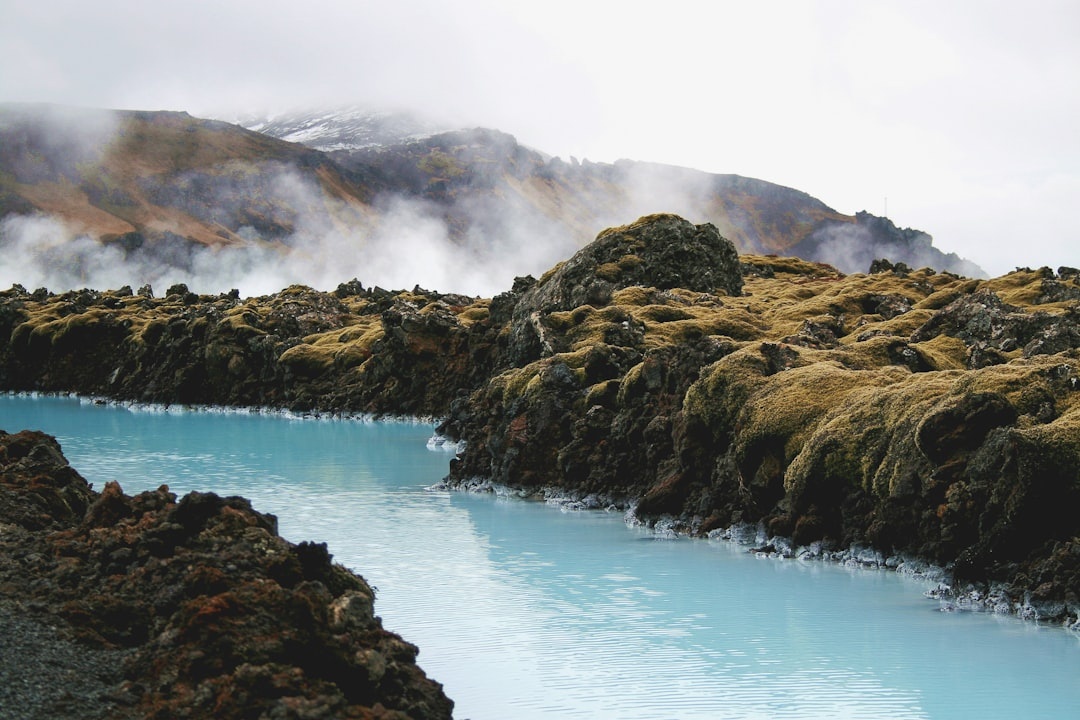
Evening tip: Skip the Blue Lagoon (over $90 and often packed). Instead, soak at Mývatn Nature Baths for about $50 and half the crowd.
Day 4: Lake Mývatn → Goðafoss → Akureyri (120 km / 2 hrs driving)
Slow down today. You’ve earned it.
Explore:
- Hverir geothermal area (steaming vents and bubbling mud pots)
- Dimmuborgir lava formations
- Pseudo-craters around Lake Mývatn
Drive to Goðafoss, the “Waterfall of the Gods.” It’s wide, elegant, and photogenic from both sides.
End in Akureyri, Iceland’s second-largest town (population: ~19,000). It actually feels lively—cafés, decent restaurants, even a botanical garden.
This is your best shot at a proper dinner. Expect $25–$40 for a main dish in summer 2026.
Day 5: Akureyri → Return to Reykjavík (390 km / 5 hrs driving)
This is a straight shot back via Route 1 through central Iceland.
It’s scenic but less dramatic than the south coast, so treat it as a flexible buffer day. Stop at:
- Hvítserkur rock formation (if you detour slightly)
- Roadside hot dog stands (yes, try one)
- Random scenic pull-offs—you’ll see plenty
Return your car in Reykjavík or at Keflavík Airport.
Summer 2026 Road Trip Budget Breakdown (Per Person)
Based on two people sharing costs:
- Rental car (5 days): $450–$700 total
- Fuel: $180–$250 (gas averages ~$2.30–$2.60 per liter)
- Accommodation: $800–$1,200 (guesthouses or mid-range hotels)
- Food: $300–$450
- Activities & baths: $100–$200
Total: $1,200–$1,800 per person.
Iceland isn’t cheap—but compared to peak U.S. national park pricing in summer (like those highlighted in our guide to affordable U.S. national parks before peak crowds), you’re paying for otherworldly landscapes you simply can’t replicate elsewhere.
Practical Tech & Travel Tips for Summer 2026
- Book early. June–August cars and guesthouses sell out 8–12 weeks ahead.
- Download offline maps (Google Maps or Maps.me). Signal can drop in the East Fjords.
- Get a Wi-Fi hotspot in your rental. Usually $10/day and worth it.
- Protect your phone. Iceland is safe, but travel hacking is real—read our summer 2026 traveler phone security guide before you go.
- Check road conditions daily at road.is—even in summer, weather changes fast.
Also: pack layers. In late spring and early summer, temps range from 8–15°C (46–59°F). Wind makes it feel colder.
When Is the Best Time for This Itinerary?
Late May through early July is ideal.
You’ll get long daylight hours without the absolute peak July/August crowds. By mid-May 2026, roads are fully accessible, waterfalls are roaring from snowmelt, and puffins start nesting along coastal cliffs.
August brings slightly warmer weather—but also more tourists and higher prices.
Is 5 Days Enough for Iceland?
For the full Ring Road? No.
For a curated, highlight-packed Iceland experience that doesn’t feel rushed? Absolutely.
This 5-day Iceland Ring Road mini-itinerary gives you glaciers, volcanoes, geothermal pools, waterfalls, black beaches, and dramatic fjords—without burning out behind the wheel.
If you’re planning a summer 2026 trip, lock in your car rental now, build in flexibility, and embrace the midnight sun. Iceland isn’t a checklist destination—it’s a place where you’ll pull over “just for a minute” and end up staying an hour.
Thinking of extending the trip? Add the Snæfellsnes Peninsula or the Westfjords for a second week—and thank yourself later.
Frequently Asked Questions
Is 5 days enough to drive the entire Ring Road?
Technically yes, but it would be rushed and exhausting. The full loop is 1,332 km (828 miles), and 5 days is better suited for a highlights-focused mini-loop like this one.
How much does a 5-day Iceland road trip cost in summer?
Expect to spend $1,200–$1,800 per person in summer 2026, including car rental, fuel, mid-range stays, food, and a few activities.
Do I need a 4×4 vehicle for the Ring Road in summer?
No, the Ring Road (Route 1) is paved and accessible with a standard car in summer. You only need a 4×4 if you plan to drive F-roads into the highlands.
When is the best time to drive the Ring Road?
Late May to early July offers long daylight hours, strong waterfalls from snowmelt, and slightly fewer crowds than peak July–August.

About the Author: Tomáš Bzirský
Founder and editor of Distratech. Based in the Czech Republic, travelling regularly from Central Europe. Writes practical travel guides and travel-tech comparisons (eSIM, apps, airports) in six languages.