'/%3E%3Cpath%20fill='%23b2b2b2'%20d='M241%20382q0%2016%2017%2026%2017%2011%2042%2011t42-11q16-11%2017-26V269H241'/%3E%3Cpath%20fill='%239f7e00'%20d='M241%20379q0%2014%208%2023%209%209%2021%209%2014%200%2021-9%209-9%209-23V269h-59'/%3E%3Cpath%20d='M241%20339v-70h59v110q0%2014-9%2023l-6%205v-68h-15v72q-8%200-14-4v-68zm59%2040c0%2022%2015%2032%2029%2032%2021%200%2030-18%2030-32v-40h-59'/%3E%3Cpath%20fill='%239f7e00'%20d='M266%20277v5h2v12h-3v-5h2v-5h-9v5h2v5h-4v9h3v18h-5v10h34v-10h-5v-18h3v-9h-4v-5h2v-5h-9v5h2v5h-3v-12h2v-5zm42%20101q0%2010%206%2017%206%206%2015%207%2010-1%2016-7%206-7%206-17v-29h-43'/%3E%3Ccircle%20fill='%230044ad'%20cx='329.5'%20cy='372'%20r='6'/%3E%3Cellipse%20fill='%230044ad'%20cx='300'%20cy='340'%20rx='16'%20ry='21'/%3E%3C/svg%3E)
'/%3E%3C/svg%3E)


'/%3E%3C/g%3E%3Cuse%20href='%23c'%20transform='matrix(-1%200%200%201%20720%200)'/%3E%3C/svg%3E)


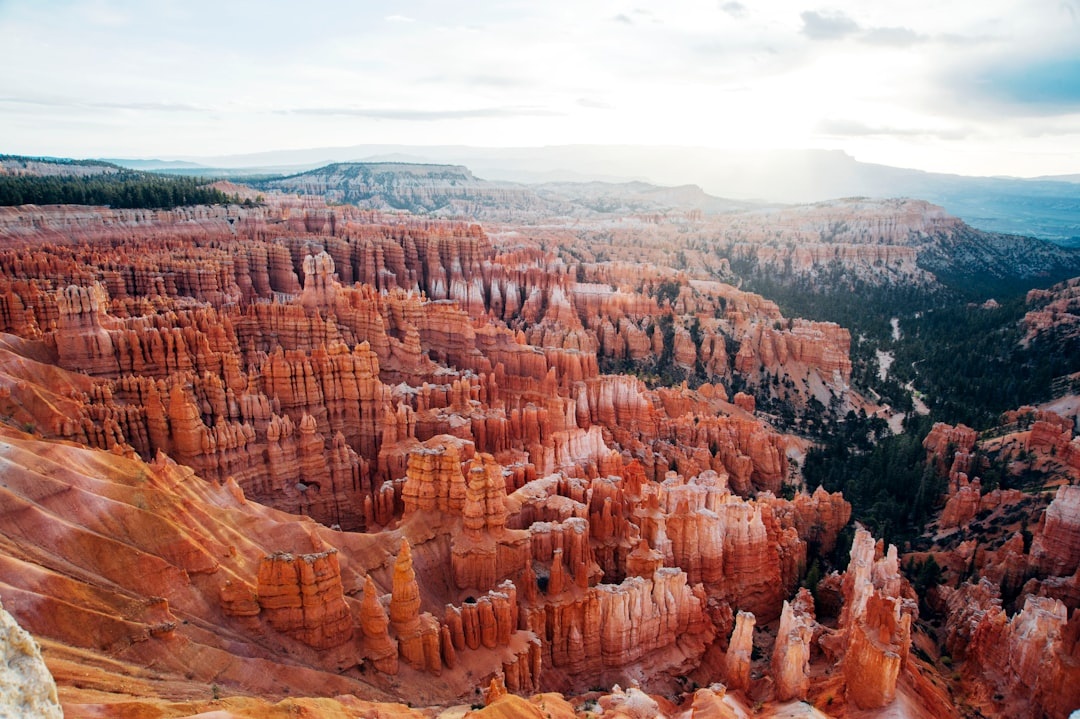
I learned this the hard way: show up to Zion in mid-July and you’ll spend more time in shuttle lines than on trails. But visit in late May or early June? You’ll hike under wildflowers, pay shoulder-season lodging rates, and still beat the triple-digit heat.
Right now — late spring 2026 — is the sweet spot. Snow is melting in higher elevations, desert parks aren’t scorching yet, and schools in many states don’t let out until mid-June. If you want national park magic without peak summer chaos, this is your window.
Key Takeaways
- Most U.S. national park entry fees are $30–$35 per vehicle (valid 7 days), or $80 for an annual pass.
- Late May to mid-June offers fewer crowds and milder temps before school breaks start nationwide.
- Desert parks (Utah, Arizona) are ideal now before 100°F+ heat hits in July.
- Book lodging at least 4–6 weeks ahead for May–June weekends, even in shoulder season.
1. Great Smoky Mountains National Park (TN/NC)
Why now: Fireflies, wildflowers, and zero entrance fee.
This is America’s most-visited national park — and still one of the best deals. Entry is free (you only need a $5 daily parking tag), which instantly makes it one of the most affordable trips in the country.
In late May, the synchronous fireflies light up Elkmont. You’ll need a lottery pass for peak viewing dates, but even outside the official event, dusk hikes are magical.
Don’t miss: Clingmans Dome at sunrise and the 5-mile roundtrip to Alum Cave Bluffs.
Budget tip: Stay in Townsend instead of Gatlinburg — cheaper cabins, fewer pancake houses, and much less traffic.
2. Capitol Reef National Park (Utah)
Why now: Utah’s red rock without Zion-level crowds.
Capitol Reef charges $20 per vehicle — cheaper than many marquee parks — and in May the orchards in Fruita are blooming. You can literally pick fruit in season for a couple of dollars per pound.
The Scenic Drive is only 8 miles but feels cinematic. Hike Cassidy Arch (3.4 miles roundtrip) before 10 a.m. and you might see more bighorn sheep than people.
Skip: Midday exposed hikes after 1 p.m. Temps are already pushing 85–90°F by early June.
3. Lassen Volcanic National Park (California)
Why now: One of California’s least crowded parks.
While Yosemite reservations dominate headlines, Lassen stays blissfully under the radar. Entry is $30 per vehicle, and by late May the lower-elevation trails are clear.
You’ll see bubbling mud pots, steaming fumaroles, and snow-capped peaks — without fighting for parking.
Pro move: Check road openings before you go. The main park highway often fully opens by early June, depending on snowpack.
4. Saguaro National Park (Arizona)
Why now: Cactus blooms before brutal summer heat.
By July, Tucson regularly tops 105°F. In May, you’re looking at 85–95°F — hot, yes, but manageable with early starts.
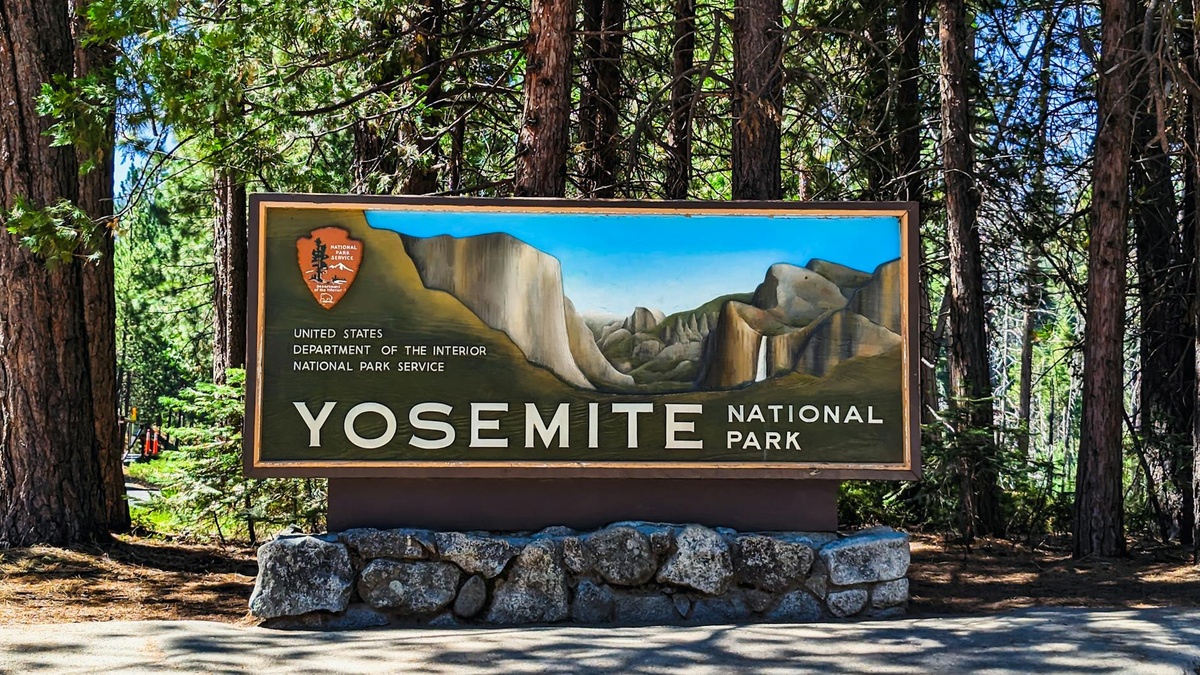
Entry is $25 per vehicle. The iconic saguaro cacti bloom in late May and early June, especially after a wetter winter (which 2026 delivered in parts of Arizona).
Best experience: Sunset at Gates Pass, just outside the park boundary — completely free and wildly underrated.
5. Congaree National Park (South Carolina)
Why now: Free entry and prime kayaking season.
Congaree is one of the few national parks with no entrance fee. Boardwalk trails take you through one of the tallest deciduous forests in North America.
May water levels are ideal for paddling Cedar Creek. Rent a kayak in Columbia for around $40–$60 per day.
Reality check: Bring bug spray. The mosquitoes here are ambitious.
6. Black Canyon of the Gunnison (Colorado)
Why now: Dramatic views before Colorado’s summer rush.
Entry is $30 per vehicle, and in late May the South Rim roads are typically fully open. The North Rim, which is quieter and rougher, usually opens by mid-May depending on snow.
The canyon is deeper than it looks in photos — nearly 2,000 feet in some sections. Short rim walks deliver huge payoff without full-day hikes.
Stay: Montrose instead of Telluride if you’re keeping costs down.
7. Cuyahoga Valley National Park (Ohio)
Why now: Wildflowers and waterfall season.
Yes, Ohio. And yes, it’s worth it.
This park is free to enter and incredibly accessible from Cleveland (30 minutes). In May, Brandywine Falls is roaring from spring rains, and the Towpath Trail is ideal for cycling.
Budget bonus: You can visit entirely as a day trip — no lodging required.
8. Olympic National Park (Washington)
Why now: Shoulder season pricing before summer tourism spikes.
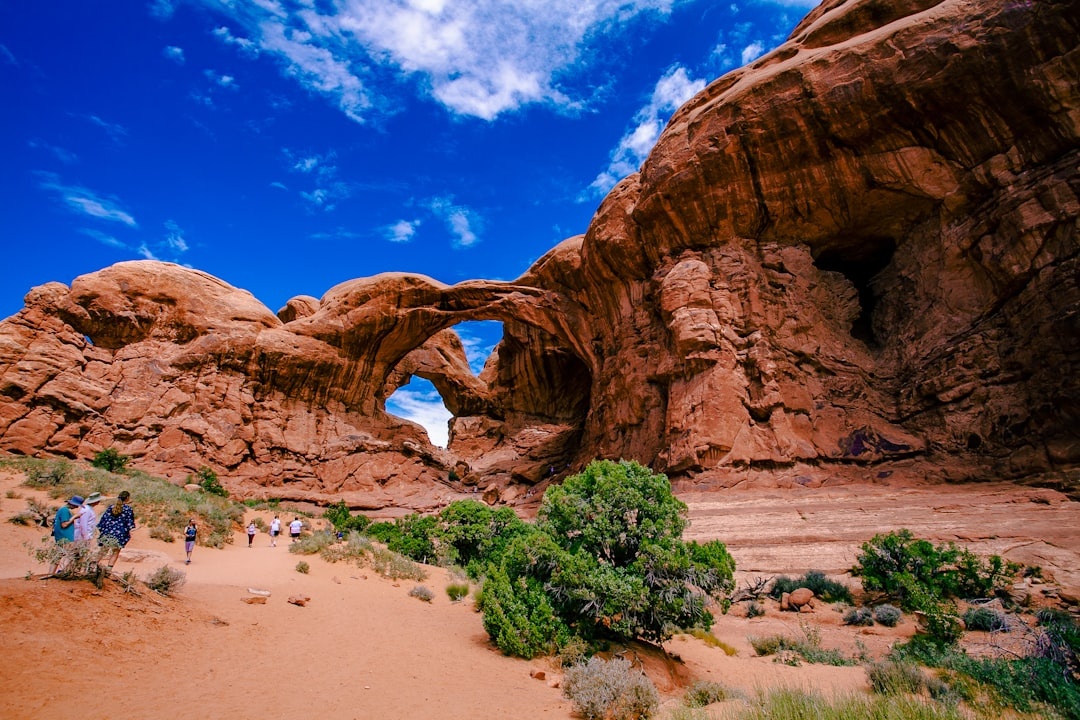
Entry is $30 per vehicle. By late May, lower-elevation rainforest trails like Hoh and Quinault are lush and green, while Hurricane Ridge typically reopens fully by early summer.
Peak July and August bring cruise traffic from Seattle and packed trailheads. Early June still feels calm.
Smart strategy: Base yourself in Port Angeles rather than inside the park to save hundreds on lodging.
How to Keep Your National Park Trip Cheap in 2026
Even affordable parks can get expensive fast. Here’s how I consistently keep trips under control:
- Buy the $80 America the Beautiful Pass if visiting 3+ parks in a year.
- Enter before 7 a.m. for easier parking and cooler temps.
- Pack lunches — park food options are limited and overpriced.
- Use offline maps (download in Google Maps or Apple Maps before entering).
- Travel midweek — Tuesday and Wednesday are noticeably quieter.
Also, keep an eye on evolving travel tech. With map apps experimenting with sponsored listings, it’s worth understanding how navigation tools are changing for travelers — especially if you rely heavily on them for road trips.
Why May–June Beats July–August
Once school’s out nationwide (typically mid-to-late June), visitation spikes sharply. Campgrounds fill, entrance lines grow, and lodging rates jump 20–40% in gateway towns.
In contrast, late May trips often mean:
- Wildflowers in bloom
- Cooler desert temps
- Better wildlife sightings
- More campsite availability
If you’re debating between a domestic park trip and going abroad this summer, you might also compare it with these visa-free international summer getaways for Americans in 2026. But if you want minimal planning and maximum scenery, a national park road trip wins for simplicity.
Final Thoughts: Go Now, Not in July
If you wait until peak summer, you’ll pay more and share viewpoints with bus tours and overheated toddlers.
Go in the next 4–6 weeks instead. Wake up early, bring more water than you think you need, and choose one of these underrated (and affordable) parks over the obvious bucket-list giants.
Your future July-self — stuck in traffic outside a park entrance — will thank you.
Frequently Asked Questions
What is the cheapest U.S. national park to visit?
Great Smoky Mountains, Congaree, and Cuyahoga Valley are completely free to enter (though Smokies require a small parking tag). Most other parks charge $30–$35 per vehicle for a 7-day pass.
Is May or June better for visiting national parks?
Late May to early June is ideal for fewer crowds and moderate temperatures. After mid-June, visitation increases significantly as schools break for summer.
How much should I budget for a 3-day national park trip?
For a budget trip: $30–$35 park entry, $100–$200 per night for lodging near the park (less if camping), and $50–$75 per day for food and gas. Many trips can be done for $400–$700 total.
Do I need reservations for national parks in May 2026?
Most of the parks listed here do not require timed entry reservations in May–June 2026, but always check the official park website for updates, especially for holiday weekends.

About the Author: Tomáš Bzirský
Founder and editor of Distratech. Based in the Czech Republic, travelling regularly from Central Europe. Writes practical travel guides and travel-tech comparisons (eSIM, apps, airports) in six languages.