'/%3E%3Cpath%20fill='%23b2b2b2'%20d='M241%20382q0%2016%2017%2026%2017%2011%2042%2011t42-11q16-11%2017-26V269H241'/%3E%3Cpath%20fill='%239f7e00'%20d='M241%20379q0%2014%208%2023%209%209%2021%209%2014%200%2021-9%209-9%209-23V269h-59'/%3E%3Cpath%20d='M241%20339v-70h59v110q0%2014-9%2023l-6%205v-68h-15v72q-8%200-14-4v-68zm59%2040c0%2022%2015%2032%2029%2032%2021%200%2030-18%2030-32v-40h-59'/%3E%3Cpath%20fill='%239f7e00'%20d='M266%20277v5h2v12h-3v-5h2v-5h-9v5h2v5h-4v9h3v18h-5v10h34v-10h-5v-18h3v-9h-4v-5h2v-5h-9v5h2v5h-3v-12h2v-5zm42%20101q0%2010%206%2017%206%206%2015%207%2010-1%2016-7%206-7%206-17v-29h-43'/%3E%3Ccircle%20fill='%230044ad'%20cx='329.5'%20cy='372'%20r='6'/%3E%3Cellipse%20fill='%230044ad'%20cx='300'%20cy='340'%20rx='16'%20ry='21'/%3E%3C/svg%3E)
'/%3E%3C/svg%3E)


'/%3E%3C/g%3E%3Cuse%20href='%23c'%20transform='matrix(-1%200%200%201%20720%200)'/%3E%3C/svg%3E)


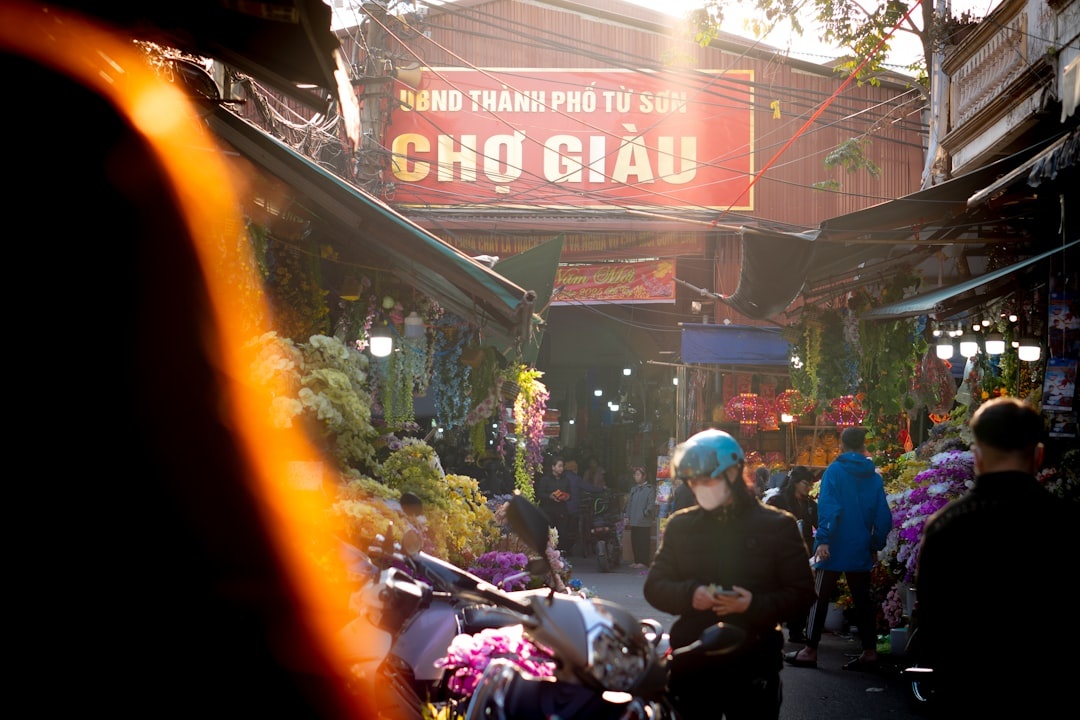
The first time I rode the Ha Giang Loop, I gripped the handlebars so tight my knuckles went white. By day two, I was pulling over every 20 minutes — not from fear, but because the views were so ridiculous I needed photos to prove they were real.
If you’re planning to tackle Vietnam’s most iconic motorbike route in late spring or summer 2026, here’s exactly what you need to know: which route to take, what it really costs, and how to stay safe without killing the adventure.
Key Takeaways
- The classic Ha Giang Loop is 350 km and takes 3–4 days to complete.
- Budget $180–$350 total for a 3–4 day trip (bike, fuel, food, lodging included).
- May–June offers lush green rice terraces but expect afternoon rain showers.
- Easy Rider tours cost $250–$400 and are ideal for beginners.
- An International Driving Permit (1968 convention) is technically required in 2026.
What Is the Ha Giang Loop?
The Ha Giang Loop is a 350-kilometer motorbike circuit in northern Vietnam, near the Chinese border. It winds through limestone karsts, deep valleys, ethnic minority villages, and the jaw-dropping Ma Pi Leng Pass.
It’s not a casual Sunday ride. Roads are steep, curvy, and sometimes foggy — but that’s exactly what makes it unforgettable.
Compared to other Southeast Asia road trips, this one feels raw and less commercial than, say, parts of Thailand’s Mae Hong Son Loop. Think dramatic, remote, and humbling.
Choosing Your Route (3 vs 4 Days)
If it’s your first time, don’t rush it. The difference between 3 and 4 days is the difference between “epic” and “why did we hurry?”
Option 1: The Classic 3-Day Loop (Fast-Paced)
Route: Ha Giang → Quan Ba → Yen Minh → Dong Van → Ma Pi Leng Pass → Du Gia → Ha Giang
This is doable but busy. You’ll ride 5–7 hours per day with limited downtime.
Best for confident riders short on time.
Option 2: The 4-Day Loop (Recommended)
Same route, just slower — and with more stops in Du Gia and Dong Van.
You’ll have time for waterfalls, short hikes, and proper coffee breaks overlooking valleys. In 2026, more eco-homestays have opened in Du Gia, and it’s easily my favorite overnight stop.
If this is your first time on a motorbike in Vietnam, choose 4 days. No debate.
How Much Does the Ha Giang Loop Cost in 2026?
Prices have crept up slightly since 2024, but it’s still one of the best-value adventures in Asia.
If You Ride Yourself (Semi-Independent)
- Motorbike rental (semi-auto): $10–$15/day
- Automatic scooter: $12–$18/day
- Fuel for entire loop: $15–$25 total
- Homestays: $8–$20/night (dinner often included)
- Food & coffee: $5–$10/day
- Bike insurance (optional but smart): ~$10–$20
Total for 4 days: $180–$250 all in.
Most hostels in Ha Giang city offer package deals with bike + accommodation discounts.
If You Book an Easy Rider Tour
An Easy Rider means you sit on the back while a local driver handles the roads.
Expect:
- $250–$400 for 3–4 days
- Includes bike, fuel, accommodation, meals, guide
- Small group (6–12 people typical)
If you’ve never driven a manual bike, this is 100% worth it. I’ve seen too many travelers underestimate these roads.
Best Time to Ride in 2026
Right now — May into June — the mountains are intensely green. Rice terraces are filling with water, creating mirror-like reflections.
But it’s also the start of the rainy season.
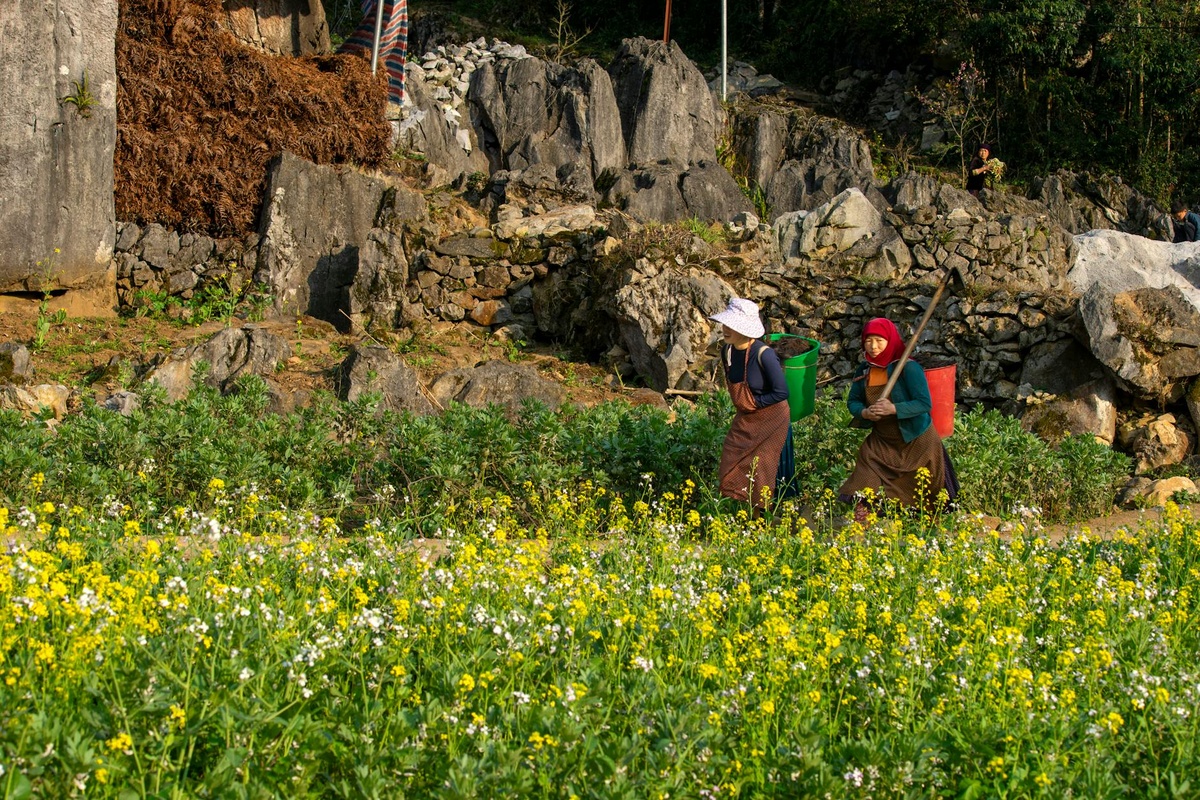
Expect short, heavy afternoon showers. Mornings are usually clearer, so start riding early (8–9am).
Best overall months:
- September–October: Golden rice harvest season.
- March–May: Clear skies, blooming flowers.
- December–January: Cool and misty (bring layers).
I’d avoid peak Tet (Vietnamese New Year) unless you love crowded roads and limited accommodation.
Safety Tips You Shouldn’t Ignore
This isn’t Bali. You can’t just wobble around and hope for the best.
1. Get the Right License
Vietnam legally requires an International Driving Permit (1968 convention). Police checks increased in 2025, especially near Dong Van.
Fines range from $40–$100 if you don’t have proper documentation.
2. Choose the Right Bike
Semi-automatic (Honda Blade or similar) is ideal. Automatics struggle on steep inclines.
Avoid the cheapest rental shop in town. Ask for brake and tire checks before leaving.
3. Don’t Ride at Night
Fog + livestock + potholes = terrible combination.
Plan to arrive at your homestay before sunset (around 6:30–7pm in summer).
4. Download Offline Maps
Signal disappears in mountain sections.
I recommend using an eSIM before arriving — especially if you’re traveling long-term. We compared the best options in this guide to international eSIMs for 2026, and Vietnam coverage is generally strong.
5. Pack Smart Tech
A lightweight power bank is non-negotiable. Cold weather drains batteries faster in the mountains.
If you’re working remotely before or after the Loop, check our roundup of travel gadgets actually worth packing in 2026. You don’t want to overload your backpack on this ride.
Where to Stay Along the Loop
Skip large tour-bus hotels. Homestays are the heart of the experience.
Dong Van
Stay near the Old Quarter for evening atmosphere. Bui Homestay and Green Karst are solid mid-range picks (~$15–$25).
Saturday night market here is lively but not Disneyland-level commercial.
Du Gia
My favorite stop.
Quiet valley, waterfalls nearby, family dinners with rice wine. Expect $10–$20 with dinner included.
If you’re choosing between spending extra time in Dong Van or Du Gia — pick Du Gia.
Food on the Ha Giang Loop
This isn’t a foodie destination like Hanoi — but that’s part of the charm.
Typical meals:
- Grilled pork with rice
- Tofu in tomato sauce
- Morning pho
- Happy water (local rice wine)
Budget $5–$8 per meal. Vegetarian options are available but limited in smaller villages — say “chay” clearly.
Common Mistakes First-Timers Make
- Overpacking (you’ll regret every extra kilo on steep climbs).
- Booking the absolute cheapest tour.
- Underestimating cold evenings — even in May.
- Trying to combine the Loop with too many destinations in one week.
Slow travel wins here. The Loop pairs well with a few chill days in Hanoi before or after — similar to how I recommend balancing culture and downtime in this 5-day Istanbul itinerary. Adventure needs recovery time.
Is the Ha Giang Loop Worth It in 2026?
Yes — but only if you respect it.
Tourism is growing, but it’s still far less developed than Sapa. You’ll share the road with other riders, but there are still long stretches where it’s just you, the mountains, and the sound of your engine echoing through valleys.
If you want curated comfort, skip it.
If you want one of the most cinematic road trips in Asia — go.
Final Thoughts: Should You Do It?
The Ha Giang Loop isn’t just a scenic ride. It’s four days of adrenaline, connection, and perspective.
Plan it well, don’t cut corners on safety, and give yourself time to actually enjoy the journey.
If Vietnam is on your 2026 summer list, this is the adventure you’ll talk about years from now.
Have questions about planning your route? Drop them in the comments on Distratech — I’m happy to help you map it out.
For places to stay during your Ha Giang Loop ride, you can browse and compare options with hotels in Vietnam for Ha Giang Loop travelers before you lock in your dates.
Frequently Asked Questions
How much does the Ha Giang Loop cost in 2026?
Expect $180–$250 if riding yourself for 4 days, or $250–$400 for a guided Easy Rider tour including accommodation and meals.
Is the Ha Giang Loop dangerous for beginners?
It can be challenging due to steep mountain roads and sharp curves. Beginners should consider an Easy Rider tour or practice riding before attempting the full loop.
Do I need an International Driving Permit in Vietnam?
Yes, Vietnam requires a 1968 convention International Driving Permit for legal riding. Police checks increased in 2025, and fines can reach $100 without proper documents.
How many days do you need for the Ha Giang Loop?
Three days is possible but rushed. Four days is ideal for first-timers, allowing time for viewpoints, waterfalls, and relaxed evenings in Du Gia.

About the Author: Tomáš Bzirský
Founder and editor of Distratech. Based in the Czech Republic, travelling regularly from Central Europe. Writes practical travel guides and travel-tech comparisons (eSIM, apps, airports) in six languages.