'/%3E%3Cpath%20fill='%23b2b2b2'%20d='M241%20382q0%2016%2017%2026%2017%2011%2042%2011t42-11q16-11%2017-26V269H241'/%3E%3Cpath%20fill='%239f7e00'%20d='M241%20379q0%2014%208%2023%209%209%2021%209%2014%200%2021-9%209-9%209-23V269h-59'/%3E%3Cpath%20d='M241%20339v-70h59v110q0%2014-9%2023l-6%205v-68h-15v72q-8%200-14-4v-68zm59%2040c0%2022%2015%2032%2029%2032%2021%200%2030-18%2030-32v-40h-59'/%3E%3Cpath%20fill='%239f7e00'%20d='M266%20277v5h2v12h-3v-5h2v-5h-9v5h2v5h-4v9h3v18h-5v10h34v-10h-5v-18h3v-9h-4v-5h2v-5h-9v5h2v5h-3v-12h2v-5zm42%20101q0%2010%206%2017%206%206%2015%207%2010-1%2016-7%206-7%206-17v-29h-43'/%3E%3Ccircle%20fill='%230044ad'%20cx='329.5'%20cy='372'%20r='6'/%3E%3Cellipse%20fill='%230044ad'%20cx='300'%20cy='340'%20rx='16'%20ry='21'/%3E%3C/svg%3E)
'/%3E%3C/svg%3E)


'/%3E%3C/g%3E%3Cuse%20href='%23c'%20transform='matrix(-1%200%200%201%20720%200)'/%3E%3C/svg%3E)


Istanbul is the only city where I’ve had breakfast in Europe, lunch in Asia, and sunset drinks overlooking both — all in the same day. It’s chaotic, layered, loud, and completely addictive.
Five days is the sweet spot. It gives you enough time to see the heavy hitters (Hagia Sophia, Blue Mosque, Grand Bazaar), but also wander Balat’s pastel streets, sip tea by the Bosphorus, and hunt down rooftop views most tourists miss.
Key Takeaways
- Plan 5 full days to balance historic sights with neighborhoods like Balat and Kadıköy.
- Major sights (Hagia Sophia, Topkapi, Basilica Cistern) cost €25–€45 each in 2026.
- Ferries across the Bosphorus cost under €1 and offer the best skyline views.
- Late May–June is ideal: warm (20–26°C), lively festivals, but fewer peak-summer crowds.
Day 1: Sultanahmet — The Icons (But Do It Smart)
Start early. I’m talking 8:30am early.
Hagia Sophia is still breathtaking, even if you’ve seen a thousand photos. Entry is around €25 for visitors (upper gallery access), and lines build fast by 10am. Dress modestly — it’s an active mosque.
Right across the square is the Blue Mosque (free entry). Go mid-morning when prayer times aren’t in session. The courtyard is just as photogenic as the interior.
From there, walk 5 minutes to the Basilica Cistern. Entry is about €30 in 2026, and yes — it’s worth it. The lighting and Medusa heads feel cinematic.
Have lunch at Sultanahmet Köftecisi. It’s touristy, but the meatballs are solid and fast. Skip the flashy restaurants with laminated menus and staff aggressively waving you in.
In the afternoon, visit Topkapi Palace (€45 with Harem access). Give it 2–3 hours. The terrace views over the Bosphorus alone justify the ticket.
End your day at a rooftop: Seven Hills Restaurant. Go for tea or a simple drink if you don’t want a full dinner. The view over Hagia Sophia at sunset is unreal — but reserve ahead in late spring and summer.
Day 2: Grand Bazaar, Spice Markets & Rooftop Evenings in Karaköy
Today is about sensory overload.
The Grand Bazaar opens around 9am (closed Sundays). It’s massive — over 4,000 shops. Don’t try to “see it all.” Pick a category (ceramics, textiles, jewelry) and focus.
Bargaining is expected. Start at 50–60% of the initial price and negotiate from there.
Walk downhill to the Spice Bazaar. Buy small quantities of Turkish delight and spices — airport versions are overpriced and bland.
Cross the Galata Bridge on foot. It takes 15–20 minutes and gives you classic skyline shots.
Climb (or queue) for Galata Tower — about €30 entry. Personally? I prefer rooftop bars nearby without the wait.
For sunset, head to Mikla. It’s pricey (tasting menus from €110), but this is modern Turkish cuisine at its best. If that’s out of budget, grab cocktails at 360 Istanbul instead.
Pro tip: You’ll want reliable data for maps and ride apps — Istanbul traffic is no joke. I usually set up an eSIM before landing. Here’s a detailed breakdown of the best eSIMs for international travel in 2026 if you’re comparing options.
Day 3: Colorful Balat & Trendy Fener
This is where Istanbul slows down.
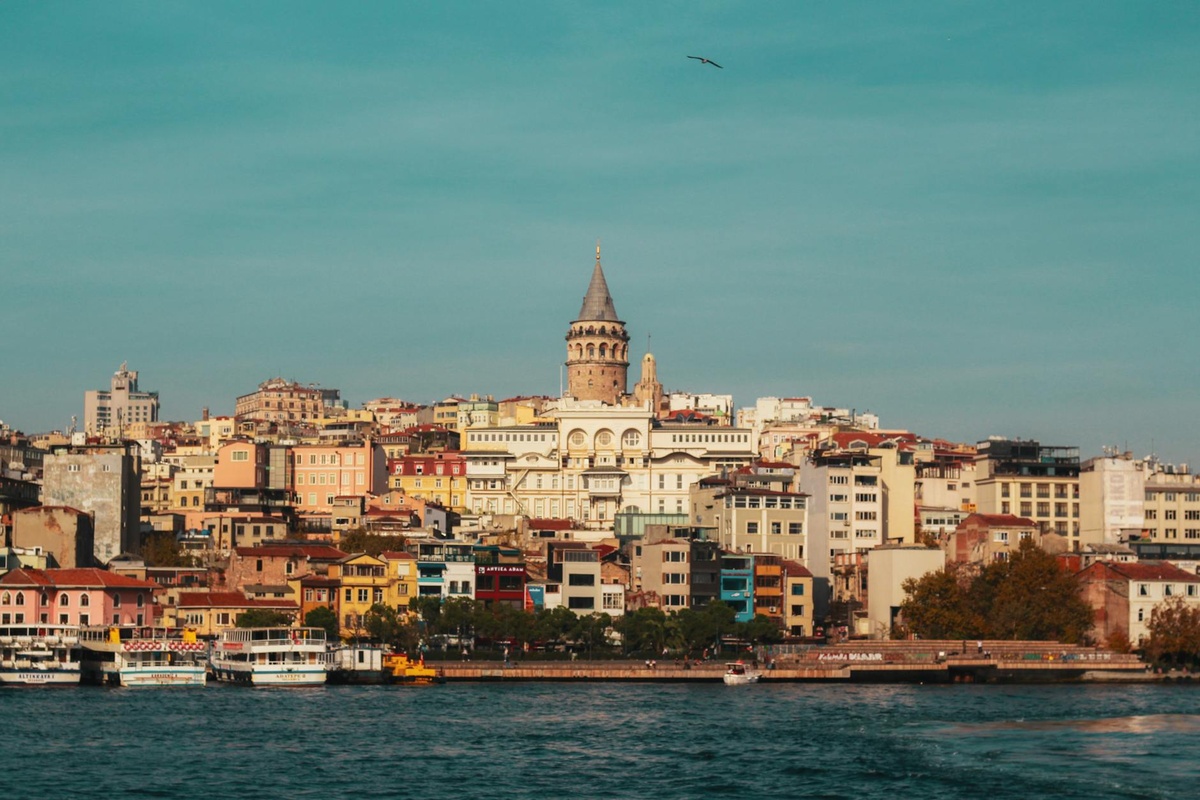
Take a taxi or bus to Balat in the morning (20–30 minutes from Sultanahmet depending on traffic). The pastel houses on Kiremit Street are Instagram-famous — go before 10am for quiet photos.
Have breakfast at Naftalin K. Vintage decor, strong Turkish coffee, and a relaxed vibe.
Wander without a strict plan. Peek into antique shops. Visit the Greek Orthodox Patriarchate in Fener. Let yourself get lost.
For lunch, try Forno Balat. Their lahmacun (Turkish flatbread with minced meat) is crispy, cheap (around €5–€7), and addictive.
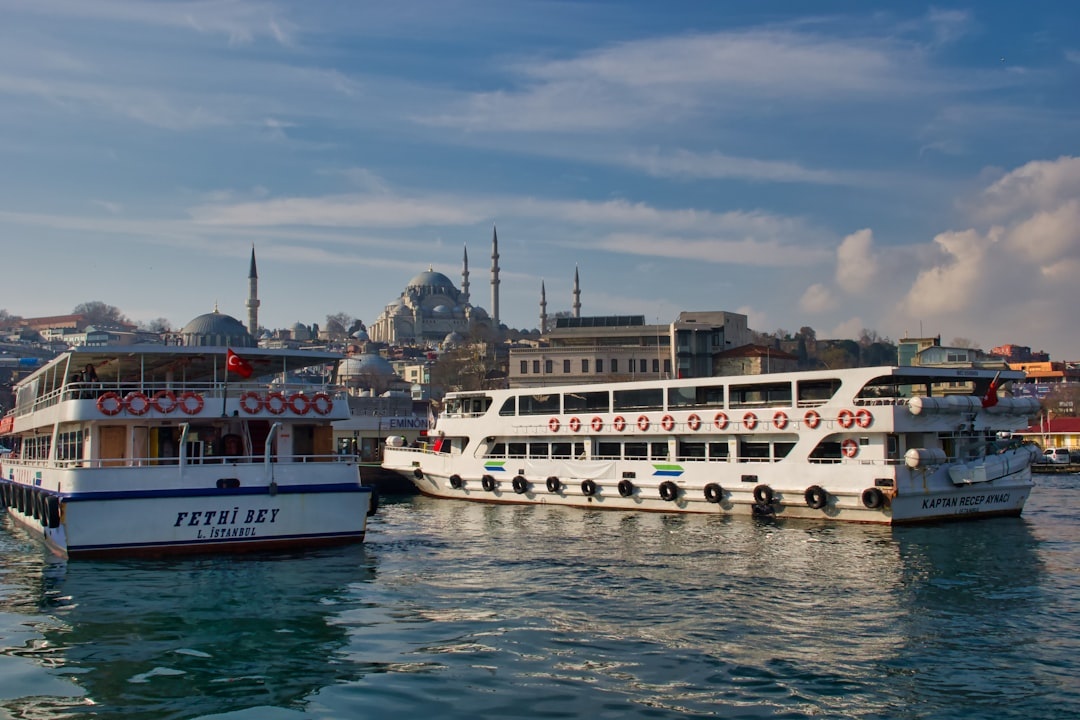
In the afternoon, head back toward Eminönü and take a public ferry at golden hour. It costs less than €1 and doubles as a sightseeing cruise. Sit outside for the breeze.
Day 4: Asian Side — Kadıköy & Moda
Yes, you should absolutely visit the Asian side.
Take the ferry from Eminönü or Karaköy to Kadıköy (20–30 minutes). The skyline view back toward Europe is one of the best in the city.
Kadıköy feels younger and more local. Start at the Kadıköy Market area. Snack your way through:
- Midye dolma (stuffed mussels)
- Fresh simit (sesame bread rings)
- Pistachio baklava from a local bakery
For a proper meal, try Çiya Sofrası. It specializes in regional Anatolian dishes you won’t easily find elsewhere.
Walk to Moda Park for sea views and a relaxed afternoon. In late May and June, this area fills with students and picnics — it’s lively but not overwhelming.
Come back after dark or stay for bar hopping. Kadıköy nightlife is more laid-back and less tourist-driven than Taksim.
Day 5: Dolmabahçe, Taksim & A Bosphorus Finale
Start at Dolmabahçe Palace (€40–€45). It’s opulent, European, and completely different from Topkapi. The crystal staircase and chandeliers are outrageous.
Walk or tram up to Istiklal Street. It’s crowded and commercial, but still worth seeing once. Duck into side streets for better cafés and record shops.
Avoid eating directly on Istiklal — overpriced and average.
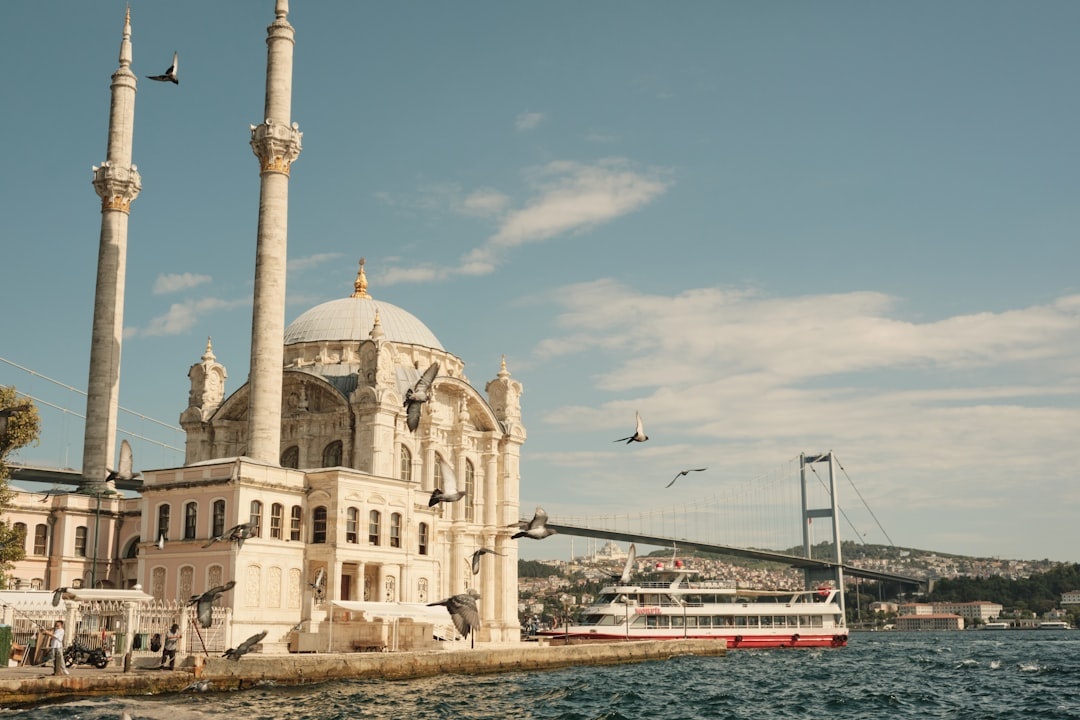
For your final evening, book a Bosphorus dinner cruise (from €35–€70) or simply piece it together yourself: ferry ride + waterside dinner in Ortaköy.
Ortaköy at night, with the illuminated bridge overhead, is pure Istanbul magic.
Where to Stay (By Vibe)
Sultanahmet: Best for first-timers who want walking distance to major sights.
Karaköy: Trendy, central, great cafés and rooftops.
Kadıköy: Local feel, cheaper stays, but requires ferry rides daily.
Budget €120–€250 per night for a stylish boutique hotel in late spring 2026. Prices spike in July and August.
Practical Tips for Visiting Istanbul in Late Spring & Summer
- Book major attractions online — lines are longer as festival season begins in June.
- Carry cash for markets and smaller eateries.
- Use trams and ferries — faster than taxis during rush hour.
- Dress light but modestly for mosque visits.
- Start sightseeing early — afternoons can hit 26–30°C by June.
If you’re traveling long-term or working remotely, lightweight gear makes a difference. I’ve rounded up genuinely useful tools in this guide to the best travel gadgets for digital nomads in 2026.
Estimated Budget for 5 Days (Mid-Range)
Accommodation: €600–€1,000
Attractions: €150–€200
Food: €25–€60 per day
Transport: €15–€30 total (public transit + ferries)
You can absolutely do it cheaper — especially by focusing on street food and free mosques — but Istanbul rewards a little strategic splurging (Topkapi, a rooftop dinner, Dolmabahçe).
When Is the Best Time to Visit Istanbul?
Late May and June are excellent. Expect warm days (20–26°C), long daylight hours, and a buzzing atmosphere as summer events ramp up.
July and August are hotter and more crowded. September is another sweet spot with fewer cruise groups.
Final Thoughts: Why 5 Days in Istanbul Feels Just Right
Istanbul isn’t a checklist city. It’s a place where the call to prayer echoes across the water while ferries glide between continents.
Five days gives you contrast — imperial palaces and street food stalls, rooftop cocktails and ferry rides under €1. It’s enough time to feel the rhythm without burning out.
If you’re planning a Europe or multi-country trip this summer, put Istanbul near the top. Then build your route around it.
If you want to book your stay, find the best hotels in Istanbul and lock in your dates early.
Frequently Asked Questions
Is 5 days enough in Istanbul?
Yes — 5 days lets you see the main historic sights, explore two to three neighborhoods, and visit the Asian side without rushing. Shorter trips (2–3 days) feel compressed and skip local experiences.
How much does a 5-day trip to Istanbul cost?
For a mid-range traveler in 2026, expect €900–€1,400 total including hotel, food, attractions, and transport. Budget travelers can spend less by staying in Kadıköy and focusing on free sights.
What is the best area to stay in Istanbul for first-time visitors?
Sultanahmet is the most convenient for first-timers because you can walk to Hagia Sophia, the Blue Mosque, and Topkapi. Karaköy is better if you prefer trendy cafés and nightlife.
Is Istanbul expensive in 2026?
Compared to Western Europe, Istanbul is still relatively affordable, especially for food and transport. Major attractions have increased in price, but street food and ferries remain budget-friendly.

About the Author: Tomáš Bzirský
Founder and editor of Distratech. Based in the Czech Republic, travelling regularly from Central Europe. Writes practical travel guides and travel-tech comparisons (eSIM, apps, airports) in six languages.