'/%3E%3Cpath%20fill='%23b2b2b2'%20d='M241%20382q0%2016%2017%2026%2017%2011%2042%2011t42-11q16-11%2017-26V269H241'/%3E%3Cpath%20fill='%239f7e00'%20d='M241%20379q0%2014%208%2023%209%209%2021%209%2014%200%2021-9%209-9%209-23V269h-59'/%3E%3Cpath%20d='M241%20339v-70h59v110q0%2014-9%2023l-6%205v-68h-15v72q-8%200-14-4v-68zm59%2040c0%2022%2015%2032%2029%2032%2021%200%2030-18%2030-32v-40h-59'/%3E%3Cpath%20fill='%239f7e00'%20d='M266%20277v5h2v12h-3v-5h2v-5h-9v5h2v5h-4v9h3v18h-5v10h34v-10h-5v-18h3v-9h-4v-5h2v-5h-9v5h2v5h-3v-12h2v-5zm42%20101q0%2010%206%2017%206%206%2015%207%2010-1%2016-7%206-7%206-17v-29h-43'/%3E%3Ccircle%20fill='%230044ad'%20cx='329.5'%20cy='372'%20r='6'/%3E%3Cellipse%20fill='%230044ad'%20cx='300'%20cy='340'%20rx='16'%20ry='21'/%3E%3C/svg%3E)
'/%3E%3C/svg%3E)


'/%3E%3C/g%3E%3Cuse%20href='%23c'%20transform='matrix(-1%200%200%201%20720%200)'/%3E%3C/svg%3E)


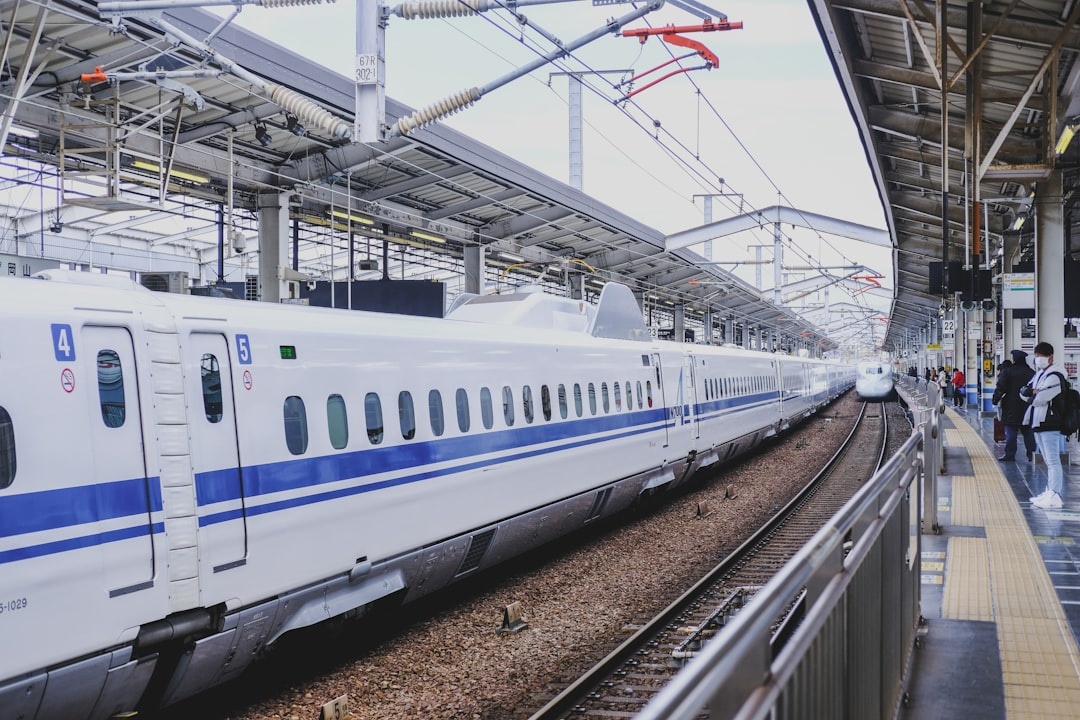
The first time I used a Japan Rail Pass, I covered 1,100+ kilometers in a week — from Tokyo’s neon chaos to Hiroshima’s sobering Peace Park — without booking a single domestic flight. I spent roughly ¥50,000 ($330–$350) on a 7‑day JR Pass and rode bullet trains that were cleaner than most airport lounges.
If you’re planning a first trip to Japan in summer 2026, this is the smartest, smoothest way to do it. You’ll move fast, see the classics, and avoid backtracking — all while experiencing the rail system that makes the rest of the world look disorganized.
Key Takeaways
- A 7-day JR Pass costs roughly ¥50,000 and pays off if you ride Tokyo–Kyoto–Hiroshima round-trip.
- Reserve Shinkansen seats in advance during summer festival season (June–August 2026).
- Tokyo to Kyoto takes ~2 hr 15 min on the Nozomi (JR Pass holders use Hikari, ~2 hr 40 min).
- Stay near major stations (Tokyo, Kyoto, Osaka) to maximize JR access and save time.
- Late May–early June offers warm weather and fewer crowds before peak summer travel.
Is the Japan Rail Pass Worth It in 2026?
After the 2023 price increase, the JR Pass isn’t automatically a bargain. But for this exact route — Tokyo → Kyoto → Hiroshima → Osaka → Tokyo — it still makes financial sense.
Individual tickets for those routes would cost roughly ¥60,000+. The 7‑day pass keeps you flexible and removes the headache of buying separate long-distance tickets.
Pro tip: Activate your pass the morning you leave Tokyo. Spend your arrival days using a Suica or Pasmo card locally.
Day 1–2: Tokyo — Neon, Noodles & Neighborhood Wandering
Land in Tokyo and do not rush out immediately. The city deserves at least two full days.
Stay near Tokyo Station, Ueno, or Shinjuku for easy JR access. Rooms average $120–$220 per night in solid 3–4 star hotels.
Day 1: Hit Asakusa’s Senso-ji early (before 9am), then cross to Akihabara. At sunset, head to Shibuya Sky — yes, it’s touristy, but the skyline view is worth the ¥2,200 ticket.
Day 2: Meiji Shrine in the morning, Harajuku for people-watching, then explore Daikanyama for a calmer vibe. If you need a reset from the intensity, lean into Japan’s version of urban slow living — think park walks and quiet cafés, similar to what we explore in our guide to urban calmcations.
Food-wise? Skip themed cafés. Eat ramen at Ichiran, sushi at a standing counter in Tsukiji Outer Market, and grab egg salad sandwiches from 7‑Eleven (trust me).
Day 3: Tokyo to Kyoto (Mount Fuji Views Included)
This is when your JR Pass starts earning its keep.
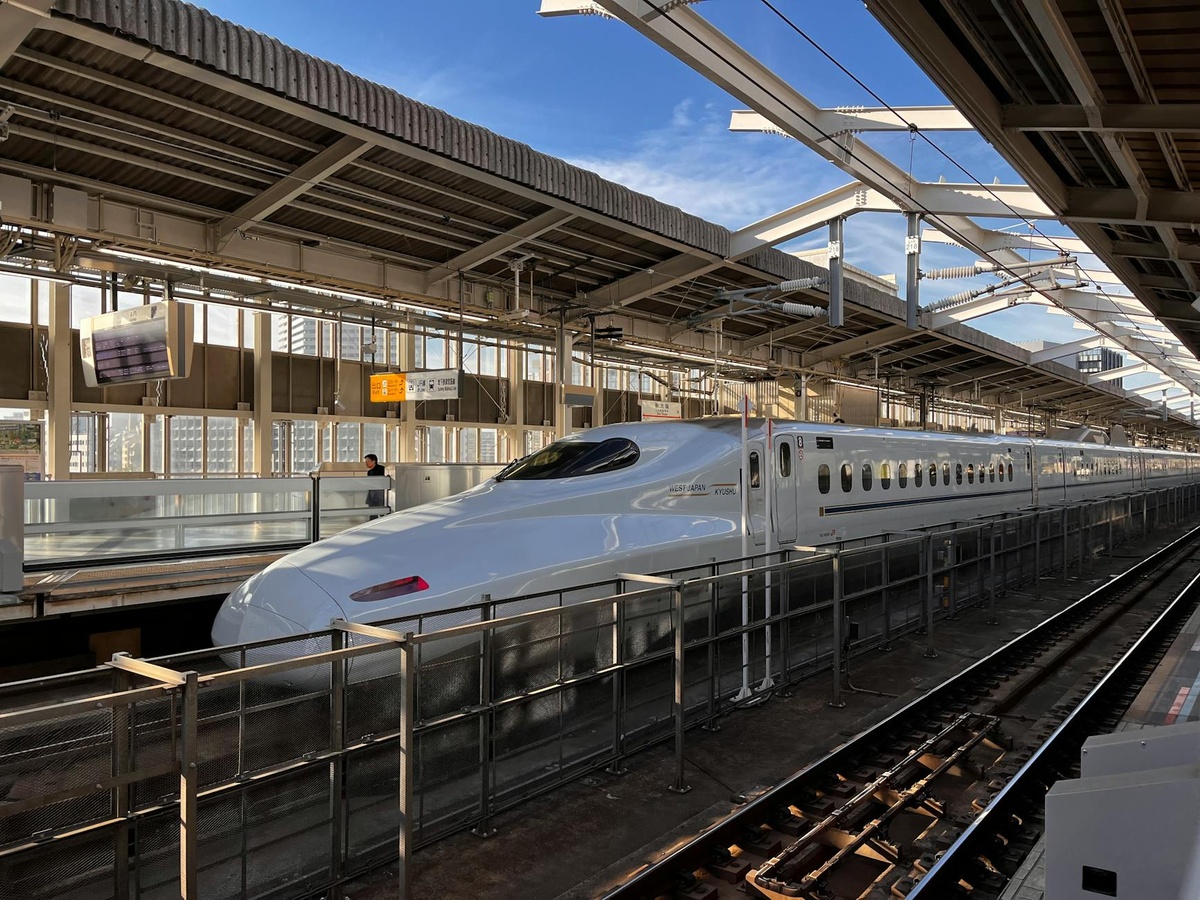
Take the Hikari Shinkansen from Tokyo Station to Kyoto. Travel time: ~2 hours 40 minutes.
Sit on the right side for potential Mount Fuji views about 45 minutes into the ride — especially beautiful in late spring when skies are clearer before the humid summer haze sets in.
Arrive in Kyoto by early afternoon. Drop bags and head straight to Fushimi Inari Taisha. Go at dusk. The crowds thin, the torii gates glow, and it’s far more atmospheric.
Day 4: Kyoto — Temples & Tea Houses
Kyoto is compact but intense. Start early.
Be at Arashiyama Bamboo Grove by 7:30am. It’s magical at sunrise and unbearable by 10am.
Then visit Kinkaku-ji (Golden Pavilion). It’s busy, yes, but it’s iconic for a reason. Skip the overpriced souvenir stalls outside.
In the afternoon, explore Gion and Pontocho Alley. If you’re lucky, you might spot a geiko heading to an engagement — but don’t chase or photograph aggressively.
Dinner recommendation: Yudofu (tofu hot pot) or a casual izakaya near Kawaramachi. Budget ¥3,000–¥5,000 per person for a great meal.
Day 5: Hiroshima Day Trip (Yes, It’s Worth It)
From Kyoto, take the Shinkansen to Hiroshima. Travel time: ~1 hour 40 minutes.
The Peace Memorial Park is sobering but essential. The museum was renovated recently and is deeply moving without being overwhelming.
If you have time, ferry to Miyajima Island (covered by JR). The floating torii gate at high tide is one of Japan’s most photogenic sights.
Try Hiroshima-style okonomiyaki for lunch. It’s layered with noodles and far superior (in my opinion) to the Osaka version.
Day 6: Osaka — Street Food & Night Energy
Kyoto to Osaka takes just 30 minutes by JR train.
Osaka is louder, grittier, and more food-obsessed than Kyoto. Think of it as Japan’s answer to Bangkok’s street food culture — if you love exploring food cities, you’ll appreciate the energy we talk about in our Bangkok street food guide.
Head straight to Dotonbori. Yes, it’s flashy and touristy — but it’s fun.
Eat:
- Takoyaki (octopus balls) from a busy street stall
- Kushikatsu (deep-fried skewers) in Shinsekai
- Cheesecake from Rikuro’s
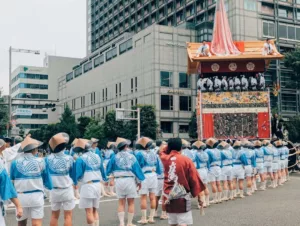
If visiting in late July 2026, check dates for Tenjin Matsuri — one of Japan’s biggest festivals with river processions and fireworks.
Day 7: Back to Tokyo (or Add Hakone)
Take the Shinkansen back to Tokyo in the morning (~3 hours from Osaka).
If your flight is the next day and you want something slower, detour to Hakone for hot springs and Mount Fuji views. It’s an easy side trip and a relaxing way to end a fast-paced week.
Otherwise, spend your final night shopping in Ginza or exploring Odaiba’s futuristic waterfront.
Practical Rail Tips for 2026
- Book JR Pass online before arriving in Japan; exchange the voucher at major airports.
- Reserve Shinkansen seats for weekends and festival periods.
- Download the Japan Travel by Navitime app for real-time train schedules.
- Use luggage forwarding (takkyubin) if you’re carrying large suitcases.
- Avoid rush hour (7:30–9am, 5–7pm) on local Tokyo trains.
Wi‑Fi tip: Pocket Wi‑Fi rental averages $5–$8 per day, but most travelers in 2026 use eSIMs for easier setup.
Budget Breakdown (Mid-Range, 2026 Prices)
Here’s what a realistic 7-day trip costs per person (excluding flights):
- JR Pass: ~$330–$350
- Hotels (6 nights, shared double): $500–$900
- Food: $30–$60 per day
- Attractions & extras: $100–$150
Total estimate: $1,200–$1,800 depending on comfort level.
When Is the Best Time for This Itinerary?
Late May to early June 2026 is ideal: warm (20–27°C / 68–80°F), manageable crowds, and hydrangeas blooming in Kyoto temples.
July is vibrant but hot and humid. August brings festival energy but peak domestic travel.
If you’re comparing summer trips globally — maybe weighing Japan against a U.S. long weekend — our guide to July 4th weekend getaways offers some quick alternatives.
Final Thoughts: Is 7 Days Enough?
Seven days in Japan is fast — but it’s unforgettable.
This rail route gives you contrast: hyper-modern Tokyo, traditional Kyoto, emotional Hiroshima, and food-crazy Osaka. You’ll leave tired, overstimulated, and already planning a return trip.
If it’s your first visit in 2026, this is the route I’d recommend without hesitation. Book the pass, pack light, and let the Shinkansen do the work.
And when you get back? Start planning trip number two — because Japan has a way of pulling you back in.
Frequently Asked Questions
How much does a 7-day Japan Rail Pass cost in 2026?
The 7-day nationwide JR Pass costs roughly ¥50,000 (about $330–$350 depending on exchange rates). It’s worth it if you’re traveling long distances like Tokyo–Kyoto–Hiroshima round-trip.
Is 7 days enough for a first trip to Japan?
Yes, if you focus on the Tokyo–Kyoto–Osaka route with one major day trip. It’s fast-paced but covers Japan’s most iconic highlights efficiently.
Can I ride the Nozomi Shinkansen with a JR Pass?
No, the standard JR Pass does not cover Nozomi trains. Use the Hikari service instead, which is only about 20–30 minutes slower on major routes.
What is the best month to visit Japan in 2026?
Late May and early June 2026 offer warm weather and fewer crowds before peak summer travel. July and August are lively but hot and humid.

About the Author: Tomáš Bzirský
Founder and editor of Distratech. Based in the Czech Republic, travelling regularly from Central Europe. Writes practical travel guides and travel-tech comparisons (eSIM, apps, airports) in six languages.