'/%3E%3Cpath%20fill='%23b2b2b2'%20d='M241%20382q0%2016%2017%2026%2017%2011%2042%2011t42-11q16-11%2017-26V269H241'/%3E%3Cpath%20fill='%239f7e00'%20d='M241%20379q0%2014%208%2023%209%209%2021%209%2014%200%2021-9%209-9%209-23V269h-59'/%3E%3Cpath%20d='M241%20339v-70h59v110q0%2014-9%2023l-6%205v-68h-15v72q-8%200-14-4v-68zm59%2040c0%2022%2015%2032%2029%2032%2021%200%2030-18%2030-32v-40h-59'/%3E%3Cpath%20fill='%239f7e00'%20d='M266%20277v5h2v12h-3v-5h2v-5h-9v5h2v5h-4v9h3v18h-5v10h34v-10h-5v-18h3v-9h-4v-5h2v-5h-9v5h2v5h-3v-12h2v-5zm42%20101q0%2010%206%2017%206%206%2015%207%2010-1%2016-7%206-7%206-17v-29h-43'/%3E%3Ccircle%20fill='%230044ad'%20cx='329.5'%20cy='372'%20r='6'/%3E%3Cellipse%20fill='%230044ad'%20cx='300'%20cy='340'%20rx='16'%20ry='21'/%3E%3C/svg%3E)
'/%3E%3C/svg%3E)


'/%3E%3C/g%3E%3Cuse%20href='%23c'%20transform='matrix(-1%200%200%201%20720%200)'/%3E%3C/svg%3E)


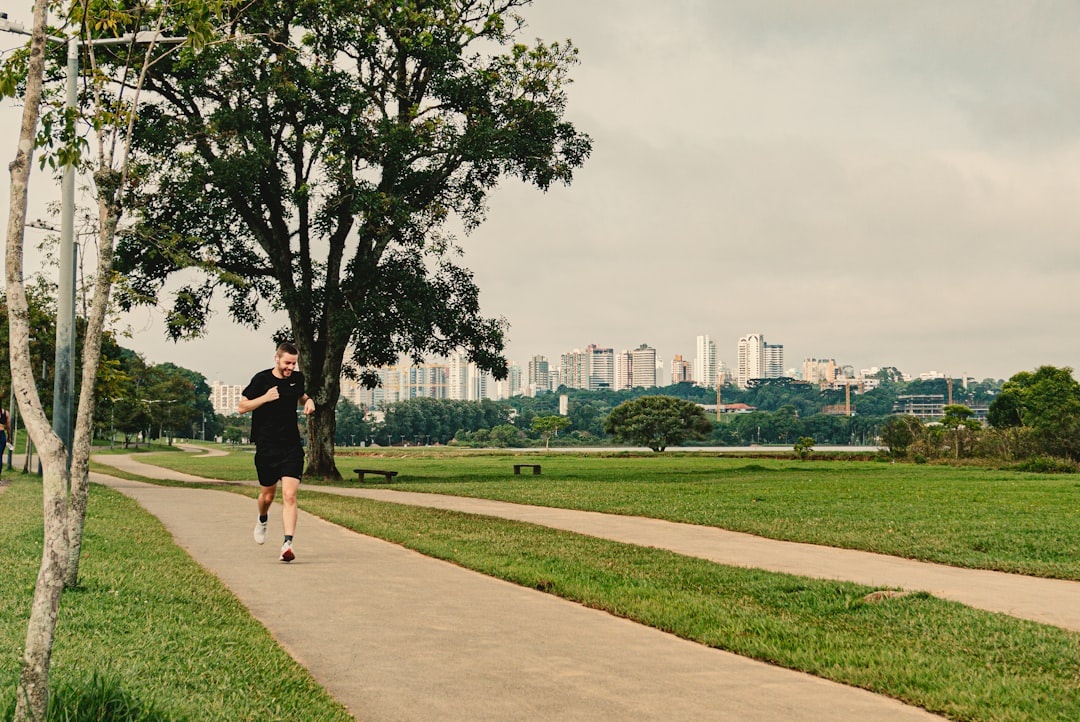
Last June, instead of booking a €600 beach getaway, I spent a long weekend “on holiday” five subway stops from my apartment. Mornings in a rose garden, afternoons in a thermal spa, evenings with my phone on airplane mode and a paperback in hand. Total cost: under €180.
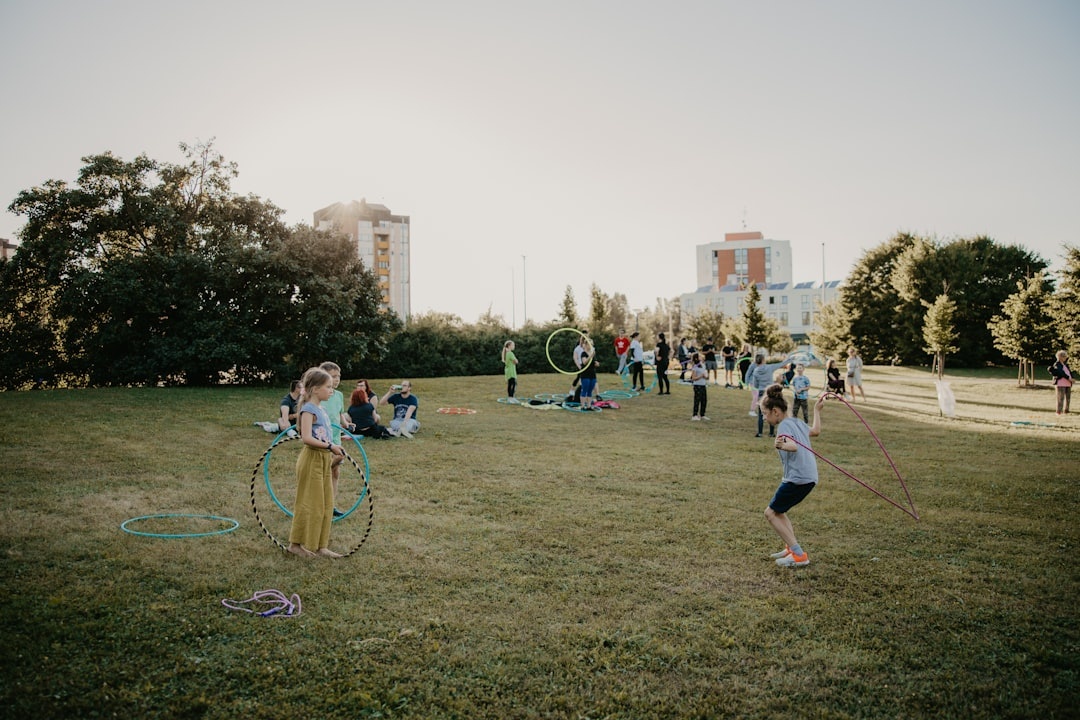
That’s when I became a convert to the calmcation — a slow, restorative city break built around parks, wellness centres, and deliberate disconnection. Late spring is the perfect time for it: longer days, blooming gardens, and just enough warmth to sit outside for hours without melting into a tourist crowd.
Key Takeaways
- You can plan a 2–3 day urban calmcation for €150–€300 including spa entry and meals.
- Late May and early June offer ideal park weather (18–25°C in most European and U.S. cities).
- Book weekday morning spa slots to save 10–30% and avoid weekend crowds.
- Choose accommodation within 15 minutes’ walk of a major park to reduce transit stress.
- Use tech intentionally: offline maps, Do Not Disturb mode, and screen-time limits.
Step 1: Choose the Right City (and Neighborhood)
A calmcation isn’t about the biggest attractions. It’s about access to green space and quiet corners.
Look for cities with large central parks (at least 2–3 km²), reliable public transport, and established wellness culture. Think: Berlin (Tiergarten + Vabali Spa), New York (Central Park + Aire Ancient Baths), Kyoto (temple gardens + onsen culture — especially magical in late spring; see our guide to Kyoto in late spring for specifics).
But here’s the real trick: stay near the park, not near the “top attractions.” Being a 5–10 minute walk from greenery changes your rhythm completely.
In most major cities, that means:
- €120–€220 per night for a well-rated boutique hotel near a central park
- €80–€150 for a stylish Airbnb studio in residential neighborhoods
- 15 minutes or less on foot to your daily green space
If you’re flying for this (even short-haul), use flexible date tools and price alerts. Our guide on how to find cheap flights for summer 2026 breaks down which weekdays are trending cheapest right now.
Step 2: Build Your Mornings Around Urban Parks
Mornings set the tone. And late spring is prime time — flowers are blooming, but school holidays haven’t fully kicked in yet.
Arrive before 9 a.m. Bring coffee. Walk without a podcast.
Some of my favorite calmcation park rituals:
- 1-hour “no-photo” walk: No Instagram. Just notice smells, sounds, temperature.
- Outdoor journaling: 20 minutes on a bench; zero agenda.
- Casual bike rental: €10–€20 per hour in most cities.
- Pop-up yoga classes: Often €15–€25 in large parks May–June.
In cities like Paris, Madrid, Chicago, or Vienna, you can easily spend 2–3 hours in a single park without repeating a path. That’s not “killing time.” That’s the point.
Avoid parks directly next to major monuments between 11 a.m. and 4 p.m. That’s when tour groups roll in. Instead, explore secondary entrances or botanical sections.
Step 3: Book a Proper Wellness Experience (Not a Gimmick)
This is where many calmcations go wrong.
Skip the hotel “spa corner” with one sauna and a scented candle. Instead, book a real thermal bath, hammam, or multi-room wellness centre where you can stay 3–4 hours.
Typical late spring pricing (2026 averages):
- Day pass to thermal spa: €30–€60
- 2-hour hammam ritual: €70–€120
- 60-minute massage: €80–€150 (cheaper midweek)
Go on a weekday morning if possible. In many cities, Tuesday–Thursday before noon is blissfully quiet and 10–30% cheaper.
Plan it for Day 2 of your calmcation. By then, you’ve already slowed down enough to actually enjoy doing nothing in a steam room.
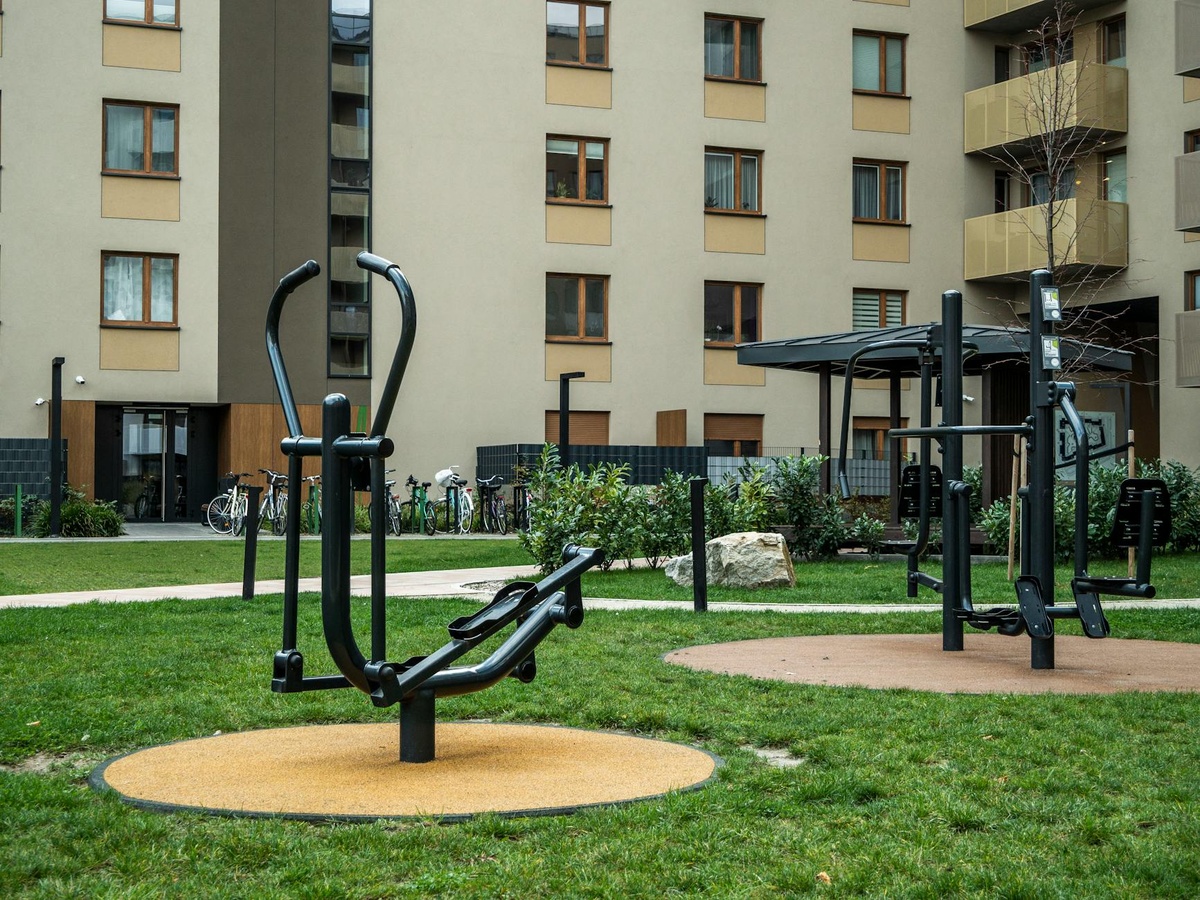
Step 4: Practice “Urban Slow Living” (Yes, Intentionally)
Slow living doesn’t magically happen because you changed zip codes.
You need structure — or you’ll end up doom-scrolling in a cute café.
Here’s a simple framework I use:
- One main activity per half-day. That’s it. Park in the morning, spa in the afternoon. Nothing else.
- Long lunches. Minimum 90 minutes. Order a starter. Stay.
- Analog hours. At least 3 hours daily without screens.
- Evening walks. Post-dinner strolls lower stress and improve sleep.
Late spring evenings are ideal for this. In most European cities, sunset is after 8:30 p.m. right now. That golden-hour light in urban parks? Better than any rooftop bar.
Where to Eat on a Calmcation (Without Ruining the Mood)
You don’t want loud, high-turnover restaurants. You want places where nobody rushes you.
Look for:
- Neighborhood bistros away from main squares
- Lunch prix-fixe menus (€18–€30 in many cities)
- Cafés with outdoor terraces facing parks
- Farmers’ markets (peak season starts now in May)
Personally, I skip trendy brunch spots with 45-minute waits. Standing in line defeats the purpose.
Instead, grab market picnic supplies — bread, local cheese, fruit — and eat on a blanket. Budget: €10–€20 per person. Experience: priceless cliché, but true.
Use Tech to Disconnect (Yes, Really)
This is Distratech, so we don’t ignore the tech side.
The irony of a calmcation is that your phone can either ruin it — or protect it.
- Download offline maps before you go (Google Maps or Maps.me).
- Set app limits for social media (30 minutes max per day).
- Use “Focus” or “Do Not Disturb” modes during park hours.
- Track steps instead of notifications — aim for 12,000–15,000 daily.
And if you’re setting up new travel accounts or emails before your trip, note that Gmail’s signup process now requires QR code scanning and SMS verification — something to handle before you’re relying on airport Wi-Fi. We broke it down in detail in our coverage of the recent Gmail changes (especially relevant for international travelers).
Sample 3-Day Urban Calmcation Itinerary
Day 1 (Arrival + Reset)
Check in. 1-hour park walk. Casual dinner near your hotel. Early night.
Day 2 (Deep Relaxation)
Morning coffee + journaling in the park. 3–4 hours at a wellness centre. Long, slow dinner.
Day 3 (Light Exploration)
Farmers’ market visit. Museum with a garden courtyard. Sunset walk. Train or flight home.
Total estimated budget (European city example):
- 2 nights hotel: €280
- Spa day pass + massage: €110
- Food: €120
- Local transport + extras: €40
- Total: ~€550 (or less with Airbnb + no massage)
Compare that to a peak-season beach trip with flights, taxis, and inflated resort prices. Calm doesn’t have to be expensive.
When Is the Best Time for an Urban Calmcation?
Right now — late May through mid-June — is arguably the sweet spot.
Weather is warm but not oppressive (18–25°C in much of Europe and the northern U.S.). Parks are lush. Summer festival chaos hasn’t fully taken over.
Avoid:
- Major marathon weekends (parks get blocked)
- Large music festivals unless you enjoy background bass
- Peak July heat in cities without strong green cover
If you’re planning around a holiday weekend like July 4th in the U.S., consider whether you want calm or fireworks. For more festive escapes, see our curated list of July 4th weekend getaways — but for a true calmcation, go a week earlier.
Why a Calmcation Works (Even Better Than a Beach Trip)
Beaches are wonderful. But they often involve airports, transfers, packed coastlines, and sunburn.
An urban calmcation gives you structure without stress. Green space for your nervous system. Wellness rituals for your body. Good food without the all-inclusive buffet.
You return home feeling like you rested — not like you need a vacation from your vacation.
Conclusion: Slow Down Without Leaving the City
You don’t need turquoise water to reset.
Sometimes, all it takes is a park bench, a steam room, and the discipline to do less. This late spring, before summer travel hits full chaos, block three days on your calendar and design your own urban calmcation.
And if you do, tell me: park at sunrise or spa at sunset?
If you want to book your own slow city break, browse hotels in Lisbon to match your dates and budget.
Frequently Asked Questions
What is a calmcation?
A calmcation is a slow-paced city break focused on relaxation, parks, wellness centres, and minimal scheduling. Instead of sightseeing marathons, you prioritize green space, spa time, and long meals.
How much does an urban calmcation cost?
In most European or U.S. cities, expect €150–€300 for a 2–3 day stay excluding flights. A full spa day typically costs €30–€60, while boutique hotels near parks average €120–€220 per night.
When is the best time for a city calmcation?
Late May to mid-June and September are ideal due to mild weather (18–25°C) and fewer crowds. Avoid peak summer heat and major festival weekends if you want true calm.
Is a calmcation better than a beach holiday?
It depends on your goal. If you want minimal travel stress, lower costs, and structured relaxation, a calmcation often feels more restorative than a crowded peak-season beach trip.

About the Author: Tomáš Bzirský
Founder and editor of Distratech. Based in the Czech Republic, travelling regularly from Central Europe. Writes practical travel guides and travel-tech comparisons (eSIM, apps, airports) in six languages.