I’ve done this route three times now, and every time I’m reminded why Portugal might be Europe’s best train trip for the price. For under €120 in total rail tickets, you can travel from Porto’s tiled stations to the Algarve’s golden cliffs — no car, no toll roads, no parking stress.
Late spring (May into early June 2026) is perfect for it. Wildflowers still dot the hills, the Algarve water is warming up, and summer crowds haven’t fully landed — though book trains ahead if you’re traveling around Portugal Day (June 10).
Key Takeaways
- Total train costs for this 7-day route average €90–€120 booked in advance.
- Fast Alfa Pendular trains connect Porto to Lisbon in about 2h50.
- Lisbon to Lagos (Algarve) takes 3h30–4h depending on connections.
- Late May and early June offer 20–25°C weather with fewer crowds than July.
- Seat reservations are required on Alfa Pendular and Intercidades trains.
Day 1: Porto — Tiles, Port Wine & Riverside Sunsets
Start at São Bento Station. Even if you’re not catching a train yet, go inside. The blue-and-white azulejo tiles depicting Portuguese history are worth 20 minutes of your time.
Spend the afternoon wandering Ribeira, but skip the first-row tourist restaurants along the water. Walk two streets uphill for better food and half the price.
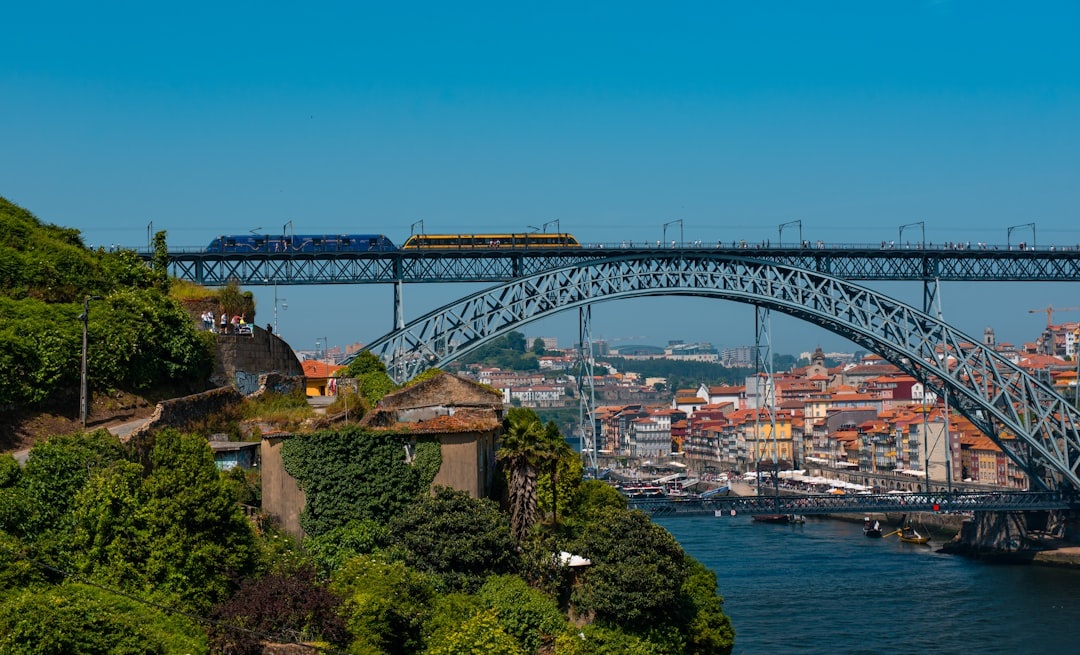
Don’t miss: A port tasting in Vila Nova de Gaia (across the bridge). Cálem and Graham’s are solid, but smaller cellars like Poças feel less corporate.
Budget: €8–€15 for tastings, €12–€20 for a good dinner with wine.
Day 2: Porto to Coimbra — Portugal’s Romantic Middle Child
Morning train from Porto Campanhã to Coimbra-B takes about 1 hour on an Intercidades train. Tickets start around €10 if booked via CP (Comboios de Portugal).
Coimbra feels like a living postcard. The University of Coimbra’s Joanina Library is stunning — book timed entry online (€13).
Climb the old town at golden hour. The terraces overlooking the Mondego River are far less crowded than Lisbon’s miradouros.
Stay overnight. Coimbra at night, when students in black capes pass by singing fado, is magic.
Day 3: Coimbra to Lisbon — Fast & Effortless
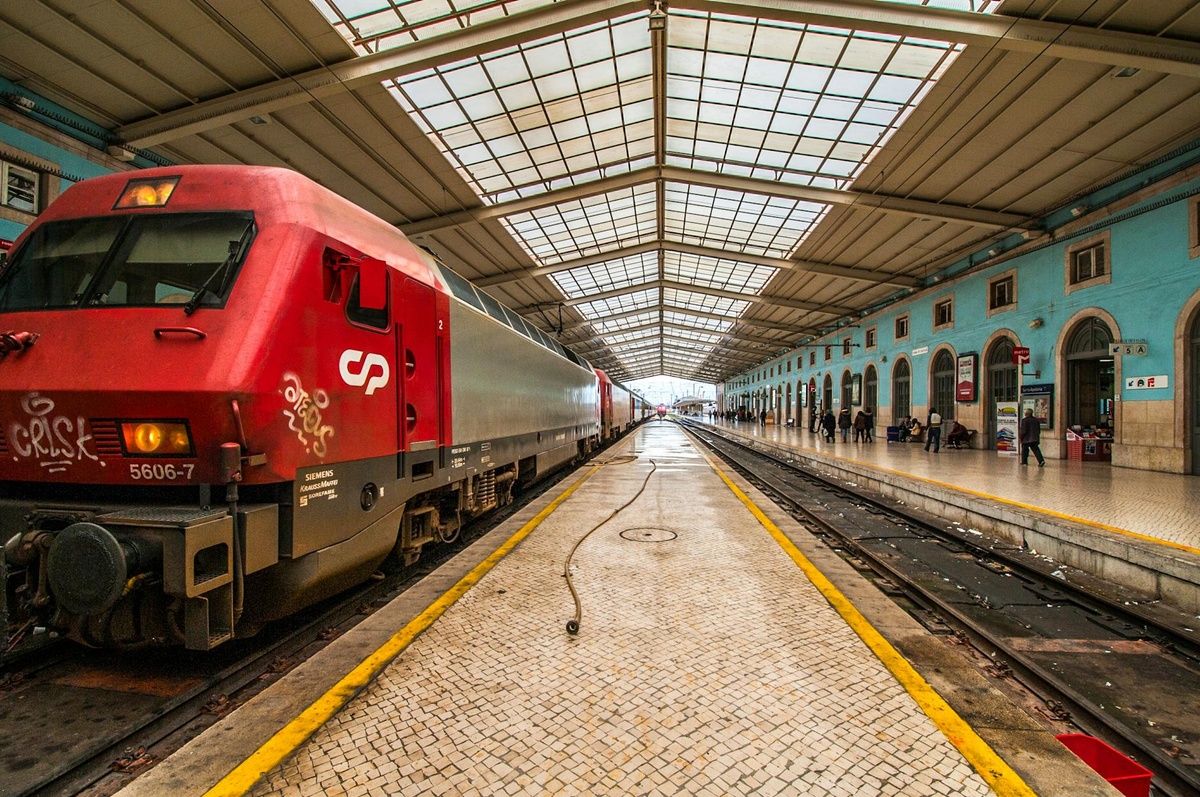
Take an Alfa Pendular to Lisbon’s Santa Apolónia or Oriente Station. Travel time: about 1h40. Expect to pay €15–€25 depending on how early you book.
Lisbon in late spring is ideal. Warm days (22–26°C), jacaranda trees blooming purple across Avenida da Liberdade, and long golden evenings.
Base yourself in Alfama or Príncipe Real. I avoid staying in Baixa — charming by day, but too souvenir-heavy at night.
Day 4: Lisbon — Trams, Tiles & A Reality Check on Sintra
Yes, Tram 28 is iconic. No, you shouldn’t wait 90 minutes in line for it. Instead, ride Tram 12 (similar route, fewer crowds) or hop on early before 9am.
If you’re considering Sintra as a day trip, go — but go strategically. Take the first train from Rossio Station (40 minutes, ~€5 round trip). Arrive before 9am or prepare for Disneyland-level chaos at Pena Palace.
Pro tip: Download offline transit maps before exploring. Lisbon’s steep streets can kill your signal in random corners. We’ve tested several options in our guide to the best offline navigation apps for hiking and road trips in 2026, and they’re just as useful in cities.
Day 5: Lisbon to Lagos — Enter the Algarve
This is your longest travel day. Take an Intercidades train from Lisbon (Entrecampos or Oriente) to Tunes (about 2h40), then transfer to a regional train to Lagos (1h20).
Total travel time: 3h30–4h. Total cost: €22–€35.
It’s comfortable, scenic, and far less stressful than renting a car during peak summer traffic.
Arrive in Lagos and walk to your accommodation — most places are within 15 minutes of the station.
Day 6: Lagos — Cliffs, Coves & Coastal Hikes
Ponta da Piedade is the Algarve’s showstopper. Dramatic golden cliffs, turquoise water, and sea arches that look photoshopped.
Walk the cliff trail from Lagos town to Praia do Camilo (about 40 minutes). Bring water, sunscreen, and proper shoes — those limestone paths are uneven.
If you plan to explore more coastal trails, consider downloading offline hiking maps in advance. Signal can drop along cliff sections, especially near Praia da Luz.
Water temperature in late May hovers around 17–19°C. Swimmable for the brave. Perfect for kayaking.
Day 7: Faro or Tavira — A Softer Algarve Goodbye
From Lagos, regional trains run east to Faro (about 1h45, ~€8). Faro’s old town is compact and charming, but Tavira — another 40 minutes — is more relaxed and less package-tour heavy.
Tavira feels like the Algarve before Instagram. Whitewashed houses, quiet squares, and a ferry to Ilha de Tavira’s wide sandy beach.
End your trip with grilled sardines and vinho verde. You’ve earned it.
Practical Rail Tips for Portugal in 2026
- Book early: Alfa Pendular tickets are cheapest 5–8 weeks in advance.
- Seat reservations: Mandatory on long-distance trains; included in ticket price.
- Luggage: No strict limits, but pack light — older stations have stairs.
- Strike awareness: Portugal occasionally has rail strikes; check CP’s official site a few days before departure.
- Digital tickets: Screenshots work fine — conductors scan QR codes onboard.
Is a Rail Pass Worth It?
For this specific 7-day route? Usually no.
Point-to-point tickets booked early are often cheaper than a Eurail Portugal Pass. Unless you’re adding multiple extra stops, just buy individual tickets.
Budget Breakdown (Per Person, Mid-Range Style)
Trains: €90–€120
Accommodation (6 nights): €600–€900 total
Food: €25–€40 per day
Attractions & tours: €50–€100
Total estimate: €1,000–€1,400 for a comfortable week.
Compared to other Western European rail trips, Portugal delivers serious value — especially before peak July pricing kicks in. (If you’re actually trying to avoid heat altogether, check out our picks for cool-weather destinations in July 2026.)
When Is the Best Time to Do This Trip?
Late May and early June are sweet spots. Warm enough for beaches, cool enough for city walking.
July and August are beautiful but busier and pricier — especially in the Algarve. If you go then, book trains and hotels at least 6–8 weeks ahead.
Final Thoughts: Why Portugal by Train Just Makes Sense
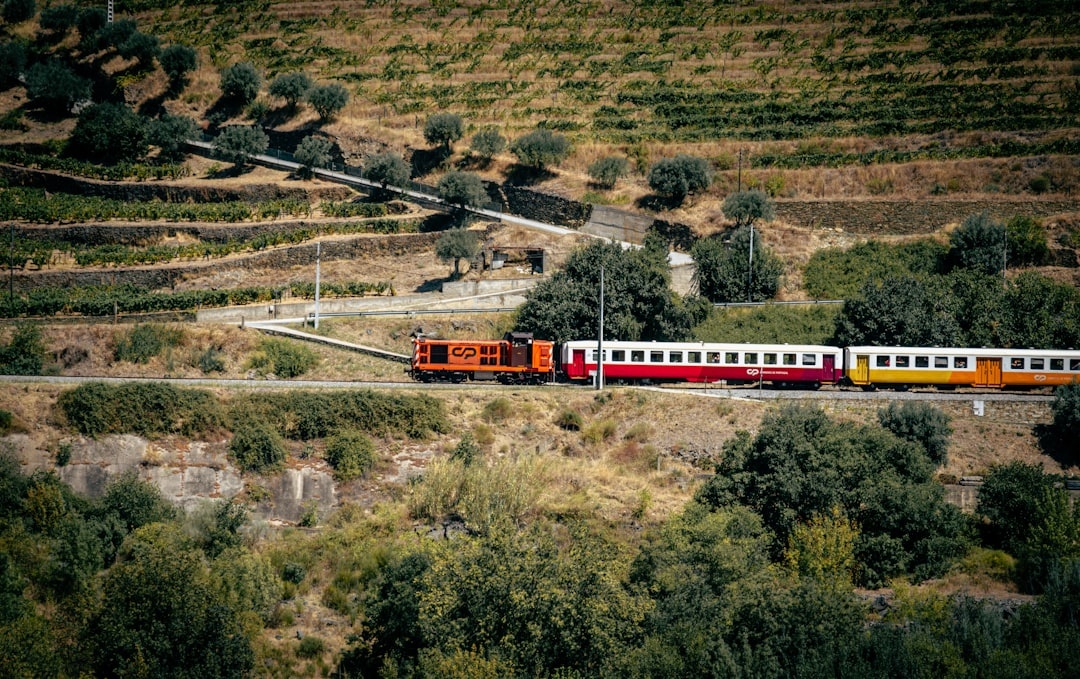
Portugal is compact, affordable, and incredibly scenic from a train window. Vineyards near Porto, rolling plains in Alentejo, and then sudden flashes of blue Atlantic as you reach the south.
You don’t need a car. You don’t need a complicated plan. Just seven days, a rail ticket, and an appetite.
If you’re planning a late spring or early summer European escape, this route is one of the smartest (and most photogenic) ways to do it. Book early, travel light, and let the tracks do the work.
Für Unterkünfte auf dem Weg von Porto bis in die Algarve lohnt sich früh zu buchen: Hotels in Portugal ansehen.
Frequently Asked Questions
How much does it cost to travel Portugal by train for a week?
For the Porto to Algarve route, expect to spend €90–€120 on train tickets if booked in advance. Total mid-range trip costs average €1,000–€1,400 including hotels and food.
Is the train from Lisbon to the Algarve scenic?
Yes, especially after the Tunes connection heading toward Lagos. You’ll pass rolling countryside and glimpses of the coast, though it’s more pastoral than dramatic cliff views.
Do I need to reserve seats on Portuguese trains?
Seat reservations are mandatory on Alfa Pendular and Intercidades trains and are included in your ticket. Regional trains in the Algarve do not require reservations.
Is late May a good time to visit Portugal?
Absolutely. Temperatures range from 20–26°C, crowds are lighter than July, and hotel prices are typically lower before peak summer season.

About the Author: Tomáš Bzirský
Founder and editor of Distratech. Based in the Czech Republic, travelling regularly from Central Europe. Writes practical travel guides and travel-tech comparisons (eSIM, apps, airports) in six languages.