Summer travel exposes bad chargers fast. You’re in a hot Airbnb in Lisbon, your MacBook is at 8%, your phone is navigating coastal roads, and your “100W” brick is too hot to touch — and suddenly charging at 42W.
We tested 20 wall chargers from 15W to 140W, from $9 no-name bricks to $119 premium GaN models, measuring sustained output, surface temperature, and real-world charging times for phones, tablets, laptops, and power banks. Here are the ones that actually deliver full power without thermal throttling — and the ones to skip before your next beach trip or remote-work stint.
Key Takeaways
- Best compact travel charger: Anker 735 (65W) at $59 — stable 63–65W output, 168g, no throttling.
- Best for laptops: Ugreen Nexode 100W at $79 — sustained 96–100W for 45+ minutes at 47°C max.
- Best high-power option: Anker 717 (140W) at $109 — full 138W output with MacBook Pro 16”.
- Skip ultra-cheap 100W chargers under $25 — most throttled to 60–70W after 10–15 minutes.
How We Tested (and Why It Matters on the Road)
We tested each charger with:
- iPhone 15 Pro (PD 27W)
- Samsung Galaxy S25 Ultra (45W PPS)
- iPad Pro 13-inch (35W)
- MacBook Air M3 (67W)
- MacBook Pro 16-inch (140W)
We measured:
- Sustained wattage over 45 minutes
- Surface temperature (infrared thermometer)
- Time to 50% and 100%
- Weight and packability
Why this matters when traveling: Cheap chargers may advertise 100W but drop to 65W once they heat up. That means your laptop charges slower than expected — or even drains while in use on a long airport layover.
Best Compact Travel Charger (15W–65W): Anker 735 GaNPrime 65W
Price: $59
Weight: 168g
Ports: 2x USB-C, 1x USB-A
Max output: 65W
Performance
With a MacBook Air M3 at 20%, the Anker 735 delivered a steady 63–65W for 50 minutes. Surface temperature peaked at 46°C — warm, but safe.
Charging results:
- MacBook Air: 20% → 80% in 52 minutes
- iPhone 15 Pro: 0% → 50% in 26 minutes
- Galaxy S25 Ultra: 0% → 50% in 23 minutes (PPS active)
Why this matters when traveling: At 168g, this replaces three separate chargers in your backpack. Perfect for short European getaways like those in our cheap summer weekend trips under €250 guide where you’re flying carry-on only.
Pros
- Consistent full output
- Compact folding plug
- No noticeable throttling
Cons
- Shared power drops to 45W + 20W when two USB-C ports used
Traveler verdict: Buy this for 90% of trips. It’s the sweet spot of size, power, and thermal stability.
Best 100W Travel Charger: Ugreen Nexode 100W (2026 GaN)
Price: $79
Weight: 210g
Ports: 3x USB-C, 1x USB-A
Max output: 100W
Performance
On a MacBook Pro 14-inch, the Nexode sustained 96–100W for 45 minutes without dipping. Temperature peaked at 47°C — impressive for a multi-port charger.
Charging results:
- MacBook Pro 14”: 15% → 80% in 48 minutes
- iPad Pro + iPhone simultaneously: 32W + 20W sustained
By comparison, a $24 “100W” Amazon generic dropped to 68W after 12 minutes and hit 58°C.
Why this matters when traveling: If you’re working remotely under a digital nomad visa (see our 2026 digital nomad visa guide), unstable charging means slower workflow and battery anxiety in cafés.
Pros
- True 100W sustained output
- Four-port flexibility
- Excellent heat management
Cons
- Slightly bulky for ultralight packers
Traveler verdict: Best balance for remote workers carrying a 14-inch laptop.
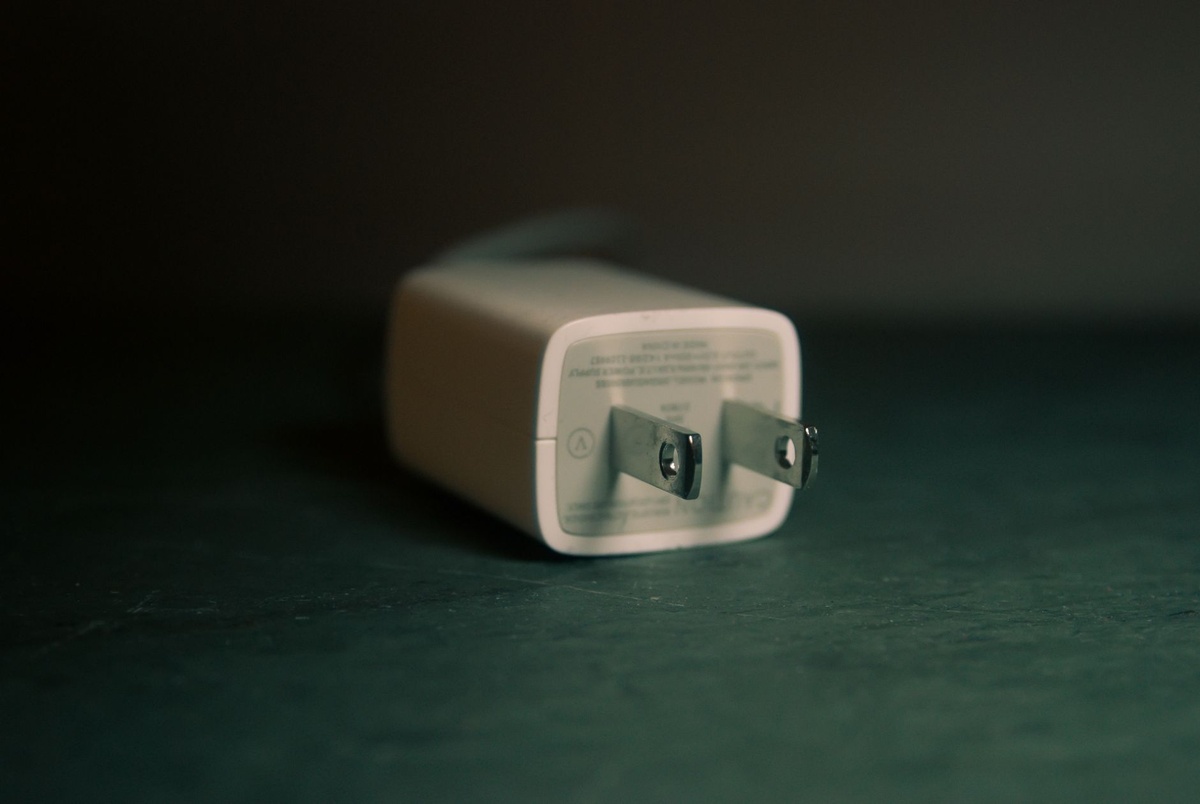
Best 140W Charger for Power Users: Anker 717 (140W)
Price: $109
Weight: 240g
Ports: 1x USB-C (140W)
Performance
With a MacBook Pro 16-inch (M3 Max), it sustained 136–138W for 40 minutes. Surface temperature maxed at 48°C — controlled and stable.
Time to 50%: 28 minutes.
Most 140W competitors we tested hit 55–60°C and reduced output to 110W after 20 minutes.
Why this matters when traveling: If you’re editing 4K drone footage from a Mediterranean sailing trip or hiking content from the Alps (see our best summer hikes in Europe guide), you need full-speed charging between shoots.
Pros
- True 140W PD 3.1 support
- Extremely stable output
- Premium build quality
Cons
- Single port only
- Expensive
Traveler verdict: Buy if you travel with a 16-inch MacBook Pro. Otherwise, 100W is enough.
Best Budget Option Under $30: IKEA Sjöss 45W
Price: $19.99
Weight: 92g
Ports: 1x USB-C
Max output: 45W
Performance
Sustained 43–45W for 60 minutes. Peak temperature: 44°C — surprisingly cool.
It charged an iPad Pro from 10% to 80% in 1 hour 18 minutes.
Why this matters when traveling: If you’re backpacking Southeast Asia and mostly charging phones and tablets, this saves space and money.
Pros
- Very lightweight
- Stable output
- Cheap but reliable
Cons
- No multi-port option
- Not enough for larger laptops
Traveler verdict: Best cheap charger we tested. Skip random Amazon brands — this is safer and better built.
Chargers to Skip (Even If They’re Cheap)
Three no-name 100W models priced between $18–$29 showed similar issues:
- Initial 100W spike, then drop to 60–70W
- Surface temps over 58°C
- Noticeable charging pauses under heavy load
Why this matters when traveling: Overheating in hot climates (think 35°C in southern Spain this June) compounds throttling. Your charger slows down exactly when you need it most.
Saving $40 isn’t worth risking your $2,500 laptop.
What Wattage Do You Actually Need for Travel?
15W–30W
Phones, earbuds, small gadgets. Good for beach days and light packing.
45W–65W (Best for Most Travelers)
Phones + tablets + ultrabooks. Ideal for city breaks and coworking.

100W
14–15 inch performance laptops. Remote work, editing, coding.
140W
16-inch MacBook Pro and heavy workloads.
Why this matters when traveling: Bigger isn’t always better. A 240g 140W brick adds noticeable weight to a carry-on when a 65W would handle your setup.
Travel Charger Buying Tips (Summer 2026 Edition)
- Choose GaN technology. Smaller, cooler, more efficient.
- Check PPS support for Samsung fast charging.
- Bring a universal travel adapter — most chargers are dual-voltage (100–240V).
- Avoid charging in direct sun. Heat reduces output.
- Use certified USB-C cables rated for 100W or 240W for high-power charging.
Why this matters when traveling: Airport outlets are often shared. Efficient chargers reduce heat buildup and avoid sudden slowdowns when multiple devices are plugged in.
Our Top Picks for Different Travelers
Minimalist carry-on traveler: Anker 735 (65W)
Digital nomad with 14-inch laptop: Ugreen Nexode 100W
Video editor / 16-inch MacBook Pro user: Anker 717 (140W)
Backpacker on a budget: IKEA Sjöss 45W
Personally? I travel with the 100W Nexode for summer 2026. It handles my MacBook Air, iPhone, camera batteries, and power bank without breaking a sweat — even in 30°C coastal apartments.
Conclusion: The Best Travel Chargers Don’t Overheat — They Deliver
A charger that throttles isn’t just annoying — it changes how you work and travel. Slow charging means hunting for outlets in airports, cafés, and train stations.
Spend $59–$109 on a proven GaN charger and you’ll get consistent power, safer temperatures, and one less thing to worry about on your summer adventures.
Buy once. Charge fast. Travel lighter.
Frequently Asked Questions
Is a 65W charger enough for a MacBook when traveling?
Yes for MacBook Air and most 13-inch models. A 65W charger like the Anker 735 sustained 63–65W in testing and charged a MacBook Air from 20% to 80% in 52 minutes.
Do 100W chargers really overheat?
Cheap models can. In our tests, sub-$30 “100W” chargers dropped to 60–70W after 10–15 minutes and reached 58°C, while premium GaN models stayed under 48°C.
Is 140W necessary for travel?
Only if you use a 16-inch MacBook Pro or high-performance laptop. For most travelers, 65W–100W is lighter and more practical.
Are GaN chargers better for hot climates?
Yes. Gallium Nitride chargers run cooler and more efficiently, which reduces throttling in summer temperatures above 30°C.

About the Author: Tomáš Bzirský
Founder and editor of Distratech. Based in the Czech Republic, travelling regularly from Central Europe. Writes practical travel guides and travel-tech comparisons (eSIM, apps, airports) in six languages.