'/%3E%3Cpath%20fill='%23b2b2b2'%20d='M241%20382q0%2016%2017%2026%2017%2011%2042%2011t42-11q16-11%2017-26V269H241'/%3E%3Cpath%20fill='%239f7e00'%20d='M241%20379q0%2014%208%2023%209%209%2021%209%2014%200%2021-9%209-9%209-23V269h-59'/%3E%3Cpath%20d='M241%20339v-70h59v110q0%2014-9%2023l-6%205v-68h-15v72q-8%200-14-4v-68zm59%2040c0%2022%2015%2032%2029%2032%2021%200%2030-18%2030-32v-40h-59'/%3E%3Cpath%20fill='%239f7e00'%20d='M266%20277v5h2v12h-3v-5h2v-5h-9v5h2v5h-4v9h3v18h-5v10h34v-10h-5v-18h3v-9h-4v-5h2v-5h-9v5h2v5h-3v-12h2v-5zm42%20101q0%2010%206%2017%206%206%2015%207%2010-1%2016-7%206-7%206-17v-29h-43'/%3E%3Ccircle%20fill='%230044ad'%20cx='329.5'%20cy='372'%20r='6'/%3E%3Cellipse%20fill='%230044ad'%20cx='300'%20cy='340'%20rx='16'%20ry='21'/%3E%3C/svg%3E)
'/%3E%3C/svg%3E)


'/%3E%3C/g%3E%3Cuse%20href='%23c'%20transform='matrix(-1%200%200%201%20720%200)'/%3E%3C/svg%3E)


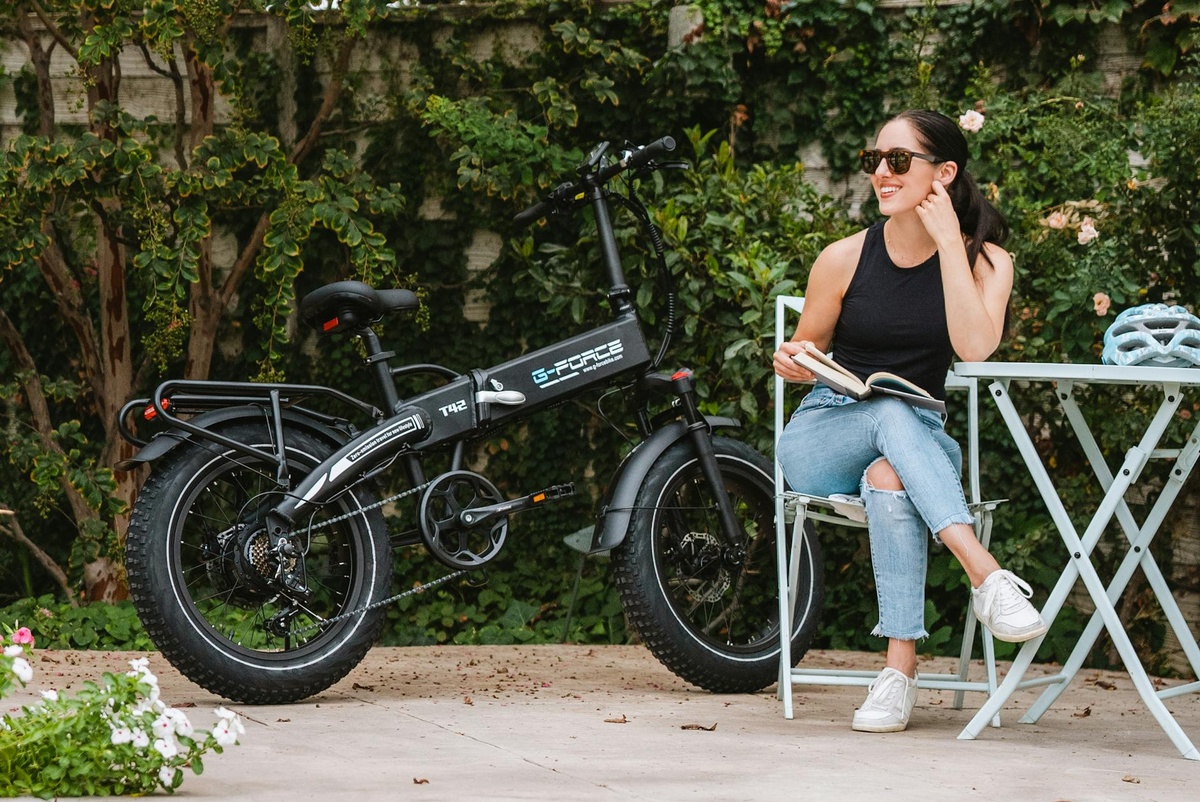
The Centris 2 folding ebike costs about $999, folds small enough to fit in the back seat of a sedan, and delivers up to 20 mph of pedal-assisted speed. For travelers planning summer road trips, beach getaways, and festival weekends, that combination is hard to ignore.
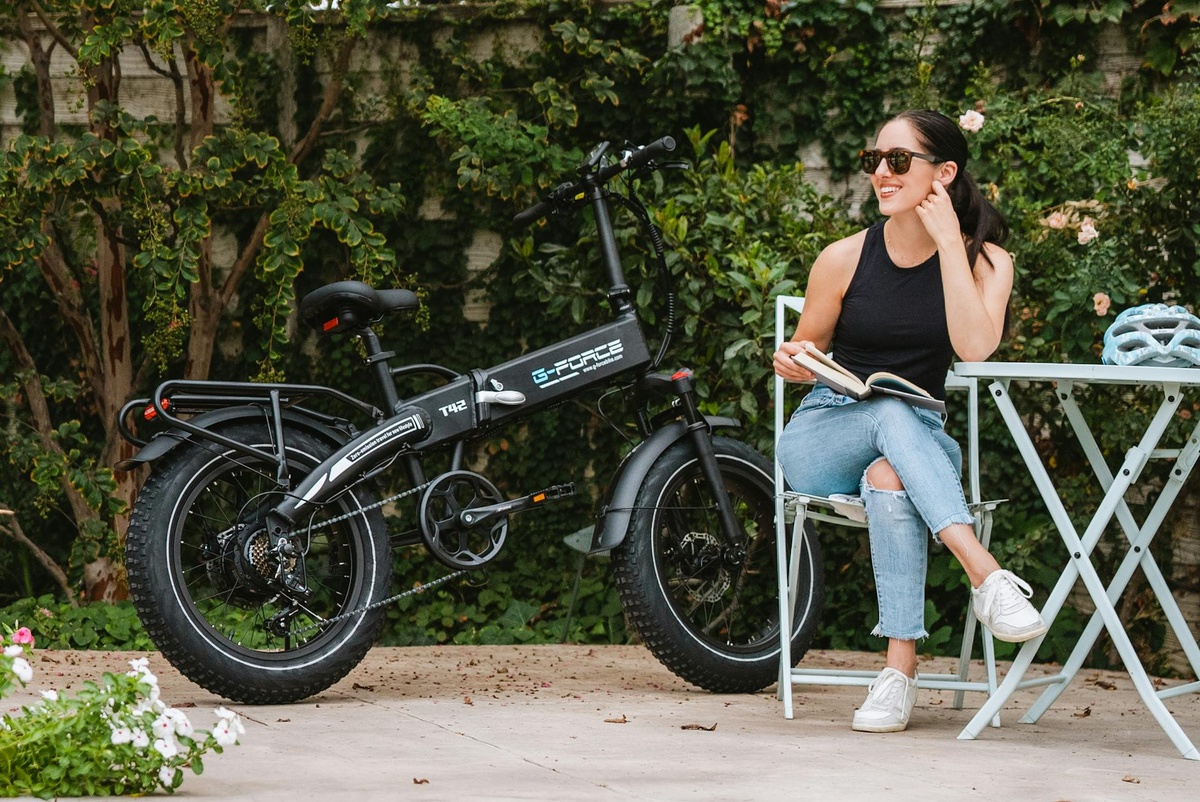
I’ve been testing the Centris 2 with one question in mind: does this budget folding ebike actually make travel easier—or is it just another heavy gadget you’ll regret packing?
Key Takeaways
- Priced around $999, the Centris 2 is one of the most affordable reputable folding ebikes in 2026.
- 20 mph top speed with pedal assist and a range of roughly 30–40 miles per charge.
- Folds compactly enough to fit in most car trunks or back seats.
- Sturdy steel frame and narrow handlebars make it stable but slightly heavier than premium rivals.
- Best for road trips, RV travel, and short urban commutes—not long-distance touring.
Centris 2 Specs at a Glance
Before we get into real-world travel use, here are the key specs that matter:
- Price: Around $999 (often discounted in late spring sales)
- Motor: 350W rear hub motor
- Top speed: 20 mph (Class 2 ebike)
- Range: Approx. 30–40 miles per charge
- Battery: Removable lithium-ion
- Wheel size: 20 inches
- Frame: Folding steel frame
- Weight: Around 50–55 lbs
On paper, this is entry-level territory. But for travelers, the folding design is the real headline feature.
Why a Folding Ebike Matters for Travelers
Summer 2026 is shaping up to be big for road trips and rail travel across Europe and the US. With new cross-border rail initiatives like the EU’s single rail ticket plan, travelers are increasingly combining trains and local exploration.
A folding ebike like the Centris 2 can slot into that plan—if you’re strategic.
Here’s where it shines:
- Car travel: Fits in the back seat or trunk without a bike rack.
- RV and van life: Compact enough for storage compartments.
- Beach towns and lake destinations: Quick grocery runs without moving your car.
- Festival weekends: Easier parking, fewer rideshare headaches.
For destinations like Interlaken or Zermatt—where transport costs add up fast—a personal ebike can reduce local bus and taxi expenses. (If you’re planning Switzerland on a budget, see our guide to visiting Interlaken and Zermatt for under $100 a day.)
Folding and Portability: Good, Not Ultralight
The Centris 2 folds at the frame hinge and collapses the handlebars downward. The process takes about 30 seconds once you’ve done it a few times.
The good news: it genuinely fits in most midsize car trunks. I tested it in a compact SUV and a standard sedan—no bike rack required.
The less-good news: at over 50 pounds, this is not a bike you’ll want to carry up three flights of Airbnb stairs. It’s portable in the “storable” sense, not in the “lightweight commuter” sense.
If your travel style involves lots of train hopping with frequent lifting, this weight could be a dealbreaker.
Ride Quality: Stable and Surprisingly Comfortable
Budget folding bikes often feel twitchy. The Centris 2 doesn’t.
The narrow handlebars keep it compact, but steering feels stable at 15–20 mph. The 20-inch wheels help with maneuverability in crowded boardwalks and urban streets—ideal for summer coastal towns.
The steel frame adds weight but also durability. On rough pavement and light gravel paths, it feels planted rather than flimsy.
For travelers exploring cities like Mexico City during major events (think World Cup prep crowds), compact handling is a real advantage. Our guide to what to see in Mexico City during the World Cup highlights just how spread out attractions can be—an ebike can save serious time.
Battery Life: Enough for a Day, Not a Weekend
The claimed range of 30–40 miles is realistic—if you use moderate pedal assist and avoid steep hills.
In flatter terrain, I averaged around 32 miles before needing a recharge. In hilly areas, that dropped closer to 25–28 miles.
For most travelers, that’s plenty for:
- A full day of sightseeing
- Beach hopping along a coastline
- Riding from campground to town and back
But this is not a multi-day touring machine unless you have reliable nightly charging.
The battery is removable, which is key. You can leave the bike in your car or garage and bring just the battery inside to charge—especially useful in hotels or short-term rentals.
Charging Realities on the Road
This is where you need to plan.
Charging from near-empty takes roughly 4–6 hours. If you’re staying somewhere with limited outlets or shared hostel rooms, that matters.
Pro tips for summer travel:
- Bring a compact power strip if outlets are scarce.
- Ask your hotel in advance about bike storage policies.
- Don’t leave the battery charging unattended in extreme heat.
- Top up each night—even if you’ve only used half the range.
Also note: airlines generally do not allow large ebike batteries in checked or carry-on luggage. The Centris 2 is best for road trips, not fly-and-ride vacations.
How It Compares to More Expensive Folding Ebikes
Compared to premium folding brands (often $1,500–$2,000+), the Centris 2 makes a few trade-offs:
- Heavier frame (steel vs. aluminum)
- Simpler display and controls
- No advanced app integration
But you save hundreds of dollars.
For travelers who only need an ebike a few times a year—summer trips, long weekends, music festivals—it’s hard to justify spending double.
If you’re a daily urban commuter carrying the bike upstairs every day? Invest in something lighter.
Who Should Buy the Centris 2?
Great fit for:
- Road trippers who want local mobility without bike racks
- RV travelers and van lifers
- Suburban travelers visiting spread-out beach towns
- Budget-conscious explorers
Not ideal for:
- Apartment dwellers with no elevator
- Long-distance bike tourers
- Frequent flyers (due to battery restrictions)
Summer 2026 Verdict: Is It Worth It?
For under $1,000, the Centris 2 folding ebike hits a sweet spot.
It’s not flashy. It’s not ultralight. It doesn’t have smart app tracking or cutting-edge design.
What it does offer is practical, budget-friendly mobility that fits in your car and expands your travel radius dramatically.
For summer 2026—when gas prices remain unpredictable and popular destinations are more crowded than ever—having your own compact ride can mean fewer parking battles and more spontaneous detours.
If your travel style is road-trip heavy and you value flexibility over premium features, the Centris 2 is easy to recommend.
Just remember: charge it nightly, lift with your legs, and don’t expect it to replace a full-size touring bike.
Frequently Asked Questions
How far can the Centris 2 folding ebike go on one charge?
The Centris 2 typically delivers 30–40 miles per charge, depending on terrain, rider weight, and pedal assist level. In hilly areas, expect closer to 25–30 miles.
Does the Centris 2 fit in a car trunk?
Yes, when folded it fits in most midsize car trunks or back seats. It’s ideal for road trips where you don’t want to install an external bike rack.
How heavy is the Centris 2?
The bike weighs roughly 50–55 pounds. It’s manageable for lifting into a car but heavy for carrying up multiple flights of stairs.
Can you take the Centris 2 on a plane?
No, most airlines prohibit large lithium-ion ebike batteries in checked or carry-on luggage. The Centris 2 is better suited for car or RV travel.

About the Author: Tomáš Bzirský
Founder and editor of Distratech. Based in the Czech Republic, travelling regularly from Central Europe. Writes practical travel guides and travel-tech comparisons (eSIM, apps, airports) in six languages.