'/%3E%3Cpath%20fill='%23b2b2b2'%20d='M241%20382q0%2016%2017%2026%2017%2011%2042%2011t42-11q16-11%2017-26V269H241'/%3E%3Cpath%20fill='%239f7e00'%20d='M241%20379q0%2014%208%2023%209%209%2021%209%2014%200%2021-9%209-9%209-23V269h-59'/%3E%3Cpath%20d='M241%20339v-70h59v110q0%2014-9%2023l-6%205v-68h-15v72q-8%200-14-4v-68zm59%2040c0%2022%2015%2032%2029%2032%2021%200%2030-18%2030-32v-40h-59'/%3E%3Cpath%20fill='%239f7e00'%20d='M266%20277v5h2v12h-3v-5h2v-5h-9v5h2v5h-4v9h3v18h-5v10h34v-10h-5v-18h3v-9h-4v-5h2v-5h-9v5h2v5h-3v-12h2v-5zm42%20101q0%2010%206%2017%206%206%2015%207%2010-1%2016-7%206-7%206-17v-29h-43'/%3E%3Ccircle%20fill='%230044ad'%20cx='329.5'%20cy='372'%20r='6'/%3E%3Cellipse%20fill='%230044ad'%20cx='300'%20cy='340'%20rx='16'%20ry='21'/%3E%3C/svg%3E)
'/%3E%3C/svg%3E)


'/%3E%3C/g%3E%3Cuse%20href='%23c'%20transform='matrix(-1%200%200%201%20720%200)'/%3E%3C/svg%3E)


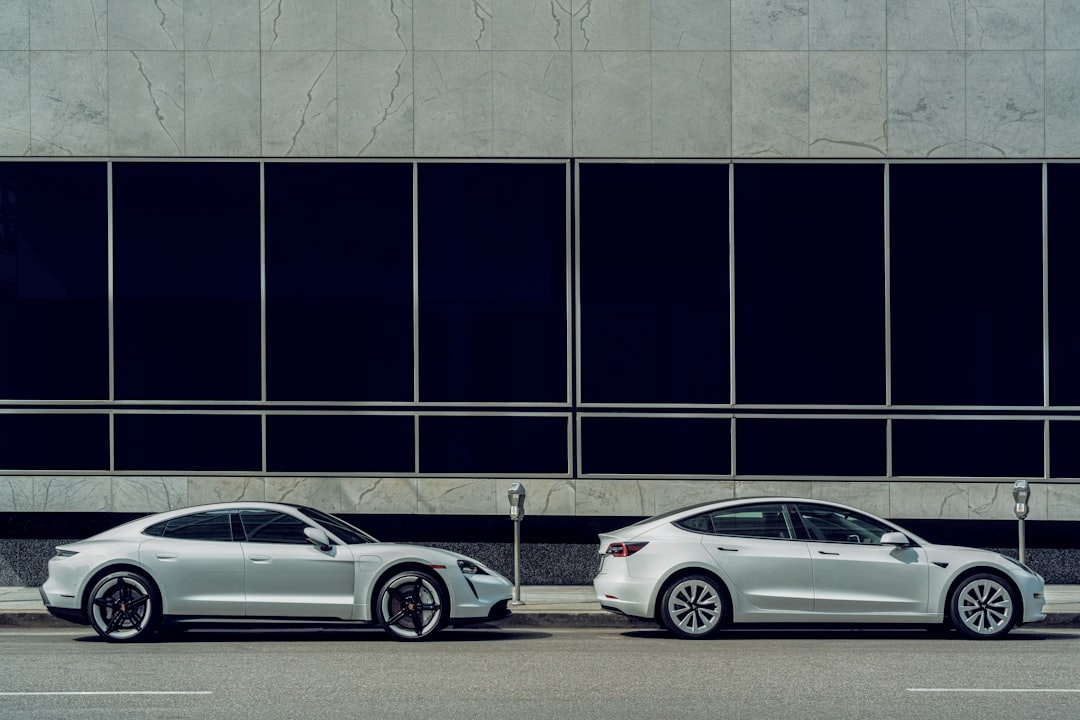
Tesla’s long-promised robotaxi network is edging closer to reality—but newly revealed details about recent crashes show something important: humans were still involved, and not always in the way people expect.
According to Tesla, remote operators—monitoring vehicles from afar—slowly drove autonomous test cars into a metal fence and a construction barricade during separate incidents. No high-speed pileups. No highway chaos. But for travelers banking on autonomous rides to airports, beach towns, and summer festivals, the nuance matters.
Key Takeaways
- Tesla confirmed recent robotaxi crashes involved remote human operators guiding the vehicles.
- Incidents occurred at low speed, including impacts with a fence and construction barricade.
- Remote intervention remains part of Tesla’s autonomy strategy in 2026.
- Fully driverless robotaxi service is still limited and not widely available for travelers.
- Autonomous ride-hailing could reshape airport transfers and road trips—but it’s not frictionless yet.
What Actually Happened?
The crashes in question weren’t classic “self-driving car goes rogue” stories. Instead, Tesla disclosed that remote operators—humans monitoring vehicles off-site—played a role in the incidents.
In both cases, the vehicles were reportedly moving slowly. One struck a metal fence. Another hit a construction barricade. These weren’t freeway disasters, but they reveal something critical: Tesla’s system still relies on human backup.
That’s not unique in the industry. Many autonomous vehicle companies use remote assistance when cars get “confused.” What’s notable is how much autonomy Tesla actually allows before that intervention—and how those interventions can go wrong.
Wait—Remote Drivers? How Tesla’s System Works in 2026
Despite the “full self-driving” branding, Tesla’s robotaxi system currently blends AI autonomy with remote human oversight in select test scenarios.
Here’s the basic setup:
- Onboard AI handles real-time driving decisions using cameras and neural networks.
- No lidar — Tesla still relies primarily on vision-based systems.
- Remote operators can intervene or provide guidance when the car encounters edge cases.
- Low-speed protocols are often used when the system is uncertain.
In theory, remote operators reduce risk. In practice, these recent incidents show that human intervention isn’t flawless either.
Why This Matters for Travelers in Summer 2026
If you’re planning a summer trip—whether it’s hopping between beach towns in Albania or flying into a major U.S. city for a festival—autonomous ride-hailing could sound incredibly appealing.
No rental car lines. No surge pricing surprises. No awkward small talk at midnight airport pickups.
But we’re not quite there yet.
1. Airport Transfers Aren’t Fully Autonomous (Yet)
Most Tesla robotaxi operations remain limited and controlled. You’re not landing at LAX or JFK this summer and seamlessly hopping into a fully driverless Tesla—at least not at scale.
For now, human supervision—either in-car or remote—is part of the equation.
2. Construction Zones Are a Real-World Stress Test
Summer travel means road construction. Everywhere.
From European mountain passes to U.S. interstate expansions, temporary lanes and barriers are exactly the kind of unpredictable environments that challenge AI systems. One of the reported crashes involved a construction barricade—precisely the type of scenario travelers encounter on road trips.
If you’re planning something like our 10-day Dolomites road trip itinerary, you already know how tight alpine roads can get. Now imagine adding temporary barriers and unpredictable signage into the mix.
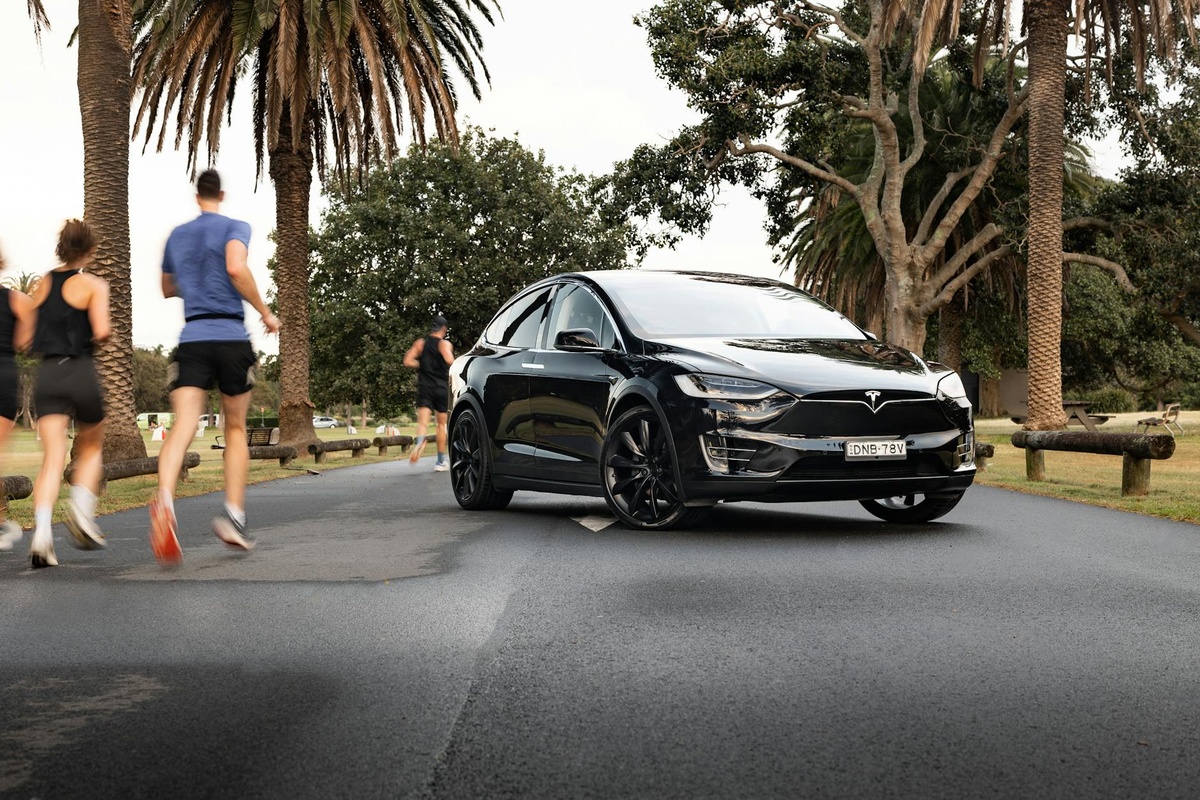
Autonomous systems still struggle most with edge cases—not open highways.
3. Trust Is Everything in Ride-Hailing
Uber and Lyft succeeded because riders felt reasonably safe. Tesla’s robotaxi ambitions depend on that same psychological threshold.
Low-speed fence bumps might seem minor. But perception shapes adoption. Travelers are less likely to experiment with autonomous taxis if headlines suggest even supervised systems are making contact with stationary objects.
Are These Crashes a Big Deal?
Technically? Not catastrophic.
Strategically? Very important.
Here’s why:
- Transparency is increasing. Tesla disclosing remote operator involvement signals regulatory pressure and growing scrutiny.
- Human-in-the-loop systems aren’t foolproof. Remote drivers can misjudge situations just like in-car drivers.
- Scaling is hard. A few monitored vehicles are one thing. Thousands across tourist-heavy cities is another.
For travelers, this means the robotaxi rollout will likely be gradual, city-by-city, and heavily geo-fenced.
What to Expect If You Use a Robotaxi in 2026
If Tesla expands limited public access this year, here’s what the experience will likely include:
- Pre-approved service zones (downtown cores, airport corridors)
- Remote monitoring during your ride
- Speed restrictions in complex environments
- Possible service interruptions in heavy construction areas
In other words: it’ll feel polished—but constrained.
For comparison, traditional rentals still give you full control. If you’re exploring somewhere budget-sensitive like Switzerland, where every franc counts, you might still prefer a self-driven strategy like in our budget guide to Interlaken and Zermatt.
Should Travelers Trust Autonomous Taxis Yet?
Here’s my honest take: cautiously, in controlled environments.
Autonomous vehicles excel in:
- Predictable city grids
- Clear weather conditions
- Well-mapped urban centers
They struggle more with:
- Rural mountain roads
- Temporary detours
- Heavy pedestrian festival traffic
- Ad-hoc police directions
If you’re heading to a dense, mapped city for something structured—say, a food-focused weekend like our Mexico City food tour guide—a geo-fenced autonomous ride could be convenient.
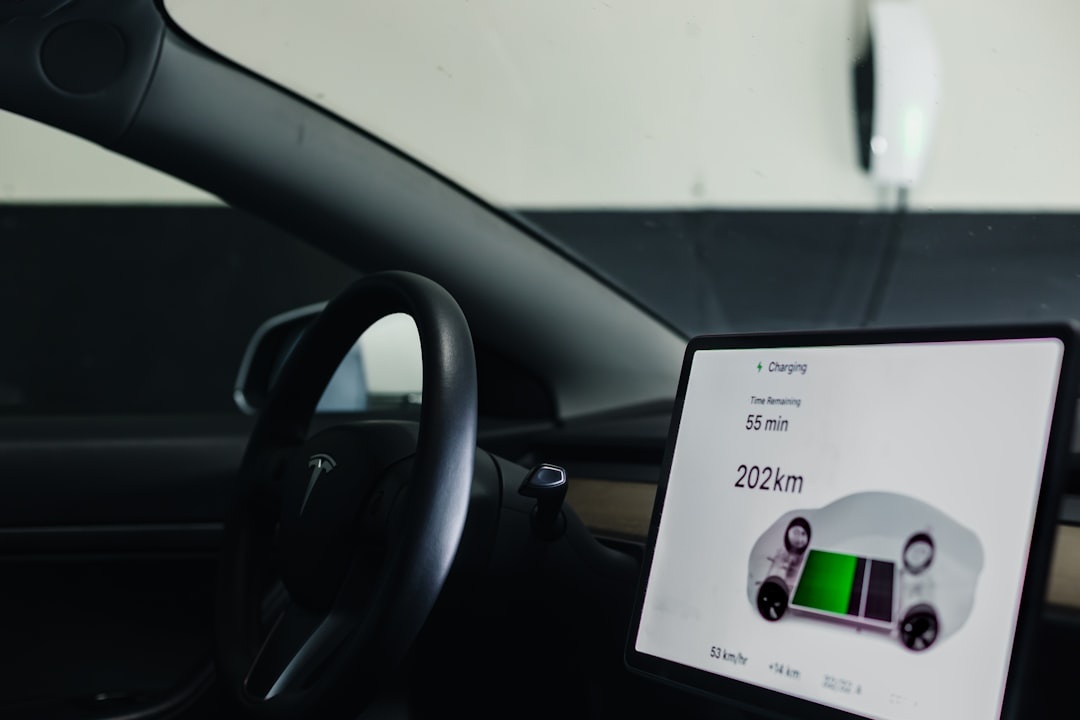
If you’re navigating coastal backroads in peak summer season? I’d still want human judgment fully in the driver’s seat.
The Bigger Picture: Automation vs. Reality
Tesla’s vision has always been bold: a massive autonomous fleet generating passive income for owners while reshaping urban transport.
But these recent crash disclosures highlight a truth many travelers should understand: autonomy is incremental, not magical.
Even in 2026:
- AI still needs human oversight.
- Remote operators can make mistakes.
- Edge cases remain the hardest problem in autonomy.
That doesn’t mean robotaxis won’t become normal. It just means we’re in the awkward adolescence phase.
What This Means for Summer Travel Planning
As peak travel season ramps up, here’s my practical advice:
- Don’t plan trips around robotaxi availability. Treat it as a bonus, not a guarantee.
- Have backup transport apps installed. Traditional ride-hailing isn’t going anywhere soon.
- Expect regulatory changes. Cities may limit autonomous fleets in dense tourist zones.
- Watch construction-heavy destinations. AI struggles most where roads are temporary.
Autonomous taxis will eventually change airport logistics, especially in high-tech cities. But for summer 2026, flexibility still wins.
Final Verdict: Progress, But Not Prime Time Everywhere
Tesla revealing that remote operators were involved in recent robotaxi crashes isn’t a scandal—it’s a reminder.
Autonomy today is a partnership between AI and humans. And sometimes, even the humans misjudge a fence.
For travelers, the takeaway is simple: autonomous ride-hailing is promising, especially for structured urban trips. But if your summer plans include mountain passes, beach detours, or construction-heavy regions, keep your expectations grounded.
Robotaxis are coming. Just not flawlessly—and not everywhere—yet.
Frequently Asked Questions
Were Tesla robotaxi crashes fully autonomous?
No. Tesla confirmed that remote human operators were involved in the incidents, guiding the vehicles at low speeds when they struck a fence and a construction barricade.
Are Tesla robotaxis available to the public in 2026?
Availability remains limited and location-specific. Broad public access to fully driverless Tesla robotaxis is not yet widespread in major tourist cities.
Is it safe to use an autonomous taxi for airport transfers?
In controlled, well-mapped urban areas, autonomous taxis can be reliable. However, construction zones and complex traffic patterns still pose challenges, so travelers should have backup transport options.
How do remote operators control Tesla robotaxis?
Remote operators monitor vehicles off-site and can provide guidance or intervention when the AI encounters uncertainty, particularly in low-speed or complex scenarios.

About the Author: Tomáš Bzirský
Founder and editor of Distratech. Based in the Czech Republic, travelling regularly from Central Europe. Writes practical travel guides and travel-tech comparisons (eSIM, apps, airports) in six languages.