'/%3E%3Cpath%20fill='%23b2b2b2'%20d='M241%20382q0%2016%2017%2026%2017%2011%2042%2011t42-11q16-11%2017-26V269H241'/%3E%3Cpath%20fill='%239f7e00'%20d='M241%20379q0%2014%208%2023%209%209%2021%209%2014%200%2021-9%209-9%209-23V269h-59'/%3E%3Cpath%20d='M241%20339v-70h59v110q0%2014-9%2023l-6%205v-68h-15v72q-8%200-14-4v-68zm59%2040c0%2022%2015%2032%2029%2032%2021%200%2030-18%2030-32v-40h-59'/%3E%3Cpath%20fill='%239f7e00'%20d='M266%20277v5h2v12h-3v-5h2v-5h-9v5h2v5h-4v9h3v18h-5v10h34v-10h-5v-18h3v-9h-4v-5h2v-5h-9v5h2v5h-3v-12h2v-5zm42%20101q0%2010%206%2017%206%206%2015%207%2010-1%2016-7%206-7%206-17v-29h-43'/%3E%3Ccircle%20fill='%230044ad'%20cx='329.5'%20cy='372'%20r='6'/%3E%3Cellipse%20fill='%230044ad'%20cx='300'%20cy='340'%20rx='16'%20ry='21'/%3E%3C/svg%3E)
'/%3E%3C/svg%3E)


'/%3E%3C/g%3E%3Cuse%20href='%23c'%20transform='matrix(-1%200%200%201%20720%200)'/%3E%3C/svg%3E)


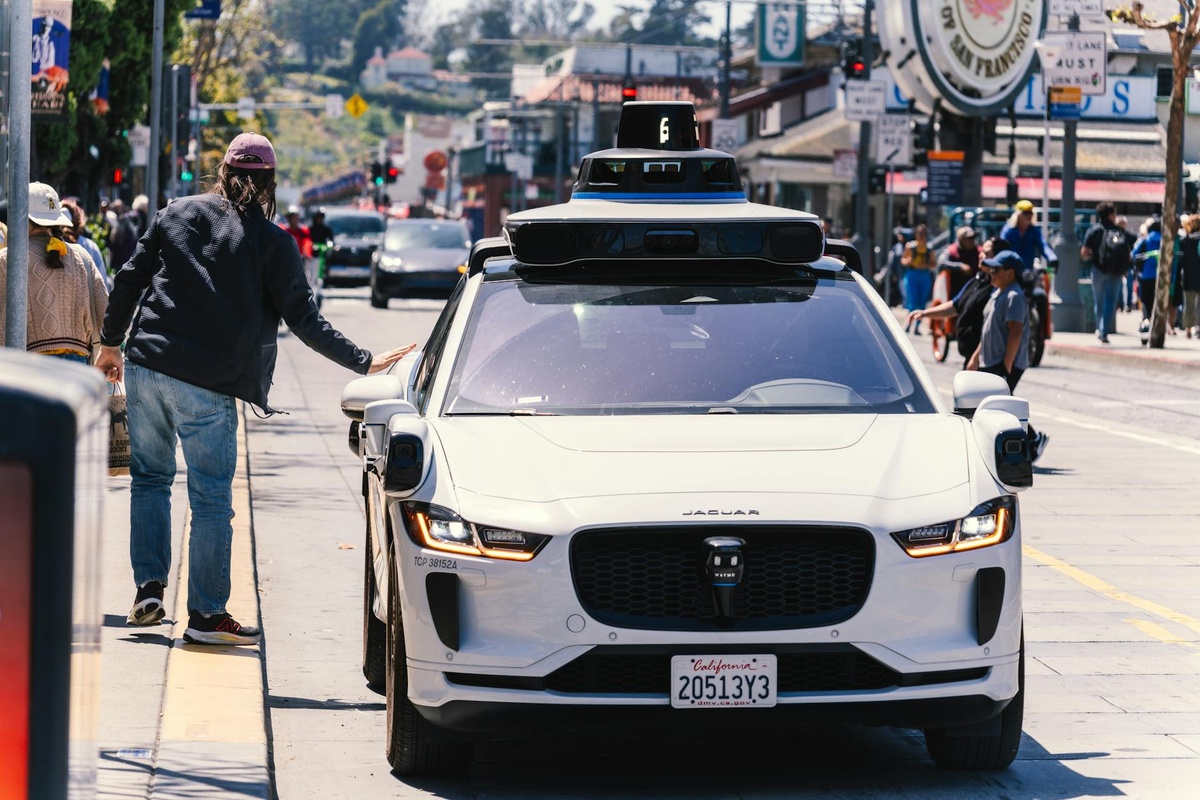
If you’re planning a summer trip to Phoenix, San Francisco, or Los Angeles in 2026, there’s a decent chance you’ll step into a Waymo robotaxi instead of an Uber. But this May, Waymo announced a recall affecting 3,791 autonomous vehicles after its software allowed cars to drive into flooded roads.
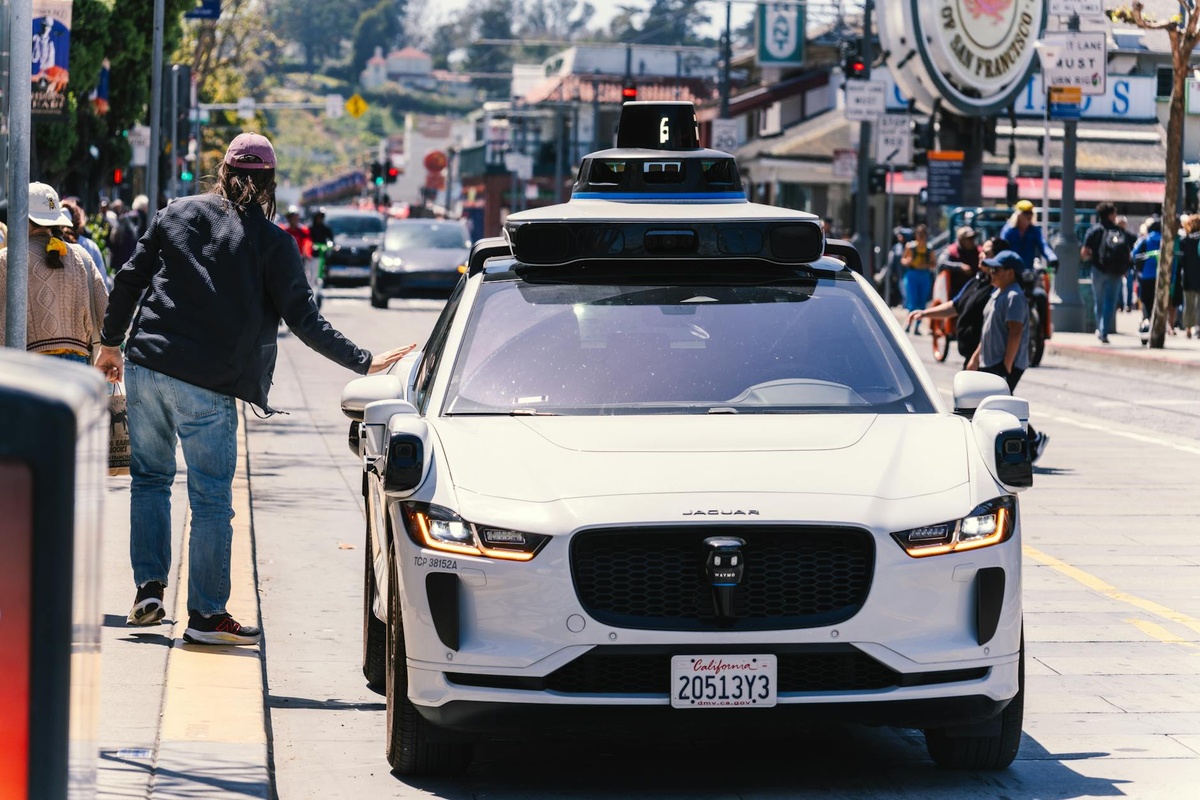
That’s not a minor bug. For travelers heading into summer thunderstorm season, flash floods, and hurricane build-up, it’s a real-world reminder: autonomous driving still has weather limits.
Key Takeaways
- Waymo recalled software across 3,791 robotaxis using its 5th and 6th generation autonomous systems.
- The issue involved vehicles incorrectly navigating through flooded road conditions.
- The recall is software-based, meaning updates can be deployed remotely without grounding fleets long-term.
- Summer 2026 travel (monsoon, hurricane, and storm season) makes weather-related AV safety especially relevant.
- Travelers should expect temporary service adjustments in affected cities during heavy rain events.
What Actually Happened?
Waymo identified a flaw in its autonomous driving software that could allow vehicles to proceed through flooded sections of roadway. In certain situations, the system did not correctly assess water depth or associated hazards.
The recall affects 3,791 vehicles operating with Waymo’s fifth- and sixth-generation self-driving systems. Importantly, this is a software recall—not a hardware defect—so fixes can be pushed over-the-air.
That’s the upside of robotaxis: no dealership visits, no service center downtime. Updates can be deployed fleet-wide in days.
Why This Matters for Travelers in Summer 2026
Late spring and summer are peak travel months. They’re also peak storm months.
In Arizona, monsoon season ramps up in June. In Florida and coastal states, hurricane season begins June 1. In California, rare but intense storm systems have increasingly caused flash flooding in urban areas.
If you’re booking a July 4th getaway—like one of these quick U.S. escapes for July 4th weekend 2026—and relying on robotaxis to get from airport to Airbnb, weather resilience suddenly matters a lot.
Flooded roads aren’t just inconvenient. They can:
- Damage vehicles (electric drivetrains and water don’t mix well at depth)
- Strand passengers mid-route
- Cause rerouting delays during airport transfers
- Create safety risks if sensors misinterpret reflections or debris
For travelers on tight schedules—flight connections, cruise departures, festival check-ins—that unpredictability is the real issue.
How Autonomous Cars “See” Water (And Why It’s Hard)
Most autonomous vehicles rely on a mix of LiDAR, radar, cameras, and high-definition maps. They’re excellent at detecting cars, pedestrians, and lane markings.
Standing water is trickier.
Flooded roads can look deceptively flat to camera systems. Reflections can distort perception. Water depth is especially difficult to measure accurately without specialized sensors.
Human drivers often judge flood risk based on experience (“That curb shouldn’t be underwater”). AI relies on data and pattern recognition. If that training data doesn’t cover enough edge cases—like sudden monsoon flash floods—it can struggle.
This recall suggests Waymo identified exactly that kind of edge case.
Is It Still Safe to Use Waymo as a Traveler?
Short answer: Yes—but with weather awareness.
Waymo has one of the most mature autonomous fleets in the U.S., and software recalls show something important: active monitoring and iteration. In the AV world, identifying and patching issues quickly is a feature, not a flaw.
But as a traveler, you should adjust expectations.
During heavy rain or flood alerts, you may notice:
- Reduced service zones
- Longer wait times
- Temporary ride cancellations
- Dynamic rerouting to avoid low-lying roads
If you’re heading to the airport during a storm, I’d still budget extra time—just like you would with any rideshare.
Robotaxis vs Traditional Rideshare in Bad Weather
Here’s where it gets interesting.
Human Uber or Lyft drivers may choose to avoid flooded streets based on instinct. They may also cancel rides if conditions look unsafe.
Robotaxis operate based on system rules. Once updated, they’ll likely become more conservative than human drivers in flood scenarios—refusing routes that even mildly exceed safety thresholds.
That could mean fewer risky decisions. It could also mean more trip disruptions during storms.
If reliability in extreme weather is critical (say, you’re racing to a wedding or cruise terminal), having a backup transport option is smart.
What This Means for Digital Nomads
If you’re slow-traveling in autonomous-friendly cities like Phoenix or San Francisco, Waymo can feel like the future—quiet, consistent, no tipping anxiety.
But digital nomads often travel with:
- Expensive laptops
- Camera gear
- Portable monitors
- External SSDs
Flood-related vehicle incidents increase the risk of water exposure. Even if the cabin remains dry, stranded vehicles in storm conditions can create complications.
If you’re building a calm, low-stress city stay—something like a tech-enabled urban “calmcation” focused on wellness and slow living—transport reliability matters more than novelty.
Are We Going to See More Recalls Like This?
Almost certainly.
Autonomous vehicles are software-defined machines. That means they’ll evolve constantly—and recalls will often look more like version updates than mechanical failures.
In 2026, we’re entering the era where:
- Autonomous fleets operate at scale
- Weather edge cases become statistically inevitable
- Regulators demand rapid transparency
Software recalls in AVs are comparable to iOS security patches. They signal refinement, not collapse.
Practical Travel Tips for Using Robotaxis in Storm Season
If you’re planning U.S. travel between May and September 2026, here’s how to stay smart:
- Check local weather alerts before booking — Flash flood warnings can affect routing immediately.
- Allow 20–30 extra minutes for airport transfers during storm forecasts.
- Keep a secondary rideshare app installed in case autonomous service pauses.
- Avoid low-lying pickup points like underground garages in flood-prone areas.
- Protect electronics in waterproof sleeves if storms are expected.
This isn’t about fear—it’s about redundancy. Smart travelers always plan for edge cases.
The Bigger Picture: Trust in Autonomous Travel
Autonomous tech is expanding fast. From robotaxis to AI-powered mapping (like Apple’s enhanced city experiences rolling out in Europe this summer), travel is becoming increasingly software-driven.
Trust is everything.
Each recall is a test of how companies respond. In this case, a software-level recall affecting 3,791 vehicles shows scale—but also control. Waymo can update every affected vehicle remotely.
That’s very different from recalling thousands of mechanical parts across physical service centers.
My Take: This Is a Growing Pain, Not a Red Flag
As someone who travels constantly and tests tech on the road, I’d still use Waymo in its operating cities.
But I wouldn’t treat robotaxis as invincible.
Flooded roads are one of the hardest edge cases for any vehicle—human or AI. The fact that this issue surfaced before a major accident headline is, frankly, reassuring.
For summer 2026 travelers, the takeaway is simple: autonomous transport is mature enough to use, but not mature enough to ignore weather realities.
Plan like a traveler. Think like a technologist. And always have a Plan B.
If you’re visiting Phoenix this summer, consider booking ahead with hotels in Phoenix to lock in the best options.
Frequently Asked Questions
How many Waymo vehicles were recalled?
The recall affects 3,791 robotaxis operating with Waymo’s fifth- and sixth-generation autonomous driving systems. It is a software recall delivered via over-the-air updates.
Is it safe to use Waymo during heavy rain?
Yes, but expect potential service limitations. During severe weather or flood warnings, Waymo may restrict routes, pause service, or reroute trips to avoid hazardous roads.
Which cities could be affected?
Waymo operates in select U.S. cities including Phoenix, San Francisco, and Los Angeles. Storm-prone regions like Arizona (monsoon season) and coastal California may see more weather-related adjustments.
Does this mean autonomous cars aren’t ready for public use?
No. Software recalls are common in evolving technologies. In fact, the ability to deploy fleet-wide over-the-air updates quickly is one of the strengths of autonomous vehicle systems.

About the Author: Tomáš Bzirský
Founder and editor of Distratech. Based in the Czech Republic, travelling regularly from Central Europe. Writes practical travel guides and travel-tech comparisons (eSIM, apps, airports) in six languages.