I landed at London Heathrow last June at 7:10 a.m., right behind two fully loaded overnight flights from New York and Atlanta. The manual passport line was already snaking around the barrier — easily a 45-minute wait.
I followed the signs for “ePassport Gates,” scanned my U.S. passport, looked at the camera for five seconds, and was through immigration in under three minutes.
If you’re heading to the UK this summer — whether it’s London, Edinburgh, or connecting onward to Europe or even Morocco — here’s exactly how Americans can use eGates to skip the worst of the airport chaos.
Key Takeaways
- U.S. passport holders can use UK eGates at major airports for stays up to 6 months as tourists.
- Average eGate processing time is 2–5 minutes vs. 30–90 minutes in peak manual lines (June–August).
- Available at Heathrow, Gatwick, Manchester, Edinburgh, Birmingham, Bristol, and more.
- Make sure your passport has a biometric chip and is valid for your entire stay.
- No pre-registration required — just follow the ePassport signs on arrival.
First: Are Americans Eligible to Use UK eGates?
Yes — and surprisingly, many Americans still don’t realize this.
U.S. citizens aged 10 and over can use UK eGates when entering as visitors for tourism, business meetings, or short stays (up to 6 months). You do not need to apply in advance. There’s no fee. No enrollment.
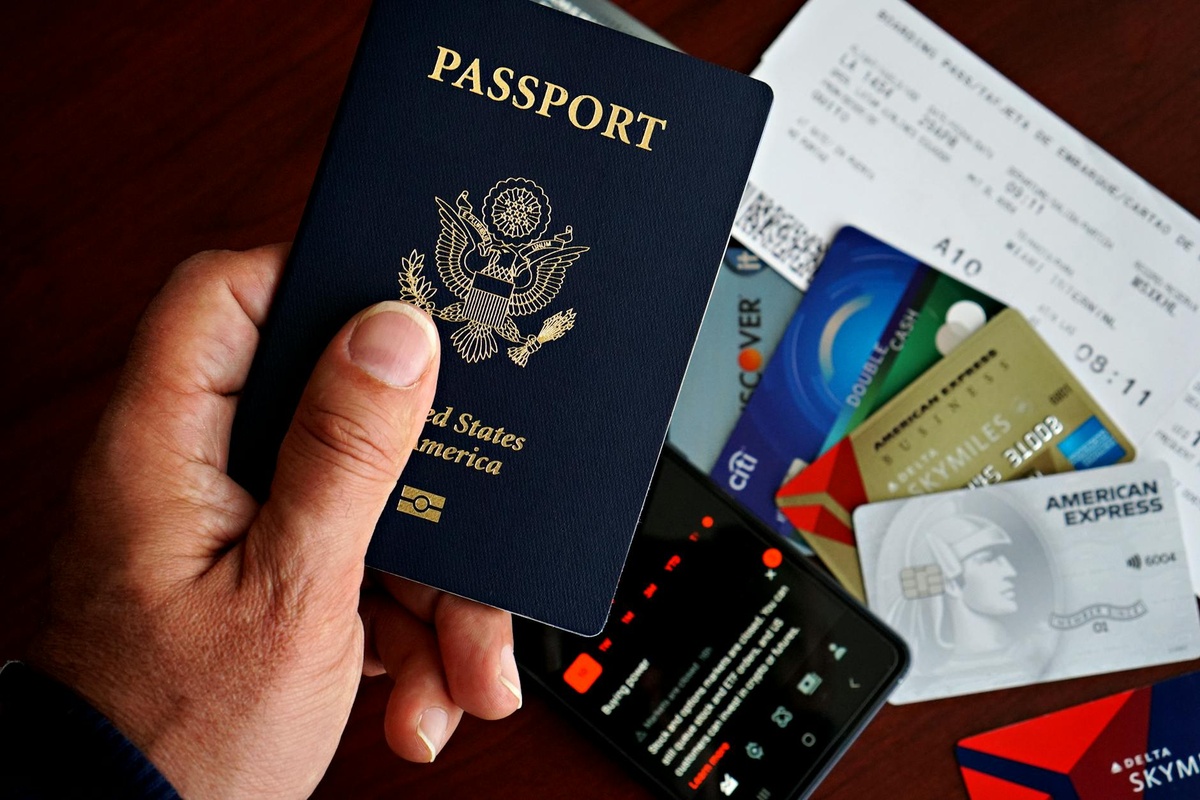
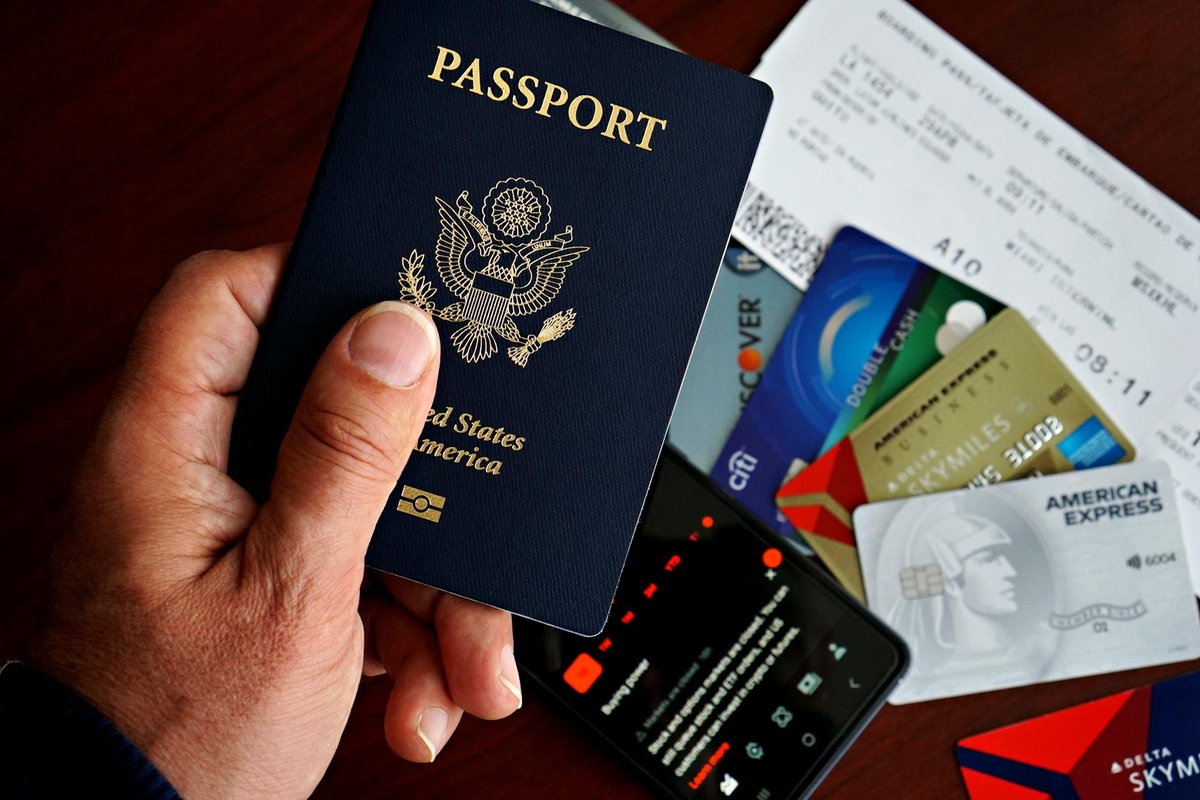
If your passport has the biometric symbol (the little gold camera icon on the cover), you’re good to go.
As of late spring 2026, the UK continues to allow U.S. travelers visa-free entry for tourism. Just make sure you check current ETA requirements before departure, as the UK has been gradually expanding electronic travel authorizations for certain nationalities.
Which UK Airports Have eGates?
Most major international airports in the UK are equipped with eGates. If you’re flying direct from the U.S., chances are high you’ll land at one of these:
- London Heathrow (LHR) – All terminals handling U.S. arrivals
- London Gatwick (LGW)
- Manchester (MAN)
- Edinburgh (EDI)
- Birmingham (BHX)
- Bristol (BRS)
Heathrow has the largest eGate setup, often with 20+ gates operating at once. Even during peak summer mornings (6–9 a.m.), they move fast.
Step-by-Step: How to Use UK eGates as an American
1. Follow the “ePassport” Signs
After you deplane, look for signs that say “ePassport Gates” or “Automatic Passport Control.” Don’t automatically join the staffed desks — that’s where most people lose time.
Airport staff are usually stationed nearby if you’re unsure.
2. Scan Your Passport
Place your passport photo page face down on the scanner. The machine reads the biometric chip embedded in the cover.
This typically takes 5–10 seconds.
3. Look at the Camera
The gate will open and you’ll step forward for a quick facial recognition scan. Remove hats and glasses. Look straight ahead.
If it matches your passport photo, the second set of gates opens automatically.
4. Walk Through — No Stamp Needed
You won’t receive a physical entry stamp. Your entry is recorded digitally.
Keep your boarding pass until you exit the arrivals area, just in case.
How Much Time Can You Actually Save?
In summer (June through August), transatlantic flights land in waves between 6 a.m. and noon.
Manual immigration lines at Heathrow and Gatwick regularly hit 45–90 minutes during peak arrival banks. Last July, I clocked 70 minutes for a friend who didn’t use eGates.
My eGate time that same morning? Four minutes.
Even conservatively, you’re saving 30–60 minutes — which is the difference between catching the Heathrow Express into Paddington immediately or waiting another 15–30 minutes for the next train.
Common Mistakes That Force You Into the Long Line
I’ve seen seasoned travelers mess this up. Avoid these pitfalls:
- Using a damaged passport — if the chip can’t be read, you’ll be redirected.
- Traveling with children under 10 — they cannot use eGates.
- Wearing hats or oversized glasses during the facial scan.
- Standing in the wrong queue because you didn’t look up at the signage.
If the machine rejects you twice, a border officer will assist — but that means waiting in the manual line.
What About Connecting to Europe?
If London is just your entry point before heading to Paris, Rome, or Barcelona, using eGates becomes even more valuable.
Short-haul European flights often depart from different terminals, and tight connections are common. Saving 45 minutes at immigration can make or break your onward flight.
And if you’re continuing somewhere popular — say Marrakech using our 5-day Morocco itinerary — getting through UK immigration quickly means less stress before your next leg.
Is There Any Reason NOT to Use eGates?
Honestly, very few.
You might prefer speaking to an officer if:
- You’re entering on a work visa.
- You have a complex travel history.
- You need a physical stamp for specific documentation purposes.
For straightforward tourism? eGates are the clear winner.
Summer 2026 Travel Reality Check
Late spring bookings are already trending strong for London, especially with major festivals, Premier League preseason matches, and packed July event calendars.
Expect peak arrival days on Fridays and Saturdays from late June through mid-September.
If you’re landing between 6 a.m. and 10 a.m., assume it will be busy — but eGates dramatically level the playing field.
And once you’re in? Please don’t contribute to overtourism chaos. If you’re planning quick hops to places like Venice or Barcelona afterward, read our guide on how to plan a more responsible European day trip. Summer crowds are real — travel smarter.
Pro Tips for a Seamless Arrival
- Sit near the front of the plane. Even with eGates, being first off helps.
- Have your passport in hand before you reach the hall. Don’t block the scanners digging through your bag.
- Remove hats and AirPods. Facial recognition works best unobstructed.
- Screenshot your accommodation details. Rarely needed, but helpful if questioned.
- Book airport trains in advance. Heathrow Express tickets start around £25–£32 ($32–$40) if purchased close to departure.
Heathrow vs. Gatwick: Which Is Faster?
Heathrow handles more volume but has more eGates. Gatwick is smaller but can feel bottlenecked when multiple U.S. flights land simultaneously.
In my experience, Heathrow Terminal 2 and 5 are the smoothest for eGate processing. Gatwick South can be hit or miss during summer mornings.
If ticket prices are similar, I lean Heathrow purely for arrival efficiency.
Final Thoughts: This Is the Easiest Travel Hack You’ll Use All Year
There are plenty of complicated “travel hacks” floating around TikTok. This isn’t one of them.
If you’re an American flying to the UK this summer, using eGates is free, fast, and dramatically reduces arrival stress.
Less time in line means more time grabbing a flat white in Soho, catching your train to Edinburgh, or settling into a Cotswolds pub garden before the afternoon crowds arrive.
Before your trip, double-check your passport validity, confirm entry requirements, and plan your onward transport. Then head straight for the ePassport signs when you land.
Your future jet-lagged self will thank you.
Frequently Asked Questions
Can U.S. citizens use eGates at Heathrow in 2026?
Yes. U.S. passport holders aged 10+ can use UK eGates for tourism or short business visits up to 6 months, with no pre-registration required.
How long does it take to get through UK eGates?
Most travelers clear eGates in 2–5 minutes. During peak summer mornings, manual immigration lines can take 30–90 minutes.
Do Americans need a visa to enter the UK in 2026?
For tourism stays up to 6 months, Americans do not need a visa. However, check current ETA (Electronic Travel Authorization) requirements before departure.
Why didn’t the eGate work for me?
Common issues include a damaged passport chip, facial recognition mismatch, or traveling with children under 10. If rejected twice, you’ll be directed to a border officer.

About the Author: Tomáš Bzirský
Founder and editor of Distratech. Based in the Czech Republic, travelling regularly from Central Europe. Writes practical travel guides and travel-tech comparisons (eSIM, apps, airports) in six languages.