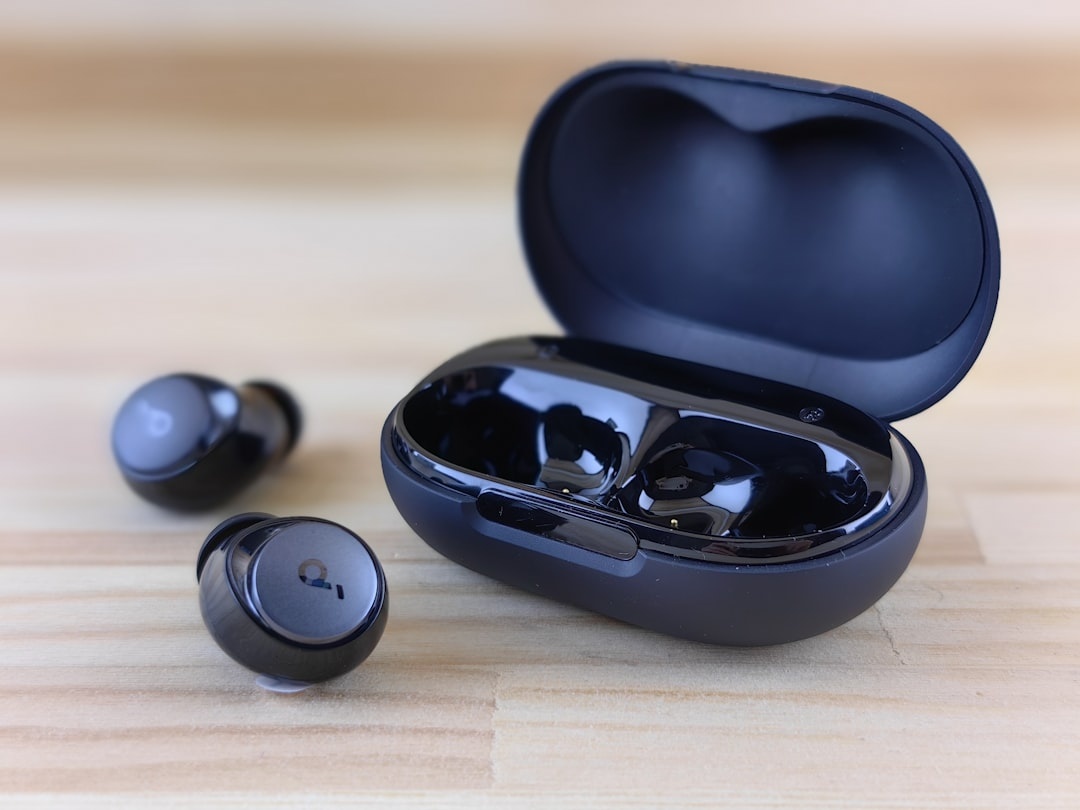
Anker’s new Soundcore Liberty 5 Pro earbuds are the first from the company to feature its dedicated “Thus” AI audio chip — and that matters a lot if you spend your summer on planes, trains, and noisy beaches. Priced at around $149, they’re positioned squarely in the sweet spot between budget earbuds and $249+ premium models like Apple’s AirPods Pro 2 or Sony’s WF-1000XM5.
With summer 2026 travel ramping up — from packed European city breaks to long-haul flights to Southeast Asia — better noise cancellation without paying flagship prices is a big deal.
Key Takeaways
- The Liberty 5 Pro are Anker’s first earbuds with the new Thus AI chip for adaptive noise cancellation.
- Price is around $149, significantly cheaper than most flagship ANC earbuds.
- AI processing adjusts noise reduction in real time based on your environment.
- Up to 8 hours of battery (with ANC) and roughly 30 hours total with the case.
- Strong option for frequent flyers who want premium ANC without premium pricing.
What’s New: The Thus AI Chip Explained
The headline feature is Anker’s new AI-powered audio chip. Instead of relying solely on preset noise-canceling profiles, the chip actively analyzes surrounding sound and adjusts the level and type of noise reduction in real time.
That means the earbuds don’t just block sound — they react to it. A steady airplane engine hum gets treated differently than sudden airport announcements or clattering dishes in a café.
On paper, it sounds like marketing fluff. In practice, this kind of adaptive ANC can make long travel days much less exhausting.
Core Specs at a Glance
- Price: ~$149
- Battery life: Up to 8 hours (ANC on), ~30 hours with case
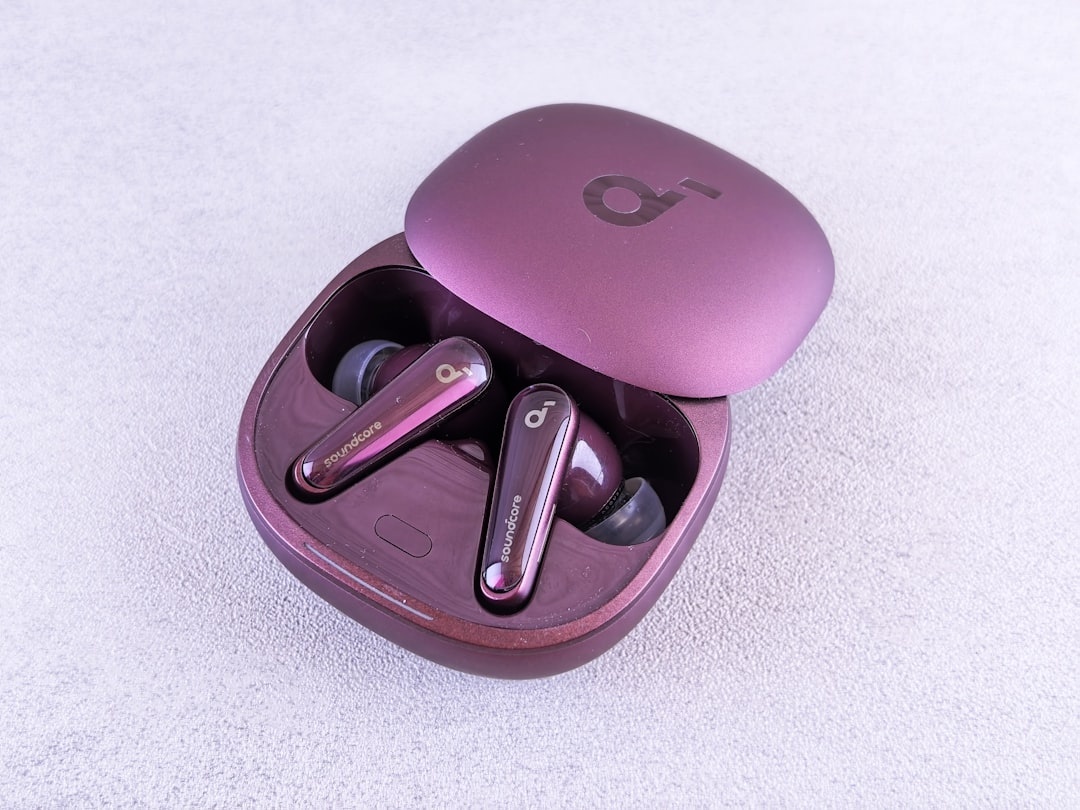
- Charging: USB-C + wireless charging
- Multipoint Bluetooth: Yes (connect to two devices)
- Adaptive ANC: Powered by Thus AI chip
- Water resistance: Sweat and light rain resistant (IP rating expected)
For travelers, multipoint Bluetooth and wireless charging are almost as important as ANC. Being able to switch between your phone and laptop mid-layover without reconnecting is a small luxury that quickly becomes essential.
Why This Matters for Travelers in Summer 2026
1. Airports Are Louder Than Ever
Travel volumes are back to pre-2020 highs — and in some regions, exceeding them. That means crowded gates, construction noise, and endless boarding announcements.
Good adaptive ANC helps filter the chaos while still letting important sounds through when needed. If you’re planning to take advantage of faster arrivals using UK eGates this summer, like we covered in our guide to avoiding long airport lines in the UK, you’ll still spend plenty of time in departure halls. Quiet matters.
2. Long-Haul Flights Demand Smarter Noise Blocking
Traditional ANC is great at steady engine noise. Where it struggles is variable cabin noise: crying babies, meal carts, chatter.
An AI-driven system can dynamically respond to those changes. You’re not manually toggling modes mid-flight — the chip adjusts automatically.
On a 10-hour flight to Marrakech for a Sahara adventure (like this 5-day Morocco itinerary), that reduction in mental fatigue is noticeable.
3. Better Calls From Anywhere
Many travelers now work remotely — from beach towns, festival campsites, or busy European plazas. AI audio processing doesn’t just help with what you hear; it can also improve how your voice is isolated during calls.
If you’re taking a Zoom meeting from a Lisbon café in peak season, clearer voice pickup can mean the difference between sounding professional and sounding like you’re inside a blender.
How It Compares to AirPods Pro 2 and Sony WF-1000XM5
Let’s be blunt: Apple and Sony still lead in absolute top-tier noise cancellation. But they cost significantly more.
AirPods Pro 2: Around $249. Best for iPhone users, seamless ecosystem integration, excellent ANC.
Sony WF-1000XM5: Around $299. Industry-leading ANC and sound, but pricey.
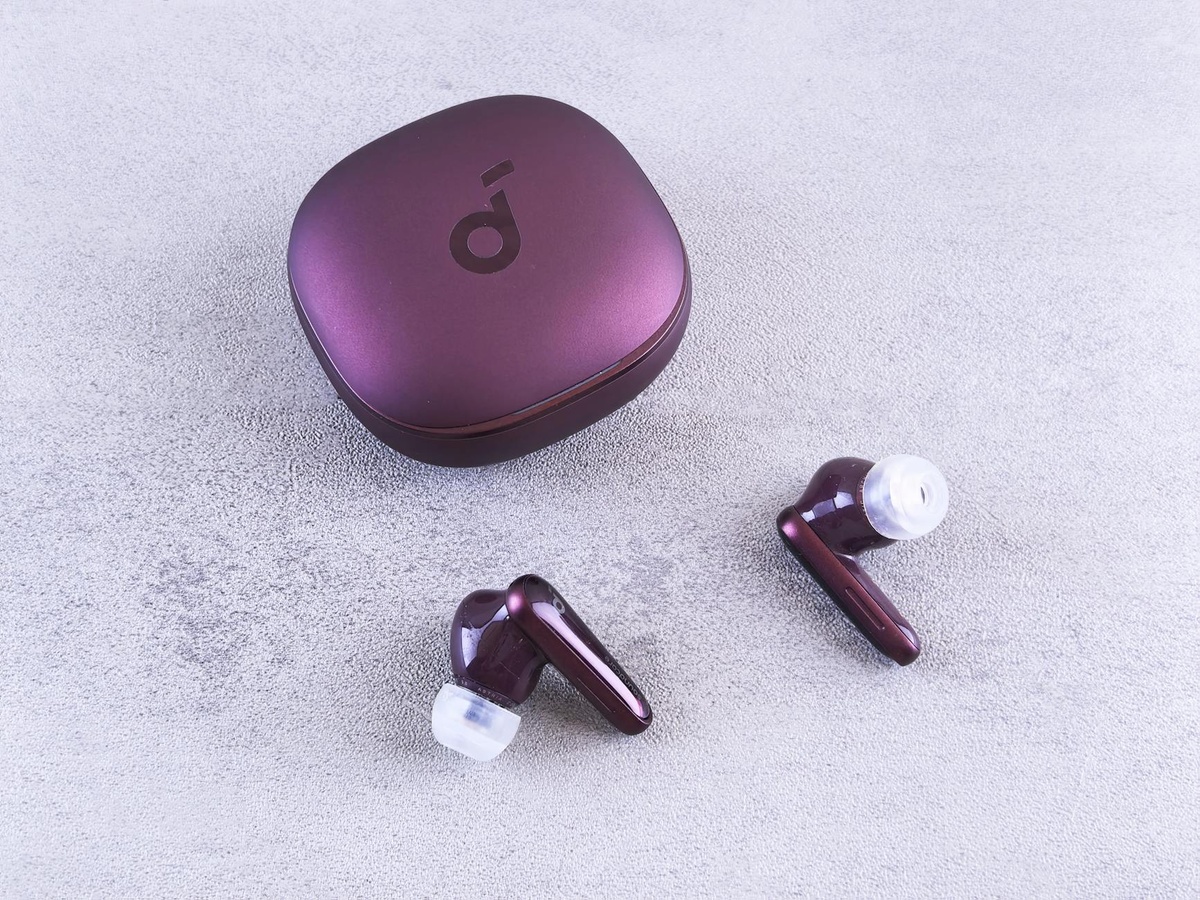
Anker Liberty 5 Pro: ~$149. Very strong ANC (now AI-enhanced), solid sound, far more affordable.
If you lose an earbud on a beach in Thailand or under an airplane seat, replacing a $149 pair hurts less than replacing a $299 one.
For budget-conscious summer planners comparing destinations like the Caribbean vs. Southeast Asia for winter travel, saving $100–$150 on earbuds can easily cover a night in a guesthouse or a few airport transfers.
Real-World Travel Use Cases
On a Plane
The AI chip continuously adjusts to engine pitch changes during takeoff, cruising, and descent. You don’t have to fiddle with settings as cabin noise shifts.
On a Train
European high-speed trains are smooth but not silent. Adaptive ANC helps dampen track noise while allowing conductor announcements to cut through if transparency mode kicks in.
At a Festival
Late spring and early summer mean music festivals across Europe and North America. While these aren’t concert earplugs, the improved noise control helps during downtime when you just want a break from constant background sound.
In a Shared Hostel Room
Snorers. Zippers. Early alarms. Enough said.
Battery Life: Good Enough for Long Travel Days
Eight hours with ANC on is solid, though not class-leading. For most travelers, that covers a long-haul flight segment.
The case extends total battery life to around 30 hours. That’s enough for:
- A transatlantic round trip
- A full weekend city break without recharging
- Several days of commuting and café work
Wireless charging is a nice bonus if you’re already carrying a Qi-compatible power bank — one less cable in your backpack.
Sound Quality: Not Just About Silence
Noise cancellation gets the spotlight, but sound quality matters too. Anker’s Liberty Pro line has historically delivered punchy bass and clear mids.
If the AI chip also helps optimize audio processing, you’re getting both cleaner sound and better environmental control. That’s ideal for podcasts during transit and music during beach sunsets.
Pros and Cons for Travelers
Pros
- Excellent value for adaptive ANC
- Multipoint Bluetooth for laptop + phone
- Wireless charging
- Strong battery life for long-haul travel
Cons
- ANC may still fall slightly short of Sony/Apple
- Brand prestige isn’t on par with premium competitors
- Fit will vary — always test before a big trip
Should You Buy Them Before Your Summer Trip?
If you’re upgrading from older earbuds with weak or no ANC, yes — this is a smart buy before peak summer travel hits.
If you already own AirPods Pro 2 or Sony’s latest model, the jump probably isn’t worth it unless you’re looking to downsize your budget.
For digital nomads, frequent flyers, and festival-goers who want serious noise control without paying luxury prices, the Liberty 5 Pro might be the new sweet spot of 2026.
Verdict: A Practical Upgrade, Not Just a Gimmick
AI in audio can sound like marketing hype. But adaptive noise cancellation powered by a dedicated chip isn’t just buzzwords — it’s genuinely useful in unpredictable travel environments.
Anker didn’t reinvent earbuds. It made a practical, affordable upgrade that matters where travelers actually use them: crowded airports, long flights, busy cafés, and shared accommodations.
At $149, that’s the kind of innovation we like to see — smart, useful, and not wildly overpriced.
Frequently Asked Questions
How much do the Anker Liberty 5 Pro earbuds cost?
The Liberty 5 Pro are priced at around $149, making them significantly cheaper than most flagship ANC earbuds from Apple or Sony.
What does Anker’s Thus AI chip actually do?
The Thus AI chip analyzes environmental noise in real time and adjusts noise cancellation dynamically, improving performance in changing environments like airports and airplanes.
How long does the battery last with noise cancellation on?
You can expect up to 8 hours of playback with ANC enabled, and around 30 hours total when using the charging case.
Are these better than AirPods Pro 2 for travel?
They’re more affordable and offer strong adaptive ANC, but AirPods Pro 2 still have slightly better overall noise cancellation and tighter integration with iPhones.

About the Author: Tomáš Bzirský
Founder and editor of Distratech. Based in the Czech Republic, travelling regularly from Central Europe. Writes practical travel guides and travel-tech comparisons (eSIM, apps, airports) in six languages.