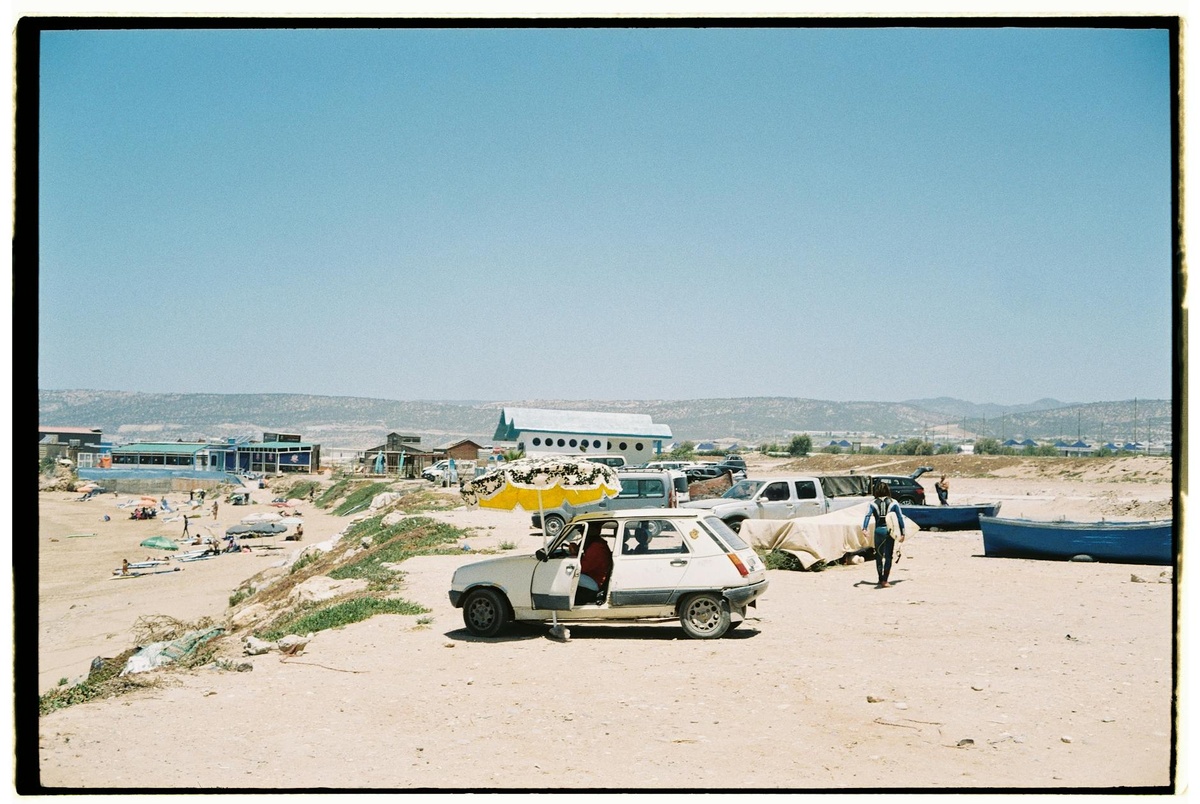
I rented a small Dacia in Marrakech for €28 a day, pointed it west, and three hours later I was eating grilled sardines for €4 while Atlantic waves crashed below 18th-century ramparts. Morocco’s Atlantic coast is made for a road trip — dramatic cliffs, sleepy surf towns, and long empty beaches that feel a world away from the medina chaos.
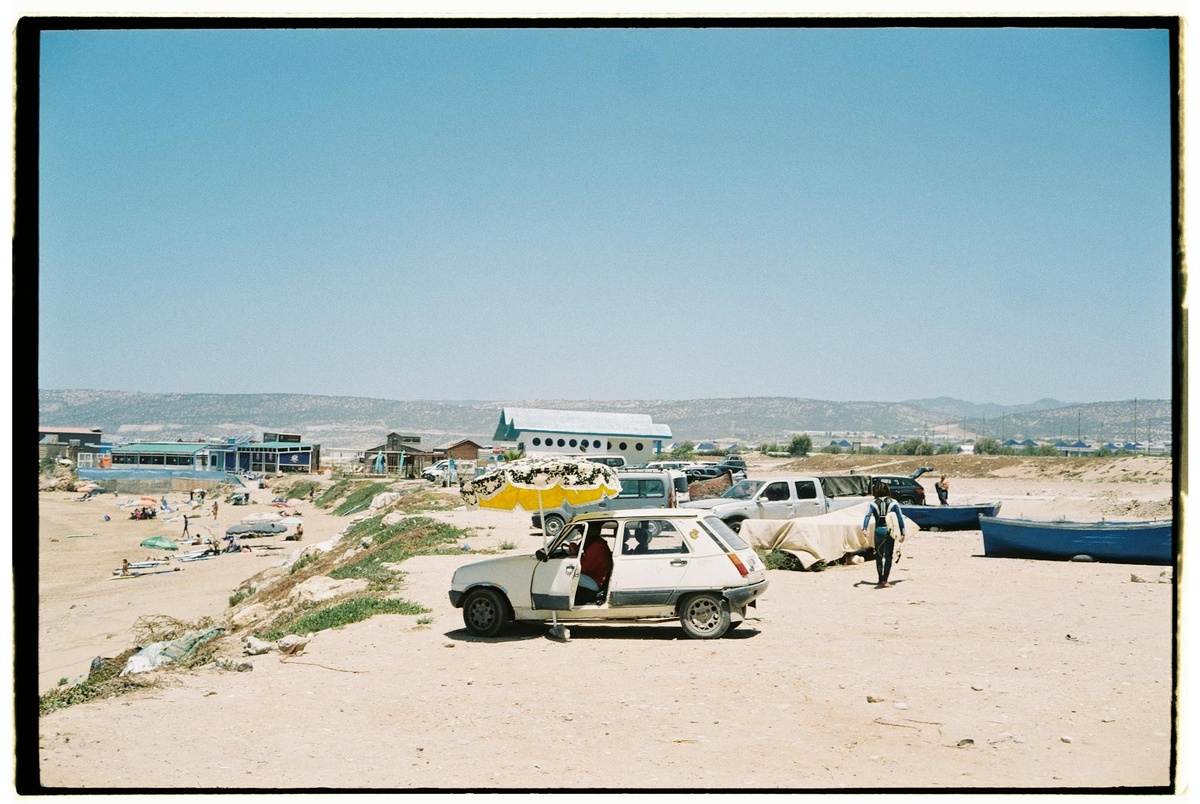
Late spring (May–June) is prime time. The crowds of July and August haven’t arrived yet, the water is warming up, and surf conditions are still consistent. If you’re planning a summer escape with equal parts culture and beach, this is it.
Key Takeaways
- Marrakech to Essaouira is 2.5–3 hours by car; expect €25–40/day for rentals in 2026.
- Budget €50–90 per night for stylish riads or surf lodges in late spring.
- Best surf conditions: April–June and September–November.
- Essaouira to Taghazout is a 3-hour coastal drive with multiple hidden beach stops.
- Avoid July–August if you dislike crowds and higher prices.
Stop 1: Essaouira — Wind, Waves & Whitewashed Walls
Essaouira is the kind of place you plan for one night and stay for three. It’s compact, walkable, and refreshingly chill compared to Marrakech.
The drive from Marrakech takes about 2.5 to 3 hours on a well-maintained highway. There’s usually a police checkpoint or two — just slow down and smile.
What to Do in Essaouira
Walk the Skala de la Ville. The 18th-century sea walls are cinematic, especially in late afternoon when the light turns honey-gold. Game of Thrones fans will recognize the setting.
Eat at the port grills. Ignore the aggressive touts and walk deeper into the harbor. Pick your fish (sardines, sea bream, calamari), pay by weight (around €10–15 per kilo), and they’ll grill it on the spot.
Hit the beach. Essaouira is windy — that’s the point. It’s a kitesurfing hotspot, and even if you don’t ride, long beach walks here are magic.
Skip the tourist argan oil “cooperatives.” Many are commission traps. Buy from reputable shops inside the medina instead.
Where to Stay
Riad Dar Maya (from €85/night) is a standout for couples. For something more social, Atlantic Hostel near the ramparts has dorms around €15–20 and a rooftop perfect for sunset mint tea.
Where to Eat
Caravane Café is fun and eclectic — think tagine meets art gallery. For something simpler, La Table by Madada does excellent seafood with harbor views.
The Scenic Drive South: Essaouira to Taghazout
This is the stretch that makes the road trip worth it. The 175 km drive takes about three hours without stops — but you should absolutely stop.
Argan trees dot the landscape, and in late spring the hills are surprisingly green. Pull over at wild beaches where there’s nothing but sand, sea, and maybe a few local surfers.
Hidden Beaches Worth the Detour
Sidi Kaouki (30 minutes south of Essaouira). A laid-back surf village with wide-open beaches and far fewer tour groups. Great for beginner lessons — around €25–35 for a two-hour session.
Imsouane. Technically north of Taghazout, but worth a loop. It’s famous for one of the longest right-hand waves in Africa. Even if you don’t surf, the fishing village vibe feels wonderfully untouched.
Plage Tifnit. South of Agadir, this remote beach backed by red cliffs feels almost lunar. There are a few simple seafood shacks — expect plastic chairs and incredibly fresh fish.
Stop 2: Taghazout — Morocco’s Surf Capital
If Essaouira is artsy and windswept, Taghazout is barefoot and sun-bleached. Once a sleepy fishing village, it’s now Morocco’s surf hub — but it hasn’t lost its charm (yet).
Expect yoga decks, smoothie bowls, and surfboards stacked against white-and-blue houses. It’s relaxed, but busier each year — especially from June onward.
Best Surf Spots
Anchor Point. Legendary among experienced surfers. Long, peeling right-handers when the swell is right.
Panoramas Beach. More forgiving and ideal for beginners.
Devil’s Rock. Reliable and fun, especially in shoulder seasons like May.
Board rental runs about €10–15 per day. Surf camp packages (accommodation + meals + lessons) typically cost €500–700 for a week in 2026.
Where to Stay in Taghazout
Munga Guesthouse (from €90/night) is stylish but relaxed. For digital nomads and solo travelers, SunDesk offers co-working plus rooms starting around €25–40.
If you’re traveling with expensive gear, I recommend tossing a smart tracker in your bag — something like the Moto Tag 2 with UWB is handy during surf-heavy, multi-stop trips where luggage gets shuffled around.
Where to Eat & Drink
World of Waves does a solid post-surf brunch. For sunset, head to Café Mouja for tea with a terrace view.
Alcohol is limited but available in some hotel bars. Don’t expect a European-style cocktail scene — if that’s your thing, you’ll find better inspiration in cities featured in Europe’s top cocktail bar rankings.
Practical Tips for a Smooth Road Trip
- Rent a small car. Roads are good, but medina parking is tight.
- Carry cash. Many beach cafés and surf shops don’t take cards.
- Watch for speed cameras. Fines are real and enforced.
- Buy a local SIM. Maroc Telecom has the best rural coverage.
- Start drives early. Coastal light is better, and traffic lighter.
Fuel is affordable compared to Europe — roughly €1.40 per liter as of May 2026. A full coastal loop from Marrakech down past Taghazout and back will cost around €60–80 in petrol.
When to Go (And When to Avoid)
May–June: Ideal balance of warm weather (22–27°C), manageable crowds, and solid surf. Perfect for a late spring or early summer trip.
July–August: Peak European holiday season. Expect higher accommodation prices (sometimes 30–40% more) and busier beaches.
September–October: Warm water, excellent surf, fewer tourists. Arguably the sweet spot.
Ramadan dates shift each year — in 2026 it’s expected earlier in the year, so late spring travel won’t be affected much. Still, check local timing if cultural schedules matter to you.
Sample 5-Day Atlantic Coast Itinerary
- Day 1: Marrakech to Essaouira, sunset on the ramparts, seafood dinner.
- Day 2: Beach morning in Essaouira, afternoon drive to Sidi Kaouki.
- Day 3: Coastal drive to Taghazout with stops at hidden beaches.
- Day 4: Surf lesson + sunset yoga in Taghazout.
- Day 5: Relaxed breakfast, drive back to Marrakech (3–3.5 hours).
Total mid-range budget for 5 days (excluding flights): roughly €450–700 per person, depending on accommodation style.
Final Thoughts: Is Morocco’s Atlantic Coast Worth It?
Absolutely — especially right now, before development pushes Taghazout too far upmarket. You get culture, surf, seafood, and cinematic scenery in one compact, easy-to-drive route.
If you’re craving a summer trip that feels adventurous but manageable, rent the car and go. Morocco’s Atlantic coast rewards slow travel — and spontaneous beach stops.
And if you do this road trip, send us your favorite hidden beach. The best ones are never on Google Maps.
For a smooth start to your road trip, book your stay in Essaouira early—Hotels in Essaouira ansehen.
Frequently Asked Questions
How much does a Morocco Atlantic coast road trip cost?
Expect €450–700 per person for 5 days, including car rental, mid-range stays, fuel, and food. Budget travelers can do it for less with hostels and shared surf lessons.
When is the best time to visit Essaouira and Taghazout?
May–June and September–October offer the best balance of warm weather, fewer crowds, and good surf conditions. July and August are busier and more expensive.
Is it safe to drive in Morocco?
Yes, especially on major routes like Marrakech to Essaouira and Agadir. Roads are generally good, but watch for speed cameras and occasional police checkpoints.
Do you need a 4×4 for the Atlantic coast?
No. A standard compact car is perfectly fine for paved coastal roads. Only very remote beach tracks might require higher clearance.

About the Author: Tomáš Bzirský
Founder and editor of Distratech. Based in the Czech Republic, travelling regularly from Central Europe. Writes practical travel guides and travel-tech comparisons (eSIM, apps, airports) in six languages.