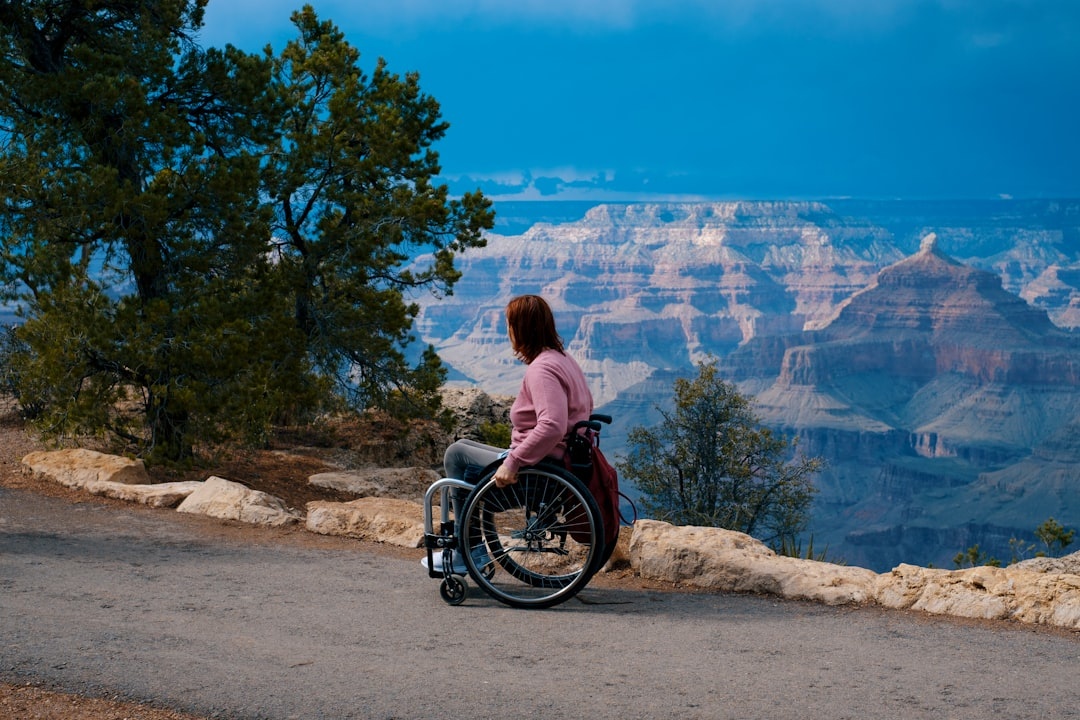
Last June, I watched a friend roll her wheelchair straight onto a ferry in Stockholm without a single ramp adjustment, crew lift, or awkward pause. Ten minutes later, we were island-hopping through the archipelago like it was the most normal thing in the world — because there, it is.
Accessible travel in Europe has come a long way. But some destinations truly stand out, not just for checking compliance boxes, but for making adventure feel seamless, independent, and actually fun.
Key Takeaways
- Stockholm’s public transport is over 95% step-free and island ferries are wheelchair accessible.
- Barcelona’s metro is 92% accessible and beach boardwalks offer amphibious chairs in summer.
- Lake Bled has a fully paved 6 km loop ideal for mobility devices and adaptive cycling.
- The Dolomites offer adaptive hiking and cable cars with step-free access starting around €25 roundtrip.
- Late May to early July is ideal for fewer crowds, mild weather, and better hotel availability.
Below are the European destinations accessibility experts consistently recommend — and why they’re worth planning your summer 2026 around.
1. Stockholm, Sweden — Best for Easy Urban + Nature Combo
Stockholm quietly sets the gold standard for accessible city breaks.
More than 95% of public transport stations are step-free. Buses kneel automatically. Ferries to the archipelago have accessible boarding ramps. Even cobblestone-heavy Gamla Stan has smoother alternate routes clearly marked.
Why it’s great for adventure:
- Kayaking companies offer adaptive seats and stable tandem kayaks.
- The Royal National City Park has wide gravel paths suitable for mobility scooters.
- Archipelago ferries cost around €8–€15 one way and are fully accessible.
Late spring (May–June) is ideal: long daylight hours, temperatures around 60–70°F (15–21°C), and fewer cruise crowds than peak July.
Skip: the tiny boutique hotels in historic buildings without lifts. Instead, look at larger waterfront properties in Norrmalm or Södermalm.
2. Barcelona, Spain — Beach Access Done Right
If you want Mediterranean energy without accessibility headaches, Barcelona delivers.
About 92% of the metro system is accessible, buses are fully adapted, and tactile paving is consistent across the city. The beach boardwalks are smooth and wide — no sinking into sand unless you want to.
From June through September, several beaches (like Nova Icaria and Barceloneta) offer:
- Amphibious beach wheelchairs
- Assisted sea bathing programs
- Accessible changing facilities
Gaudí sites like Casa Batlló and Sagrada Família have lifts and step-free routes, though you’ll want to book timed entries early — especially with summer festival season kicking off in late May.
Pro tip: Stay near El Born or Eixample for flatter streets. The Gothic Quarter is atmospheric but uneven.
And if you’re planning a quick hop over to the UK afterward, read our guide on using eGates to skip long airport lines — summer queues can be brutal.
3. Lake Bled, Slovenia — Scenic Without the Struggle
Lake Bled looks like a fantasy novel cover. The surprise? It’s one of the most mobility-friendly nature escapes in Central Europe.
The entire 6 km (3.7 mile) loop around the lake is paved. It’s mostly flat, with gentle inclines — ideal for wheelchairs, adaptive bikes, and slow scenic strolls.
Adventure options:

- Accessible boat rides (staff assist with boarding)
- Adaptive cycling rentals in nearby Radovljica
- Step-free lakeside cafés with outdoor terraces
May and early June are sweet spots before European school holidays begin. Expect temps around 65–75°F (18–24°C).
Skip the steep hike up to Bled Castle unless you’re comfortable with gradients. Instead, enjoy the panoramic lake views from accessible lakeside platforms — nearly as dramatic, minus the burn.
4. The Dolomites, Italy — Yes, Adaptive Alpine Adventures Exist
Most people assume the Alps are off-limits unless you’re ultra-athletic. That’s outdated thinking.
In northern Italy’s Dolomites, several cable cars are fully step-free. Roundtrip tickets typically range from €25–€35, and they open up high-altitude viewpoints without strenuous climbs.
Specialized tour providers in Cortina d’Ampezzo and Val Gardena offer:
- Adaptive hiking equipment
- Off-road mobility devices
- Guided accessible alpine experiences
Late June is perfect — snow has mostly melted at mid-elevations, wildflowers are blooming, and the heavy August crowds haven’t arrived.
Be selective with accommodation. Smaller mountain inns often lack elevators. Look for newer alpine lodges or wellness hotels built in the past 10–15 years.
5. Vienna, Austria — Culture Without Barriers
If your idea of adventure includes museums, concerts, and café culture, Vienna is one of Europe’s easiest capitals to navigate.
The U-Bahn (subway) is almost entirely step-free. Major museums — including the Kunsthistorisches and Belvedere — offer accessible entrances and loaner wheelchairs.
Sidewalks are wide. Crossings are clearly marked. Public toilets are easy to locate (a detail that matters more than most travel guides admit).
Late spring also means outdoor classical concerts and wine garden (Heuriger) season. Order a Grüner Veltliner and settle in.
If you’re navigating popular European cities this summer, it’s worth reviewing how to travel responsibly in overtouristed destinations — accessibility improves when infrastructure isn’t overwhelmed.
6. Amsterdam, Netherlands — Manageable With Planning
Amsterdam is complicated.
The canal houses are steep and narrow. Some historic hotels are architectural nightmares for mobility access. But the broader infrastructure — trams, trains, sidewalks — is strong.
Schiphol Airport consistently ranks among Europe’s most accessible hubs. Trains from the airport to the city center take 15–20 minutes and are step-free.

The Rijksmuseum and Van Gogh Museum both offer excellent accessibility services. Canal cruises now increasingly feature ramp boarding — just confirm before booking.
Come in May or early June for tulip tail-end blooms and manageable crowds. Avoid peak July weekends unless you enjoy shoulder-to-shoulder navigation.
Smart Tech That Makes Accessible Travel Easier
Accessibility isn’t just ramps and lifts anymore — it’s also tech.
- Download local transit apps for live elevator outage updates (Stockholm and Vienna both offer this).
- Use Google Maps’ wheelchair-accessible filter — surprisingly accurate in major European cities.
- Pack noise-canceling earbuds for sensory-friendly travel days. The latest models with AI-enhanced adaptive cancellation adjust automatically in busy stations — more on that in our review of Anker’s Liberty 5 Pro with AI noise cancellation.
- Pre-book assistance at airports at least 48 hours in advance — required under EU regulations.
These small moves make a massive difference when navigating busy summer travel corridors.
When Is the Best Time for Accessible Adventures in Europe?
For 2026, aim for late May through early July or September.
You’ll get mild weather, better hotel availability (especially accessible rooms, which are limited), and less strain on public infrastructure.
August is beautiful but crowded — and crowded cities are harder for everyone to navigate.
The Bottom Line
Accessible adventure in Europe isn’t niche anymore. It’s kayaking through Stockholm’s islands, rolling around Lake Bled at sunset, riding a cable car into the Dolomites, and swimming in the Mediterranean with real support.
The key is choosing destinations that treat accessibility as standard — not special.
If you’re planning a summer 2026 trip, start researching now. Accessible rooms book early, adaptive tours have limited capacity, and the best travel experiences are the ones you don’t have to fight for.
Have a destination you’re curious about? Dive deeper into Distratech’s Europe guides and start building a trip that works for you — not against you.
Frequently Asked Questions
Which European country is best for accessible travel?
Sweden consistently ranks among the best due to step-free public transport (over 95% accessible in Stockholm) and strong accessibility laws. Spain and Austria also perform well in major cities like Barcelona and Vienna.
How far in advance should I book accessible hotels in Europe?
Book at least 2–3 months ahead for late spring and 4–6 months ahead for peak summer (July–August). Accessible rooms are limited and often sell out first in popular cities.
Are European trains wheelchair accessible?
Many high-speed and intercity trains are accessible, but assistance usually must be booked 24–48 hours in advance. Countries like Austria, Germany, and Sweden have particularly reliable rail support services.
Is Europe good for accessible beach vacations?
Yes — especially Spain. Barcelona’s beaches offer amphibious chairs and assisted bathing programs from June through September, with smooth boardwalk access year-round.

About the Author: Tomáš Bzirský
Founder and editor of Distratech. Based in the Czech Republic, travelling regularly from Central Europe. Writes practical travel guides and travel-tech comparisons (eSIM, apps, airports) in six languages.