Apple is reportedly moving its camera-equipped AirPods closer to early mass production testing, which means this isn’t just a patent fantasy anymore. If development stays on track, we could see AI-powered AirPods with built-in cameras launch as soon as late 2026 or 2027.
At first glance, that sounds excessive. Cameras… in your earbuds? But if you travel often — especially during peak summer season, festivals, or long-haul trips — this could quietly become one of the most useful upgrades Apple has made since noise cancellation.
Key Takeaways
- Apple’s camera-equipped AirPods are reportedly nearing early mass production testing in 2026.
- The cameras are expected to power AI features like live translation and visual context awareness.
- Potential release window: late 2026 or 2027, likely as a premium AirPods Pro model.
- For travelers, the biggest benefit could be hands-free visual AI and real-time translation.
What’s Actually Happening?
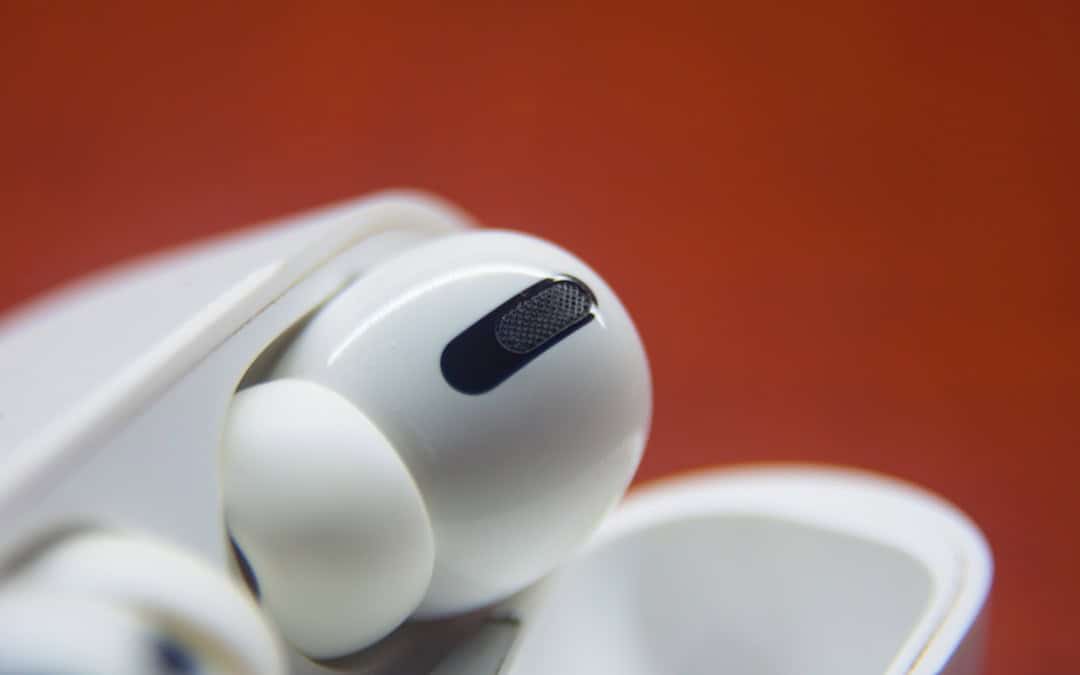
According to multiple supply chain reports, Apple is preparing to test early mass production of new AirPods that include tiny outward-facing cameras. These aren’t designed for photography. You won’t be shooting beach sunsets in Lisbon from your ears.
Instead, the cameras are expected to feed visual data into Apple’s AI system — likely tightly integrated with Apple Intelligence across iPhone, iPad, and possibly Vision Pro.
In short: your AirPods wouldn’t just hear the world. They’d see it too.
What Would Camera AirPods Actually Do?
Apple hasn’t officially confirmed specs, but based on credible reporting and Apple’s current AI direction, here’s what’s realistic:
- Live translation with visual context (reading signs, menus, gate numbers)
- Object recognition (landmarks, products, directions)
- Spatial audio awareness based on what you’re looking at
- Gesture or head-based controls tied to visual cues
- Enhanced AR pairing with future Apple glasses
For travelers, that first bullet point is the killer feature.
Why This Matters for Travelers in Summer 2026
We’re heading into peak Europe festival season and international travel is back at full volume. Cities like Budapest — hosting major events like the 2026 Champions League Final — are expecting record crowds. If you’re planning a trip, check out our Budapest football travel guide for context.
Now imagine walking through a packed metro station in a foreign city.
You look at a sign in Hungarian, Portuguese, or Japanese. Your AirPods quietly translate it into your ear in real time. No pulling out your phone. No stopping in the middle of a crowd. No looking like a tourist.
That’s powerful.
Real-World Travel Scenarios Where This Could Shine
1. Navigating Airports
Airports are chaotic in summer. Gate changes, last-minute boarding calls, multilingual announcements.
Camera-enabled AirPods could:
- Read gate numbers visually
- Identify airline counters
- Translate printed boarding information
- Overlay contextual directions through audio prompts
It’s like having a lightweight AI travel assistant without staring at your screen.
2. Ordering Food Abroad
If you’re heading to Portugal for a late spring or early summer trip — say following our 5-day Lisbon and Porto itinerary — you’ll run into menus that don’t always have perfect English translations.
Point your gaze at the menu. AirPods translate it quietly. Maybe even flag local specialties.
That’s smoother than Google Lens because it’s hands-free.
3. Festivals and Outdoor Events
At Europe’s massive summer festivals — which we break down in our 2026 summer festivals guide — pulling out your phone constantly is risky and annoying.
Camera-powered AirPods could:
- Identify stage names or artist banners
- Translate signs
- Give navigation cues within crowded grounds
Less screen time. More experience.
But Let’s Talk Privacy (Because It’s a Big Deal)
Putting cameras in earbuds sounds like a Black Mirror episode.
Apple will have to be extremely clear about:
- Whether cameras are always on or on-demand
- How visual data is processed (on-device vs cloud)
- Visual indicators showing active capture
- Data storage policies
If Apple handles this like Face ID — heavily on-device, privacy-first — adoption will be easier. If it feels invasive, travelers may hesitate, especially in regions with strict privacy laws.
Battery Life: The Make-or-Break Factor
AirPods Pro 2 currently offer around 6 hours of listening time with ANC on.
Add cameras and real-time AI processing, and battery drain could spike.
For travelers, battery anxiety is real. No one wants dead earbuds halfway through a 10-hour flight to Asia or a cruise embarkation day (especially if you’re sailing on one of the best adult-oriented cruise lines this year).
If Apple can keep:
- At least 5–6 hours active AI usage
- 20+ hours with charging case
— then it remains practical. Anything less, and it becomes a niche gimmick.
How This Compares to Smart Glasses
You might be thinking: why not just wait for Apple Glasses?
Here’s the difference.
Smart glasses are visible. Socially awkward for some. More expensive. And likely years away from mass adoption.
AirPods?
Everyone already wears them.
Camera AirPods are a stealth upgrade. They don’t change your appearance. They just enhance what you already use daily — especially if you’re a digital nomad or remote worker hopping between cities.
Expected Price (Brace Yourself)
AirPods Pro 2 retail around $249.
A camera-equipped AI version would likely land in the $299–$349 range, possibly higher if positioned as “AirPods Pro AI” or bundled with Apple Intelligence features.

Is that worth it?
If you travel internationally once a year, maybe not.
If you travel monthly, work remotely abroad, or frequently navigate language barriers — it starts to make sense.
Who Should Be Excited — and Who Should Skip It
This Makes Sense For:
- Frequent international travelers
- Digital nomads
- Solo travelers navigating unfamiliar cities
- Festival and event travelers
- Tech-forward early adopters
You Can Skip It If:
- You rarely leave your home country
- You prefer full over-ear headphones on flights
- You’re privacy-sensitive about wearable cameras
- You already rely heavily on smartwatch + phone combo
What to Expect Next
If early production testing ramps up in 2026, here’s a realistic timeline:
- Late 2026: Developer previews or limited testing leaks
- Early 2027: Possible official announcement
- Fall 2027: Consumer launch alongside iPhone refresh
Apple tends to introduce major new AirPods features alongside iPhone cycles, so watch the September events.
My Take as a Frequent Traveler
I’m skeptical of most “AI hardware” hype.
But this feels different.
Not because it’s flashy — but because it reduces friction. And when you travel, friction is everything. Language friction. Navigation friction. Cultural friction.
If Apple nails live translation with contextual awareness — not just word-for-word but meaningful guidance — this could quietly become one of the best travel tech upgrades of the decade.
The key will be execution. If it works seamlessly, it’s revolutionary. If it drains battery and feels creepy, it’ll flop fast.
For now, it’s one of the most interesting pieces of travel tech on the horizon.
Conclusion: Tiny Cameras, Big Travel Potential
Apple’s camera-equipped AirPods aren’t about taking photos. They’re about understanding the world around you.
For summer trips, crowded European cities, long-haul adventures, and festival season chaos, that kind of invisible AI assistance could be transformative.
We’re not there yet — but we’re closer than most people realize.
If you’re planning international travel for late 2026 or 2027, this is one product worth keeping on your radar.
Frequently Asked Questions
When will Apple’s camera AirPods be released?
Reports suggest Apple is nearing early mass production testing in 2026, with a possible launch window in late 2026 or 2027, likely alongside a major iPhone release.
Will AirPods with cameras take photos or videos?
They are not expected to function as traditional cameras for photography. Instead, the cameras would likely feed visual data to AI features like live translation and object recognition.
How would camera AirPods help travelers?
They could provide real-time translation of signs and menus, identify landmarks, and offer contextual navigation guidance — all hands-free and without constantly checking your phone.
Will camera AirPods affect battery life?
Battery life is a key concern. To remain practical for travel, they would likely need to maintain around 5–6 hours of active use and 20+ hours with the charging case.

About the Author: Tomáš Bzirský
Founder and editor of Distratech. Based in the Czech Republic, travelling regularly from Central Europe. Writes practical travel guides and travel-tech comparisons (eSIM, apps, airports) in six languages.