
At Tokyo’s Haneda Airport this spring, humanoid robots have started handling one of the least glamorous parts of air travel: sorting and moving luggage. The test program puts human-shaped robots on the baggage line, lifting suitcases, stacking cargo, and potentially even cleaning aircraft cabins between flights.
This isn’t a sci‑fi demo behind glass. It’s a real-world trial at one of the busiest airports in Asia — right as Japan heads into peak cherry blossom and Golden Week travel.
Key Takeaways
- Haneda Airport is testing humanoid robots to sort and move luggage amid ongoing labor shortages.
- The robots are designed to lift heavy suitcases and work overnight shifts without fatigue.
- Faster turnarounds could mean fewer delays and fewer mishandled bags during peak travel seasons.
- If successful, similar systems could roll out to other major global hubs within a few years.
What’s Actually Happening at Haneda?
Japan Airlines and airport partners are testing humanoid robots in ground operations — specifically baggage handling and potentially cabin cleaning.
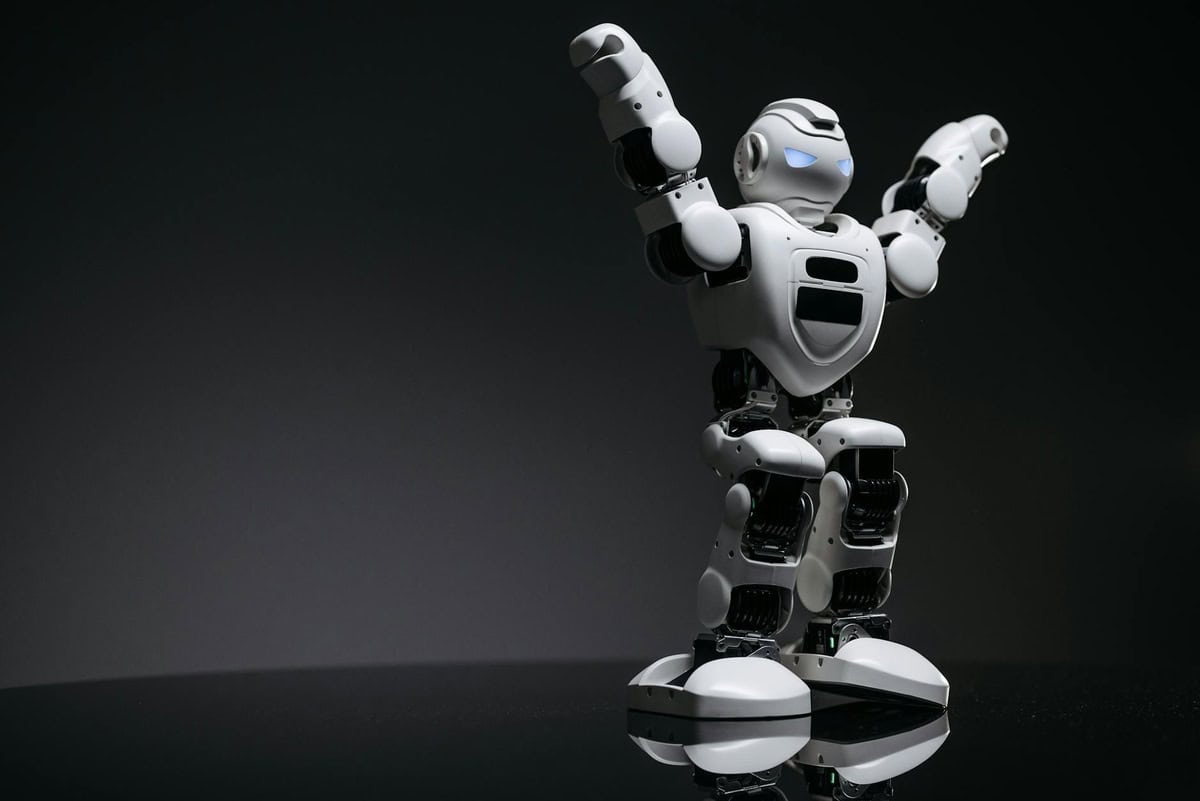
Unlike fixed robotic arms in factories, these robots are human-shaped and mobile. They can walk, bend, lift, and place luggage into cargo holds or onto conveyor systems.
The goal isn’t novelty. It’s survival.
Japan faces a well-documented labor shortage, especially in physically demanding airport jobs. With international travel rebounding hard in 2026 — and spring shoulder season flights to Tokyo packed — airlines are struggling to staff ground crews.
Why This Matters for Travelers (More Than You Think)
Most travelers don’t think about baggage handling until something goes wrong.
But robots in this part of the airport ecosystem could affect:
- Delayed departures
- Mishandled or lost luggage
- Short-staffed peak-season chaos
- Airline operating costs (which affect ticket prices)
If robots can work consistently overnight, during typhoon season, or during Golden Week surges, that stabilizes airport operations.
For spring 2026 travelers heading to Japan for cherry blossoms, tulip season in Europe, or multi-city trips planned with AI tools (like in our guide on using AI to plan a Europe trip in under an hour), reliability matters more than ever. Tight connections are common in shoulder season itineraries.
Could This Reduce Lost Luggage?
Possibly — but not immediately.
Most lost luggage issues happen due to:
- Tight transfer windows
- Human loading errors
- Manual tag scanning mistakes
- Staff shortages during irregular operations
Robots don’t get tired during 12-hour shifts. They don’t rush to beat the clock before a gate closes. In theory, that could reduce physical loading errors.
But robots still rely on the same baggage tag data systems. If your bag is misrouted digitally, no humanoid can fix that.
Bottom line: this improves physical handling consistency — not airline IT systems.
Will This Speed Up Departures?
This is where things get interesting.
Aircraft turnaround time (the period between landing and departure) is one of the most expensive parts of airline operations. Every extra minute on the ground costs money.
If robots can:
- Unload and reload cargo faster
- Work simultaneous shifts
- Operate during overnight staffing gaps
Then airlines reduce delays caused by ground crew shortages.
For travelers, that means fewer domino-effect delays during busy spring weekends — especially at major Asian hubs connecting to Europe and North America.
What About Safety?
Humanoid robots in baggage areas must operate alongside humans.
That means:
- Advanced sensors to avoid collisions
- Force-limited lifting systems
- Emergency stop protocols
- Remote human supervision
Airports are highly regulated environments. These tests are happening under controlled conditions, not free-roaming android chaos.
If anything, robots may reduce repetitive strain injuries among human ground crews. Lifting 23 kg (50 lb) suitcases all day isn’t sustainable long-term.
Will Ticket Prices Drop?
Probably not in the short term.
Humanoid robots are expensive. Development, maintenance, integration, and supervision add cost before they save money.
But long-term?
If airlines can stabilize staffing costs and reduce delay-related disruptions, that improves margins. Whether airlines pass that on to travelers is another story.
Historically, efficiency gains often go toward route expansion or profit — not lower fares.
Could This Expand Beyond Tokyo?
Yes — and that’s the bigger story.
If Haneda’s test proves successful, expect rollouts at:
- Other Japanese airports (Narita, Kansai)
- High-labor-cost hubs in Europe
- Major U.S. gateways with staffing shortages
Europe’s spring travel season is already pushing airport capacity. Anyone flying to hike the Camino this year (see our updated Camino de Santiago spring 2026 guide) knows regional airports can feel stretched thin.
Automation in back-end operations could help smaller airports handle surges without dramatically increasing staffing.
What This Means for Digital Nomads
If you travel long-term with checked gear — camera equipment, portable monitors, hiking packs — baggage reliability matters.
Robotic handling could mean:
- More consistent loading practices
- Less fatigue-related mishandling
- Better overnight cargo throughput
But here’s the reality check: robots don’t replace smart packing.
Use AirTags or similar trackers. Reinforce fragile cases. Avoid ultra-tight layovers when moving between continents.
Are Humanoid Robots the Right Approach?
This is where I get opinionated.
Humanoid robots look impressive. They’re media-friendly. But from an engineering perspective, specialized robotic arms are often more efficient for repetitive tasks.
The advantage of humanoid design is flexibility. Airports are built for humans — stairs, ladders, narrow cargo holds.
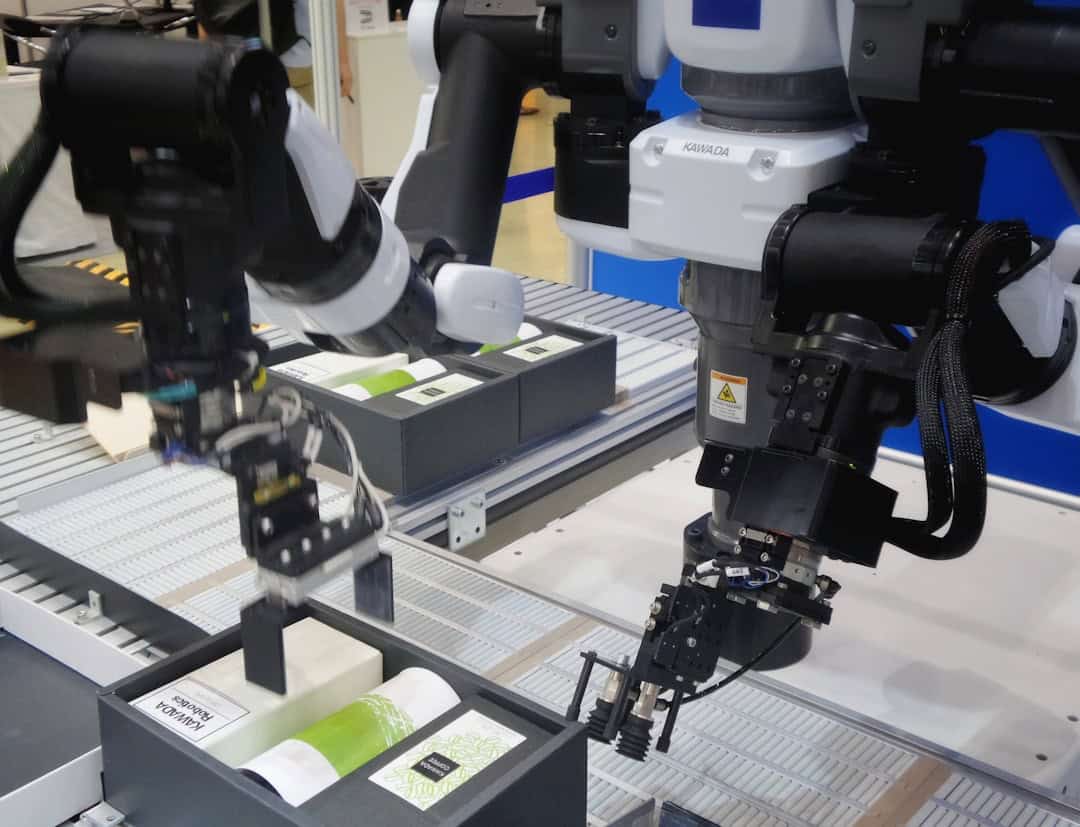
A robot that can move in human-designed environments without redesigning infrastructure is powerful.
But if these systems end up being slower or more expensive than specialized automation, airlines may pivot.
What Travelers Should Watch in 2026
If you’re flying through Tokyo this year, you probably won’t notice anything dramatic.
But here’s what to pay attention to:
- Reduced ground delays at Haneda during peak weekends
- Fewer baggage-related complaints on key routes
- Announcements of expanded trials to other airports
- Airlines mentioning automation in investor reports
Airport automation is moving from novelty (self-check-in kiosks) to operational backbone (AI scheduling, robotic handling).
The real shift is invisible — and that’s usually a good thing.
The Bigger Picture: AI + Robotics in Travel
We’re entering an era where AI plans your itinerary, dynamic pricing sets your fare, and robots move your suitcase.
Earlier this year we covered how AI tools can build a complex Europe itinerary in under an hour. Now, the physical side of travel is getting automated too.
The future airport experience may look like this:
- AI-driven baggage routing
- Robotic ground crews
- Autonomous tugs moving aircraft
- Predictive delay management systems
For travelers, the goal isn’t flashy tech. It’s boring reliability.
If humanoid robots make spring 2026 flights smoother during peak travel, they’re doing their job.
Final Verdict: Is This Good News for Travelers?
Yes — cautiously.
Robots sorting luggage at Haneda aren’t about replacing human service. They’re about keeping global air travel functional amid demographic shifts and labor shortages.
In the short term, you won’t feel much difference.
In the long term, this kind of automation may be what prevents airport chaos during peak seasons — whether you’re flying to Tokyo for cherry blossoms or connecting onward to Europe’s tulip fields.
If the robots quietly make your bag arrive on time, that’s a win.
If you’re planning a trip to Tokyo around Haneda Airport, browse great options here: Hotels in Tokyo.
Frequently Asked Questions
Are robots really handling luggage at Tokyo’s Haneda Airport?
Yes. Haneda is testing humanoid robots to assist with baggage sorting and ground operations as part of a trial addressing labor shortages in 2026.
Will robots reduce lost luggage?
They may reduce physical handling errors, but most lost baggage issues are caused by routing and transfer timing problems, not lifting mistakes.
Will this make flights cheaper?
Unlikely in the short term. The robots are expensive to deploy, and cost savings — if achieved — typically improve airline margins before lowering fares.
Could other airports adopt humanoid baggage robots?
Yes. If the Haneda trial proves successful, similar systems could expand to other Japanese hubs and high-traffic airports in Europe and North America within a few years.

About the Author: Tomáš Bzirský
Founder and editor of Distratech. Based in the Czech Republic, travelling regularly from Central Europe. Writes practical travel guides and travel-tech comparisons (eSIM, apps, airports) in six languages.