I used to plan my days around sunrise hikes and 8am museum entries. Now? I plan around golden hour.
“Dusking” — structuring your travel day around sunset and the slow fade into night — is quickly becoming 2026’s most talked-about travel trend. And honestly, it makes sense. Flights are fuller, cities are hotter, and no one wants to elbow through crowds at noon when the magic happens at 8:47pm.
Key Takeaways
- Late spring and summer 2026 offer sunset times as late as 9:30pm in parts of Europe.
- Oia (Santorini) and Uluwatu (Bali) are iconic but crowded — arrive 60–90 minutes early.
- Essaouira, Morocco offers Atlantic sunsets with riad stays from $70 per night.
- Santorini sunset cruises start around $120 per person for 4–5 hours.
- For best photos, shoot 20–30 minutes after sunset during blue hour.
Dusking isn’t just about watching the sun drop. It’s about designing your trip so your best experiences happen between 6pm and 10pm — cooler air, softer light, fewer tour groups, better vibes.
Here’s where to do it right.
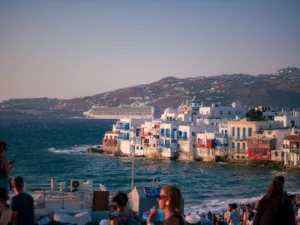
1. Santorini, Greece — The Classic (But Do It Smarter)
Yes, Oia is crowded. Yes, cruise ships still dump thousands of people here daily. But there’s a reason Santorini remains the gold standard for dusking.
From late May through July, sunset hits around 8:30–8:45pm. The whitewashed buildings glow pink, then orange, then deep violet.
Here’s the trick: skip the Oia castle viewpoint. It’s shoulder-to-shoulder chaos by 7pm.
Instead, book a sunset catamaran cruise (around $120–$150). You’ll watch the caldera cliffs ignite from the water — wine in hand, no elbows involved.
Or stay in Imerovigli. It’s quieter, slightly higher up, and just as dramatic.
If you’re planning a Greek island trip this summer but want fewer crowds overall, check out these crowd-free alternatives to Santorini and Mykonos — several offer equally stunning sunsets without the chaos.
2. Essaouira, Morocco — Atlantic Drama Without the Hype
Morocco’s Atlantic coast might be the most underrated dusking destination right now.
In Essaouira, the sun melts into the ocean around 8:15pm in June. Seagulls circle the old Portuguese ramparts, Gnawa music drifts through the medina, and the wind keeps things cool — even when Marrakech is pushing 95°F.
Walk along Skala de la Ville for the best views. It’s cinematic without trying too hard.
Riad stays inside the medina start around $70–$120 per night in late spring. Fresh grilled sea bass at the port costs under $15.
If you want to build a full sunset-focused itinerary, this Morocco Atlantic Coast road trip guide connects Essaouira with Taghazout’s surf sunsets and lesser-known beaches.
3. Uluwatu, Bali — Clifftop Fire Shows
Bali does golden hour better than almost anywhere.
At Uluwatu Temple, sunset hovers around 6:30–6:45pm year-round. The Indian Ocean turns metallic gold, and waves crash 70 meters below limestone cliffs.
Yes, it’s popular. But it’s popular for a reason.

Arrive by 5:30pm, explore the cliff paths, then stay for the Kecak fire dance (tickets about $10). The chanting begins just as the sky turns purple.
Skip the overcrowded Single Fin bar unless you love packed terraces. For something calmer, head to Karang Boma Cliff — raw, dramatic, and far less curated.
Pro tip: bring an action camera with solid low-light stabilization if you’re filming the performance. We’ve tested the best options in our 2026 guide to top adventure action cameras.
4. Grand Canyon, USA — The Quiet After the Day-Trippers Leave
Most visitors hit the Grand Canyon at noon. Big mistake.
In late May, sunset lands around 7:30–7:45pm. By then, the tour buses are pulling out and the light slices through the canyon layers in deep reds and purples.
Hopi Point on the South Rim is the classic sunset spot — but walk 10–15 minutes east or west along the rim trail for more solitude.
Temperatures drop quickly after dark, even in summer. Bring layers.
And stay for blue hour. The canyon turns smoky lavender about 20 minutes after sunset — most people miss it.
5. Amalfi Coast, Italy — Aperitivo Meets Afterglow
On the Amalfi Coast in June, sunset stretches past 8:30pm.
Positano faces west, which means front-row seats. The pastel buildings glow, boats drift in the harbor, and church bells echo as the sky shifts from peach to indigo.
But here’s the move: don’t fight for Spiaggia Grande beach space.
Instead, reserve a terrace table in Praiano (often 20–30% cheaper than Positano). Order a €12 Aperol spritz and let the cliffs do the work.
After dark, the coastline quiets down. That’s when Amalfi feels intimate.
6. Kyoto, Japan — Temple Silhouettes and Lantern Light
Dusking doesn’t have to mean beaches.
In Kyoto, late spring sunsets around 7pm cast warm light across wooden machiya houses and temple roofs. The real magic happens just after — when lanterns flicker on in Gion.
Head to Yasaka Pagoda for classic skyline views. Then wander toward Pontocho Alley as restaurants open sliding doors to the evening air.
A bowl of ramen after sunset? Around $8–$12. Worth every yen.
How to Plan a Trip Around Dusking
This trend works best when you intentionally shift your schedule.
- Sleep in. Skip the 7am rush unless it’s truly special.
- Do indoor activities midday. Museums, siestas, cafes.
- Scout sunset spots early. Arrive 60–90 minutes before peak color.
- Stay 30 minutes after sunset. Blue hour is often better than the sunset itself.
- Dine late. Southern Europe shines after 9pm in summer.
Apps like Sun Seeker or Timeanddate help you track exact sunset angles and times. If you’re mapping multiple stops, you can even use AI tools to optimize your route and timing — similar to the workflow in our guide on using AI to plan a Europe trip fast.
When Is the Best Time for Dusking?
Late spring through early autumn is prime.
In May and June, you get long daylight hours in Europe without peak July crowds. Mediterranean water is warming up, festival season is starting, and sunset times stretch deliciously late.
In tropical destinations like Bali, dusking works year-round — just check for rainy season patterns (typically November to March).
Why Dusking Is More Than a Hashtag
Travel has been obsessed with optimization for years — early entry tickets, skip-the-line hacks, maximizing steps per day.
Dusking flips that mindset.
It slows you down. It forces you to be present. It makes you notice how a city exhales when the day-trippers leave.
And in 2026 — when overtourism is pushing travelers to rethink how and when they explore — that shift feels overdue.
So this summer, don’t just chase destinations.
Chase the light.
Plan one trip — or even one evening — entirely around sunset. Then tell me you don’t see travel differently.
Frequently Asked Questions
What is “dusking” in travel?
Dusking is a travel trend focused on planning your day around sunset and early evening experiences, typically between 6pm and 10pm, when light, temperatures, and crowds are more favorable.
When is the best time of year for dusking in Europe?
Late May through early July is ideal, with sunset times as late as 9:30pm in parts of southern Europe and fewer peak-summer crowds than August.
Is Santorini worth it for sunsets in 2026?
Yes — but avoid the Oia castle viewpoint and consider a $120 sunset cruise or staying in quieter Imerovigli for a less crowded experience.
How early should I arrive for a good sunset spot?
Arrive 60–90 minutes before sunset to secure a good view, explore the area, and catch the full color transition through blue hour.

About the Author: Tomáš Bzirský
Founder and editor of Distratech. Based in the Czech Republic, travelling regularly from Central Europe. Writes practical travel guides and travel-tech comparisons (eSIM, apps, airports) in six languages.