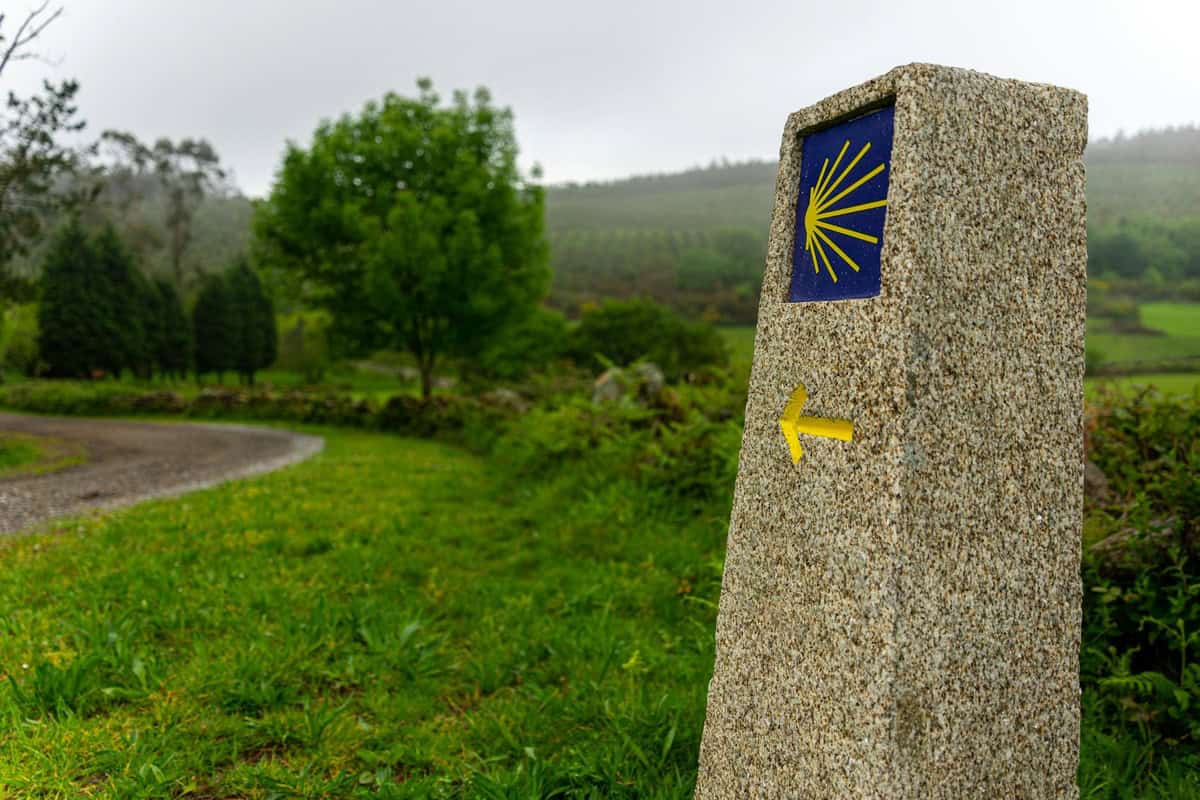
I walked my first Camino in April, when the Galician hills were electric green and the mornings smelled like wet earth and espresso. By 7:30 a.m., I was already on the trail, fleece half-zipped, watching mist lift off vineyards outside Logroño.
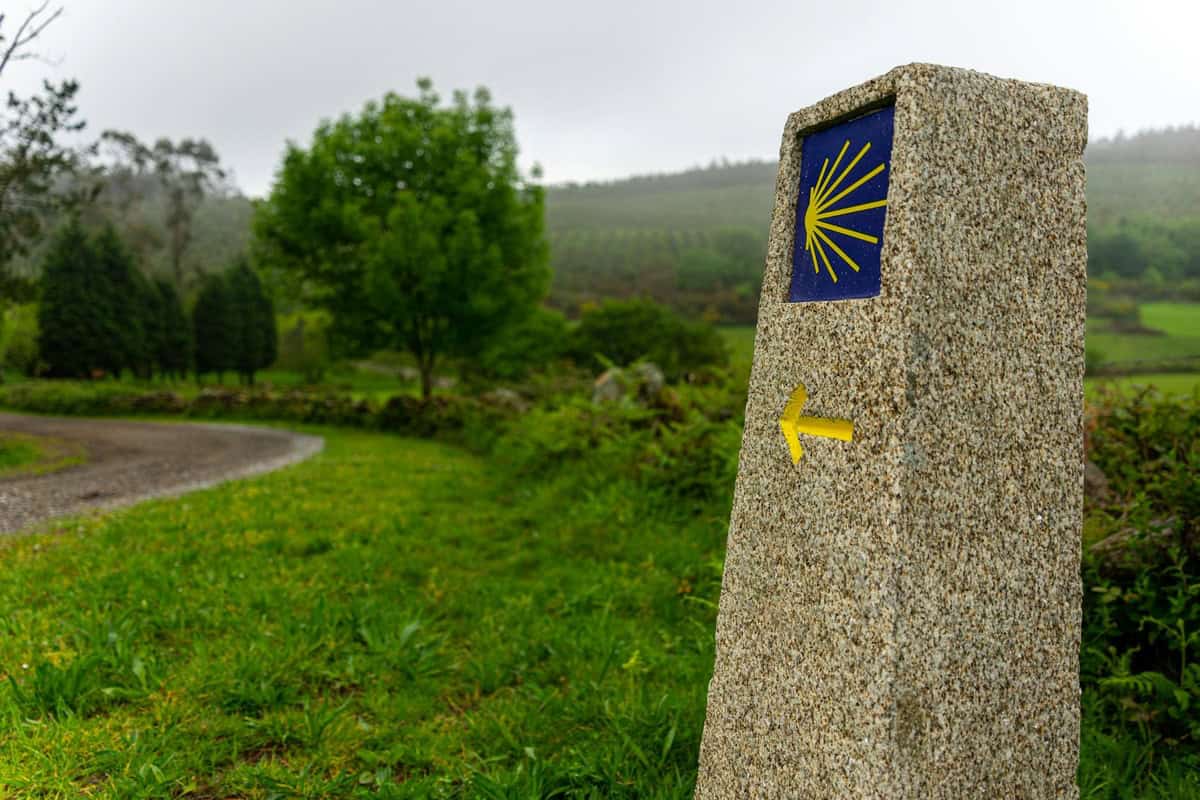
Spring 2026 might just be the sweet spot for hiking the Camino de Santiago: fewer crowds than summer, cooler temperatures for long walking days, and wildflowers lining the trail. But you need to pick the right route, budget realistically, and pack smarter than you think.
Key Takeaways
- Expect to spend €30–€50 per day in spring 2026 if staying in albergues and eating menú del día.
- The Camino Francés (780 km) takes 30–35 days; shorter routes like the last 100 km from Sarria take 5–7 days.
- April–May temperatures range from 8°C–20°C (46°F–68°F), with regular rain in Galicia.
- Pack light: aim for a 6–8 kg backpack including water.
- Book private rooms ahead for May 2026—shoulder season is getting busier.
Step 1: Choose the Right Camino Route for Spring 2026
There isn’t just one Camino. There are dozens. But for spring hiking in 2026, a few stand out.
Camino Francés (The Classic)
Distance: 780 km from Saint-Jean-Pied-de-Port
Time: 30–35 days
Best for: First-timers
This is the most social and well-supported route. In April and May, it’s lively but not overwhelming. You’ll meet pilgrims from Korea, Germany, the U.S., and Brazil within the first week.
Spring bonus: crossing the Pyrenees in April is dramatic and lush. Just check weather conditions — snow is rare but possible early in the season.
Camino Portugués (Coastal or Central)
Distance: 240–280 km from Porto
Time: 10–14 days
Best for: Shorter trips with ocean views
The coastal route from Porto is stunning in spring. Think Atlantic breezes, wooden boardwalks, and far fewer crowds than the Francés.
Flights into Porto are often cheaper than Madrid, and you can pair it with a city break. (If you’re combining multiple European stops, here’s how I use AI to plan a 10-day Europe trip in under an hour.)
Camino del Norte
Distance: 825 km
Time: 32–35 days
Best for: Experienced hikers who love coastal cliffs
More physically demanding but wildly scenic. Spring is ideal because summer heat can make those constant ascents brutal.
Be prepared for more rain than the Francés — especially in April.
Just the Last 100 km (Sarria to Santiago)
Distance: 115 km
Time: 5–7 days
If you want the Compostela certificate but only have a week, start in Sarria. It’s the busiest section — yes, a bit touristy — but still beautiful.
Pro tip: Start in late April rather than May if you can. Spanish public holidays in May 2026 (especially around early May) will increase domestic pilgrim traffic.
Step 2: Budget for the Camino in 2026
Prices have crept up slightly post-2024, but the Camino is still one of Europe’s best-value long-distance hikes.
Accommodation (per night)
- Municipal albergue: €10–€15
- Private albergue: €15–€25
- Private room in pension/guesthouse: €35–€70
In spring 2026, you usually don’t need to book municipal albergues in advance — except for the final 100 km in May.
Food (per day)
- Breakfast (coffee + tostada): €3–€5
- Menú del día (3-course pilgrim meal + wine): €12–€18
- Groceries for picnic lunch: €5–€8
Daily food total: around €15–€25 depending on how indulgent you are. Galicia is seafood heaven — don’t skip pulpo in Melide.
Total Daily Budget
Budget pilgrim: €30/day
Mid-range pilgrim: €45–€60/day
For a full 30-day Camino Francés, expect €900–€1,500 total excluding flights.
Step 3: What to Pack for the Camino in Spring
Every year I see people mailing half their backpack home from Burgos.
In spring, layers are everything. Mornings are cold, afternoons warm, and rain is common — especially in Galicia.
The 2026 Spring Packing List
- Lightweight waterproof jacket (not just water-resistant)
- Compact umbrella (surprisingly useful in steady Galician rain)
- 2 quick-dry shirts
- 1 fleece or lightweight insulated layer
- 2 pairs hiking socks (rotate daily)
- Trail runners or lightweight hiking shoes (boots are overkill for most)
- Sleeping bag liner (most albergues provide blankets)
- Blister kit (Compeed + needle + tape)
- Power bank (10,000–20,000 mAh)
Keep your base weight under 6–8 kg. If your bag feels heavy on day one, it will feel unbearable by day ten.
Tech Tip (Because This Is Distratech)
Download offline Google Maps for each region and the Wise Pilgrim or Buen Camino app. Signal can be spotty in rural Galicia.
I also keep a small power bank clipped inside my pack — cafés aren’t always open when you need them.
Step 4: What Spring Weather Is Really Like
April in northern Spain is unpredictable. You might get 20°C sunshine one day and sideways rain the next.
Typical spring temperatures:
- Navarra/La Rioja: 10–20°C (50–68°F)
- Castilla y León: 5–18°C (41–64°F), chilly mornings
- Galicia: 8–17°C (46–63°F), frequent showers
But here’s the trade-off: fewer heat-related injuries, greener landscapes, and easier access to albergues.
Common Mistakes First-Time Pilgrims Make
- Overpacking. You don’t need three outfits for evenings.
- Walking too far too fast. Keep early days under 20 km.
- Ignoring foot care. Stop immediately when you feel a hot spot.
- Booking everything in advance. It removes flexibility (except peak May weekends).
The Camino isn’t a race. The magic happens in slow village mornings and long communal dinners.
Is Spring 2026 a Good Year to Go?
Yes — especially before the summer surge. Pilgrim numbers continue to rise year after year, and 2026 is trending busy for May.
April remains the sweet spot: quieter trails, mild weather, and blooming countryside. If you want the social energy without July crowds, late April to mid-May is ideal.
And if you’re already in Europe for a broader trip — maybe pairing Spain with Italy — consider something like this 5-day Northern Italy train itinerary before or after your hike. The Camino pairs surprisingly well with a city-and-lakes reset.
Final Thoughts: Should You Walk the Camino?
If you’re craving clarity, simplicity, and a physical challenge that doesn’t require technical skills, the Camino is hard to beat.
Spring 2026 offers that rare combination: manageable crowds, reasonable prices, and landscapes at their best. Pack light, start slow, and say yes to communal dinners.
And when you reach Santiago’s cathedral square — backpack dusty, feet sore — you’ll understand why people keep coming back.
If you want to rest well before or after your hike, browse hotels in Santiago de Compostela and book early for spring availability.
Frequently Asked Questions
How much does it cost to walk the Camino de Santiago in 2026?
Budget €30–€50 per day in spring 2026 if staying in albergues and eating menú del día. A full 30-day Camino Francés typically costs €900–€1,500 excluding flights.
Is April or May better for hiking the Camino?
April is quieter and slightly cooler, while May has longer daylight and more social energy. Both are great, but early May can be busier due to Spanish holidays.
Do I need to book accommodation in advance in spring?
Usually no for April, especially outside the final 100 km. For May 2026 and the Sarria-to-Santiago section, booking 1–3 days ahead is wise.
What is the best Camino route for beginners?
The Camino Francés is the most beginner-friendly thanks to strong infrastructure, frequent towns, and a social atmosphere.

About the Author: Tomáš Bzirský
Founder and editor of Distratech. Based in the Czech Republic, travelling regularly from Central Europe. Writes practical travel guides and travel-tech comparisons (eSIM, apps, airports) in six languages.