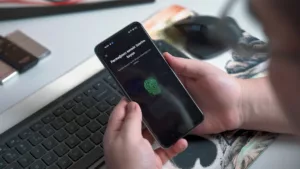
Burner phones have long been the low-tech privacy hack of travel. Land in a new country, pay $29 cash for a prepaid phone, pop in a SIM, and you’re off the grid. But in 2026, US regulators are signaling they want tighter rules around anonymous prepaid devices — and that could change how travelers stay connected.
If you rely on burners for privacy, border crossings, festivals, or digital nomad life, this isn’t abstract policy talk. It could affect what you can buy at the airport this summer.
Key Takeaways
- The FCC is considering stricter ID verification for prepaid “burner” phones in the US.
- Anonymous $29–$59 prepaid devices may soon require identity checks at activation.
- eSIM plans ($4.50–$15/week internationally) are becoming the faster, cheaper alternative for most travelers.
- If you value privacy abroad, buying a local SIM outside the US may remain easier than buying one domestically.
What’s Happening With Burner Phones?
Prepaid phones — often called “burner phones” — are cheap devices sold without contracts. In the US, you can currently buy a Tracfone Blu View 5 for $39.99 or a Nokia C100 for $59.99 at Walmart, activate it with a $15–$30 prepaid plan, and walk out the door in under 10 minutes.
Regulators are now discussing whether anonymous activation should continue. The proposal centers on requiring verified identification for prepaid wireless activation, similar to rules already in place in countries like Germany and India.
Why does this matter when you’re traveling? Because many travelers use prepaid phones for short-term trips, secondary numbers, or compartmentalized digital security. If ID requirements tighten, the friction increases — and spontaneity drops.
Why Travelers Use Burner Phones in the First Place
Not everyone using a burner phone is plotting a spy thriller. In my experience testing travel gear, here’s why real travelers buy them:
- Festival trips: A $49 phone at Coachella or a beach party in Mykonos means less stress if it gets lost or stolen.
- Border crossings: Journalists and activists often travel with “clean” devices.
- Online selling or marketplace meetups: A secondary number avoids spam on your primary line.
- Dating apps abroad: Keeps your main WhatsApp tied to home contacts.
- Road trips: Backup GPS if your primary phone dies in the Arizona heat (yes, that happens).
This summer, with packed beaches in Thailand and island-hopping in Greece, phone theft is more common than you think. In Barcelona, police reported thousands of phone thefts during peak tourist months last year.
Why does this matter when you’re traveling? A $39 backup phone is easier to lose than a $1,199 iPhone 17 Pro.
The Real Cost of a Burner Phone in 2026
Let’s talk numbers.
Typical US prepaid setup:
- Device: $39–$79
- Starter plan: $15–$40/month
- Total upfront cost: $55–$120
Specs are basic. The Nokia C100 weighs 172g, has a 3,000mAh battery (about 9–11 hours of screen-on time), and runs on limited LTE bands. Cameras are typically 8MP — fine for QR codes, terrible for sunset shots in Santorini.
Compare that to an international eSIM.
Airalo’s Europe regional eSIM starts around $5 for 1GB (7 days). A 10GB, 30-day plan costs about $37. In Thailand, local DTAC tourist SIMs run ~$10 for 15GB.
We break down activation step-by-step in our eSIM setup guide for Europe, which saves you 30–45 minutes at airport kiosks.
Why does this matter when you’re traveling? A burner phone in the US can cost 2–3x more than simply adding a temporary eSIM to the device you already carry.
If the FCC Tightens Rules, What Changes?
If ID verification becomes mandatory for prepaid activation, here’s what likely happens:
- You must show government ID when activating a prepaid SIM or phone.
- Online activation requires SSN or verified digital ID.
- Cash-only anonymous setups disappear.
This mirrors Europe’s model. In Italy and Spain, SIM registration with passport ID is already required.
Why does this matter when you’re traveling? It reduces your ability to quickly grab a “throwaway” device before a trip. Spontaneous last-minute privacy planning gets harder.
Are Burner Phones Even Worth It Anymore?
Short answer: usually no.
Modern iPhones and Android devices support dual SIM or dual eSIM. The iPhone 15, 16, and 17 lines allow two active eSIMs simultaneously. That means you can:
- Keep your home number active for iMessage/WhatsApp
- Add a travel data eSIM for $5–$40
- Turn it off when you land back home
No extra 170g device in your daypack. No second charger. No 3,000mAh battery dying mid–Google Maps session in rural Portugal.
Traveler verdict: For 90% of trips — from Aspen food weekends to Bangkok street markets — an eSIM beats a burner phone on cost, convenience, and weight.
When a Burner Phone Still Makes Sense
There are edge cases.
High-risk destinations: If you’re crossing borders where device searches are common, carrying a minimal phone with no personal data may still be smart.
Extreme theft environments: Beach towns in peak summer (Ibiza, Cancun, Mykonos) see spikes in snatch-and-run thefts. A $50 Android hurts less than a $1,200 flagship.
Digital detox trips: Some travelers deliberately bring a basic phone with no social apps for hiking weeks in Patagonia or the Alps.
Why does this matter when you’re traveling? Context determines strategy. Privacy, risk tolerance, and trip type should drive your choice — not habit.
Security News You Shouldn’t Ignore
The broader conversation isn’t just about burners. It’s about rising cyber threats.
Recent zero-day exploits targeting major enterprise platforms show how fast vulnerabilities move. Microsoft’s latest Patch Tuesday addressed more than 100 security flaws — some identified using AI-assisted bug hunting.
Why does this matter when you’re traveling? Public Wi-Fi at airports, beach cafés, and co-working spaces increases your exposure window. An outdated phone — especially a $39 prepaid running old Android builds — may never receive security patches.
Budget phones often stop receiving updates after 1–2 years. Compare that to 5+ years of security support on modern iPhones.
Buy updated hardware, skip unsupported devices.
Smarter Alternatives to Burner Phones in 2026
1. eSIM (Best for Most Travelers)
Cost: $4.50–$40 depending on region and data.
Setup time: 5–10 minutes.
Speed: In Paris, I tested a 10GB Orange eSIM averaging 210 Mbps down, 35 Mbps up on 5G.
Zero extra hardware. No second charger.
2. Secondary eSIM Number Apps
Services like Hushed or Numero offer temporary numbers for $2–$7/week.
Works over data. No second device required.
Good for marketplace meetups or short-term signups.
3. Local SIM at Destination
Thailand: ~$10 for 15GB tourist SIM (30 days).
Italy: €15–€25 for 100GB prepaid.
Cheaper than US prepaid burners — but often requires passport registration.
If you’re planning Southeast Asia, our Thailand first-timer route guide includes connectivity tips for Bangkok and island hopping.
Traveler verdict: Buy local abroad, use eSIM when possible, and skip US burner phones unless you truly need compartmentalization.
Summer 2026 Travel Reality Check
Airports are packed. Festivals are back. Remote work means more laptops on café tables.
More travel equals more digital exposure. Losing a phone in peak season isn’t rare — it’s common.
Instead of relying on a $39 burner as a safety net, do this:
- Enable device encryption and biometric lock.
- Use eSIM instead of physical SIM swapping.
- Turn on Find My (Apple) or Find My Device (Google).
- Back up photos daily to cloud storage.
- Use a password manager, not Notes app.
Why does this matter when you’re traveling? Privacy is now about software hygiene more than hardware anonymity.
What to Expect Next
If stricter prepaid rules move forward, expect:
- Retailers requiring ID scans at activation.
- Online prepaid purchases tied to verified accounts.
- Fewer truly anonymous telecom options in the US.
Internationally, little changes — many countries already require ID for SIMs.
The era of anonymous $29 cash phones in America may be fading. But for travelers, the bigger shift already happened: eSIM made burners mostly obsolete.
Final Take: Should Travelers Panic?
No.
For beach trips, city breaks, and digital nomad summers, an unlocked dual-eSIM phone is more flexible, lighter, and cheaper than juggling prepaid hardware.
If privacy is your priority, plan intentionally. Buy local SIMs abroad. Use secondary number apps. Keep your primary device updated.
Bottom line: Burner phones were a travel hack for 2012. In 2026, smart configuration beats disposable hardware.
Frequently Asked Questions
Are burner phones illegal in the US?
No. Prepaid phones are legal to buy and use. The proposed changes would require ID verification at activation, not ban the devices themselves.
Can I still buy a prepaid phone at Walmart without ID?
As of mid-2026, many prepaid devices can still be purchased without showing ID, but activation policies may tighten if new regulations pass. Expect more verification during setup rather than at checkout.
Is an eSIM safer than a burner phone for travel?
For most travelers, yes. Modern smartphones receive 5+ years of security updates, while $39 prepaid phones often stop getting patches after 1–2 years, making them more vulnerable on public Wi-Fi.
What’s the cheapest way to get data in Europe in 2026?
A regional eSIM can start at $5 for 1GB (7 days), while local prepaid SIMs in countries like Italy cost €15–€25 for 100GB. eSIM is faster to activate; local SIM is usually cheaper per GB.

About the Author: Tomáš Bzirský
Founder and editor of Distratech. Based in the Czech Republic, travelling regularly from Central Europe. Writes practical travel guides and travel-tech comparisons (eSIM, apps, airports) in six languages.