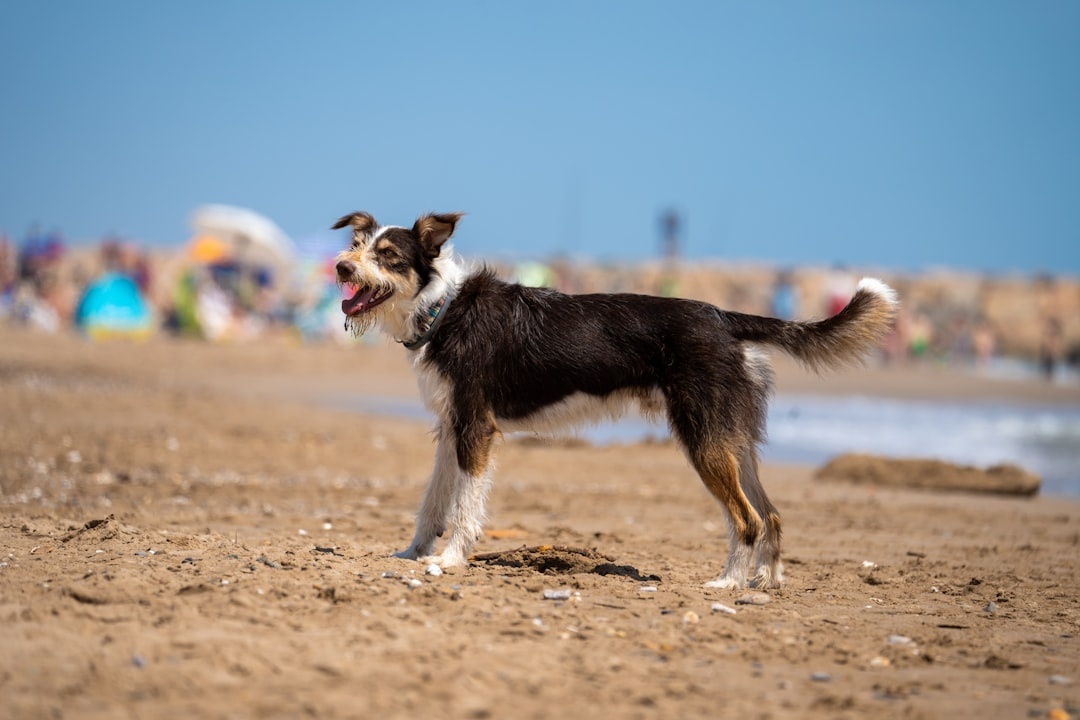
Spain is brilliant with dogs until you hit the sand in August and discover the “no perros” sign. The trick in 2026 is not hoping for leniency — it is choosing officially designated dog beaches, going early, and avoiding the southern coast when the pavement is hot enough to fry paws.
Key Takeaways
- Best all-round dog beach: Playa de la Rubina, Costa Brava, open year-round and about 1h50 by car from Barcelona.
- Best city option: Barcelona’s Llevant dog beach, usually staffed 10:30–19:30 in summer, with metro access from €2.65.
- In August 2026, skip midday Andalusia; Fuengirola and Torre del Mar can hit 35–40°C, so swim before 10:00 or after 19:00.
- Expect fines of roughly €90–€1,500 for taking dogs onto non-authorized beaches during summer season.
- September is the smarter Mediterranean “summer”: warm sea, cheaper hotels, fewer beach restrictions, and safer temperatures for dogs.
Quick Verdict: Spain’s Best Dog Beaches for Summer 2026
If you only remember one rule, make it this: skip famous urban beaches and pick official canine zones. Barceloneta, La Malvarrosa, Postiguet, and most Málaga city beaches are bad bets in peak summer.
For August 2026, northern Spain and the Costa Brava are more comfortable than the south. Southern Spain is spectacular, but 40°C heat spikes are now common, especially in inland approaches and car parks.
| Beach | Best For | Summer Access | Typical Cost to Reach | Skip / Do Instead |
|---|---|---|---|---|
| Playa de Llevant, Barcelona | City break with a dog | Dog zone, usually 10:30–19:30 | Metro €2.65 vs taxi €18–€25 | Skip Barceloneta; do Llevant |
| Playa de la Rubina, Girona | Best natural beach | Year-round dog access | Car from Barcelona: €28–€40 fuel/tolls | Skip crowded Roses; do Rubina |
| Playa Canina de Pinedo, Valencia | Easy city escape | Summer dog beach, posted hours usually 09:30–19:30 | EMT bus €1.50 vs taxi €16–€22 | Skip Malvarrosa; do Pinedo |
| Agua Amarga, Alicante | Airport-friendly beach stop | Year-round dog access | Taxi from airport €12–€18 | Skip Postiguet; do Agua Amarga |
| Playa del Castillo, Fuengirola | Costa del Sol swim | Year-round dog area | Cercanías from Málaga €3.60 vs taxi €55+ | Skip Marbella in August; do Fuengirola early |
1. Playa de Llevant, Barcelona: Best Dog Beach for a City Trip
Barcelona’s dog-friendly answer to summer beach bans is Playa de Llevant, at the northern end of the city’s waterfront. It is not the prettiest beach in Spain, but it is practical, controlled, and far better than gambling with fines at Barceloneta.
The fenced canine bathing area normally operates during the official bathing season, with posted summer hours around 10:30–19:30. In 2026, check the city noticeboard at barcelona.cat before you go because access dates can shift with staffing and water-quality checks.
Getting there is easy: take Metro L4 to Selva de Mar, then walk 12–15 minutes. A single TMB ticket is €2.65, while a taxi from Plaça de Catalunya takes 20–25 minutes and costs about €18–€25.
Food-wise, skip the overpriced seafront tourist traps near Barceloneta. Walk inland to Can Pizza Poblenou, where terrace pizzas run about €12–€16, or grab coffee at Nomad Coffee Lab Poblenou for around €3.20.
For hotels, Motel One Barcelona-Ciutadella is a reliable pet-friendly pick from about €135–€220/night in late August, with pet fees typically around €15/night. Book direct at motel-one.com or compare rates on Booking.com.
2. Playa de la Rubina, Costa Brava: Spain’s Best Natural Dog Beach
If I had one beach day with a dog in Spain, I would choose Playa de la Rubina near Empuriabrava. It has proper sand, a more natural setting, and year-round dog access that makes it less stressful than many seasonal municipal zones.
Rubina sits beside the Aiguamolls de l’Empordà wetlands, about 150 km from Barcelona. Driving takes around 1h50; fuel and tolls usually land between €28 and €40 each way, depending on route and vehicle.
Public transport is possible but clunky. Train from Barcelona-Sants to Figueres starts around €12–€18 on regional services and takes roughly 1h50, then a taxi to the beach costs about €35–€45 for 30–35 minutes.
Parking near the beach is often free or low-cost, but spaces vanish fast in August. Arrive before 09:30 or go after 18:30; the difference is a calm swim versus circling like a lost delivery van.
Stay at Camping Castell Mar if your dog is happier outdoors: summer pitches often run €45–€80/night, with pet supplements around €5–€8/night. Book via camping-castellmar.com.
For lunch, skip the marina restaurants in Empuriabrava unless you want inflated paella. Drive 15 minutes to Castelló d’Empúries and try Restaurant El Portal de la Gallarda, where weekday menus often sit around €18–€24 and terrace seating is easier with dogs.
If you like coastal trips without relying on a car, you may also enjoy our guide to planning a cinematic coastal weekend by train in Sicily; Spain’s Costa Brava is gorgeous, but not as rail-simple.
3. Playa Canina de Pinedo, Valencia: Best for a Quick Urban Escape
Valencia’s official dog beach at Pinedo is the city’s most useful summer option. It sits south of the port, away from La Malvarrosa’s crowds and rule enforcement.
The dog zone is usually active in summer with posted hours around 09:30–19:30, commonly from mid-June through late August. In 2026, confirm dates through valencia.es, because Valencia adjusts beach services by season.
From central Valencia, EMT buses toward Pinedo cost €1.50 and take 35–45 minutes depending on traffic. A taxi from Ruzafa or the old town takes about 18–25 minutes and costs €16–€22.
The beach is convenient, but not glamorous. Skip La Malvarrosa with your dog in summer — fines are not worth the Instagram backdrop — and use Pinedo for swimming, then return to town for food.
For eating, book a terrace at La Más Bonita Patacona for brunch plates around €11–€15, but call ahead about dog seating. For something more Valencian, Casa Carmela is excellent for paella from about €18–€26/person, though dogs are generally a terrace-only conversation and reservations are essential at casa-carmela.com.
Pet-friendly hotel pick: NH Ciudad de Valencia, often €95–€160/night in late summer, with pet fees typically around €25/stay. It is not beachfront, but it is practical for beach buses and cooler evening walks.
4. Playa de L’Ahuir, Gandia: Best Wide-Sand Option Near Valencia
Playa de L’Ahuir in Gandia is what Pinedo wishes it had more of: space. The dog-friendly section sits along a wilder dune-backed stretch north of Gandia’s main beach zone.
Driving from Valencia takes about 55–65 minutes for 70 km. By train, Cercanías C1 from Valencia Nord to Gandia takes around 1h05 and costs approximately €6.40, then a taxi to L’Ahuir adds €10–€14.
Compared with Valencia city beaches, L’Ahuir feels less hectic and has better airflow on hot days. The trade-off is fewer services, so bring water, shade, and a long leash.
Parking is usually free around the access roads, but in August you want to arrive before 10:00. After that, you may walk 15–20 minutes over hot ground, which is miserable for dogs.
Stay at Senator Gandia Spa Hotel if you want a pool and modern rooms; summer rates commonly run €120–€210/night, with pet policies visible during booking at senatorhotels.com. For dinner, skip generic promenade menus and book Chef Amadeo, where rice dishes and fideuà are usually €18–€28/person.
5. Agua Amarga, Alicante: Best Dog Beach Near an Airport
Playa de Agua Amarga is not Spain’s most romantic beach, but it is ridiculously useful. It sits between Alicante city and the airport, making it ideal for a first or last swim before a flight.
From Alicante-Elche Airport, the drive is about 7 km and takes 10–12 minutes. A taxi usually costs €12–€18, while driving from Alicante city takes about 12 minutes and parking is generally free.
Unlike Postiguet, which is central but mostly off-limits to dogs in summer, Agua Amarga is designed for them. Expect dog showers, bins, and summer beach-bar service depending on the season.
Bus access is cheaper but slower: local routes can cost around €1.45–€1.60, but journey times vary from 25 to 40 minutes. If you are carrying towels, a dog bowl, and luggage, the taxi wins.
For a practical overnight, B&B Hotel Alicante is close, unfussy, and often €70–€130/night, with pet fees commonly around €12.50/night. Book through hotel-bb.com.
Food tip: skip eating directly beside the beach if the kiosk is slammed. Drive 10 minutes into Alicante and aim for La Taberna del Gourmet for polished tapas, with plates around €8–€18; ask for terrace seating if your dog is with you.
6. Playa del Castillo, Fuengirola: Best Costa del Sol Dog Swim
For the Costa del Sol, Playa del Castillo beside Sohail Castle is the strongest dog-beach choice. It is much easier than trying your luck around Marbella, where summer enforcement and parking headaches can ruin the day.
From Málaga, take the Cercanías C1 to Fuengirola for about €3.60; the ride takes 46 minutes, then it is a 20–25 minute walk or a €7–€9 taxi to the dog beach. A taxi from Málaga city costs more like €55–€70.
The August problem is heat. In 2026, expect regular afternoon highs of 34–38°C, with pavement and dark sand feeling much hotter.
Go before 09:30 or after 19:00. Midday beach time with a dog on the Costa del Sol is not brave; it is bad planning.
Nearby Miramar Shopping Centre is useful for parking and supplies, but do not leave your dog in the car for even five minutes. For food, choose a shaded terrace near the river side rather than the busiest promenade grills; mains generally run €14–€22.
7. Torre del Mar Dog Beach, Málaga Province: Best Facilities in Andalusia
Playa Canina de Torre del Mar is one of Andalusia’s better-equipped dog beaches, with space, showers, and a more deliberate canine setup than many small coves. It is less glamorous than Nerja, but more useful with a dog.
From Málaga’s bus station, buses toward Torre del Mar usually cost around €3.20–€5 and take 45–60 minutes. A taxi is faster at around 35–40 minutes, but costs roughly €45–€60.
The beach is pebbly-sandy in parts, so bring water shoes if you are sensitive. Compared with Fuengirola, Torre del Mar feels more local and often less frantic, but it is less convenient if you are staying west of Málaga.
Stay at Hotel Mainake Costa del Sol, where summer rates often fall around €85–€150/night; confirm pet acceptance before booking, as policies can vary by room type. For rentals, filter “pets allowed” on Booking.com and expect pet-cleaning fees of €20–€50/stay.
Food opinion: skip the first-line places with laminated tourist menus. Walk inland to Safari Lounge or a shaded local bar, where tapas and mains are usually €4–€16 and terrace dog acceptance is more relaxed.
8. Es Carnatge, Palma de Mallorca: Best Island Option if Your Dog Likes Rocks
Es Carnatge, between Palma and Can Pastilla, is Mallorca’s most practical dog-swimming area. It is rocky rather than sandy, so this is better for confident dogs and owners with water shoes.
From central Palma, a taxi takes 10–15 minutes and costs around €12–€18. EMT buses are cheaper at about €2, but can take 25–35 minutes depending on route and summer traffic.
The big advantage is access: you are close to the airport, Palma hotels, and evening food. The downside is comfort — there is little natural shade, and the rocky entry is not ideal for elderly dogs.
For hotels, INNSiDE by Meliá Palma Bosque often lists pet-friendly rooms from about €160–€280/night in late summer, with pet supplements commonly around €30/night. Check current rules at melia.com.
Skip trying to make Es Trenc work with a dog in August. Do Es Carnatge for the swim, then head back to Palma for dinner at a terrace in Santa Catalina, where small plates run €7–€16.
Rules, Apps, and Gear: How to Avoid Fines and Heat Problems
Spain’s beach rules are municipal, not national. That means one town may welcome dogs while the next town fines you for the same behavior.
In summer, fines for dogs on non-authorized beaches commonly start around €90–€300 and can climb above €1,000 in strict municipalities. Official dog beaches are not a cute extra; they are the safe legal route.
- Check the municipality website before you go: search “playa canina + town name + 2026.”
- Use AEMET at aemet.es for heat warnings; red or orange alerts mean skip beach afternoons.
- Book pet-friendly trains on Renfe at renfe.com; small pets usually require a carrier and large-dog availability is train-specific.
- Carry proof: microchip, rabies vaccination, EU pet passport or health certificate, and liability documents for restricted breeds.
- Pack paw-safe gear: collapsible bowl €6–€12, cooling mat €15–€30, dog life jacket €25–€45, and shade tent €25–€60.
For transport, compare before committing. Renfe pet add-ons can be around €10 for small pets on many long-distance fares, while selected large-dog services may cost around €35; a rental car in August can be €45–€90/day before fuel and parking.
If you are planning more water-based travel with pets or kids, our family coastal kayaking guide to Maine’s Casco Bay has a useful packing mindset: shade, hydration, and exit points matter more than perfect scenery.
When to Go in 2026: August Is Busy, September Is Better
August is peak Spain: expensive hotels, hot sand, full car parks, and stricter beach policing. It is also when many locals are on holiday, so even obscure beaches can feel discovered.
For dogs, September is the real Mediterranean summer. Sea temperatures stay warm, hotel rates often drop 15–30% after the first week, and some municipalities loosen seasonal dog restrictions outside staffed bathing periods.
Barcelona and Valencia are still warm in September, usually around 25–29°C daytime instead of August’s stickier highs. Andalusia remains hot, but evenings become more realistic for dog walks.
If you are traveling in mid-August 2026, the Perseids meteor shower peaks around 12–13 August. Darker coastal areas near the Costa Brava or Delta de l’Ebre are better than city beaches, but keep dogs leashed at night and avoid protected dunes.
My booking rule: for August, reserve pet-friendly accommodation at least 3–4 weeks ahead. For September, you can often find last-minute rooms under €120/night outside Barcelona, Palma, and prime Costa Brava towns.
Final Take: Pick the Legal Beach, Then Build the Trip Around Shade
The best dog-friendly beaches in Spain are not always the postcard beaches. They are the ones where your dog can legally swim, you can park or arrive by train without stress, and nobody is overheating by noon.
For a first trip, choose Playa de la Rubina if you have a car, Llevant if you want Barcelona, or Agua Amarga if Alicante is your airport. If your dates are flexible, book September instead of late August — your dog will enjoy Spain more, and so will you.
Before you go, check the town hall website, screenshot the dog-beach rules, and book a pet-friendly room directly when possible. Then send us your best beach find — Distratech readers are always looking for the next legal swim spot.
Frequently Asked Questions
Are dogs allowed on beaches in Spain in summer?
Only on officially designated dog beaches or specific dog zones. Taking a dog onto a normal beach in July or August can cost roughly €90–€1,500 in fines, depending on the municipality.
What is the best dog-friendly beach in Spain?
Playa de la Rubina on the Costa Brava is the best overall choice because it has sand, year-round dog access, and a natural setting. It is about 150 km from Barcelona, roughly 1h50 by car.
Can I take a large dog on trains in Spain?
Renfe allows small pets on many trains, usually with a carrier and a pet ticket around €10. Large dogs up to about 40 kg are accepted only on selected services, often with a specific add-on around €35, so book through renfe.com before planning a beach trip.
Is August too hot for dog beaches in southern Spain?
Often, yes during the middle of the day. In Málaga, Alicante, and parts of Andalusia, August 2026 afternoons can reach 35–40°C, so plan swims before 10:00 or after 19:00.

About the Author: Tomáš Bzirský
Founder and editor of Distratech. Based in the Czech Republic, travelling regularly from Central Europe. Writes practical travel guides and travel-tech comparisons (eSIM, apps, airports) in six languages.