Last June, I watched the sun hover above the horizon at midnight in northern Norway — not setting, not rising, just glowing. It felt surreal, slightly disorienting, and completely unforgettable.
If you’re planning your June 2026 travels, the summer solstice (June 20–21, 2026) is one of the most magical times to be anywhere in the Northern Hemisphere. It’s not just about longer days — it’s about ancient rituals, flower crowns, bonfires on beaches, and cities that simply refuse to sleep.
Key Takeaways
- Summer Solstice 2026 falls on June 20–21, with peak celebrations on June 21.
- Stockholm, Reykjavik, and the Scottish Highlands offer the most dramatic daylight (18–24 hours).
- Expect higher prices in Scandinavia — budget €180–300 per night for central hotels.
- Book accommodation at least 3–4 months ahead; smaller towns sell out first.
- Arrive 1–2 days early to adjust and secure the best festival spots.
Here are seven of the most unique (and genuinely worth-it) places to experience the longest day of the year in 2026.
1. Stockholm, Sweden – Midsummer Done Right
If you want the classic Instagram version of the solstice — flower crowns, maypoles, lakeside dancing — Sweden delivers.
Midsummer 2026 will be officially celebrated on Friday, June 19, with the solstice on June 20–21. Most locals leave Stockholm for the archipelago or countryside, which is exactly what you should do too.
Skip tourist-heavy Skansen unless you love crowds. Instead, take a 45-minute ferry to Vaxholm in the Stockholm Archipelago (around €10 each way). Expect traditional dances, pickled herring, strawberries, and aquavit flowing all afternoon.
Budget tip: Mid-range hotels in central Stockholm run €200–250 per night in June. Book by February.
2. Reykjavik, Iceland – Midnight Sun and Hot Springs
In Reykjavik, the sun barely dips below the horizon — you’ll get nearly 24 hours of light.
The city hosts the Secret Solstice-style events and smaller local festivals around June 20–21. But the real magic? Driving 45 minutes out to Þingvellir National Park at 11:30 p.m. and watching the landscape glow gold.
Combine it with a late-night soak at Sky Lagoon (entry from €60). Floating in warm geothermal water under a pastel sky at midnight is peak solstice energy.
Reality check: Iceland is expensive. Expect €250–300 per night for decent accommodation in late June.
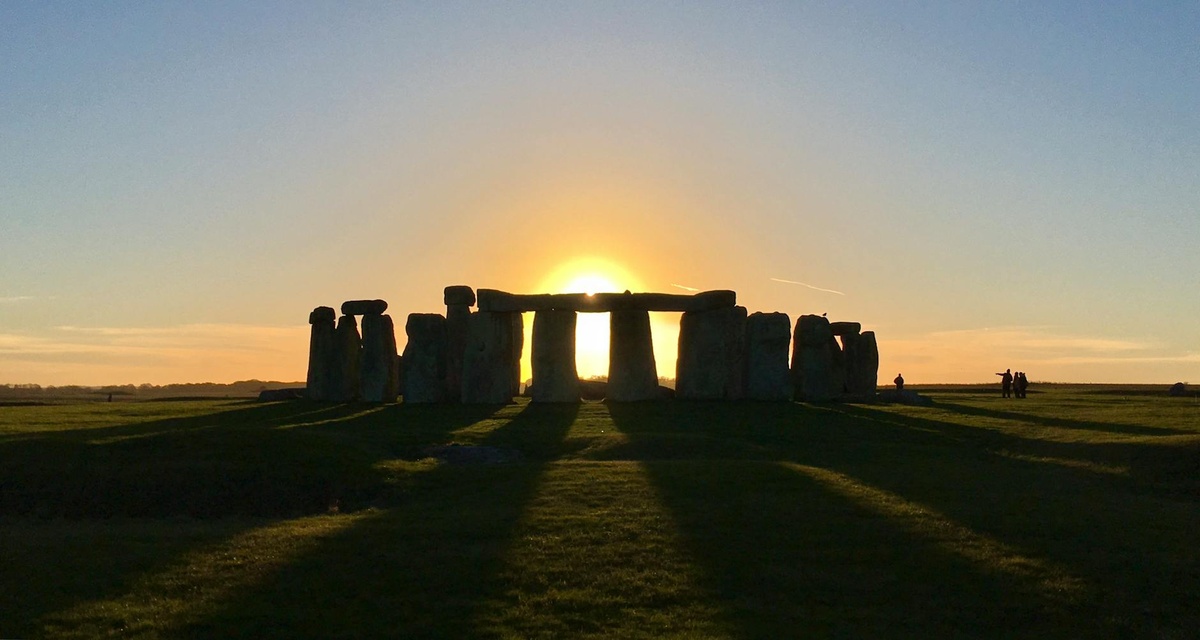
3. Stonehenge, England – Ancient and Electric
Yes, it’s touristy. Yes, it’s crowded. And yes — it’s still worth it at least once.
English Heritage allows open access to the stones for the solstice sunrise (usually starting around 7 p.m. the evening before). Thousands gather overnight, with sunrise around 4:45 a.m.
If you don’t want to stand shoulder-to-shoulder, stay in Salisbury (15 minutes away) and arrive around 3:30 a.m. Bring layers — it gets cold.
Pair this with a longer UK trip or hop over to the coast afterward. If you’re looking for other June inspiration, our guide to where to travel in June 2026 has smart add-ons.
4. Rovaniemi, Finland – Santa’s Hometown Without the Snow
Rovaniemi sits just below the Arctic Circle, meaning the sun doesn’t set at all around the solstice.
While winter gets all the hype, summer here is peaceful, green, and far less crowded. Locals celebrate Juhannus (Midsummer) with lakeside bonfires and cottage weekends.
Rent a lakeside cabin (€120–180 per night split between friends), grill salmon, and take a 1 a.m. canoe ride. It’s oddly calming to paddle in full daylight at midnight.
This is the introvert’s solstice.
5. Cusco, Peru – Inti Raymi, Festival of the Sun
Want something more dramatic? Head to Cusco for Inti Raymi on June 24, 2026.
It’s technically a few days after the solstice but rooted in ancient Inca sun worship traditions. Actors in elaborate costumes reenact ceremonies at Sacsayhuamán fortress, just 10 minutes from central Cusco.
Tickets range from $60 to $150 depending on seating. Book early — it sells out every year.
You’ll be at 3,400 meters (11,150 feet), so arrive at least two days early to acclimatize. Combine it with a Sacred Valley or Machu Picchu trip for a full Andean itinerary.
6. Ålesund, Norway – Solstice with a Coastal Twist
If you want fewer crowds than Oslo or Tromsø, head to Ålesund on Norway’s west coast.
The Art Nouveau town is surrounded by fjords and mountains, and by late June you’ll get around 20 hours of daylight. Locals celebrate Sankthans (St. John’s Eve) on June 23 with massive seaside bonfires.
Climb the 418 steps to Mount Aksla viewpoint around 10 p.m. The golden light over the fjords is unreal — and far less chaotic than bigger cities.
Hotels range €180–220 per night in peak June. Reserve early — cruise ships drive prices up.
7. Barcelona, Spain – Beach Bonfires and All-Night Parties
For pure energy, Barcelona’s Sant Joan festival (June 23) is unbeatable.
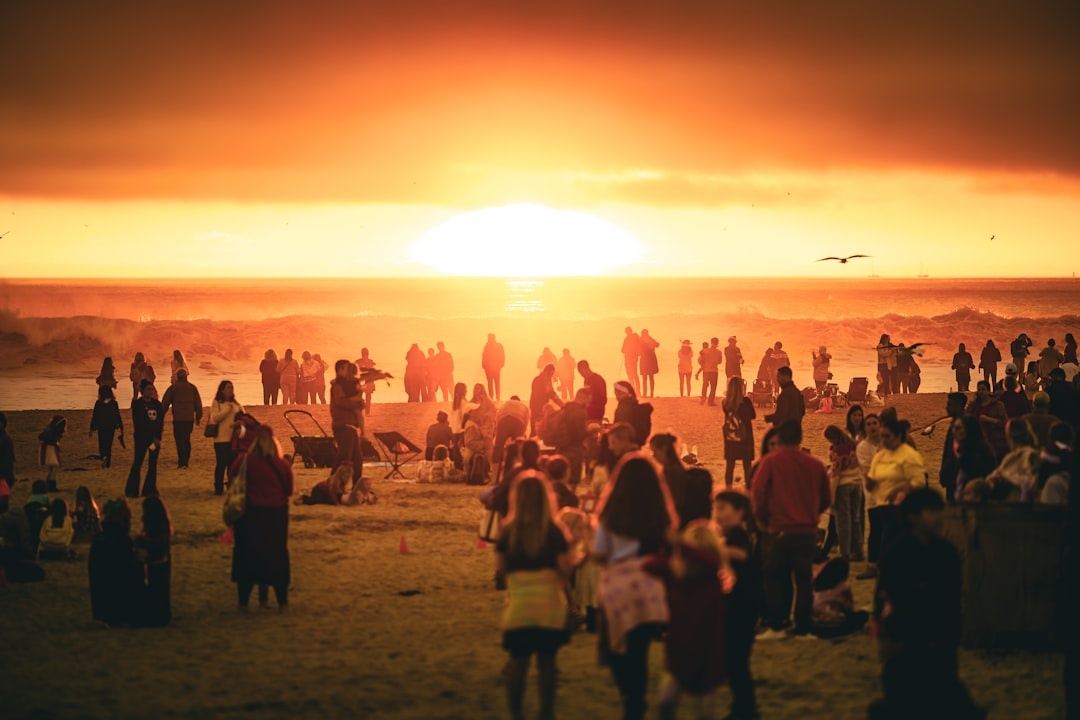
Locals flood the beaches with fireworks, cava, and bonfires. It’s loud, chaotic, and goes until sunrise. If you prefer something slightly calmer, head to Bogatell Beach instead of Barceloneta.
Warm Mediterranean nights, sea breezes, and sunrise swims? Hard to beat.
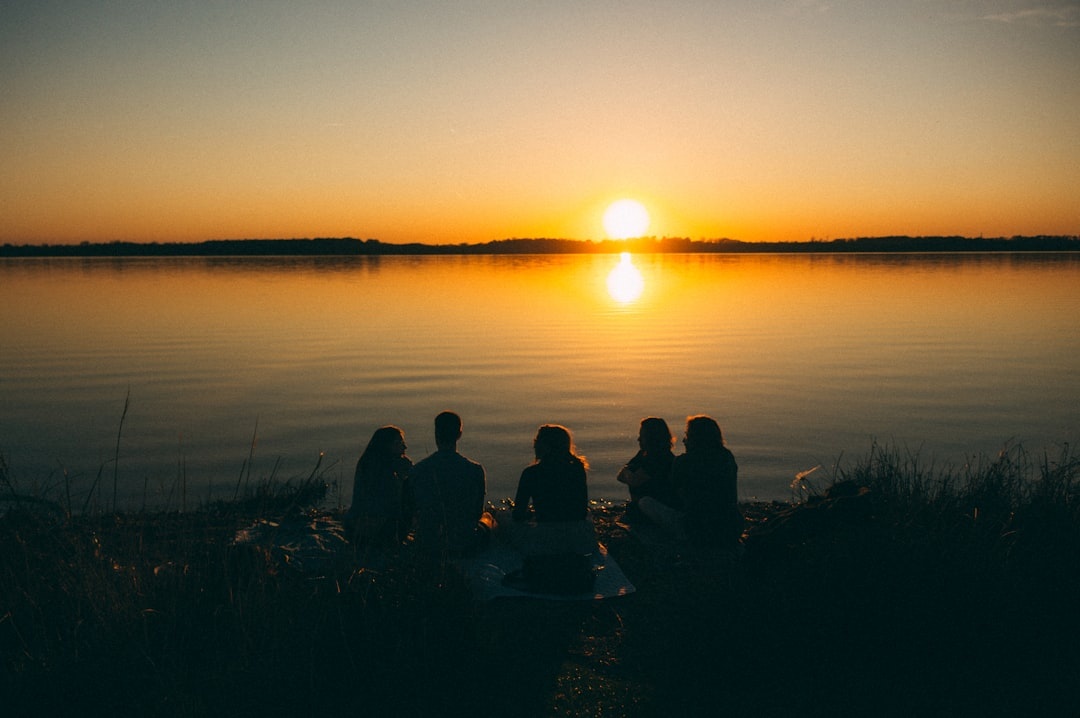
If you’re extending your Spain trip, consider pairing it with one of these underrated Mediterranean beach towns for summer 2026 to escape the post-festival crowds.
How to Plan Your Summer Solstice 2026 Trip
A solstice trip requires slightly more strategy than a random June weekend.
- Book early: Northern Europe accommodations often sell out by March.
- Check sunset times: In Stockholm, sunset is around 10:08 p.m.; in Reykjavik, it barely sets.
- Pack layers: Even if it’s light out, temperatures can drop below 10°C (50°F) at night.
- Expect transport disruptions: Roads close near Stonehenge; beach metro lines in Barcelona run all night but get packed.
- Plan recovery time: After an all-night celebration, schedule a slow day.
If you’re flexible on dates, arriving around June 18 and leaving June 22 gives you buffer room for weather and local schedule variations.
Which Solstice Celebration Is Right for You?
For tradition: Sweden.
For nature and light: Iceland or northern Finland.
For ancient rituals: Stonehenge or Cusco.
For a beach party: Barcelona.
For scenic calm: Coastal Norway.
Personally? If it’s your first time, choose Sweden or Iceland. They balance culture, accessibility, and that surreal “the sun refuses to set” feeling.
Final Thoughts: Make 2026 the Year You Chase the Sun
There’s something grounding about standing still while the Earth tilts at its brightest point.
Summer Solstice 2026 isn’t just another festival date — it’s a natural phenomenon that cultures have celebrated for thousands of years. Whether you’re dancing around a maypole, soaking in geothermal water at midnight, or watching the sunrise behind ancient stones, it’s a travel memory that sticks.
If you’re already mapping out June plans, lock in your destination now. The sun may linger — but the best hotel rooms won’t.
Frequently Asked Questions
When is the Summer Solstice in 2026?
The Summer Solstice in 2026 occurs on June 20–21, depending on your time zone. Most major celebrations take place on June 20 or the closest weekend.
Where can you see the midnight sun in June 2026?
You can experience the midnight sun in places above the Arctic Circle such as northern Norway, Iceland, and Finnish Lapland. In cities like Reykjavik and Rovaniemi, daylight lasts nearly 24 hours.
How expensive is it to travel to Scandinavia for the solstice?
Expect €180–300 per night for mid-range hotels in late June 2026, plus higher food and transport costs. Booking 3–4 months ahead helps secure better rates.
Is Stonehenge worth visiting for the solstice?
Yes, if you’re prepared for crowds. Arrive before 4 a.m. for sunrise and dress warmly — the atmosphere is electric but very busy.

About the Author: Tomáš Bzirský
Founder and editor of Distratech. Based in the Czech Republic, travelling regularly from Central Europe. Writes practical travel guides and travel-tech comparisons (eSIM, apps, airports) in six languages.