


Crete is not a “pick a cute hotel and figure it out later” kind of island. It’s 260 km (160 miles) long, nearly 60 km wide in places, and driving from one end to the other takes about 4–5 hours without stops.
I learned this the hard way on my first trip, booking a dreamy boutique stay in Chania and then realizing the beach I wanted near Vai was a full day’s journey away. Where you stay in Crete will shape your entire trip — from the beaches you swim in to how much you spend on car rentals.
Key Takeaways
- Crete is huge — driving east to west takes 4–5 hours, so choose one base per region.
- Chania is best for first-timers; Heraklion is practical but less charming.
- Rethymno offers balance and better hotel prices (from €70–120 per night in shoulder season).
- For quiet beaches and fewer crowds, head east to Agios Nikolaos or Elounda.
First, Understand Crete’s Geography
Crete has four main hubs: Chania (west), Rethymno (central-west), Heraklion (central), and Agios Nikolaos/Elounda (east).
There are two main airports: Chania (CHQ) and Heraklion (HER). Most international flights land in Heraklion, especially from April to October.
If you’re staying less than 5 days, pick one region. If you have 7–10 days, split your stay into two bases — west + east is ideal.
Stay in Chania (Best for First-Timers)
If it’s your first time in Crete, just stay in Chania. It’s the most beautiful city on the island, hands down.
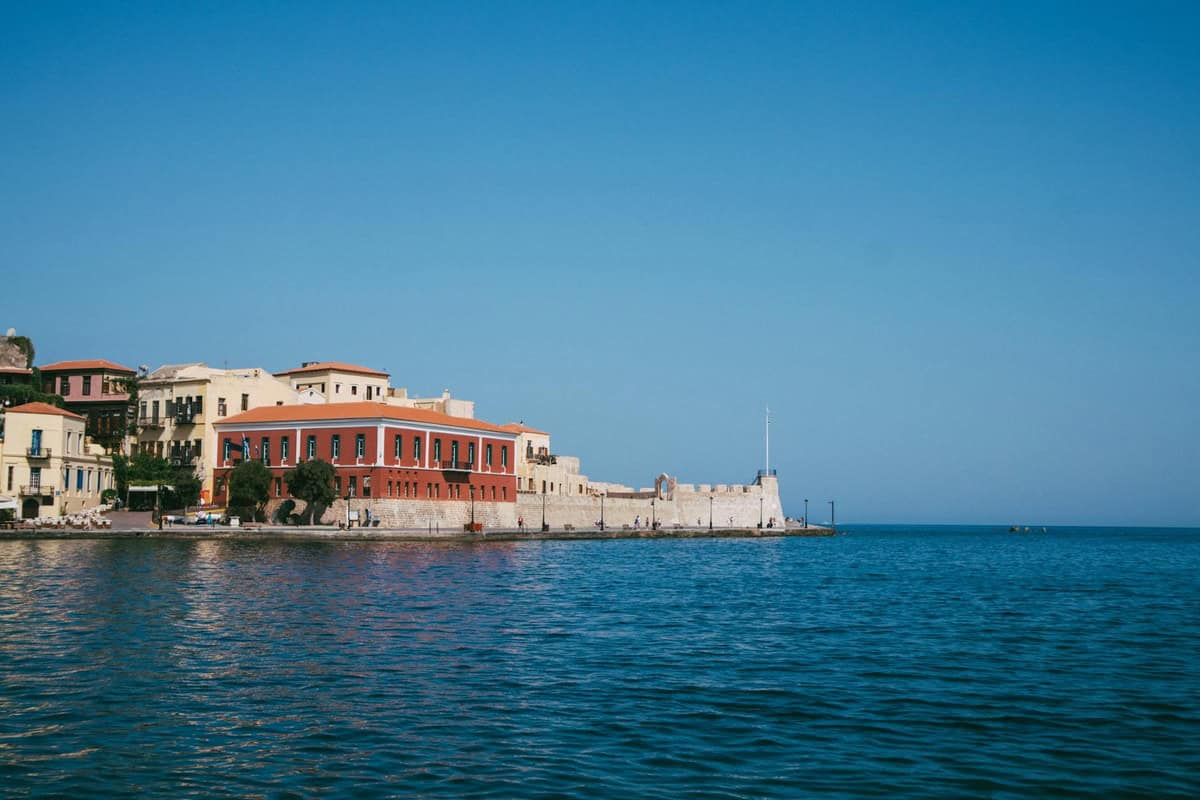
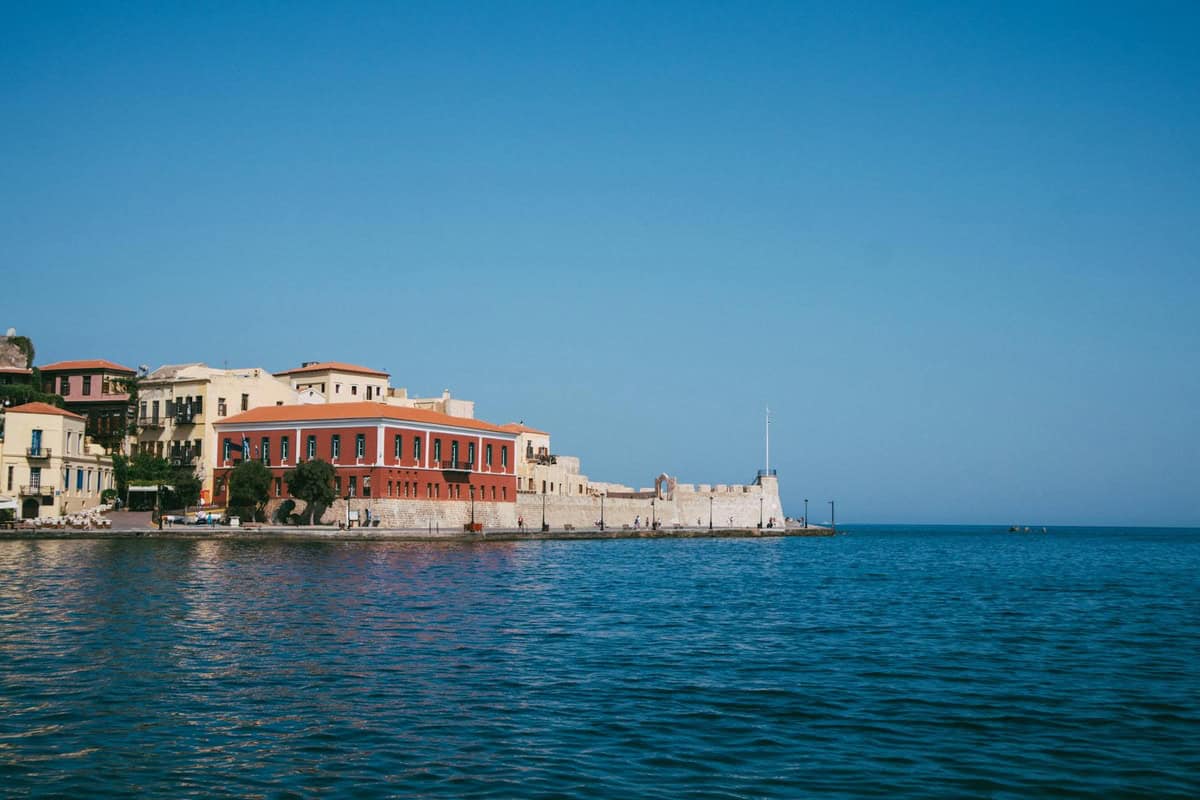
The Venetian harbor at sunset feels cinematic. You’ve got narrow alleys, rooftop wine bars, and some of the best restaurants in Crete within walking distance.
Why choose Chania?
- Access to Balos Lagoon (1 hour drive + boat option)
- Elafonissi Beach (1.5 hours)
- Samaria Gorge (about 1 hour to the entrance)
- Charming Old Town atmosphere
Hotel prices in May or September start around €90 per night for boutique stays. In peak July–August, expect €150–250 for central Old Town hotels.
Who it’s perfect for: Couples, first-time visitors, food lovers, photographers.
Downside: Parking is frustrating. Book a hotel with private parking or stay just outside Old Town.
Stay in Rethymno (Best Balance of Price and Location)
Rethymno is my “smart traveler” pick. It’s smaller than Chania but still beautiful, and accommodation is typically 15–25% cheaper.
You’re positioned almost exactly between Chania and Heraklion — about 1 hour to each by car. That flexibility matters.
The Old Town is lively but less chaotic. Beachfront resorts stretch east of town, where you’ll find modern hotels starting at €70–100 per night in shoulder season.
Who it’s perfect for: Digital nomads, longer stays, travelers who plan to road trip around.
If you’re working remotely, cafés here have better seating and fewer cruise crowds than Heraklion. Bring a reliable phone — if you’re upgrading before your trip, this guide to refurbished iPhones under $500 is surprisingly useful for travel budgeting.
Stay in Heraklion (Best for Short Trips & Knossos)
Let’s be honest: Heraklion is practical, not pretty.
It’s busy, modern, and a bit gritty in places. But it’s 10 minutes from the airport and 15 minutes from the Palace of Knossos — Crete’s most famous archaeological site.
If you’re staying just 2–3 nights or arriving late at night, Heraklion makes sense.
Hotels are cheaper here. Solid 3–4 star options run €80–140 per night most of the year.
Who it’s perfect for: History buffs, short stays, early flights.
Skip it if: You’re dreaming of whitewashed alleys and romantic harbor views.
Stay in Agios Nikolaos or Elounda (Best for Luxury & Quiet)
Eastern Crete feels calmer and more exclusive.
Elounda is known for high-end resorts — some of Greece’s best luxury properties are here, with private pools and sea-view villas starting around €300 per night and easily climbing past €800.
Agios Nikolaos is more affordable and has a lovely lakefront center with walkable restaurants and bars.
Beaches are less crowded than the west, but you’re farther from the island’s “greatest hits” like Balos or Samaria Gorge.
Who it’s perfect for: Honeymooners, resort lovers, repeat visitors.
Should You Split Your Stay?
If you’re in Crete for 7 days or more, yes — absolutely.
My ideal split:
- 4 nights in Chania (west coast beaches + Samaria Gorge)
- 3 nights in Agios Nikolaos or near Elounda (relaxed east coast vibes)
This saves you from doing 3-hour round trips every day. Gas costs roughly €1.80–2.00 per liter, and car rentals average €35–60 per day outside peak season.
Beach Lovers: West vs East
If your trip is primarily about beaches, your decision matters even more.
West Crete: Dramatic, pink-sand Elafonissi, turquoise Balos Lagoon, wild landscapes. More wind.
East Crete: Calmer water, organized beaches, fewer day-trip crowds.
Personally? West is more visually stunning. East is more relaxing.
Without a Car? Read This.
Crete without a car is possible — but limiting.
Buses connect major cities, but reaching Balos or remote beaches becomes complicated and time-consuming.
If you truly don’t want to drive, stay in Chania Old Town or central Heraklion where tours pick up easily.
Also check whether your accommodation offers transfers. With new airport transfer options expanding across Europe — similar to what’s described in this breakdown of Airbnb’s airport transfer services — more hosts are arranging rides directly.
When to Book (and When Prices Spike)
May, early June, and September are ideal.
You’ll get 25–40% lower hotel rates compared to July and August, and the sea is still warm enough for swimming.
August is peak European holiday season. Expect crowded beaches, higher car rental prices, and fully booked boutique hotels in Chania.
My Honest Recommendations
If you want my blunt advice:
- 4–5 days in Crete: Stay in Chania.
- 7 days: Split between Chania and Agios Nikolaos.
- Budget trip: Base yourself in Rethymno.
- Luxury escape: Elounda.
- Quick history-focused trip: Heraklion.
Avoid staying in random inland villages unless you specifically want isolation. Crete’s magic is coastal.
Conclusion: Choose Your Base, Shape Your Trip
Crete isn’t about ticking boxes. It’s about choosing the right base so your days feel easy instead of exhausting.
Pick west for drama and iconic beaches. Pick east for calm and comfort. Or split your stay and get both.
However you do it, decide intentionally — and book early if you’re traveling between June and September.
If you’re planning more European adventures after Greece, explore our other destination guides on Distratech to combine smart travel strategy with practical tech tips.
Looking for the right place to stay in Crete? Browse hotels in Crete to book your base early.
Frequently Asked Questions
Which part of Crete is best to stay in?
Chania is best for first-time visitors thanks to its beautiful Old Town and access to Balos and Elafonissi beaches. Rethymno is a great mid-budget alternative, while Elounda is ideal for luxury stays.
How many days do you need in Crete?
At least 4–5 days for one region, and 7–10 days if you want to explore both west and east Crete without rushing. The island is large and driving times add up quickly.
Is it better to stay in Chania or Heraklion?
Chania is more scenic and better for beaches, restaurants, and atmosphere. Heraklion is more convenient for airport access and visiting Knossos but less charming overall.
Do you need a car in Crete?
Yes, if you want full flexibility to explore beaches and mountain villages. Rentals typically cost €35–60 per day outside peak season, and it saves hours compared to buses.

About the Author: Tomáš Bzirský
Founder and editor of Distratech. Based in the Czech Republic, travelling regularly from Central Europe. Writes practical travel guides and travel-tech comparisons (eSIM, apps, airports) in six languages.