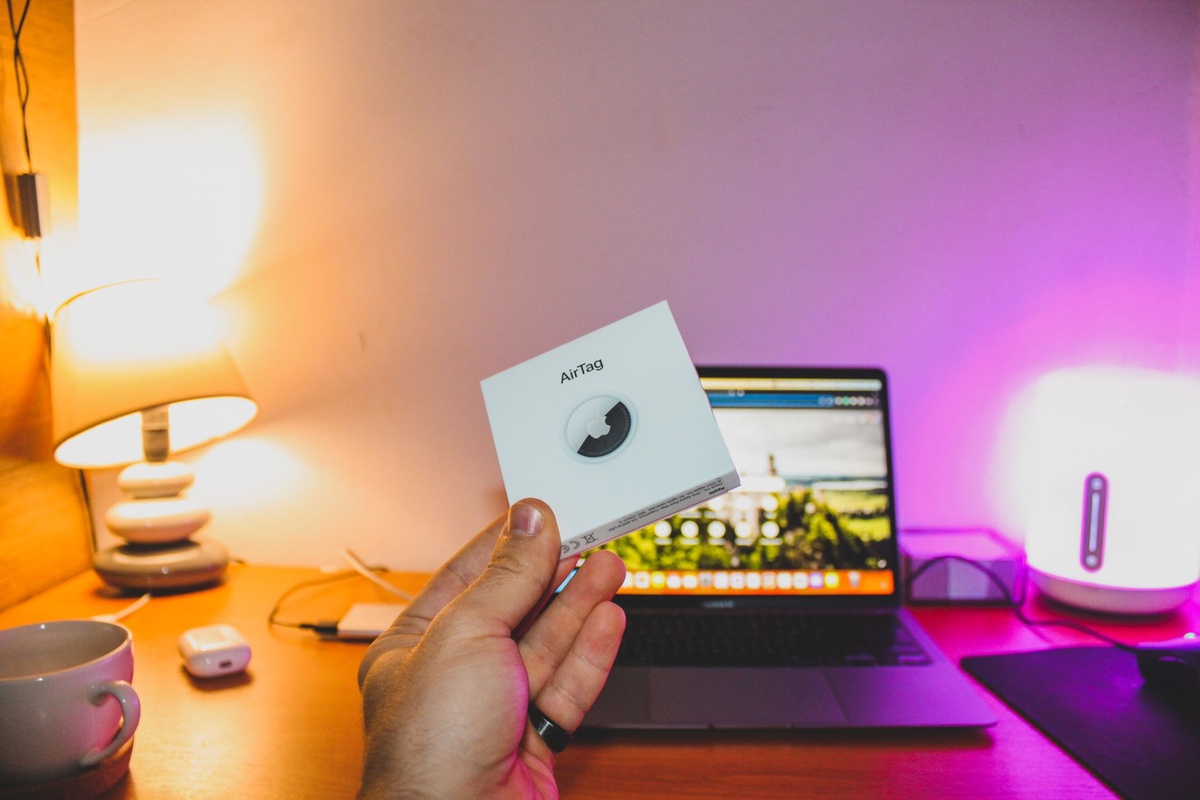
The second-generation Apple AirTag has dropped to about $23 for a single tag and $79 for a four-pack, the lowest price since the new model launched. The timing matters: in October aurora chasers are heading to Tromsø and Iceland, trekkers are handing duffels to porters in Nepal, and safari flights in Kenya and Tanzania are shuffling luggage between 12-seat Cessnas. If a bag is going to go missing, this is the season it happens.
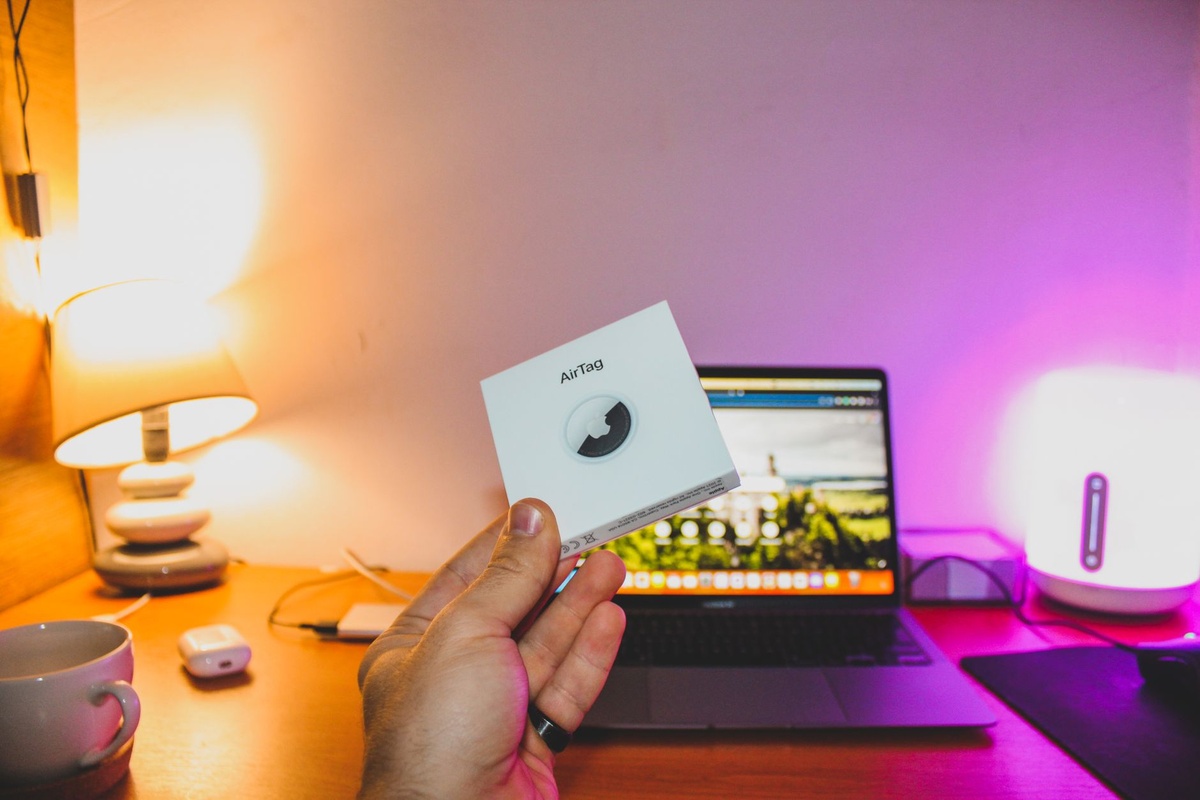
I’ve carried AirTags on every trip since 2021 and have had the 2nd-gen version in my luggage, camera bag and jacket pocket for several months across three continents. Short version: the upgrade is real but modest, and at 20% off it’s the cheapest travel insurance you’ll buy this year. Here’s what the deal gets you, how it compares with Samsung, Tile and Chipolo, and who should skip it.
Key Takeaways
- The AirTag (2nd Gen) is roughly $23 (from $29) per tag and about $79 (from $99) for a four-pack at Amazon, Walmart and Best Buy as of October 2026; European pricing sits around €31 and €105.
- It weighs 11 g, runs about 12 months on a user-replaceable CR2032 coin cell, and is IP67 rated — 30 minutes in 1 m of water.
- The biggest upgrade is Precision Finding range: the new Ultra Wideband chip gave me a directional arrow from roughly 45 m versus 15 m on the original.
- Share Item Location lets you send a live AirTag link to 20+ airlines (Delta, United, Lufthansa, British Airways, Turkish, Qantas and more) when a bag goes missing.
- Buy it if you use an iPhone; Android users should get the Chipolo Pop or Samsung SmartTag2, because AirTags don’t work with Google’s network.
The Deal: What’s Actually on Sale in October 2026
Apple rarely discounts hardware, so the cut is coming from retailers. A single AirTag (2nd Gen) lists at $29 at Apple and sells for $22.99–$23.49 at Amazon, Walmart and Best Buy. The four-pack lists at $99 and is sitting at $78.99–$79.99. In Europe the discount is slightly shallower: Apple lists €39, while Amazon.de, Amazon.fr and MediaMarkt are at €30.99–€32.99 for singles and €104–€109 for four-packs against a €129 list. UK buyers are seeing £27–£28 versus £35.
| Configuration | Apple list price (Oct 2026) | Sale price (Oct 2026) | Saving | Cost per tag |
|---|---|---|---|---|
| 1× AirTag (2nd Gen), US | $29 | $23 | 21% | $23.00 |
| 4× AirTag (2nd Gen), US | $99 | $79 | 20% | $19.75 |
| 1× AirTag (2nd Gen), EU | €39 | €31–€33 | 15–20% | €31–€33 |
| 4× AirTag (2nd Gen), EU | €129 | €104–€109 | 16–19% | €26–€27 |
| 1× AirTag (1st Gen), clearance | $29 | $17–$19 | 35–40% | $17–$19 |
For travelers, the four-pack is the one to buy. A single tag protects one suitcase; four cover your checked bag, carry-on, daypack and keys for under $20 each — less than one night in a Tromsø hostel dorm in aurora season. Retailer deals like this typically last one to three weeks, and the next predictable drop is Black Friday, which doesn’t help if you’re flying to Kathmandu on the 18th.
Key Numbers at a Glance
| Spec | AirTag (2nd Gen) | Why it matters on a trip |
|---|---|---|
| Weight / size | 11 g, 31.9 mm × 8 mm | Four tags add 44 g — irrelevant even on a 15 kg safari-plane limit |
| Battery | CR2032, ~12 months, user-replaceable | A 5-pack of cells for $4 sets you up for years |
| Water/dust rating | IP67 (1 m for 30 min) | Survives waterfall spray and a dunked daypack |
| Bluetooth range | ~30–40 m line of sight (tested) | Enough to ping a bag across a baggage hall |
| Precision Finding range | ~45 m (tested, iPhone 16 Pro) | Roughly 3× the original — huge in a hostel luggage room |
| Network | Apple Find My only | Hundreds of millions of relay devices; useless with Android |
| Operating temp | −20°C to 60°C | Fine for a Lapland night; may slow in a −30°C Yukon freeze |
What’s New in the 2nd Gen (And What Isn’t)
Apple didn’t redesign the AirTag — it’s still a white button with a polished steel back, and existing holders and key rings fit. The changes are inside. The headline upgrade is a second-generation Ultra Wideband chip, the same family used in recent iPhones. With the original, I had to be within about 15 m before the Precision Finding arrow appeared. With the new one, I got a directional lock at roughly 45 m in an open parking lot and about 25 m through two hotel walls.
The speaker is louder. Apple doesn’t publish a decibel figure, but inside a zipped 70 L duffel the gen 1 chirp was barely audible from 3 m; the gen 2 is clearly audible from 5–6 m. That’s the difference between finding your bag in a Lukla cargo pile and not.
Battery life (roughly a year), weight (11 g), IP67 rating and the anti-stalking alerts on iOS and Android are all unchanged. There’s still no hole for a key ring, so budget $3–$10 for a holder. And it’s still Apple-only: if your travel partner uses a Pixel, their phone cannot see your AirTag’s location.
Real-World Testing: Where the AirTag Earned Its Keep
Transferring at Istanbul. My checked bag missed a tight Turkish Airlines connection. The AirTag showed it sitting at IST while I landed in Tbilisi. I used Share Item Location in Find My to generate a link, handed it to the baggage desk, and the agent could see the bag’s live position on a web map. It arrived 19 hours later. Without the tag I’d have been describing “black suitcase, medium.”
Hostel luggage room, Ljubljana. Twenty-plus near-identical backpacks on a rack. Precision Finding on an iPhone 16 Pro walked me to mine in under 20 seconds from the doorway, about 10 m away. Gen 1 would have needed arm’s reach.
Rental car, Western Cape. I keep a tag in the glovebox of any rental, which is how I found the car in a sprawling Stellenbosch wine-estate lot. If you’re doing solo weekend drives out of Cape Town this October, a glovebox AirTag is also a quiet theft deterrent.
Kids’ daypacks, Azores. On a foggy Pico trail, a tag told us within seconds that the 9-year-old had left her pack at the trailhead café, not on the mountain. We cover the trip in our guide to slow-travelling the Azores with kids in October; the tracker was the cheapest gear that saved us a real headache.
Waterfall day, northern Thailand. A tag in a daypack lid pocket took heavy spray and a brief dunk when the bag slipped off a rock. Dried it off, still pinging. IP67 is not marketing fluff.
AirTag (2nd Gen) vs the Competition: Numbers, Not Vibes
Prices are October 2026 US street prices with approximate EU equivalents. Battery figures are manufacturer claims; range figures are from my own line-of-sight tests.
| Tracker | Price (Oct 2026) | Weight | Battery | Network | UWB precision finding | Water rating | Key-ring hole |
|---|---|---|---|---|---|---|---|
| Apple AirTag (2nd Gen) | $23 / €32 (sale) | 11 g | ~12 months, CR2032 | Apple Find My | Yes (~45 m) | IP67 | No |
| Apple AirTag (1st Gen) | $17–19 (clearance) | 11 g | ~12 months, CR2032 | Apple Find My | Yes (~15 m) | IP67 | No |
| Samsung Galaxy SmartTag2 | $25–30 / €28 | 13 g | ~500 days, CR2032 | Samsung SmartThings Find | Yes (Galaxy UWB phones only) | IP67 | Yes |
| Chipolo Pop | $29 / €29 | 9 g | ~12 months, CR2032 | Apple Find My or Google Find My Device | No | IP55 | Yes |
| Tile Pro (2024) | $35 / €35 | 13 g | ~12 months, CR2032 | Tile + Amazon Sidewalk (US) | No | IP68 | Yes |
| Pebblebee Clip Universal | $30 / €30 | 10 g | ~12 months, rechargeable | Apple Find My or Google | No | IPX6 | Yes |
For luggage, what matters is network density — how many strangers’ phones will anonymously relay your bag’s location. Apple’s Find My network is the largest on the planet, and in airports it’s not close. Google’s Find My Device has improved since 2024 but still reports far less often: in a busy terminal, a Chipolo Pop on Google updated every 20–40 minutes, the AirTag every 2–5 minutes.
For keys, what matters is precision finding. Only Apple and Samsung have UWB, and Samsung’s works only with UWB-equipped Galaxy phones. Tile and Chipolo rely on Bluetooth signal bars — fine on a kitchen counter, useless in a snowbank outside a Lapland cabin. Tile’s loud ringer and IP68 rating are good, but its network depends on other Tile users, rare outside the US.
Choose This If… Skip It If…
- Choose the AirTag (2nd Gen) four-pack if you use an iPhone, check bags more than twice a year, and want precision finding for keys. At $79 it’s the best value in the category.
- Choose the 1st-gen clearance if you only want luggage tracking. Network tracking is identical; you save $4–6 per tag and lose the longer UWB range and louder speaker.
- Choose the Chipolo Pop if you’re on Android or run a mixed household and want to pick a network per tag. It’s the best cross-platform option at 9 g.
- Choose the Samsung SmartTag2 if you own a UWB Galaxy; the 500-day battery is a genuine plus for long trips.
- Skip all of them if you travel with a basic phone — every tracker needs a compatible smartphone for setup.
How to Set Up AirTags for Travel (The Right Way)
Setup takes 30 seconds — pull the tab, hold it near your iPhone, tap Connect. A few settings turn it from gimmick into tool.
- Name tags by bag, not person. “Osprey 65L red” is more useful at a baggage desk than “Mike’s bag.”
- Enable Share Item Location before you fly. Find My → Items → tap the tag → Share Item Location. The link expires after seven days or when you’re reunited with the bag.
- Turn on “Notify When Left Behind” for carry-on and keys, and add your hotel as a trusted location so it doesn’t nag every morning.
- Put the tag deep inside the bag. Thieves and handlers know what AirTags look like; a shoe or toiletry bag beats a zipper clip.
- Carry a spare CR2032. Under $1 and 3 g. The low-battery warning gives a couple of weeks — not helpful mid-Annapurna Circuit.
- Check Find My the moment you land. If the bag shows at your departure airport, skip the carousel and go straight to the baggage desk.
Where an AirTag Pays for Itself This October
Aurora trips to Tromsø, Iceland and Lapland. You’ll be in the dark at −5°C wearing gloves, dropping things in snow. A tag in your key pouch and camera bag means a two-minute Precision Finding walk instead of a torch search. CR2032 cells lose capacity in extreme cold, so keep the tag in an inner pocket.
East Africa safari flights. Light aircraft between the Mara, Serengeti and the coast enforce 15 kg soft-bag limits and bags get shuffled between legs. At 11 g the tag is weightless and tells you whether your duffel boarded the same Cessna.
Nepal trekking season. Porters carry duffels separately, and bags pile up in dim lodge rooms on the Everest Base Camp route. The louder gen 2 speaker is the feature you’ll use most, and on the EBC trail in October an iPhone passes every few minutes.
Secondary European cities and Mexico. Ljubljana, Plovdiv and Brașov trips usually involve a budget-airline leg with a tight connection, where mishandled bags are common. In Oaxaca for Día de los Muertos, a tag won’t stop a pickpocket, but it will tell you whether a “lost” bag is in the taxi you just left.
Common Mistakes Travelers Make With AirTags
- Buying AirTags for an Android household. The tag triggers unwanted-tracking alerts on your partner’s Pixel and gives them zero location data. Get a Chipolo Pop on Google’s network instead.
- Expecting real-time GPS. There’s no GPS or cellular radio; the tag reports only when an Apple device passes within roughly 10–30 m. In a remote Cederberg campsite, the location may be hours old.
- Clipping it outside a suitcase. Anyone handling the bag can pull it off. Inside, always.
- Not telling the airline. Staff rarely ask; volunteer the live-location link, which agents told me speeds up locating a bag in a sorting facility.
- Worrying about lithium rules. The CR2032 cell is under the 0.3 g lithium limit; the FAA, EASA and every major airline permit AirTags in checked bags. Lufthansa’s 2022 confusion was reversed within days.
Pros and Cons
Pros
- Largest crowd-sourced finding network — airports are saturated with iPhones
- Precision Finding range roughly tripled over the original
- 11 g, IP67, replaceable battery that costs pennies
- Share Item Location works with 20+ major airlines
- $79 four-pack is the best per-tag price Apple hardware has hit
Cons
- Useless with Android phones
- No key-ring hole; a holder adds $3–$10
- No GPS, so remote-area tracking depends on passing iPhones
- Incremental upgrade over gen 1 if you only track luggage
- Speaker still not loud enough to hear from the next room
Traveler Verdict
Buy the four-pack at $79 if you’re an iPhone user who checks bags. One in the checked bag, one in the carry-on, one on the keys, one in the daypack. The per-tag price is below $20, batteries last a year, and the first time a bag goes sideways in Istanbul or Nairobi it pays for itself five times over.
Buy the 1st-gen clearance at $17 if you only care about luggage. Network tracking is identical and UWB range won’t matter inside a suitcase. Skip it if you’re on Android — the Chipolo Pop on Google’s network is the right answer, or the SmartTag2 if you own a UWB Galaxy.
And don’t wait for Black Friday. The savings then are usually the same $20 on a four-pack, and your trekking permits, safari flights and aurora cabins are booked for this month, not late November.
Frequently Asked Questions
Can I put an AirTag in checked luggage?
Yes. The FAA, EASA, IATA and all major airlines permit AirTags in checked bags because the CR2032 cell contains well under the 0.3 g lithium limit. Place it inside the bag rather than clipped outside so it isn’t removed by handlers or thieves.
Is the AirTag 2nd Gen worth it over the 1st Gen?
For keys and small items, yes: Precision Finding works from roughly 45 m instead of 15 m and the speaker is louder. For luggage only, the 1st Gen at $17–19 on clearance does an identical job because both use the same Find My network.
Does the AirTag work with Android phones?
No. Android phones can detect an AirTag for anti-stalking alerts but cannot set one up or view its location. Android travelers should buy the Chipolo Pop ($29) on Google’s Find My Device network or the Samsung SmartTag2 ($25–30) with a UWB-equipped Galaxy.
How long does the AirTag battery last?
About 12 months on a standard CR2032 coin cell, which you replace yourself by twisting off the steel back. A five-pack of cells costs around $4, and Find My warns you a few weeks before it dies.
Which airlines accept AirTag location sharing for lost bags?
Share Item Location is supported by more than 20 carriers including Delta, United, Air Canada, British Airways, Lufthansa, Swiss, KLM, Iberia, Turkish Airlines, Qantas, Singapore Airlines and Virgin Atlantic. You generate a link in Find My, the agent views a live map, and the link expires after seven days.

About the Author: Tomáš Bzirský
Founder and editor of Distratech. Based in the Czech Republic, travelling regularly from Central Europe. Writes practical travel guides and travel-tech comparisons (eSIM, apps, airports) in six languages.