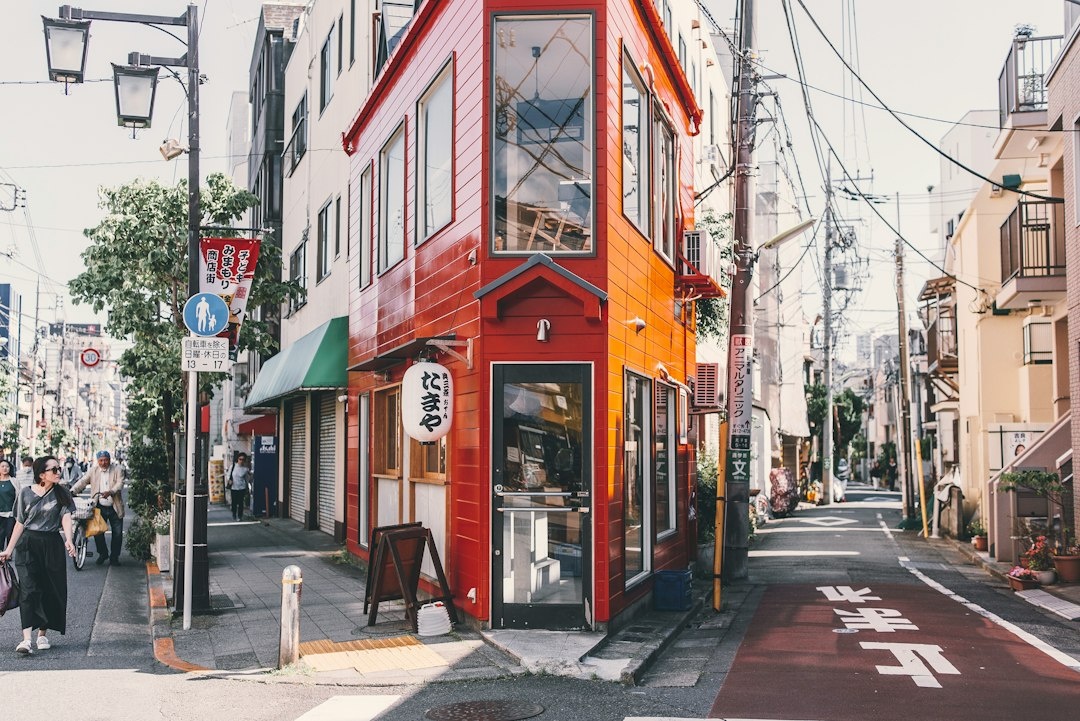
Japan after dark can mean lantern-lit temples, skyline observatories and immersive gardens—not just bars and all-night karaoke. For families traveling in October, the real choice is between Tokyo’s larger, more polished night attractions and Osaka’s cheaper, more compact evenings, with your hotel location determining how stressful the final train home feels.
Key Takeaways
- Choose Tokyo for major observatories and futuristic light experiences; choose Osaka for shorter journeys, lower hotel rates and easier evenings with younger children.
- October family rooms sampled in October 2026 averaged €285–€420 in Shinjuku and Asakusa versus €190–€320 in Namba and Tennoji.
- Asakusa and Tennoji are the quietest bases, while Shinjuku and Namba offer more food but heavier late-night crowds.
- Plan to board by 23:30 in Tokyo or 23:45 in Osaka rather than relying on a final train around midnight.
- For a family of four, a three-night Osaka plan costs about €1,194 versus approximately €1,521 in Tokyo, excluding flights.
Key Numbers at a Glance
October is excellent for urban noctourism because sunset moves from roughly 17:25 at the start of the month to around 16:50 by Halloween. Tokyo typically sees daytime highs near 22°C and nighttime temperatures around 15°C; Osaka is usually about 1°C warmer.
Do not expect peak maple color in central Tokyo or Osaka in October. Japan’s headline October foliage is farther north and at higher elevations; city parks generally peak from mid-November into early December.
| Factor | Tokyo | Osaka |
|---|---|---|
| Typical October temperature | 22°C day / 15°C night | 23°C day / 16°C night |
| Sunset, mid-October | About 17:05 | About 17:20 |
| Family room, 3-star/aparthotel | €285–€420 per night | €190–€320 per night |
| Typical evening transit | 25–50 minutes | 10–30 minutes |
| Major paid night attraction | €32–€64 for a family of four | €24–€48 for a family of four |
| Airport transfer by train | €4–€10 per person | €6–€11 per person |
| Best base for quiet nights | Asakusa | Tennoji |
| Best base for food choice | Shinjuku | Namba |
Hotel and attraction estimates were checked in October 2026. Euro conversions use approximately ¥170 to €1; card exchange rates and dynamic hotel pricing will vary.
Step 1: Choose Tokyo or Osaka Using This Decision Framework
Choose Tokyo if your family wants blockbuster attractions
Tokyo wins for variety. Shibuya Sky, Tokyo Skytree, teamLab Borderless, Odaiba’s waterfront and the illuminated approach to Senso-ji can fill three completely different evenings.
The compromise is distance. Asakusa to Shibuya is about 14 kilometers and 35–45 minutes by subway, while comparable Osaka journeys such as Tennoji to Namba cover 3 kilometers in roughly 7 minutes.
- Choose Tokyo if your children are at least eight and can manage 15,000-step days.
- Choose Tokyo if one major skyline deck is a trip priority.
- Choose Tokyo if you have four or more nights and accept higher hotel prices.
- Skip Tokyo for a two-night stop if bedtime meltdowns are already likely.
Choose Osaka if convenience matters more than scale
Osaka’s best family evenings fit into a smaller radius. Osaka Aquarium, Dotonbori, teamLab Botanical Garden, Tsutenkaku and Abeno Harukas are generally 10–30 minutes apart rather than 30–60 minutes apart.
Osaka also has the better cost-to-fun ratio. A family ticket to Harukas 300 is about €32, compared with approximately €53–€64 for a family visit to Shibuya Sky depending on the children’s ages and ticket category.
- Choose Osaka for children under eight, strollers or grandparents traveling with the family.
- Choose Osaka if you want dinner at 18:00, an attraction at 19:00 and bed before 22:00.
- Choose Osaka if your budget for a family room is under €250 per night.
- Skip Osaka if teamLab Borderless or Tokyo’s skyline is the central reason for visiting Japan.
My verdict: Osaka is the better first family noctourism trip. Tokyo offers the stronger individual attractions, but Osaka produces better evenings because less time is spent transferring through enormous stations.
Step 2: Compare Shinjuku, Asakusa, Namba and Tennoji Hotels
Japanese room occupancy rules are strict. A room advertised as a “triple” may not accept two adults and two children, even if one child shares a bed, so enter every child’s age before comparing rates.
The rates below are representative refundable prices sampled for three October 2026 weeknights. Weekend prices around Japan’s Sports Day holiday and Halloween can be 15–35% higher.
| Area and hotel | Family setup | Room size | October 2026 rate | Station distance | Best for |
|---|---|---|---|---|---|
| Shinjuku: JR Kyushu Hotel Blossom Shinjuku | Two adjoining or separate twin rooms | 25 sq m each | €390–€470 nightly | 3-minute walk to Shinjuku Station | Teenagers and fast transport |
| Shinjuku: Citadines Shinjuku Tokyo | Studio plus sofa bed; verify four-person occupancy | 25 sq m | €285–€350 nightly | 5 minutes to Shinjuku-gyoemmae | Kitchenette and quieter streets |
| Asakusa: Mimaru Tokyo Asakusa Station | Apartment with four beds | 35–53 sq m | €360–€440 nightly | 1 minute to Asakusa Station | Families wanting space |
| Asakusa: Richmond Hotel Premier Asakusa | Triple or connecting-room arrangement | 27–54 sq m | €290–€370 nightly | 8 minutes to subway platforms | Senso-ji evening walks |
| Namba: Fraser Residence Nankai Osaka | One-bedroom apartment with living area | 40 sq m | €250–€320 nightly | 2 minutes to Nankai Namba | Laundry and KIX access |
| Namba: Hiyori Hotel Osaka Namba Station | Connecting twin rooms | 22 sq m each | €230–€300 nightly | 2-minute walk | Central location without Dotonbori noise |
| Tennoji: Miyako City Osaka Tennoji | Large twin or two-room setup | 23–46 sq m | €190–€260 nightly | Directly opposite Tennoji Station | Value and easy transport |
| Tennoji: Osaka Marriott Miyako Hotel | Large twin with skyline view | 38 sq m | €360–€500 nightly | Inside Abeno Harukas | A special final night |
Shinjuku: convenient, exciting and tiring
Shinjuku is the transport winner but the sleep loser. Its station handles millions of passenger journeys daily, and walking from the wrong platform to your hotel can add 15 minutes before you even reach street level.
Stay south of the station near the New South Gate rather than in Kabukicho. Skip Hotel Gracery Shinjuku with young children unless the Godzilla theme is non-negotiable; the surrounding nightlife is loud, crowded and less pleasant after 21:00.
JR Kyushu Hotel Blossom is better positioned for families, but needing two rooms pushes the nightly bill above €400. Search hotels in Tokyo with the occupancy set correctly before comparing any headline rate.
Asakusa: Tokyo’s best family base after dark
Asakusa is calmer and more atmospheric. Senso-ji’s grounds remain accessible overnight, and the five-story pagoda, Kaminarimon Gate and Nakamise shutters are particularly photogenic after tour groups leave around 20:00.
The trade-off is western Tokyo access. Reaching Shibuya Sky takes around 40 minutes versus 15–20 minutes from Shinjuku, but Asakusa to Tokyo Skytree is only 3 minutes by train or about 20 minutes on foot.
Mimaru is my Tokyo pick because four proper beds and a dining table are worth paying €30–€70 more than a cramped triple room. Book through Mimaru’s official website and compare its cancellation terms rather than selecting a non-refundable bargain.
Namba: best for food, but choose the right street
Namba puts Dotonbori, Kuromon Market and the Nankai airport line within easy reach. It is only 7 minutes by subway from Tennoji and roughly 25 minutes from Osaka Aquarium’s Osakako Station.
Do not book directly on Dotonbori with small children. A room 500–800 meters south near Nankai Namba gives you the same restaurants with substantially less shouting and street noise at midnight.
Fraser Residence is the practical winner: a washing machine and kitchenette can save a family roughly €35 per day on breakfast and laundry. Its apartment rates are often €100 below a comparable Tokyo family apartment.
Tennoji: the smartest value choice
Tennoji feels local without being inconvenient. Abeno Harukas is above the station, teamLab Botanical Garden is about 15 minutes away, and Namba is four Midosuji Line stops to the north.
Miyako City is not fashionable, but it is hard to beat at around €220 nightly. Compared with Shinjuku, a three-night stay can save €510–€750—enough to cover most meals and attractions for the entire Osaka stay.
Step 3: Pick Night Attractions That Actually Work with Children
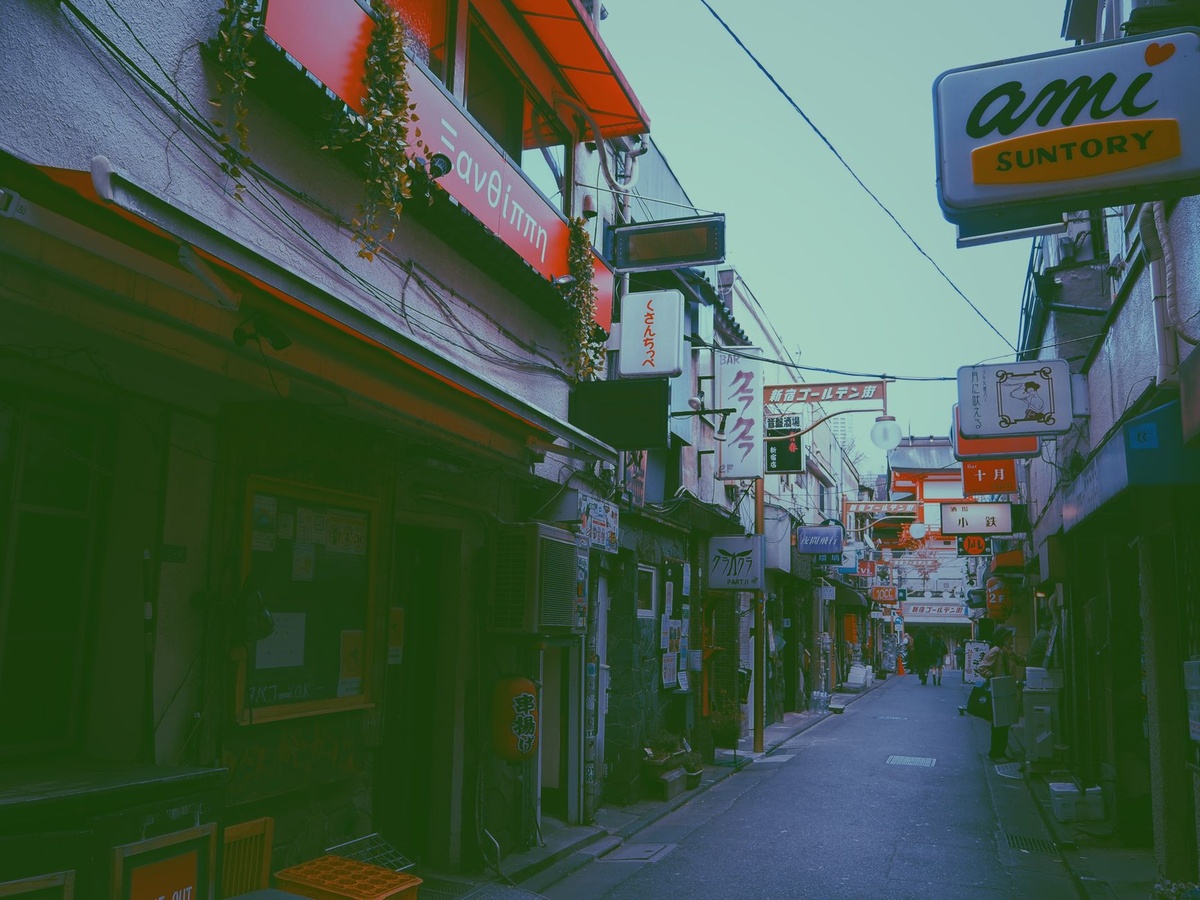
A good family night has one timed attraction, one meal and no more than one train transfer. Trying to combine Shibuya Sky, teamLab and Asakusa in a single evening saves no useful time and turns a €60 attraction into an exhausted photo stop.
| Attraction | Typical October hours | Family-of-four cost | Visit length | Best age |
|---|---|---|---|---|
| Shibuya Sky, Tokyo | 10:00–22:30; last entry around 21:20 | About €53–€64 | 75–90 minutes | 8+ |
| Tokyo Skytree Tembo Deck and Galleria | 10:00–22:00; final admission around 21:00 | About €47–€55 | 90 minutes | All ages |
| teamLab Borderless, Azabudai Hills | Usually 09:00–21:00; hours vary by date | About €51–€65 | 2–3 hours | 5+ |
| Harukas 300, Osaka | 09:00–22:00; last admission 21:30 | About €32 | 60–75 minutes | All ages |
| teamLab Botanical Garden Osaka | Approximately 18:15–21:30 in October; last entry around 20:30 | About €29 | 60–90 minutes | 5+ |
| Osaka Aquarium Kaiyukan | Commonly 10:00–20:00; last entry 19:00 | About €48 | 2–2.5 hours | All ages |
Operating hours can change for maintenance, weather or seasonal programming. Confirm the selected date on the attraction’s official booking calendar.
Tokyo: skip the Robot Restaurant replacement shows
Family marketing around Shinjuku’s flashy dinner shows can be misleading: performances may be loud, expensive and designed more for adult tourists than children. Skip them and book Shibuya Sky for 17:00–17:30 instead.
This slot captures sunset and city lights, but rooftop access can close in strong wind or rain. Tickets are timed and frequently sell out; online adult prices are generally lower than same-day counter prices.
For children under eight, Tokyo Skytree is easier. It is enclosed, stroller-friendly and next to Sumida Aquarium, where normal opening is around 10:00–20:00 on weekdays with longer weekend hours.
Asakusa: Japan’s best free family night walk
Senso-ji’s main hall closes around 17:00 in October, but the temple grounds remain open. Arrive at 19:30, walk from Kaminarimon to the illuminated pagoda, then continue 600 meters to the Sumida River for Skytree views.
This costs nothing versus €50 or more for an observation deck. The trade-off is that Nakamise’s traditional snack shops usually close between 17:00 and 18:30, so eat first rather than promising children late-night melonpan.
Osaka: combine attractions by neighborhood
Pair Osaka Aquarium with the Tempozan waterfront, not Dotonbori. A 17:00 aquarium entry leaves time to see the tanks during quieter evening hours and watch harbor lights afterward.
On another night, combine Harukas 300 with dinner in the Abeno Harukas Kintetsu department store. Skip Tsutenkaku’s observation deck unless your children want the Tower Slider; Harukas is taller, less cramped and only about €8 more for a family.
teamLab Botanical Garden Osaka is the better noctourism experience for active children. Unlike Borderless, it is outdoors across Nagai Botanical Garden, so bring a light rain shell and mosquito repellent during warm early-October evenings.
Step 4: Plan Dinner Around the Night, Not the Other Way Around
Restaurants inside major stations often close around 22:00, with last orders 30–60 minutes earlier. A 20:30 attraction finish therefore leaves fewer family options than the glowing streets suggest.
Where to eat in Tokyo
In Shinjuku, choose Udon Shin for handmade noodles, typically ¥1,200–¥2,000 (€7–€12) per person. Queues can exceed 90 minutes, so join its digital queue before 17:00; with tired children, skip it and use Tsurutontan Shinjuku, where large udon bowls cost approximately €10–€16.
In Asakusa, Daikokuya Tempura is famous but its sesame-oil tempura can feel heavy before bed. I prefer Gonpachi Asakusa Azumabashi for soba, skewers and river views at roughly €15–€25 per adult, or Asakusa Kagetsudo before closing for a ¥300–¥400 melonpan.
Where to eat in Osaka
For okonomiyaki, skip the longest Dotonbori queues at Mizuno and use Ajinoya Honten before 18:00. Expect ¥1,100–¥1,800 (€6.50–€10.60) per pancake, with a family meal around €45–€60.
Near Tennoji, Abeno Takoyaki Yamachan sells takoyaki from roughly ¥600 (€3.50), while the Harukas dining floors offer calmer sit-down meals around €12–€22 per person. The food-court option is usually 40% cheaper and faster than a themed Dotonbori restaurant.
Step 5: Understand Last Trains Before Booking a Hotel
Tokyo and Osaka do not run 24-hour rail systems. Exact final departures vary by weekday, direction and connection, so the times below are planning benchmarks—not permission to appear on the platform at the last minute.
| Route | Typical final workable connection | Normal journey | Taxi alternative |
|---|---|---|---|
| Shibuya to Shinjuku | Around 00:30 on JR lines | 7 minutes, about €1.10 | 20–30 minutes, €24–€35 |
| Shinjuku to Asakusa | Roughly 23:45–00:00 depending on transfer | 30–40 minutes, about €1.30 | 25–35 minutes, €35–€50 |
| Tokyo Skytree to Asakusa | After midnight on some local services | 3 minutes, about €1 | 5–10 minutes, €8–€12 |
| Namba to Tennoji | Approximately 00:05–00:15 southbound | 7 minutes, about €1.40 | 10–15 minutes, €12–€18 |
| Osakako to Namba | Approximately 23:35–23:50 with transfer | 25–30 minutes, about €1.70 | 20–25 minutes, €25–€35 |
| Nagai to Tennoji | Close to midnight on the Midosuji Line | 9 minutes, about €1.40 | 15 minutes, €15–€22 |
Planning estimates checked in October 2026. Verify your exact date and direction in NAVITIME, Japan Travel by NAVITIME or Google Maps because maintenance and weekend schedules can alter the final connection.
My family rule is simple: target a train arriving at the hotel station before 23:00. That provides a 45–90-minute buffer and avoids turning a €1.50 ride into a €40 taxi.
Pay particular attention to transfers. The “last train” leaving Shibuya may reach an interchange after the connecting subway has stopped, which is why a direct Namba–Tennoji journey is safer than Shinjuku–Asakusa late at night.
Step 6: Use the Right Travel Tech
Google Maps works well for broad routing, but NAVITIME displays platform numbers, carriage positions and last-train searches more clearly. Its route results also separate ordinary fares from reserved-seat supplements.
- Install Suica in Apple Wallet before arrival if your phone supports it; foreign Android devices often cannot activate Japanese mobile IC functions.
- Buy a child IC card at a staffed JR or subway counter because discounted child fares are not automatically applied to an adult card.
- Save hotel addresses in Japanese for late-night taxi drivers.
- Download offline Google Maps areas, although live transit departures still require data.
- Set attraction alarms for ticket-release dates, especially Shibuya Sky’s sunset slots.
Children aged 6–11 generally pay about half the adult rail fare, while up to two children under six can often ride free with one fare-paying adult when they do not occupy reserved seats. A Namba–Tennoji subway trip is approximately ¥240 (€1.40) for an adult versus around ¥120 (€0.70) for a child.
A 10 GB Japan eSIM commonly costs €12–€20, compared with pocket Wi-Fi at roughly €5–€9 per day plus collection and return time. One connected parent is enough for navigation, but two eSIMs prevent separation problems inside stations.
Step 7: Follow One of These Three-Night October Plans
Tokyo plan: stay in Asakusa
Night one: Check in, eat by 18:30 and walk Senso-ji from 19:30 to 20:30. This is a free, low-pressure introduction after the airport journey.
Night two: Visit Tokyo Skytree and Sumida Aquarium from 16:30 to 20:00. Walk or take the Tobu line back to Asakusa, avoiding a cross-city train when the children are tired.
Night three: Book teamLab Borderless around 16:00, eat at Azabudai Hills and return by 21:30. Choose this over Shibuya Sky if rain is forecast; teamLab is indoors, while Shibuya’s exposed rooftop may close.
Osaka plan: stay in Tennoji
Night one: Go straight up to Harukas 300 for sunset, then eat inside the same building. Hotel-to-observatory travel can be under five minutes versus 40 minutes for some Tokyo skyline journeys.
Night two: Enter Osaka Aquarium around 16:30, finish by 19:00 and return before 21:00. Book through the official Kaiyukan website, particularly for weekends.
Night three: Eat early near Tennoji, take the Midosuji Line to Nagai and enter teamLab Botanical Garden after dusk. Allow 15 minutes to walk between Nagai Station and the garden entrance.
Three-Night Family Budget: Tokyo vs Osaka
This sample assumes two adults, one 12-year-old and one eight-year-old traveling in October 2026. It includes one apartment-style room, casual meals, local transport and three evenings, but excludes international flights and intercity Shinkansen tickets.
| Expense | Tokyo: Asakusa | Osaka: Tennoji |
|---|---|---|
| Hotel, 3 nights | €1,080 | €660 |
| Airport trains, return | €50 | €52 |
| Local transport | €75 | €52 |
| Attractions | €176 | €133 |
| Meals and snacks | €140 per day / €420 | €115 per day / €345 |
| eSIM/data | €20 | €20 |
| Total | €1,821 | €1,262 |
A stricter budget using a smaller Tokyo room could reduce the Tokyo total to approximately €1,521. Osaka remains around €327–€559 cheaper over three nights, depending mainly on hotel choice.
Do not cut costs by booking an isolated hotel beside a distant railway station. Saving €40 nightly is poor value if every evening requires an extra 25-minute ride and ¥1,000 in family transport.
Common Family Noctourism Mistakes
Booking every sunset
October weather is generally comfortable, but cloud and rain still happen. Reserve one premium sunset deck, then use free illuminated locations such as Senso-ji or Dotonbori on the other evenings.
Underestimating station walking
A journey listed as 20 minutes can become 35 minutes with children, toilets and the wrong exit. Shinjuku is the worst offender; Tennoji is much easier because the main rail, subway and Harukas entrances are concentrated within a smaller area.
Assuming “open late” means child-friendly late
Arcades, karaoke venues and entertainment businesses can apply age-based evening entry rules, sometimes earlier for unaccompanied minors. Even where children are legally allowed with a guardian, noise and smoking areas can make a venue unsuitable after 20:00.
Arriving hungry at 21:30
Convenience stores remain open, but many restaurant kitchens stop taking orders before their posted closing time. Eat at 17:30 before a 19:00 attraction rather than gambling on a full dinner afterward.
Ignoring Halloween crowds
Late October brings costumes and themed events, but central Shibuya is not the place for a family Halloween night. Public drinking restrictions and crowd-control measures have changed the atmosphere; choose Tokyo Disney Resort’s seasonal programming or a daytime costume event instead.
Buying inflexible tickets too early
Observation decks are weather-dependent, while indoor attractions are not. Lock in teamLab when dates open, but keep at least one outdoor evening adjustable until the forecast becomes reliable.
Final Verdict: Osaka for Ease, Tokyo for Spectacle
Choose Osaka and stay in Tennoji if this is your first noctourism trip with children. You will spend less, walk less and still get a skyline deck, an outdoor digital-art garden, a world-class aquarium and neon-lit street food within three nights.
Choose Tokyo and stay in Asakusa if your children can handle longer journeys and the attraction list matters more than convenience. Asakusa offers the best balance of quiet nights, apartment hotels and access to Skytree, while Shinjuku is better reserved for families with teenagers.
Before booking, price the correct room occupancy, map each attraction back to the hotel at 22:00 and check the final train—not just the daytime route. Save this guide, compare the two sample budgets and build each evening around one memorable experience rather than five rushed stops.
Frequently Asked Questions
Is Tokyo or Osaka better for a family trip at night?
Osaka is better for younger children because Namba, Tennoji and the main night attractions are typically 10–30 minutes apart. Tokyo is better for older children who prioritize Shibuya Sky, Skytree and teamLab Borderless.
How much does a three-night family trip to Tokyo or Osaka cost?
For two adults and two school-age children in October 2026, budget approximately €1,521–€1,821 in Tokyo or €1,194–€1,262 in Osaka, excluding flights. Hotels create most of the difference.
What time do the last trains run in Tokyo and Osaka?
Most useful final departures run between roughly 23:30 and 00:30, depending on the line and direction. Families should aim to arrive at their hotel station before 23:00 because a missed connection can mean a €25–€50 taxi.
Is Shinjuku or Asakusa better for families?
Asakusa is quieter, easier with young children and close to Senso-ji and Tokyo Skytree. Shinjuku has better cross-city transport, but larger crowds, more nightlife and family-room rates frequently above €390 per night.
Is October a good month for noctourism in Japan?
Yes: Tokyo and Osaka nights are generally 15–16°C, sunset occurs around 17:00 and summer humidity has eased. Bring a light jacket and compact umbrella, but expect city foliage to peak later than October.

About the Author: Tomáš Bzirský
Founder and editor of Distratech. Based in the Czech Republic, travelling regularly from Central Europe. Writes practical travel guides and travel-tech comparisons (eSIM, apps, airports) in six languages.