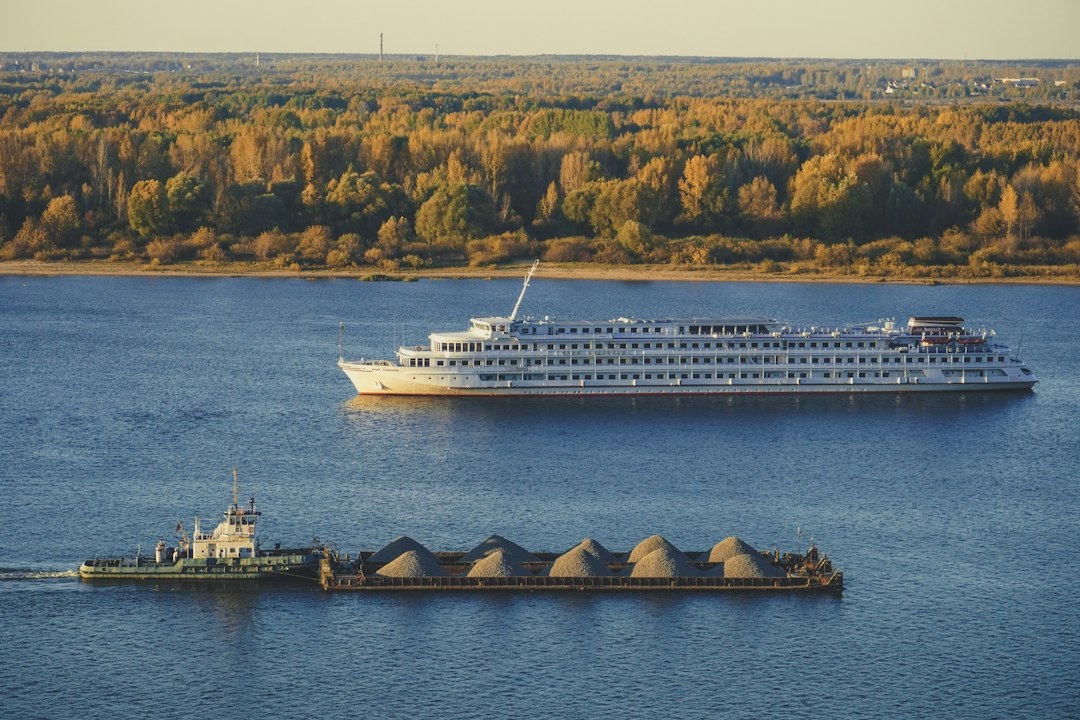
October can be the smartest month for a solo European river cruise—or an expensive week of coach substitutions and rain-smeared windows. Fares often fall 15–35% below September, autumn color peaks along parts of the Rhine and Danube, and the Douro remains pleasantly warm, but daylight shrinks quickly and single supplements can erase every shoulder-season saving.
Key Takeaways
- Seven-night October 2026 solo fares typically run from €1,615 with a waived supplement to more than €6,000 on premium double-occupancy cabins.
- The Rhine offers the best first-time itinerary, the Danube the strongest city sightseeing, and the Douro the warmest weather.
- Expect approximately 38–85 mm of October rain on Rhine and Danube routes versus 77–158 mm around the Douro.
- Book a waived-supplement cabin before chasing a discounted cruise fare; the supplement can add €1,500–€3,500.
- Leave one flexible night before your cruise because low water usually causes itinerary changes rather than outright cancellation.
Key Numbers at a Glance
| October factor | Rhine | Danube | Douro |
|---|---|---|---|
| Typical cruise length | 7 nights | 7 nights | 7 nights |
| Core route distance | Amsterdam–Basel: about 850 km | Passau–Budapest: about 550 km | Porto–Barca d’Alva: about 210 km one way |
| Typical October solo fare | €1,800–€5,800 | €1,750–€5,600 | €1,830–€5,900 |
| Approximate daytime high | 13–17°C | 14–18°C | 20–24°C |
| Monthly rain along route | 63–85 mm | 38–55 mm | 77–158 mm |
| Daylight, October 15 | About 10 hr 45 min | About 10 hr 50 min | About 11 hr 10 min |
| Principal disruption risk | Low water around the Middle Rhine | Low water on free-flowing sections | Rain and lock delays; lower low-water risk |
| Best for | First cruise and castle scenery | Solo city exploration | Warm weather, wine and scenery |
Weather figures represent rounded 1991–2020 climatological averages from national meteorological agencies and stations along each route. Conditions vary substantially from one October to another.
My Short Verdict: Yes, but Only at the Right Solo Price
An October river cruise is worth it for a solo traveler when the total cabin price is no more than roughly 35% above the advertised per-person double-occupancy fare. If a €2,500 cruise becomes €5,000 at checkout, skip it and look for a dedicated solo cabin or a zero-supplement departure.
The Rhine is my default recommendation. Its Amsterdam–Basel itinerary packs medieval towns, vineyard-covered gorges and major museums into roughly 850 river kilometers, while frequent railways provide useful backup if a port changes.
Choose the Danube if independent evenings matter more than continuous scenery. Vienna, Bratislava and Budapest are excellent after dark, particularly in late October when sunset arrives before 18:00 and you can see illuminated riverfronts without staying awake until midnight.
Choose the Douro if you hate cold rain but can tolerate fewer independent port options. October highs around Porto often reach 20–22°C, although the city’s monthly rainfall is roughly double Budapest’s.
Use this decision framework
- Choose the Rhine if this is your first river cruise, you want maximum scenery, or you need easy rail alternatives.
- Choose the Danube if you prioritize museums, cafés, classical music and evenings ashore.
- Choose the Douro if warmth, wine estates and a slower itinerary outweigh big-city sightseeing.
- Choose a dedicated solo sailing if meeting other independent travelers matters; a conventional luxury cruise can feel couple-heavy.
- Wait until 2027 if every available cabin carries a 75–100% supplement or your schedule cannot absorb a changed port.
Rhine vs Danube vs Douro: Weather, Rainfall and Daylight
“October weather” is too broad to be useful. Amsterdam can be windy and wet while Basel is dry; Porto may receive a heavy Atlantic downpour while the Douro Valley remains sunny.
| Location | Route | October high/low | October rainfall | Approx. wet days | Daylight Oct. 1 / Oct. 31 |
|---|---|---|---|---|---|
| Amsterdam | Lower Rhine gateway | 15°C / 8°C | 85 mm | 12 days | 11 hr 39 / 9 hr 38 |
| Cologne | Rhine | 15°C / 8°C | 63 mm | 10–11 days | 11 hr 41 / 9 hr 47 |
| Basel | Upper Rhine gateway | 16°C / 8°C | 73 mm | 9–10 days | 11 hr 43 / 9 hr 57 |
| Vienna | Danube | 15°C / 7°C | 41 mm | 7–8 days | 11 hr 42 / 9 hr 59 |
| Budapest | Danube | 17°C / 8°C | 38 mm | 7 days | 11 hr 42 / 10 hr 02 |
| Porto | Douro gateway | 21°C / 13°C | 158 mm | 12–13 days | 11 hr 47 / 10 hr 35 |
| Pinhão | Douro Valley | 22°C / 11°C | About 77 mm | 8–9 days | 11 hr 46 / 10 hr 34 |
The Danube wins on rainfall: Budapest receives around 38 mm during an average October, compared with Amsterdam’s 85 mm and Porto’s 158 mm. The Douro still wins on temperature because much of its rain arrives in intense bursts rather than continuous drizzle.
Early October is materially better for daylight. Amsterdam loses approximately two hours between October 1 and 31, and Europe changes from summer time on October 25, 2026, moving sunset an hour earlier by the clock.
For fall color, target October 10–25 on the Middle Rhine and upper Danube. Bavaria and Austria can look spectacular, but foliage timing moves by one or two weeks depending on overnight temperatures; the Douro’s attraction is golden vineyard terraces rather than forest color.
What to pack—not what cruise brochures suggest
Skip the bulky umbrella. Narrow medieval streets, wind and crowded walking tours make a waterproof hooded shell far more useful; a decent jacket costs €70–€150, versus €8 for a port umbrella that may not survive Cologne.
Bring waterproof walking shoes, a 10,000 mAh power bank and one smart-casual outfit. Most European river cruises do not require formalwear, so a suit wastes luggage space that is better used for layers.
River Levels and the Real Risk of Cancellations
River level is the issue travelers misunderstand most. A gauge reading is not the river’s depth, and there is no universal number at which every vessel stops; draft, hull design, cargo, locks and the operator’s risk tolerance all matter.
Rhine: watch Kaub, but do not obsess over one number
Kaub, in the Rhine Gorge, is the most watched gauge because the channel is relatively shallow. Commercial navigation continues at surprisingly low readings, but river cruise ships may offload water, reduce speed, swap passengers between sister ships or replace a segment by coach.
Use Germany’s free PEGELONLINE website or app. Check the trend over seven days rather than refreshing one reading: a falling level plus a dry 10-day forecast matters more than a single 85 cm number.
October carries a moderate low-water risk following a hot, dry summer, but conditions can recover quickly after autumn rain. The major 2018 low-water episode disrupted Rhine itineraries deep into October and November; that historical event is a warning, not an annual cancellation rate.
Danube: the weakest sections are not the locked city reaches
The upper and middle Danube mix free-flowing stretches with dams and locks. Operators pay particular attention to sections around Straubing–Vilshofen in Germany and some reaches east of Vienna, while central Vienna and Budapest can look perfectly navigable.
Consult DoRIS for Austrian navigation information and Germany’s PEGELONLINE for Bavarian gauges. RiverApp is more convenient on a phone, but official gauge services should settle any disagreement.
Douro: dams make levels steadier, locks create another constraint
The navigable Douro is controlled by five major Portuguese dams between Porto and Barca d’Alva. This reduces classic low-water risk, although heavy rain, lock maintenance, fog or operational restrictions can still alter a schedule.
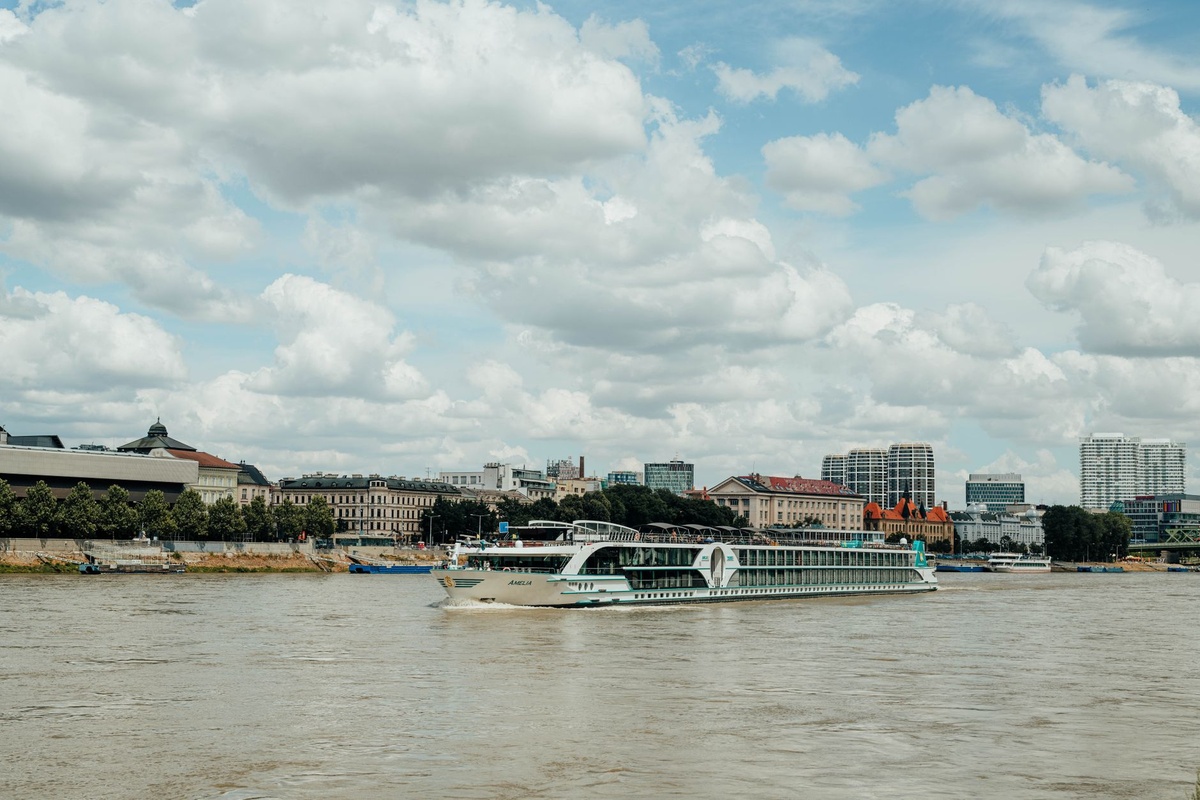
Douro vessels are built for its locks, including the Carrapatelo lock’s lift of approximately 35 meters. That engineering makes the cruise distinctive but leaves fewer alternatives when infrastructure closes.
How often are October cruises actually cancelled?
No major operator publishes an independently audited, route-by-route October cancellation percentage. Any website claiming that “only 2%” or “one in ten” cruises is cancelled without naming a fleet, period and definition is offering false precision.
Full cancellation is less common than itinerary degradation. The more realistic outcomes are a changed embarkation point, a 60–180 km coach transfer, shortened sailing, sister-ship swap or missed port.
| Problem | Most likely operator response | Impact on a solo traveler | What compensation may look like |
|---|---|---|---|
| Localized low water | Coach around shallow reach | 1–4 hours on a bus | Usually none if core trip continues |
| Long low-water section | Ship swap or hotel night | Repack once; altered excursions | Case-specific credit or partial refund |
| High water or bridge clearance | Wait, reroute or use coaches | Port times shortened | Depends on package terms |
| Operator cancels package | Refund or replacement departure | Flights and hotels may remain exposed | EU package refund generally due within 14 days |
Read the operator’s “changes to itinerary” clause before paying. EU package-travel protections are useful when an organizer cancels the package, but they do not guarantee compensation because Rüdesheim was replaced by a coach stop in Mainz.
Book flights on one reservation and insure independent hotels. I would spend €90–€160 on disruption-focused insurance for a €3,000 trip rather than prepay €300 for optional excursions that may move.
October 2026 Cabin Fares and Single Supplements
The headline fare is rarely the number a solo traveler pays. Most advertisements quote one person sharing a two-person cabin, so a 100% supplement turns a €2,400 fare into €4,800 before flights, gratuities or drinks.
The following are realistic October 2026 market examples and quote ranges available for comparable seven- or eight-night itineraries. Prices change by departure date, cabin deck, country of sale and promotion, so confirm the final solo total directly with CroisiEurope, Viking, Riviera Travel or Avalon Waterways.
| Route / cabin type | October 2026 fare per person sharing | Typical solo supplement | Estimated solo cabin total | Duration |
|---|---|---|---|---|
| Rhine, CroisiEurope standard cabin | €1,615–€2,250 | €0 promo to €850 | €1,615–€3,100 | 6–8 days |
| Rhine, Viking/Avalon veranda cabin | €2,900–€3,600 | 75–100% | €5,075–€7,200 | 8 days |
| Danube, CroisiEurope standard cabin | €1,750–€2,400 | €0 promo to €900 | €1,750–€3,300 | 6–8 days |
| Danube, premium veranda cabin | €2,750–€3,500 | 70–100% | €4,675–€7,000 | 8 days |
| Douro, standard lower-deck cabin | €1,830–€2,500 | €500–€1,000 | €2,330–€3,500 | 8 days |
| Douro, premium balcony cabin | €3,100–€4,000 | 60–100% | €4,960–€8,000 | 8–10 days |
Fare snapshot: October 2026 travel, expressed in euros for comparison. Inclusions vary; some premium fares bundle excursions, drinks and transfers. A planning conversion of €1 = US$1.10 makes €3,000 approximately US$3,300, but use the card network’s live exchange rate when booking.
American-market offers commonly advertise Rhine or Danube cabins around US$2,999–$3,999 per person sharing. At a 100% supplement, the solo bill becomes US$5,998–$7,998—far above a zero-supplement €2,200 European-market sailing.
How to find the genuinely good solo fares
- Search by total cabin price. Ignore “from €1,799 per person” until the booking engine shows one traveler.
- Look for fixed solo inventory. Riviera’s solo-focused departures and selected CroisiEurope supplement waivers are usually better than a generic 50%-off promotion.
- Compare inclusions. A €2,900 fare with six excursions and drinks can beat a €2,300 fare requiring €700 in add-ons.
- Price lower deck first. October daylight is limited and you will spend little time admiring the river from bed; upgrading can cost €600–€1,500.
- Check both regional websites. Consumer protections, currencies and inclusions differ, but book only through a market whose residency rules you satisfy.
Skip the balcony upgrade on the Douro unless private outdoor space is essential. Many “balconies” are French balconies rather than spaces large enough for a chair, while the sun deck provides a much better view of the terraced valley.
Which Route Offers the Best Solo Experience?
Rhine: best first cruise and best logistical backup
The classic route runs approximately 850 km between Amsterdam and Basel in seven nights. Highlights include Cologne Cathedral, the 65 km UNESCO-listed Upper Middle Rhine Valley, Strasbourg and fall color around the vineyards.
Solo logistics are unusually easy. Amsterdam Schiphol to Amsterdam Centraal takes 14–18 minutes by train and costs roughly €5.20, versus €45–€60 and 25–40 minutes by taxi to a central pier.
In Cologne, skip the ship’s generic “German dinner” add-on and walk to Früh am Dom, about 250 meters from the cathedral. Kölsch costs roughly €2.30 per 0.2-liter glass and a substantial pork dish is around €18–€24; it generally opens daily from 08:00 until midnight, but confirm same-day hours.
The downside is weather. The open sundeck may be unusable in rain or beneath low bridges, and October’s best castle views can coincide with a chilly 13°C headwind.
Danube: best for culture and independent evenings
A Passau–Budapest cruise covers about 550 km in seven nights, usually stopping around Linz, the Wachau Valley, Vienna and Bratislava. A guided city tour might cost €55–€90, while Vienna’s public transport makes independent exploration much cheaper: a 24-hour Wiener Linien ticket is €8.
Vienna rewards staying ashore after the group tour. Eat tafelspitz at Gasthaus Pöschl, where mains are approximately €17–€27, rather than paying €80 for a mass-market concert-and-dinner package; normal opening is around 12:00–23:00 Monday–Saturday, with hours subject to change.
For noctourism without an overnight club scene, Budapest is excellent. Tram 2 passes the illuminated Parliament for the price of a single BKK ticket—around HUF 500, roughly €1.25—versus €25–€35 for an evening sightseeing cruise that repeats the view from your ship.
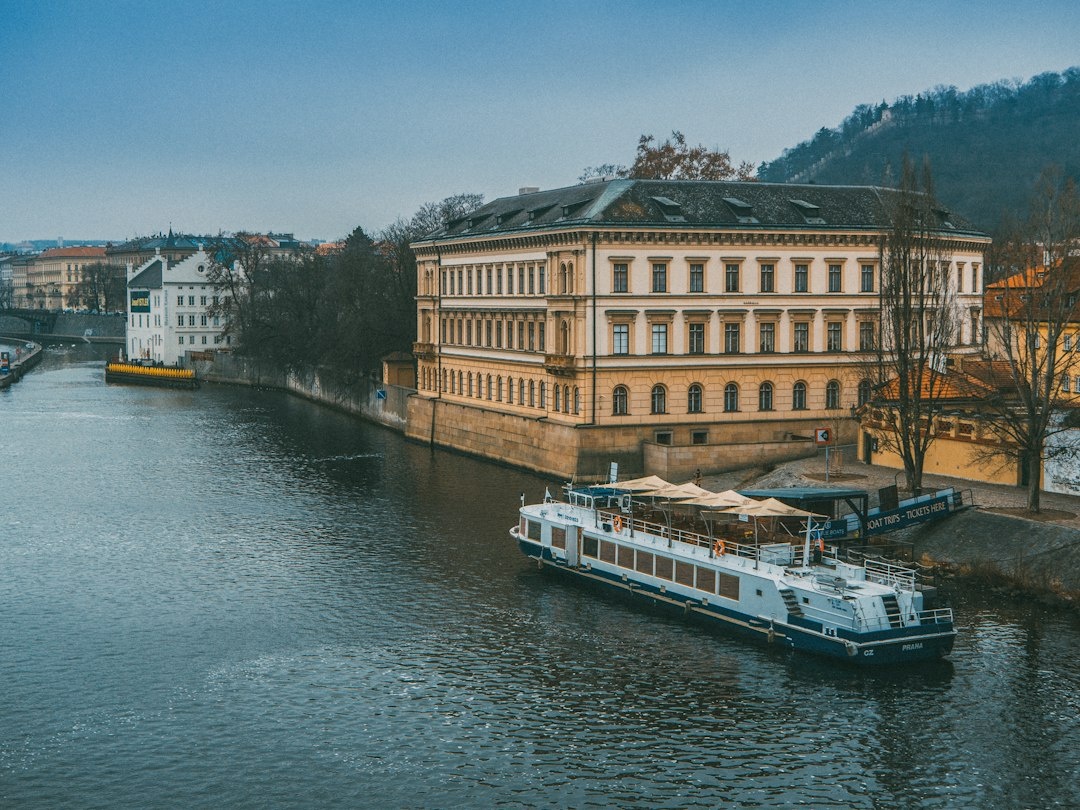
The social atmosphere depends heavily on the operator. A dedicated solo departure creates shared tables and natural conversation; on an upscale couples-oriented ship, dinner can feel awkward unless open seating is actively managed.
Douro: best weather, wine and slower travel
Douro cruises generally sail about 210 km from Porto to Barca d’Alva, then return, creating roughly 420 km of river travel. Scenic sailing is the main event, while smaller ports such as Pinhão and Régua have fewer independent attractions than Cologne or Vienna.
Porto Airport to Trindade takes around 30 minutes on Metro Line E. The Andante card and journey cost approximately €2.85 combined, compared with €25–€35 and 20–30 minutes by taxi.
Reserve Taberna dos Mercadores for a pre-cruise dinner; the tiny Ribeira restaurant serves Portuguese seafood mains around €20–€30 and is commonly open for lunch and dinner with a break between services. Skip the riverfront restaurants displaying laminated paella photographs.
October follows the main grape harvest, so winery activity is quieter but the terraces remain golden. Quinta tours typically cost €25–€45, compared with €90–€140 for a ship-sold excursion including transport and lunch.
A Costed Seven-Night Solo Plan
This sample budget uses a lower-deck Douro cabin with a modest supplement. It is not the cheapest possible trip, but it reflects what a solo traveler is likely to pay after adding the easily forgotten items.
| Item | Cost, October 2026 | Notes |
|---|---|---|
| Seven-night cruise | €2,330 | €1,830 base fare plus €500 solo supplement |
| One pre-cruise Porto hotel night | €125 | Central three-star room with breakfast |
| Airport and local transport | €18 | Metro plus two local journeys |
| Two independent meals | €65 | Dinner €40, lunch €25 |
| Independent winery visit | €35 | Tasting and tour |
| Gratuities | €84 | Budget €12 per cruise day |
| Travel insurance | €120 | Indicative for an adult under 65 |
| European eSIM/data | €15 | Small regional plan for maps and messaging |
| Total excluding flights | €2,792 | Approximately US$3,071 at €1 = US$1.10 |
A comparable premium balcony cruise at €5,500 solo would push the same trip above €5,960 before flights. I would take the €2,792 plan and spend the €3,000 difference on another week in Portugal.
Booking, Connectivity and Useful Travel Tech
Book the cruise directly or through a river-cruise specialist who will provide the final solo price in writing. Confirm port taxes, drinks, gratuities, airport transfers and the exact cabin window configuration; lower-deck “windows” may sit near water level and may not open.
Download the operator’s app, Google Maps offline areas, Google Translate’s German or Portuguese language pack, and the relevant river gauge app. Ship Wi-Fi is often sufficient for messages but may drop in the Rhine Gorge or remote Douro Valley, so do not schedule a critical video meeting during sailing.
For mobile data, compare your carrier’s roaming rate with a European eSIM from Airalo. Install and test the eSIM before embarkation; concrete locks and steel cabins can weaken both cellular and ship Wi-Fi signals.
Windy is useful for rain radar and wind, while Sun Surveyor or PhotoPills helps predict when fading October light will hit the vineyard side of the river. A €15 data plan is more useful than a €40 ship photo package.
Common October River Cruise Mistakes
- Booking the headline fare: A €2,000 advertised rate can become €4,000 once one-person occupancy is selected.
- Flying in on embarkation day: Arrive at least one night early; missing a moving ship can require a €150–€400 rail-and-taxi chase.
- Assuming “cancelled” is the only risk: A cruise can legally operate while replacing two scenic days with buses.
- Buying every excursion: Vienna’s €8 transit pass beats a €69 panoramic coach tour for confident independent travelers.
- Choosing a cabin by deck alone: Check proximity to engines, reception and stairwells; noise matters more than an extra 50 cm of window.
- Ignoring daylight loss: Late-October departures have roughly two fewer daylight hours than October 1 sailings.
- Expecting peak foliage everywhere: Rhine and Danube color is plausible; the Douro offers vineyard gold, not New England-style forest displays.
- Overpacking formal clothes: Most lines are smart-casual, and laundry may cost €3–€6 per item.
Final Verdict: Book the River, Not the Brochure Price
October river cruises are worth it for solo travelers when the supplement is waived or capped, the itinerary has strong independent ports, and you accept that low water may turn part of the cruise into a road trip. The Rhine is the safest all-round choice, the Danube is best for culture after dark, and the Douro delivers the warmest days.
Start with the one-person checkout price, then compare inclusions and disruption clauses—not chandeliers, staged cabin photos or a vague “save 40%” banner. Bookmark this guide, monitor river trends seven days before departure, and choose the October sailing whose total solo cost still leaves room for a pre-cruise night and proper insurance.
Frequently Asked Questions
Are October river cruises worth it for solo travelers?
Yes, if the single supplement is no more than about 35% or is waived entirely. October fares can be 15–35% below September, but a 100% supplement eliminates that saving.
Which European river cruise is best in October?
The Rhine is best for first-time cruisers and fall scenery, while the Danube is stronger for cities and relatively low rainfall. Choose the Douro for temperatures around 20–24°C and wine-country landscapes.
How much does an October 2026 river cruise cost for one person?
Budget approximately €1,615–€3,500 for a standard cabin with a low or waived supplement. Premium veranda cabins can cost €5,000–€8,000 for solo occupancy before flights.
Do Rhine and Danube cruises get cancelled because of low water?
Full cancellations occur, but bus substitutions, changed ports and ship swaps are more common. Operators do not publish audited October cancellation percentages, so read the itinerary-change clause and buy disruption insurance.
Is the Rhine, Danube or Douro driest in October?
The Danube is generally driest, with Budapest averaging about 38 mm of October rain versus 63–85 mm on much of the Rhine. Porto averages roughly 158 mm, although the inland Douro Valley is considerably drier.

About the Author: Tomáš Bzirský
Founder and editor of Distratech. Based in the Czech Republic, travelling regularly from Central Europe. Writes practical travel guides and travel-tech comparisons (eSIM, apps, airports) in six languages.