The famous North Coast 500 tries to squeeze 516 miles into one headline route; this locally informed alternative covers roughly 440 miles over eight days, keeps most driving below two hours, and plans every demanding stretch around toilets, fuel and step-free stops. It is the Highlands at a humane pace—especially valuable in October, when russet hills, quieter roads and lower hotel rates come with shorter daylight and rapidly changing weather.
Key Takeaways
- Allow eight days for approximately 440 miles, with only one scheduled driving day above two hours.
- A realistic October 2026 budget is €2,780–€3,350 for two, including an automatic rental car and seven hotel nights.
- Skip the Bealach na Bà in poor visibility; the Shieldaig coastal route is about 22 miles longer but less steep.
- Refuel in Inverness, Lochcarron, Applecross, Gairloch and Ullapool rather than waiting for the tank warning light.
- Book accessible rooms directly because “ground floor” does not always mean step-free in older Highland hotels.
Key Numbers at a Glance
This itinerary averages about 63 miles between overnight bases, compared with 100–150 miles on hurried NC500 schedules. Prices below use an October 2026 planning exchange rate of £1 = €1.17; card issuers may use a slightly different rate.
| Trip detail | Practical figure |
|---|---|
| Total duration | 8 days / 7 nights |
| Approximate distance | 440 miles / 708 km |
| Longest planned transfer | Inverness–Lochcarron, 66 miles / 1 hr 35 min |
| Slowest road | Applecross–Gairloch, 58 miles / roughly 2 hr without stops |
| Estimated fuel | 45–51 litres, approximately €79–€93 in October 2026 |
| Typical automatic rental | €500–€650 for eight days, excluding excess reduction |
| October daylight | Approximately 11 hours early in the month; under 9.5 hours by October 31 |
| Comfortable total budget for two | €2,780–€3,350, excluding flights |
Why This Route Works Better Than the Full NC500
The route was designed around advice repeated by Highland accommodation owners, community filling stations and local road-safety guidance: reduce mileage, avoid rigid arrival times and never assume the next village has an open toilet. It uses the dramatic west coast without committing to the northern NC500’s long, exposed sections around Durness and Tongue.
The standard NC500 requires at least 516 miles before detours; this plan covers approximately 440 miles and gives Ullapool a non-driving day. That difference matters more than it sounds: 50 miles on single-track Highland roads can take two hours rather than the 55 minutes suggested by urban driving habits.
A Simple Decision Framework
- Choose this eight-day route if either traveler tires after two hours at the wheel, needs predictable toilet stops, or prefers one principal activity each day.
- Choose the full NC500 only if both travelers are comfortable with repeated 3–4-hour driving days and remote single-track roads.
- Choose the Bealach na Bà if the road is dry, visibility is good and the driver is confident with gradients approaching 20%.
- Choose the Shieldaig coastal route if there is fog, frost, strong wind, low cloud or anxiety about hairpins; it is longer but avoids the pass’s steepest section.
- Choose May or September if maximum daylight matters; choose October for quieter roads, autumn color and rooms that can cost 10–25% less.
Skip the “complete the route at all costs” mentality. Do Applecross properly, retain a weather buffer in Ullapool, and finish with Dornoch’s level center instead.
The Eight-Day Route
Day 1: Arrive in Inverness and Collect the Car
Collect the rental car at Inverness Airport, then drive 10 miles to the city in approximately 20 minutes. A taxi costs roughly £25–£35 (€29–€41), while the airport bus is about £6 (€7) per person and takes around 30 minutes; the bus is cheaper, but it complicates collecting a rental car the following morning.
Reserve an automatic at least six weeks ahead. An eight-day compact automatic typically costs €500–€650 in October 2026, versus €360–€470 for a manual; automatics are scarcer and disproportionately expensive when booked late.
Spend the afternoon on the level riverside path between Ness Bridge and Inverness Cathedral. The walk can be as short as 0.8 mile return, whereas the full Ness Islands loop is approximately 3 miles and includes more uneven surfaces.
For dinner, book The Mustard Seed, where two-course early-evening menus are commonly around £25–£30 (€29–€35) per person and main courses generally land near £20–£30 (€23–€35). Its staircase can be an issue, so request the accessible ground-floor dining area when reserving.
Toilets and access: Eastgate Shopping Centre provides lifts and accessible toilets during center hours, generally 9:00–18:00 Monday–Saturday and shorter Sunday hours. It is a more dependable stop than hoping a small café will have a customer toilet.
Fuel: Fill up in Inverness even if the rental agency supplies a nearly full tank. City petrol stations are commonly open 06:00–22:00 or 24 hours, while west-coast pumps may be card-only or temporarily unavailable.
Day 2: Inverness to Lochcarron
Distance: 66 miles / 106 km. Wheel time: approximately 1 hour 35 minutes, or 3.5 hours with two relaxed stops.
Take the A835 and A832 through Garve and Achnasheen, then turn onto the A890 for Lochcarron. This is quicker and less tiring than adding Eilean Donan Castle, which increases the day by approximately 35 miles and at least 75 minutes.
Stop first at Rogie Falls, 20 miles from Inverness. The main viewpoint involves woodland paths and gradients, so travelers with limited mobility should treat it as optional; the return walk is roughly 0.7 mile, compared with a few dozen yards from the car at easier roadside viewpoints later in the trip.
Achnasheen is the practical break. The village lies approximately 37 miles from Inverness and has public conveniences near the station area, although Highland public-toilet hours and seasonal availability can change; carry a RADAR key and check the Highland Council public-convenience map before departure.
Reach Lochcarron by mid-afternoon and stop rather than pushing over the Applecross pass. Splitting here limits the day to 66 miles; driving directly from Inverness to Applecross can take 2 hours 30 minutes before weather, photographs or slow traffic.
Fuel: Lochcarron Garage is the key refill point. Staffed hours are typically daytime business hours, while any unattended payment facility should be confirmed locally; top up here even if the gauge remains above half.
Sleep: Lochcarron Hotel’s October doubles commonly start around £140–£165 (€164–€193). Ask about entrance steps, shower configuration and bedroom location before paying—“sea view” often matters less than avoiding stairs.
Day 3: Lochcarron to Applecross—Pass or Coastal Road?
The direct route over the Bealach na Bà is only about 24 miles, yet it can take 50–70 minutes because of hairpins, gradients and photo traffic. The alternative via Shieldaig is roughly 46 miles and 1 hour 25 minutes, but its gradients are less intimidating.
| Applecross approach | Distance | Typical drive | Best for | October drawback |
|---|---|---|---|---|
| Bealach na Bà | 24 miles / 39 km | 50–70 min | Confident drivers in clear, dry weather | Fog, frost and wind can make it unpleasant or unsafe |
| Via Shieldaig coast | 46 miles / 74 km | 1 hr 25 min | Cautious drivers and passengers sensitive to steep drops | Longer single-track section with fewer facilities |
Check the Met Office forecast and Traffic Scotland immediately before leaving. If visibility on the high ground is poor, skip the pass; there is no prize for driving into cloud.
On single-track roads, use a passing place on your left or wait opposite one on your right. Never park in a passing place, and allow following traffic to overtake—locals may need to reach work, school or a medical appointment.
Applecross village is small enough for a quiet afternoon. The shoreline near the inn is flatter than many Highland attractions, though surfaces can be gravelly and wet.
Food: The Applecross Inn is the obvious choice, and in this case the obvious choice is the right one. Expect approximately £19–£28 (€22–€33) for seafood mains; October service can be reduced, so reserve dinner and confirm hours directly rather than trusting an old Google listing.
Fuel and toilets: The community-owned Applecross filling station has an automated card pump intended for round-the-clock use, but machines and card connections can fail. Public conveniences are available in the village area seasonally; the inn and campsite provide useful backups for customers.
Sleep: Applecross Inn rooms often cost approximately £175–£210 (€205–€246) including breakfast in October. Availability, not price, is the main problem: five or six months’ notice is safer than five or six weeks.
Day 4: Applecross to Gairloch
Distance: approximately 58 miles / 93 km. Wheel time: about two hours, though four hours is more realistic with stops.
Follow the coastal road through Shieldaig and Torridon rather than returning over the Bealach. It is slower than a conventional A-road but gives better access to sea views and keeps the day below 60 miles.
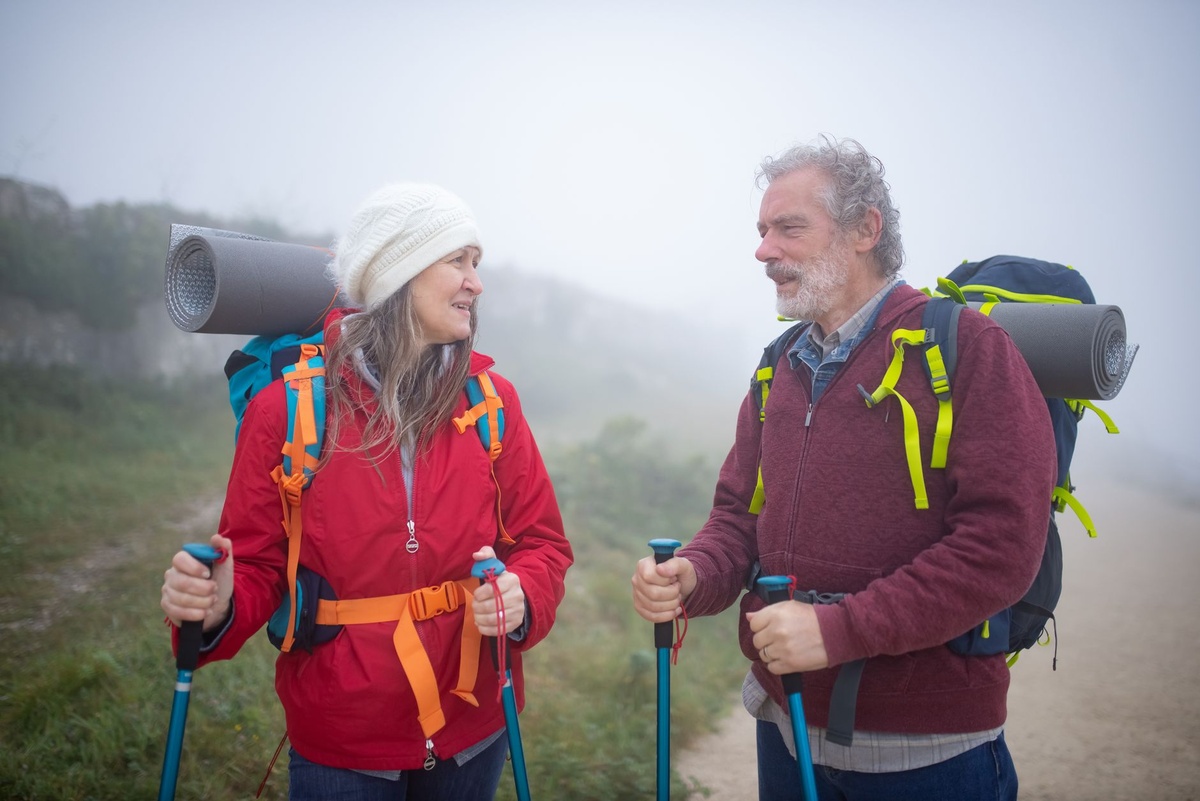
Make Shieldaig the first comfort stop, approximately 25 miles from Applecross. The waterfront public toilets are more useful than an ambitious early walk, and the village’s relatively level shore road provides an easy 10–20-minute leg stretch.
In Torridon, stop only if parking is straightforward. The mountain trails are beautiful but often rocky, boggy and steep; for this trip, skip a token hike and use the viewpoints around Upper Loch Torridon instead.
Gairloch has a supermarket, pharmacy, cafés and fuel, making it a sensible overnight base rather than another beauty stop with no services. The GALE Centre is a good daytime pause for local information and crafts; typical hours are around 10:00–16:00, but autumn schedules should be checked.
Fuel: Refill at Gairloch Filling Station. Applecross to Ullapool is possible on one tank, but carrying that uncertainty into a remote trip saves little—perhaps five minutes—and adds needless stress.
Sleep: Expect £125–£170 (€146–€199) for an October double in Gairloch. Confirm whether the property has a lift; several traditional hotels have ground-floor public rooms but stair-only bedrooms.
Day 5: Gairloch to Ullapool
Distance: 56 miles / 90 km. Wheel time: 1 hour 30 minutes, plus stops.
The A832 passes Loch Maree before turning north through Dundonnell. Compared with the Applecross coast, this road has more two-lane sections and is easier, but blind bends and wandering deer still rule out rushing.
Victoria Falls overlooking Loch Maree has parking close to the upper viewpoint, though the surface is uneven and the path can be slippery. A five-minute look from the accessible upper area is more sensible than descending farther after heavy October rain.
Stop at the Dundonnell Hotel for coffee or lunch if open; it breaks the journey approximately 30 miles from Gairloch. A soup-and-sandwich lunch generally costs £12–£18 (€14–€21), compared with approximately £25–£35 (€29–€41) for a full restaurant meal.
Arrive in Ullapool by 15:00 and park once. The central waterfront, ferry terminal, shops and several restaurants sit within roughly half a mile, although dropped kerbs and pavements are not perfectly consistent.
Toilets and access: Ullapool ferry terminal is the most dependable central facility during operating hours and has accessible provision. Ferry schedules influence opening, so use the terminal earlier in the day rather than assuming late-evening access.
Fuel: Lochbroom Garage is the main local option. Fill today, not on the morning of the Dornoch drive, when an unexpected queue or pump fault could disrupt the schedule.
Sleep: Harbour House is a stronger comfort choice than the cheapest old coaching hotels, with October doubles often around £155–£210 (€181–€246). For broader availability, compare hotels in Ullapool, then telephone the property to verify lift access, shower thresholds and parking distance.
Day 6: Ullapool Without the Car
A zero-transfer day is the feature most rushed Highland itineraries omit. Two consecutive nights also reduce packing and check-in effort by roughly an hour, compared with moving hotels yet again.
Start at the Ullapool Museum, housed in a former church on West Argyle Street. Seasonal admission is typically around £5–£7 (€6–€8), and autumn hours are commonly reduced from the summer schedule; check ullapoolmuseum.co.uk before visiting.
Walk the waterfront in short sections, using benches near the harbor. A full circuit around town is about 1.5 miles, but a 0.4-mile out-and-back provides the same sea and mountain outlook without turning the day into an endurance exercise.
For lunch, choose the Seafood Shack when it is open. Dishes commonly cost £10–£18 (€12–€21), versus £20–£30 (€23–€35) for a sit-down seafood main; its outdoor format is less attractive in cold rain, and it may finish its season during October.
Bad-weather alternative: browse the independent shops around the harbor and have afternoon tea rather than forcing a scenic drive. This buffer day can also absorb an Applecross delay without sacrificing Dornoch.
Day 7: Ullapool to Dornoch
Distance: approximately 67 miles / 108 km directly. Wheel time: 1 hour 35 minutes, or approximately 2 hours with the Falls of Shin detour.
Take the A835 toward Inverness, then turn east through the quieter interior toward Lairg and the A9 corridor. This is more restful than adding the Black Isle and Cromarty, which would increase the day by roughly 35–45 miles.
Falls of Shin makes a useful toilet and café stop if facilities are operating, but waterfall access involves outdoor paths. After October rain, the water is often more impressive than in midsummer; wet leaves, however, make footwear grip essential.
Approach Dornoch via the A9 and Evelix rather than relying on tiny back roads suggested by navigation apps. Google Maps may save four theoretical minutes while sending drivers onto narrower roads with fewer passing opportunities.
Dornoch’s center is comparatively level and compact. The cathedral, town square and shops sit within a few hundred yards of one another, making it the easiest overnight base of the trip for travelers who dislike slopes.
Toilets and fuel: Public conveniences are available near the town center, with seasonal hours. Evelix Service Station on the A9 is the safer fuel stop before entering Dornoch; it has longer operating hours than many community pumps.
Dinner: Luigi is the town’s standout for seafood and Scottish produce. Budget £30–£45 (€35–€53) per person for two courses before drinks, compared with about £18–£25 (€21–€29) for pub dining.

Sleep: Dornoch Castle Hotel rooms often begin around £170–£230 (€199–€269) in October. For greater luxury, Links House can exceed £300 (€351) per night; spend that premium only if hotel time and service matter more than the road trip budget.
Day 8: Dornoch to Inverness
Distance: 44 miles / 71 km. Drive: approximately 50 minutes to central Inverness or 55–65 minutes to the airport.
Allow at least 90 minutes of contingency before the rental-car return. The A9 is faster than the west-coast roads, but bridge incidents, roadworks and agricultural traffic can still turn a 55-minute journey into 80 minutes.
If the flight leaves late, stop at Dunrobin Castle only if walking and stairs are manageable. Adult admission is generally around £16–£18 (€19–€21), and the gardens add substantial distance; Dornoch Cathedral is free and requires far less energy.
Return the car with a full tank and photograph the fuel gauge, mileage and all four sides. A city refill can be €0.05–€0.12 per litre cheaper than remote fuel, but detouring to save €3 is not worthwhile if it threatens the airport return time.
Where the Money Goes: October 2026 Budget for Two
This is a comfort-first road trip, not a shoestring itinerary. Seven private hotel nights form nearly half the cost, while attractions are modest because the landscapes, villages and viewpoints are largely free.
| Expense for two | Value option | Comfort plan | Notes, October 2026 |
|---|---|---|---|
| Automatic rental, 8 days | €500 | €650 | Compact automatic; excess reduction may add €120–€220 |
| Fuel, about 440 miles | €79 | €93 | Based on 45–51 litres and £1.50–£1.56 per litre |
| Seven hotel nights | €1,155 | €1,505 | Average €165–€215 nightly with breakfast |
| Lunches and snacks | €280 | €360 | Approximately €35–€45 per day for two |
| Dinners | €560 | €680 | Approximately €70–€85 nightly for two |
| Admissions and parking | €60 | €100 | Museum, optional castle and paid parking |
| Insurance and contingency | €146 | €162 | Allow more if rental excess is not covered |
| Total | €2,780 | €3,550 | Flights excluded |
To stay close to €2,800, book refundable rooms early and eat one substantial restaurant meal per day. Cutting hotel quality saves more than skipping attractions: reducing the nightly average by €30 saves €210, while omitting every paid sight may save only €60–€100.
Toilets, Fuel and Mobility: The Practical System
Highland public conveniences are not evenly distributed, and October brings seasonal closures. Plan a comfort stop every 60–75 minutes, compared with every two hours on a motorway journey.
| Location | Approximate distance from previous base | Toilet strategy | Fuel strategy |
|---|---|---|---|
| Inverness | Arrival point | Eastgate or accommodation | Fill completely |
| Achnasheen | 37 miles | Station-area public facility; verify seasonally | Do not depend on fuel here |
| Lochcarron | 29 miles | Waterfront/public facility plus hotel backup | Top up at Lochcarron Garage |
| Applecross | 24 or 46 miles | Village facility or customer facilities | Community card pump |
| Shieldaig | About 25 miles | Waterfront public toilets | Continue to Gairloch if adequately filled |
| Gairloch | About 33 miles | Community and customer facilities | Fill at Gairloch Filling Station |
| Ullapool | 56 miles | Ferry terminal during operating hours | Lochbroom Garage |
| Dornoch/Evelix | 67 miles | Town-center facilities | Use Evelix on the A9 |
Carry a RADAR key for locked accessible toilets and a small emergency kit containing tissues, hand sanitizer, water and disposal bags. A RADAR key costs roughly £5–£7 (€6–€8), far less than the stress caused by finding a locked facility.
Do not accept “accessible” as sufficient hotel information. Ask four specific questions: Is parking step-free to reception? Is there a lift? Is the shower walk-in? Is there a step between the bedroom and bathroom?
A rollator is more practical than a narrow indoor walking frame on waterfront gravel, but neither makes steep mountain paths accessible. Compare access reports on Euan’s Guide with recent guest photographs rather than relying solely on hotel marketing.
Driving and Tech Setup Before Leaving Inverness
Mobile coverage is improving, but Applecross and Torridon still have dead zones. Download Google Maps offline for the whole Highlands and install Organic Maps as a second offline option; two free map sources are safer than one live connection.
- Save every hotel, filling station, toilet and restaurant as a labeled pin.
- Take screenshots of booking confirmations and accessibility correspondence.
- Check the Met Office and Traffic Scotland each morning before breakfast.
- Carry a USB cable and 12V adapter; older rental cars may not have wireless charging.
- Keep a paper road map accessible rather than buried under luggage.
- Call 999 or 112 for emergencies and 101 for non-emergency police assistance.
EE often offers the strongest rural footprint, but no network covers every glen. A second SIM can improve resilience, although downloading maps matters more than chasing perfect signal.
Use navigation for orientation, not unquestioned routing. A signed A-road that takes five minutes longer is usually preferable to an app-generated shortcut along an unclassified single-track lane.
October Weather, Daylight and Packing
October is visually rewarding: bracken turns copper, deciduous woodland around Inverness and Rogie Falls changes color, and waterfalls strengthen as the wetter season begins. It is also a transition month, with average daytime temperatures often around 9–13°C and colder conditions on the Bealach.
Sunset moves from roughly 18:45 near the start of October to about 16:35 after the clock change at month’s end. A Day 3 departure at 09:30 leaves a comfortable margin; leaving at 13:00 can turn a scenic drive into an after-dark arrival.
Pack waterproof jackets, warm mid-layers and shoes with a grippy sole. An umbrella is less useful than a hood in west-coast wind, while trekking poles help on wet paths but add little on level village pavements.
Aurora season has started by October, but the Highlands are not a guaranteed northern-lights destination. Check cloud cover and aurora forecasts after dinner; do not drive unfamiliar single-track roads at midnight for a weak alert.
If autumn scenery is the main purpose of a European trip but driving feels too demanding, compare this itinerary with our guide to October’s Rhine Gorge, Semmering and Bohinj scenic railways. Rail offers less flexibility, but it removes the pass, parking and night-driving concerns entirely.
Common Mistakes to Avoid
- Trying to “complete” the NC500. Adding Durness and John o’ Groats creates at least two long driving days and removes the Ullapool recovery day.
- Trusting estimated map times. Add 25–40% on single-track sections; a mapped 60-minute journey can easily take 85 minutes.
- Leaving Inverness without a full tank. Remote fuel may be card-only, more expensive or temporarily unavailable.
- Assuming every café has a customer toilet. Small seasonal businesses may be closed two or three days per week in October.
- Booking a room described only as “ground floor.” There may still be entrance steps, gravel or a bath rather than a shower.
- Driving the Bealach because it is famous. In cloud, passengers see very little and the driver sees even less; use the coastal route.
- Starting scenic drives after lunch. October loses daylight quickly, especially after the final Sunday’s clock change.
- Parking in passing places. They are part of the road, not viewpoints, even when the scenery is exceptional.
The Verdict
This eight-day Inverness–Applecross–Ullapool–Dornoch circuit is the smarter Highlands road trip for a senior couple because it treats energy, access and facilities as core route-planning data—not awkward afterthoughts. The 440-mile total delivers the west coast’s strongest scenery while keeping the full-NC500 box-ticking to a minimum.
Book Applecross and an automatic car first, then build the remaining refundable rooms around them. Save the toilet and fuel table offline, share the itinerary with family, and leave enough flexibility to replace the Bealach with the coastal road when Highland weather makes the decision for you.
Frequently Asked Questions
How much does an eight-day Scottish Highlands road trip cost for two?
Budget approximately €2,780–€3,550 in October 2026, excluding flights. That includes seven hotel nights, an automatic rental, fuel, meals and modest admission costs.
Is the Bealach na Bà suitable for older drivers?
Age is less important than confidence, eyesight, weather and experience on steep single-track roads. In fog, frost or strong wind, take the Shieldaig coastal route; it is about 22 miles longer but avoids the pass’s steepest gradients.
Are there enough public toilets between Inverness and Applecross?
Yes, if stops are planned at Inverness, Achnasheen and Lochcarron, but seasonal opening cannot be assumed. Carry a RADAR key and use hotel or café facilities whenever available.
Is October a good month for a Highlands road trip?
October offers quieter roads, autumn color and stronger waterfalls, with daytime temperatures commonly around 9–13°C. The trade-off is shorter daylight, reduced business hours and possible frost on the Bealach na Bà.
How far should seniors drive each day in the Scottish Highlands?
Aim for 50–70 miles or no more than about two hours of actual wheel time. Single-track roads demand more concentration than motorways, so stop every 60–75 minutes rather than waiting for fatigue.

About the Author: Tomáš Bzirský
Founder and editor of Distratech. Based in the Czech Republic, travelling regularly from Central Europe. Writes practical travel guides and travel-tech comparisons (eSIM, apps, airports) in six languages.