Kyoto’s famous temples can look close together on a map while hiding steep stone staircases, gravel paths and 20-minute walks from the nearest bus stop. I compared 15 major temples using the factors that matter most after 65: steps, walking distance, places to sit, toilets, transport access, autumn congestion and realistic taxi costs.
Key Takeaways
- Higashi Hongan-ji is the easiest major Kyoto temple: free entry, almost no steps and only 700 meters from Kyoto Station.
- A Kyoto city bus costs ¥230 (€1.35) per ride in October 2026, while taxis from Kyoto Station to major temples cost approximately €7–€28.
- For three low-strain visits, choose Higashi Hongan-ji, Sanjūsangen-dō and Kennin-ji; skip Kiyomizu-dera at midday.
- Peak autumn congestion normally arrives from mid-November through early December, not during most of October.
- Budget approximately ¥12,010 (€70.65) per person for a comfortable three-temple day using taxis between stops.
Key Numbers at a Glance
The ranking assumes an independently mobile visitor who can manage some steps but prefers frequent rests. Distances cover the practical visitor route from the nearest useful bus stop or station—not simply the distance to the temple gate.
| Number | Planning figure | October 2026 comparison |
|---|---|---|
| City bus fare | ¥230 (€1.35) | Taxi journeys generally start around ¥500–¥600 (€2.95–€3.55) |
| Typical temple admission | ¥500–¥600 (€2.95–€3.55) | Higashi and Nishi Hongan-ji are free |
| Comfortable daily walking target | 3–5 km | A rushed east-Kyoto day can exceed 9 km |
| Best arrival time | Opening to 9:30 | Tour-bus congestion is usually worst from 10:30 to 15:30 |
| Taxi from Kyoto Station | ¥1,200–¥4,800 (€7.05–€28.25) | Bus costs €1.35 but can require standing for 35–55 minutes |
| Exchange rate used | ¥170 = €1 | All euro conversions dated October 2026 |
Important: step totals are route-based field estimates rather than official architectural counts. Side halls, gardens and temporary autumn routes can add hundreds of meters, and temple staff may alter accessible entrances during ceremonies.
How the 15 Kyoto Temples Were Ranked
Each temple received an accessibility score out of 100. Steps and walking distance account for 50% because they create the greatest physical strain; seating, toilets and transport make up another 35%, while autumn crowd pressure accounts for 15%.
- Steps, 25 points: fewer unavoidable steps scored higher.
- Walking, 25 points: based on the shortest worthwhile sightseeing route.
- Benches, 15 points: “good” means several realistic rest points, not a decorative rock beside a gift shop.
- Toilets, 10 points: preference went to facilities inside or immediately beside the grounds.
- Bus or rail access, 10 points: distance, frequency and likelihood of getting a seat were considered.
- Autumn crowds, 15 points: a score of five indicates severe bottlenecks and slow shuffling.
The fares below are daytime estimates from Kyoto Station in normal traffic. A ¥4,000 (€23.55) taxi shared by three people costs €7.85 each, often making it better value than three bus fares plus an exhausting transfer.
Complete Ranking: Steps, Benches, Crowds and Taxi Fares
| Rank and temple | Estimated unavoidable steps | Useful visitor route | Benches | Toilets | Nearest practical transit | Autumn crowds 1–5 | Taxi from Kyoto Station, Oct. 2026 | Score |
|---|---|---|---|---|---|---|---|---|
| 1. Higashi Hongan-ji | 0–10 | 700 m | Good | Yes | Karasuma Shichijo bus, 250 m | 2 | ¥1,200 / €7.05 | 94 |
| 2. Nishi Hongan-ji | 5–15 | 650 m | Good | Yes | Nishi-Honganji-mae, 100 m | 2 | ¥1,300 / €7.65 | 92 |
| 3. Sanjūsangen-dō | 5–15 | 650 m | Fair | Yes | Hakubutsukan-Sanjusangendo-mae, 80 m | 3 | ¥1,400 / €8.25 | 90 |
| 4. Kennin-ji | 10–20 | 750 m | Fair | Yes | Higashiyama Yasui, 350 m | 3 | ¥1,900 / €11.20 | 85 |
| 5. Ninna-ji | 15–30 | 900 m | Good | Yes | Omuro-Ninnaji Station, 200 m | 2 | ¥4,300 / €25.30 | 83 |
| 6. Kinkaku-ji | 15–25 | 1.1 km | Limited | Yes | Kinkakuji-michi, 300 m | 5 | ¥4,300 / €25.30 | 76 |
| 7. Ryōan-ji | 20–35 | 1.0 km | Fair | Yes | Ryoanji-mae, 100 m | 3 | ¥4,500 / €26.50 | 75 |
| 8. Tenryū-ji | 20–40 | 1.2 km | Fair | Yes | Randen Arashiyama, 250 m | 5 | ¥4,800 / €28.25 | 71 |
| 9. Nanzen-ji | 20–50 | 1.3 km | Fair | Yes | Keage subway, 650 m | 4 | ¥2,800 / €16.50 | 69 |
| 10. Eikan-dō | 35–70 | 1.2 km | Fair | Yes | Nanzenji-Eikando-michi, 300 m | 5 | ¥3,100 / €18.25 | 64 |
| 11. Tōfuku-ji | 35–60 | 1.5 km | Limited | Yes | Tofukuji Station, 750 m | 5 | ¥1,900 / €11.20 | 62 |
| 12. Ginkaku-ji | 35–60 | 1.4 km | Limited | Yes | Ginkakuji-mae, 450 m | 5 | ¥3,500 / €20.60 | 59 |
| 13. Kōdai-ji | 60–90 | 1.0 km | Fair | Yes | Higashiyama Yasui, 450 m uphill | 4 | ¥2,100 / €12.35 | 55 |
| 14. Chion-in | 80–120 via main gate | 1.1 km | Fair | Yes | Chion-in-mae, 450 m | 4 | ¥2,300 / €13.55 | 52 |
| 15. Kiyomizu-dera | 100–160 | 1.8–2.4 km | Limited | Yes | Kiyomizu-michi, 900 m uphill | 5 | ¥2,200 / €12.95 | 42 |
The 15 Temples, From Easiest to Hardest
1. Higashi Hongan-ji: Best Overall After 65
Higashi Hongan-ji offers enormous wooden halls without a hill, ticket queue or forced garden circuit. It is open approximately 5:50–17:30 from March through October, admission is free, and the broad forecourt makes turning back easy.
The temple is a 10-minute, 700-meter walk from Kyoto Station, versus a ¥1,200 (€7.05), five-minute taxi. There are a few steps into the halls, but ramps and level approaches are normally available; remove shoes only if you are comfortable walking on polished wooden floors.
2. Nishi Hongan-ji: Best Free Alternative
Nishi Hongan-ji opens around 5:30–17:00 and costs nothing. Its monumental halls and celebrated ginkgo tree deliver more atmosphere per meter than many paid gardens.
Bus 9 or 28 stops about 100 meters away for ¥230 (€1.35), while a taxi from Kyoto Station takes roughly six minutes and costs ¥1,300 (€7.65). Choose Nishi over Higashi if you want a quieter UNESCO-listed complex; choose Higashi if proximity to the station matters more.
3. Sanjūsangen-dō: Best Rainy-Day Temple
The hall containing 1,001 statues of Kannon is long but almost completely flat. Opening hours are 8:30–17:00 from April 1 through November 15, with last admission 30 minutes before closing; entry is ¥600 (€3.55).
Its interior is sheltered, making it far easier than a wet gravel garden. The bus takes about 12 minutes from Kyoto Station for €1.35, versus a five-minute taxi for approximately €8.25.
4. Kennin-ji: Best Easy Temple in Gion
Kennin-ji gives you Zen gardens, painted screens and the dramatic Twin Dragons ceiling without an uphill approach. It generally opens 10:00–17:00, with entry ending at 16:30, and admission is ¥600 (€3.55).
Expect about 750 meters inside, including wooden corridors and several places to sit facing the gardens. Skip the crowded uphill push to Kiyomizu-dera and do Kennin-ji plus flat Gion lanes instead if knees are already protesting.
5. Ninna-ji: Most Underrated Low-Crowd Choice
Ninna-ji is less convenient from central Kyoto but much calmer than nearby Kinkaku-ji. The palace gardens generally open 9:00–17:00 from March through November, with last entry at 16:30; palace admission is approximately ¥800 (€4.70), while parts of the grounds are free.
Take the Randen tram to Omuro-Ninnaji, leaving a level 200-meter approach. A Kyoto Station taxi costs about €25.30, so the train-and-tram journey wins on price, while a taxi wins if three travelers can split the fare.
6. Kinkaku-ji: Easy Terrain, Difficult Crowds
The Golden Pavilion’s one-way garden loop is only about 1.1 kilometers and has relatively few steps. Admission is ¥500 (€2.95), and opening hours are 9:00–17:00.
The problem is congestion, not gradient. Arrive at 8:45 for the opening queue; by 11:00, narrow viewpoints can become a slow-moving wall of visitors, especially during Japan’s autumn foliage season.
Bus 205 or 206 can take 45–55 minutes from Kyoto Station and may require standing, while a taxi takes approximately 25–35 minutes for €25.30. For two or three older travelers, I would pay for the taxi outward and use public transport after lunch.
7. Ryōan-ji: Manageable, but Not Step-Free
Ryōan-ji’s famous rock garden has seating along the wooden veranda, one of Kyoto’s most rewarding places for a proper rest. Entry is ¥600 (€3.55), and March–November hours are normally 8:00–17:00.
The full pond-and-garden circuit approaches one kilometer, but you can shorten the visit by going directly to the rock garden. Combine it with Ninna-ji by taxi for roughly ¥1,200 (€7.05), rather than forcing a longer bus connection.
8. Tenryū-ji: Best Arashiyama Compromise
Tenryū-ji is relatively level at the main hall but its garden rises gradually toward the Bamboo Grove exit. Garden entry is ¥500 (€2.95); entering the buildings adds ¥300 (€1.75), for a total of ¥800 (€4.70).
It generally opens 8:30–17:30, with earlier closing in winter. The Randen station is only 250 meters away, but JR Saga-Arashiyama is approximately 900 meters away and becomes tiring when platforms and crowds are included.
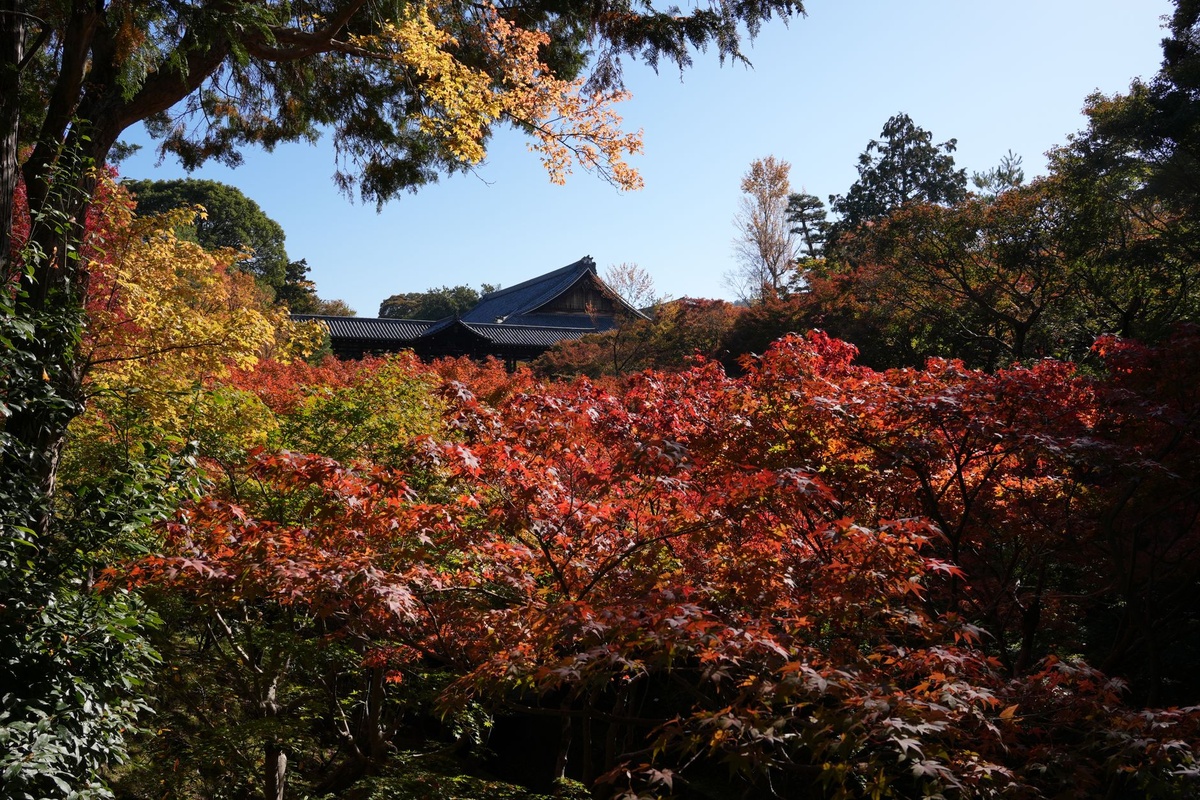
Skip the entire Bamboo Grove–Monkey Park circuit, which can exceed 4 kilometers. Visit Tenryū-ji at 8:30, use the north exit for a short bamboo view, then take a taxi back from central Arashiyama.
9. Nanzen-ji: Spacious but Spread Out
The grounds are free, but the Hōjō garden costs approximately ¥600 (€3.55) and opens 8:40–17:00 through November. The famous aqueduct area is relatively level, while the Sanmon gate should be viewed from below rather than climbed.
Keage subway station is 650 meters away and requires an incline and tunnel approach. A taxi from Kyoto Station costs around ¥2,800 (€16.50), compared with ¥260 (€1.55) for the subway plus the longer walk.
10. Eikan-dō: Spectacular Autumn Color at a Physical Cost
Eikan-dō is one of Kyoto’s strongest autumn gardens, but halls connected along a hillside mean repeated steps and shoe changes. Standard admission is usually ¥600 (€3.55), while the special autumn exhibition often rises to around ¥1,000 (€5.90); 2026 event dates and evening illumination prices should be checked on the official Eikan-dō website.
Normal hours are around 9:00–17:00, with last entry at 16:00. October brings early color and lighter crowds, but the maple peak usually falls from mid-November into early December, when queues and illuminated-night events make the visit substantially harder.
11. Tōfuku-ji: Flat Bridges, Long Approach
Tōfuku-ji looks straightforward until the 750-meter walk from the station and sprawling grounds are counted. Regular entry to the Tsūtenkyō area is approximately ¥600 (€3.55), but peak autumn pricing can rise to about ¥1,000 (€5.90).
The temple generally opens 9:00–16:30 from April through October, with seasonal adjustments in November and December. Take a taxi directly to the entrance for about €11.20 from Kyoto Station; it saves roughly 1.5 kilometers across a return visit.
12. Ginkaku-ji: A Short Garden with a Steep Section
Ginkaku-ji costs ¥500 (€2.95) and opens 8:30–17:00 from March through November. Its lower garden is manageable, but the prescribed circuit climbs to a hillside viewpoint before descending on uneven stone.
Ask staff whether you may omit or reverse the upper loop; operational rules can change with crowd direction. The bus costs €1.35 but leaves a 450-meter approach, while a taxi from Kyoto Station costs approximately €20.60.
13. Kōdai-ji: Beautiful, but Expect Stairs
Kōdai-ji opens 9:00–17:30, with last entry around 17:00, and charges ¥600 (€3.55). Seasonal night illuminations may continue later and require a separate or higher-priced ticket.
The uphill approach from Higashiyama Yasui is followed by stairs within the garden, adding roughly 60–90 steps. Skip the full bamboo and mausoleum loop if balance is uncertain; Kennin-ji offers comparable Zen atmosphere with fewer vertical challenges.
14. Chion-in: Use the Accessible Route, Not the Grand Staircase
Chion-in’s huge Sanmon gate fronts an intimidating stone staircase. The main grounds are free, while the garden is usually around ¥300 (€1.75); precinct access begins early, but paid garden hours are commonly around 9:00–16:00.
Do not climb the ceremonial staircase simply because navigation apps place you there. Ask staff or your driver for the gentler north-side vehicle and accessible approach; it can reduce the stair count dramatically, though temporary restrictions are possible.
15. Kiyomizu-dera: The Hardest Famous Temple After 65
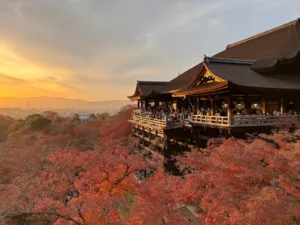
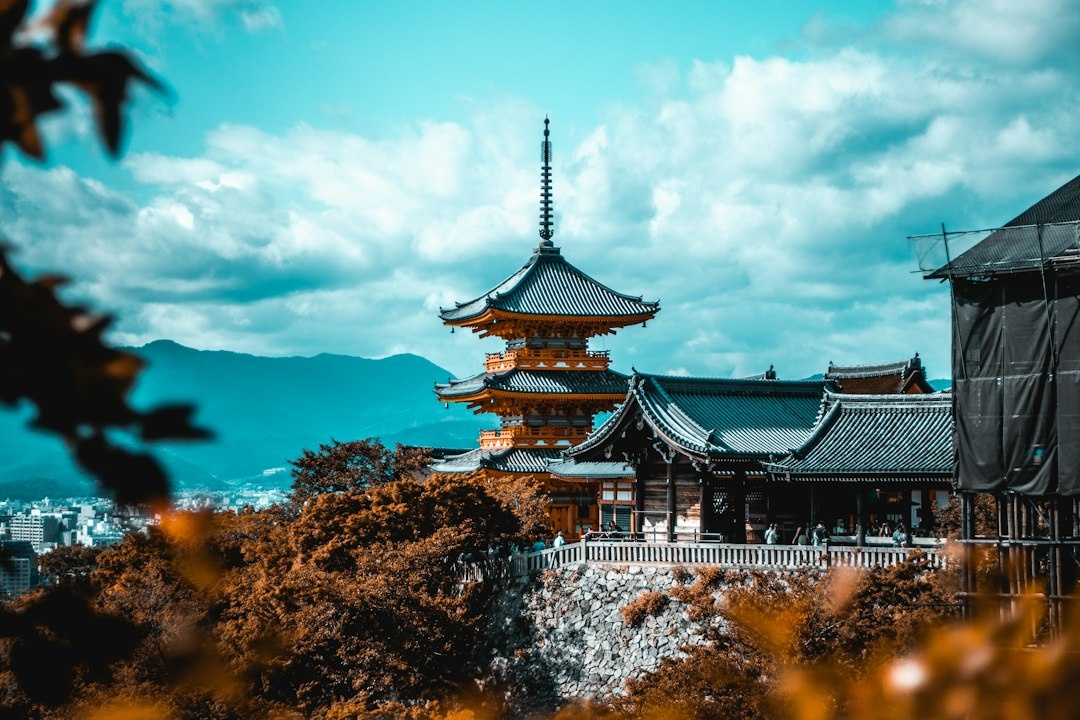
Kiyomizu-dera is not impossible, but it combines nearly every difficult variable: an 800–900-meter uphill approach, dense pedestrian traffic, stone steps and a one-way route of up to 2.4 kilometers. Admission is ¥500 (€2.95), and the temple normally opens at 6:00, closing at 18:00 outside special illumination periods.
Go at 6:30–7:30 or skip it. At 11:00, the lanes of Ninenzaka and Sannenzaka can become more exhausting than the temple itself, particularly during autumn weekends.
A taxi from Kyoto Station costs about ¥2,200 (€12.95), but drivers may have to stop below the final approach. Compare that with a €1.35 bus to Gojo-zaka followed by the same punishing uphill walk: the taxi is the obvious choice for most visitors over 65.
Decision Framework: Which Temple Should You Choose?
- Choose Higashi Hongan-ji if you want the easiest, cheapest major temple with minimal transport friction.
- Choose Sanjūsangen-dō if rain, heat or balance makes outdoor gardens difficult.
- Choose Kennin-ji if you want one accessible temple combined with Gion, cafés and an easy taxi pickup.
- Choose Ninna-ji if avoiding crowds matters more than seeing Kyoto’s headline icons.
- Choose Kinkaku-ji if this is your first trip and the Golden Pavilion is non-negotiable—but arrive at opening.
- Choose Nanzen-ji if you prefer broad grounds and the freedom to shorten your route.
- Choose Eikan-dō for peak foliage only if you can manage repeated steps and arrive before 9:00.
- Choose Kiyomizu-dera only if you can handle a prolonged incline; otherwise see Kennin-ji and Kōdai-ji’s lower area.
A Comfortable Three-Temple Day With Costs
This plan prioritizes quality over temple collecting. It covers roughly 3.5 kilometers on foot, compared with 8–10 kilometers on a typical Kiyomizu–Ginkaku-ji sightseeing day.
- 08:00: Taxi from your hotel or Kyoto Station to Sanjūsangen-dō; visit when the hall is quiet.
- 09:30: Taxi to Higashi Hongan-ji and sit inside the vast Goei-dō hall.
- 11:15: Lunch near Kyoto Station at Honke Daiichi-Asahi for ramen, or choose the quieter Katsukura in Kyoto Porta for tonkatsu.
- 13:00: Taxi to Kennin-ji; spend 60–75 minutes with the gardens.
- 15:00: Tea at Gion Komori beside the Shirakawa canal rather than joining the queue at tourist-heavy % Arabica Higashiyama.
- 16:15: Taxi back before evening traffic intensifies.
| Item for one traveler | Japanese yen | EUR, October 2026 |
|---|---|---|
| Sanjūsangen-dō admission | ¥600 | €3.55 |
| Higashi Hongan-ji admission | Free | €0 |
| Kennin-ji admission | ¥600 | €3.55 |
| Four daytime taxis | Approx. ¥6,800 | €40.00 |
| Tonkatsu lunch | ¥2,400 | €14.10 |
| Tea and dessert | ¥1,200 | €7.05 |
| Water and contingency | ¥410 | €2.40 |
| Total | ¥12,010 | €70.65 |
Split those taxis between two people and the effective total falls to about ¥8,610 (€50.65) each. Replacing all four taxis with buses saves approximately €35, but adds transfers, waiting and up to 90 minutes of travel.
Where to Stay for Easier Temple Days
Stay within 300–500 meters of Kyoto Station if elevators, taxi ranks and direct airport transport matter. Check hotels in Kyoto, but verify that the room has a step-free shower rather than trusting the vague label “accessible.”
Hotel Granvia Kyoto is the most convenient splurge because it sits over the station; expect roughly ¥28,000–¥45,000 (€165–€265) a night in autumn. Richmond Hotel Premier Kyoto Ekimae is often ¥17,000–¥28,000 (€100–€165), while the Thousand Kyoto offers more polished rooms from approximately ¥32,000 (€188).
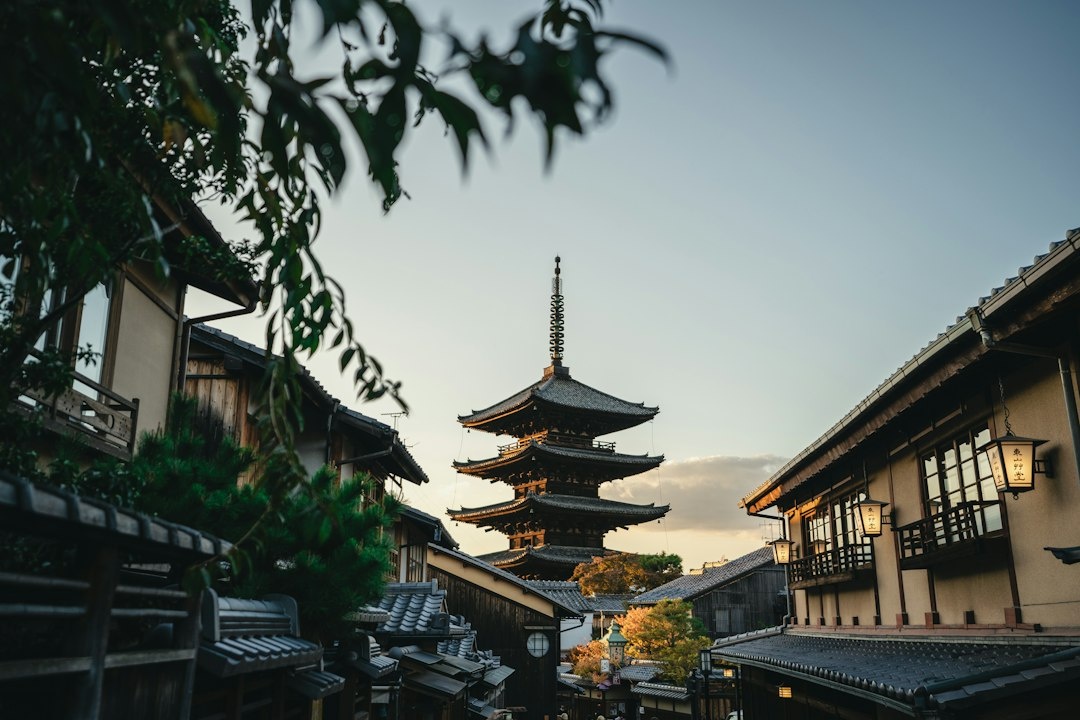
Skip picturesque but hilly Higashiyama accommodation if limited mobility is the deciding factor. Gion is atmospheric after dark, but Kyoto Station has easier airport transfers, more taxis and level underground dining.
October and Autumn Crowd Strategy
October is a smart shoulder-season compromise: daytime temperatures often sit around 20–24°C early in the month, and the most intense maple crowds have not yet arrived. Peak foliage in central Kyoto more commonly runs from mid-November to early December, though elevation and weather shift the dates.
October weekends still become busy at Kiyomizu-dera, Kinkaku-ji and Arashiyama. Visit headline temples before 9:00, then save broad complexes such as Higashi Hongan-ji or Nanzen-ji for the afternoon.
Evening illuminations sound easier because the air is cooler, but darkness makes stone edges harder to judge and seating is scarce. If you are combining Kyoto with urban evening activities, this October guide to Tokyo versus Osaka after dark explains why Osaka is generally the simpler add-on.
Transport and Tech That Actually Help
Google Maps is useful for train times but routinely underestimates fatigue from slopes, station corridors and crowded bus boarding. Cross-check gradients using Google Street View, and add at least 10 minutes to any route involving Kyoto Station.
Use the GO taxi app for metered taxis and cashless payment, although account verification may require a working Japanese data connection. Uber operates largely by dispatching licensed taxis in Kyoto, so it is not necessarily cheaper; compare the quoted Uber fare with GO before booking.
For buses and trains, load an ICOCA card into Apple Wallet or buy a physical card at JR ticket machines. One city-bus ride is ¥230 (€1.35), but boarding can involve a step and priority seats are not guaranteed.
Download offline Japanese in Google Translate and save each temple’s name in Japanese. This matters for similarly named stops: “Kiyomizu-michi” is the bus stop, while “Kiyomizu-dera” is the temple much farther uphill.
Common Mistakes Older Visitors Make in Kyoto
Trying to See Five Temples in One Day
Five temples can mean 10 kilometers once stations, gardens and lunch are counted. Three carefully chosen sites provide more time to sit, use toilets and appreciate the halls instead of watching the next bus time.
Using Buses During the Morning Rush
A ¥230 bus looks better than a ¥2,800 taxi until it arrives full and you stand for 40 minutes. Use taxis to reach the first temple, then take public transport after the commuter period.
Confusing “Wheelchair Accessible” With “Easy Walking”
A temple may have a ramp to one hall while the celebrated garden remains gravel, stepped or one-way. Ask which sections are step-free before paying, especially at Eikan-dō, Kōdai-ji and Ginkaku-ji.
Wearing Loose Slip-On Shoes
You may remove shoes repeatedly, but unsupported slippers are a poor trade for ankle stability. Wear lightweight walking shoes with firm heels and carry clean socks; Sanjūsangen-dō’s long polished corridor is particularly unforgiving in slippery hosiery.
Trusting the Nearest Bus Stop Without Checking Direction
A stop 100 meters from the gate may serve the wrong direction, forcing a road crossing or extra connection. Pin both the arrival stop and the return stop before entering the temple.
Arriving Hungry at Arashiyama
Popular restaurants can have 45–90-minute waits at noon. Eat by 11:15 at Arashiyama Yoshimura for soba if you can reserve or arrive early; otherwise return toward central Kyoto rather than standing in a queue.
Final Verdict: The Best Kyoto Temples After 65
Higashi Hongan-ji wins for overall ease, Sanjūsangen-dō is best in bad weather, and Kennin-ji provides the strongest combination of art, gardens and central location. Ninna-ji is my contrarian pick for travelers who value space over famous photo spots.
Kiyomizu-dera ranks last because its approach creates more strain than its modest admission price suggests. Save this guide, choose no more than three temples per day, and spend taxi money where it eliminates hills—not merely where it saves five minutes.
Frequently Asked Questions
What is the easiest Kyoto temple for seniors?
Higashi Hongan-ji is the easiest major temple thanks to its level grounds, free admission and location 700 meters from Kyoto Station. A taxi from the station takes about five minutes and costs roughly ¥1,200 (€7.05) in October 2026.
Which Kyoto temples have the fewest steps?
Higashi Hongan-ji, Nishi Hongan-ji and Sanjūsangen-dō each require roughly 0–15 unavoidable steps on a shortened route. Kennin-ji is the next-best central option, with approximately 10–20 steps and a 750-meter visitor circuit.
Is Kiyomizu-dera suitable for people over 65?
It is suitable only for visitors comfortable with an 800–900-meter uphill approach, 100 or more steps and dense crowds. Arrive between 6:30 and 7:30 and take a taxi as high as traffic restrictions allow.
How much does a taxi cost from Kyoto Station to the temples?
Expect ¥1,200–¥2,300 (€7.05–€13.55) for central and eastern temples such as Higashi Hongan-ji, Sanjūsangen-dō or Kiyomizu-dera. Kinkaku-ji, Ryōan-ji and Arashiyama cost approximately ¥4,300–¥4,800 (€25.30–€28.25) in normal daytime traffic.
When is the best time to visit Kyoto temples without crowds?
Arrive at opening—usually between 6:00 and 9:00 depending on the temple—and avoid weekends from mid-November through early December. October offers comfortable weather and generally lighter foliage crowds, although Kiyomizu-dera and Kinkaku-ji remain busy after 10:30.

About the Author: Tomáš Bzirský
Founder and editor of Distratech. Based in the Czech Republic, travelling regularly from Central Europe. Writes practical travel guides and travel-tech comparisons (eSIM, apps, airports) in six languages.