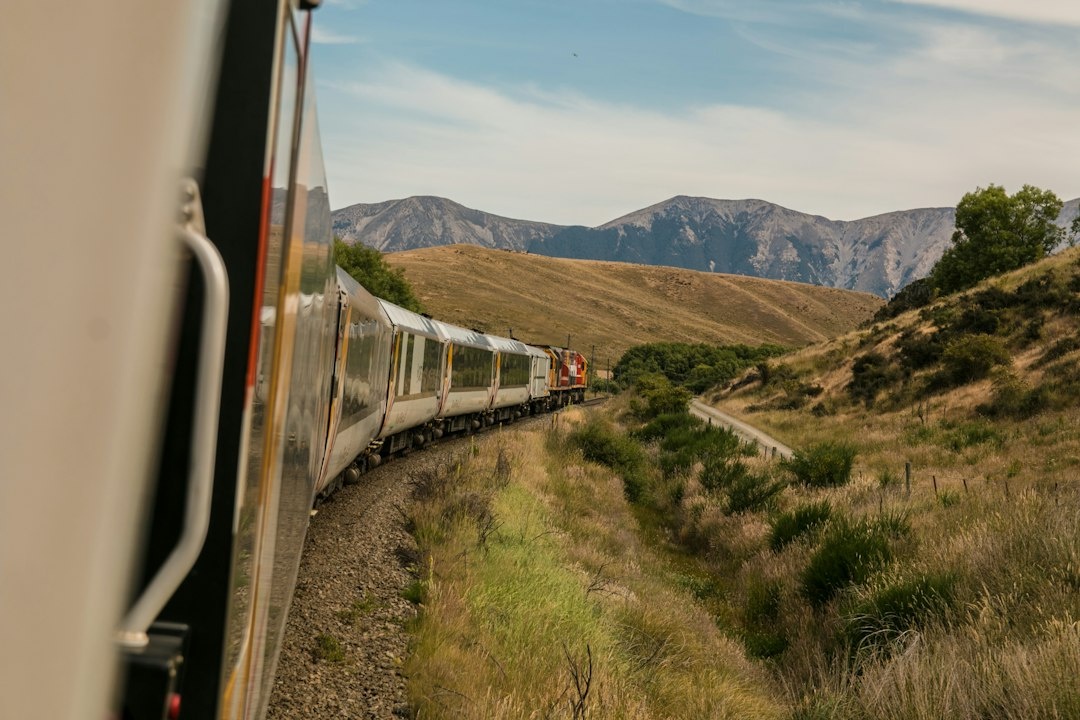
A first-time rail traveler expected one first-class booking to work like an airline itinerary. Instead, three direct trains, three reservation systems and one missed departure turned a €270.29 ticket plan into a €322.69 lesson in how European rail actually works.
Key Takeaways
- The 1,794 km Paris–Zurich–Vienna–Prague route takes about 15 hours 58 minutes on three direct trains.
- Direct operator websites priced the same first-class journeys at €248.10 versus €270.29 through a mixed Rail Europe, Trainline and ÖBB strategy in October 2026.
- A reservation was compulsory and included on TGV Lyria, but optional or sold separately on parts of the Railjet journey.
- Missing a train through your own lateness can invalidate a train-specific fare; the replacement Vienna–Prague ticket cost €52.40.
- Book direct with SNCF Connect, ÖBB or ČD when plans are complex; use an aggregator primarily for research and simpler customer support.
Key Numbers at a Glance
| Item | October 2026 figure |
|---|---|
| Total rail distance | Approximately 1,794 km |
| Fastest practical direct-train time | 15 hr 58 min across three travel days |
| Direct-operator first-class total | €248.10 |
| Case-study booking total | €270.29 |
| Aggregator premium | €22.19, or 8.9% |
| Cost after one missed train | €322.69 |
| Seat reservations required | Paris–Zurich only; recommended on all three legs |
| Best booking window | Approximately 60–120 days before departure |
Price note: These are fare snapshots collected for weekday departures in October 2026, with the comparison made using the same train, class and passenger type. European rail fares are dynamic, so treat them as a reproducible case study rather than a permanent tariff.
What the Traveler Actually Booked
The traveler wanted a comfortable autumn route with four nights in Paris, two in Zurich, three in Vienna and three in Prague. October was a smart choice: summer crowds had eased, Mediterranean-style heat was gone, and the Austrian section was passing through peak gold-and-red foliage.
All three intercity journeys were booked as direct trains. That removed transfer anxiety, but it did not produce one unified ticket or one set of conditions.
| Route | Operator and train | Distance | Scheduled time | Where booked | First-class price paid |
|---|---|---|---|---|---|
| Paris Gare de Lyon–Zurich HB | TGV Lyria | 611 km | 4 hr 04 min | Rail Europe | €130.00 |
| Zurich HB–Wien Hbf | ÖBB/SBB Railjet | 778 km | 7 hr 52 min | Trainline | €95.39 |
| Wien Hbf–Praha hl.n. | ČD/ÖBB Railjet | 405 km | 4 hr 02 min | ÖBB | €44.90 |
| Total | Three direct trains | 1,794 km | 15 hr 58 min | Three booking channels | €270.29 |
The first mistake was not the route. These are excellent trains, and flying would have added airport transfers, security queues and baggage restrictions.
The mistake was assuming that Rail Europe, Trainline and the operators would all display identical fares, reservation rules and after-sales options. They did not.
Direct Operators vs Rail Europe vs Trainline
Aggregators are useful because they compare schedules in English and can put unfamiliar operators into one interface. Their weakness appears when you need to change a ticket, interpret a reservation or recover from disruption.
For this itinerary, searching with Rail Europe or Trainline was easy. Booking through them was not consistently cheaper, and neither intermediary created a single protected Paris-to-Prague contract because the traveler stopped for several nights in each city.
The Exact Fare Comparison
| Route | Cheapest direct-operator first class | Rail Europe quote | Trainline quote | Best choice |
|---|---|---|---|---|
| Paris–Zurich | €122.00 via SNCF Connect | €130.00 | €128.49 | SNCF Connect saves €8.00 |
| Zurich–Vienna | €89.90 via ÖBB | €97.00 | €95.39 | ÖBB saves €5.49 |
| Vienna–Prague | €36.20 equivalent via ČD | €48.90 | €47.49 | ČD saves €12.70 |
| Total | €248.10 | €275.90 | €271.37 | Direct saves up to €27.80 |
ČD priced the Vienna–Prague ticket in Czech koruna at CZK 895, approximately €36.20 at the case-study exchange rate. A foreign-currency card fee could erase €1–€2 of that advantage, but it would not erase the full €12.70 saving over Rail Europe.
Currency conversion is an underrated problem. SBB displays many Swiss fares in CHF, while ČD uses CZK; choose your card issuer’s conversion rather than a retailer’s dynamic currency conversion whenever that option appears.
Direct Operator: Best for Control
Book Paris–Zurich through SNCF Connect or compare on the TGV Lyria website. For Zurich–Vienna, ÖBB usually provides the clearest display of Sparschiene restrictions, reservations and Business Class upgrades.
For Vienna–Prague, check both ÖBB and České dráhy. They may sell seats on the same Railjet at different prices because each railway controls its own fare inventory.
The direct operator also controls the ticket. If a train is canceled, dealing with the railway is normally more efficient than asking an intermediary to contact it for you.
Rail Europe: Best for an English-Language Overview
Rail Europe presented the cleanest visual itinerary and accepted a US billing address without difficulty. It also made the ticket conditions reasonably legible before payment.
Its €130 Paris–Zurich price was €8 above SNCF Connect in this test. That premium is defensible for someone who values an English-language interface and consolidated account, but not for an experienced traveler willing to use two or three operator apps.
Do not assume every trip displayed together is one through-ticket. Open the fare conditions and look for separate ticket numbers, separate transport contracts or warnings about unprotected connections.
Trainline: Strong App, Weaker Disruption Chain
Trainline’s app was the easiest to navigate on a phone, and live platform alerts were useful in Zurich. Its €95.39 Zurich–Vienna total was still €5.49 more than ÖBB’s direct price.
The larger issue is responsibility. If ÖBB changes a reservation, the traveler may need to communicate through Trainline rather than having every rebooking function available inside the ÖBB account.
Skip Trainline for a complicated multi-country itinerary with tight connections. Use it to compare departure times, then repeat the search on the operating railway’s website.
What “First Class” Actually Included
European first class is not a uniform product. The TGV Lyria experience is closer to an airline-style assigned seat, while Railjet first class is essentially a quieter, roomier rail carriage with food available for purchase.
| Feature | TGV Lyria Paris–Zurich | Railjet Zurich–Vienna | Railjet Vienna–Prague |
|---|---|---|---|
| Typical seating | 1+2 layout | 1+2 layout | 1+2 layout |
| Seat reservation | Compulsory and included | Optional; included with some fare products or about €3 separately | Optional; often free or inexpensive through ČD, about €3 through ÖBB |
| Meal included | Only on qualifying Première Signature services, not ordinary first class | No; restaurant car or at-seat ordering on equipped trains | No; restaurant car on most Railjets |
| Wi-Fi | Yes, but variable near the Jura | Yes, with weaker coverage in rural Austria | Yes, but not reliable enough for video calls |
| Power | Seat power sockets | Seat power sockets | Seat power sockets |
| Large luggage | No airline-style weight limit, but labels and designated storage matter | Self-carried and self-stored | Self-carried and self-stored |
The first-class value was strongest between Zurich and Vienna. Paying €89.90 instead of the sampled €59.90 second-class fare bought a calmer 1+2 cabin for nearly eight hours—only €3.80 more per hour of travel.
Paris–Zurich was a closer call. First class cost €122 versus €74 in second class, a €48 premium for four hours. The wider seat was pleasant, but ordinary first class did not include the champagne-and-meal experience many first-time travelers imagine.
Vienna–Prague first class was an easy yes at €36.20 versus €24.90 in second. An €11.30 premium for more space over four hours is better value than paying €8 for a station sandwich.
Seat Reservations: The Detail That Caused the Most Confusion
A ticket gives you the right to travel; a reservation gives you a specific seat. On TGV Lyria, those two components are bundled because reservations are compulsory.
On Railjet, a first-class ticket may not automatically mean the seat marked on the diagram is yours. The exact treatment depends on the fare, sales channel and operator.
The traveler selected seat 35 on the Zurich–Vienna carriage map but initially removed the reservation after seeing an optional €3 line item. The resulting ticket was valid, yet there was no guaranteed seat.
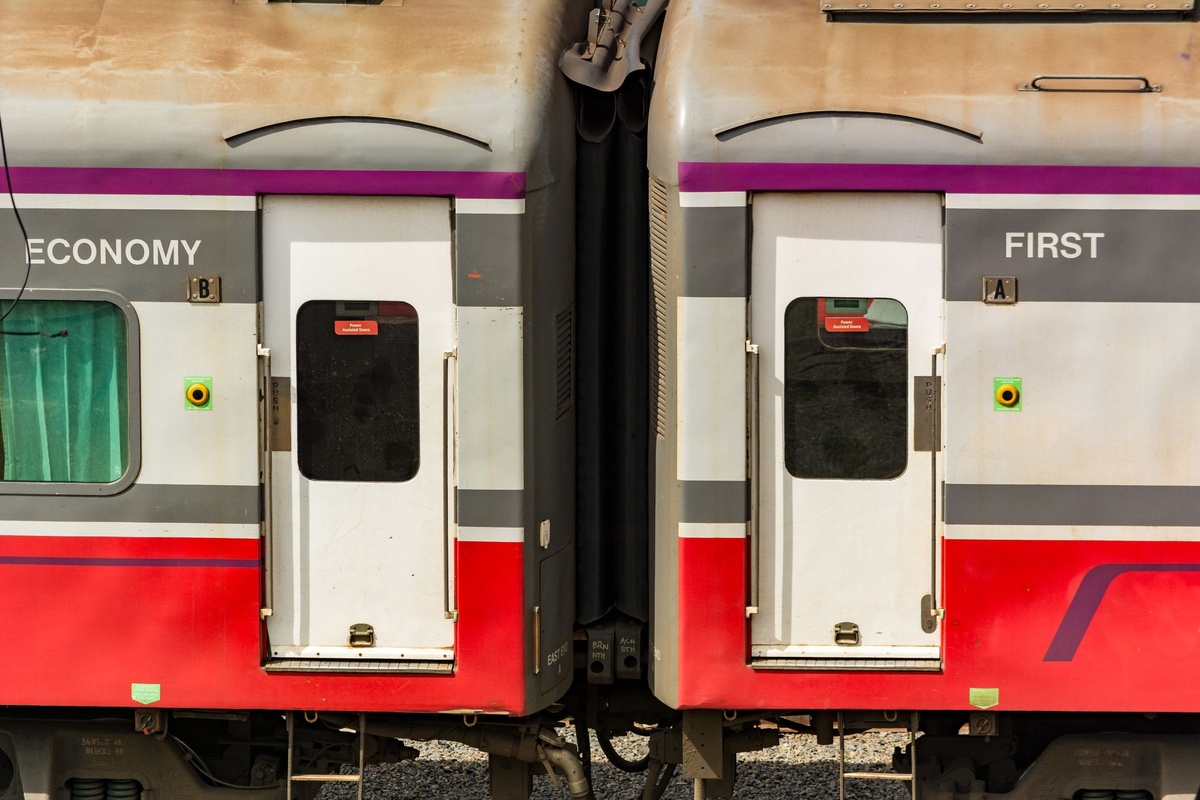
That is a poor saving on a 7-hour-52-minute train. Reserve a window seat on the left when traveling east from Zurich for intermittent lake and Alpine views, although direction can reverse if rolling stock changes.
How to Read a Reservation
- Wagen or coach: Your carriage number, such as Coach 22.
- Platz or seat: Your numbered seat, such as 35.
- Fenster: Window seat; Gang means aisle.
- Ruhezone: Quiet zone, where calls and loud conversations are discouraged.
- Reserviert bis: The station until which a seat is reserved.
- Kein Anspruch auf Sitzplatz: The ticket does not guarantee a seat.
First-class cars are not always at the front. Use the ÖBB app’s train formation display or the carriage-position screens on the platform rather than standing where first class “should” be.
For a first journey, arrive 25 minutes early in Paris and Vienna and 20 minutes early in Zurich. There is no airport-style check-in, but finding a 400-meter train under time pressure is surprisingly stressful.
The Missed Vienna–Prague Train
The expensive lesson happened in Vienna. The traveler left a hotel near Schwedenplatz 35 minutes before departure, allowing enough time according to the city-transit app but not enough for a tram disruption, a platform change and the long walk through Wien Hauptbahnhof.
The train departed at 09:10. The traveler reached the platform at 09:12, and the discounted train-specific ticket was no longer valid.
A replacement first-class ticket on the next departure cost €52.40. That was €15.20 more than the direct ČD advance fare and brought the rail total to €322.69.
Why Passenger Rights Did Not Rescue the Booking
EU rail passenger rules are strong when disruption by a railway causes a missed connection covered by a through-ticket. Depending on the delay, passengers may be entitled to rerouting, assistance and compensation of 25% for delays of 60–119 minutes or 50% for delays of 120 minutes or more, subject to the applicable rules and exceptions.
They do not generally protect someone who reaches the departure platform late because of a city tram delay or poor time management. Travel insurance may cover specified public-transport disruption, but many policies exclude an insufficient transfer buffer or require written proof of the incident.
Had an incoming ÖBB train caused a protected connection to be missed, the correct move would have been to speak to railway staff before buying another ticket. In this case, there was no incoming long-distance railway ticket connected to the journey at all.
Through-Tickets vs Separate Tickets
A through-ticket is sold as one transport contract covering multiple trains. If the first covered service is late and the connection is missed, the railway should generally arrange continuation under the applicable passenger-rights regime.
Separate tickets can leave the traveler responsible for the second train. Even when two journeys appear in the same shopping basket, they may remain separate contracts.
For self-built connections, allow at least 45 minutes in Zurich HB and 45–60 minutes at Wien Hbf. A 15-minute advertised interchange may be physically possible, but “possible” is not the same as resilient.
A Better Booking Strategy, Step by Step
- Build the route in DB Navigator first. Deutsche Bahn’s app is excellent for pan-European timetable research, even when DB does not sell the ticket.
- Identify the operating railway. Paris–Zurich is TGV Lyria; Zurich–Vienna is principally sold by ÖBB and SBB; Vienna–Prague involves ÖBB and ČD.
- Compare aggregators once. Record the Trainline and Rail Europe totals, but do not purchase yet.
- Repeat each search directly. Compare the same departure, first-class product, refund conditions and reservation.
- Pay in the operator’s billing currency. Decline dynamic currency conversion and let a no-foreign-transaction-fee card handle EUR, CHF or CZK.
- Save every ticket offline. Store PDFs in Apple Wallet, Google Wallet and a cloud folder, then take screenshots showing coach and seat.
- Add calendar alerts. Set one alert 24 hours before travel and another 60 minutes before leaving the hotel.
SNCF commonly releases tickets about four months ahead, sometimes through seasonal sales batches. ÖBB and ČD may open inventory roughly six months ahead, but timetable changes can shorten that window.
An aggregator cannot sell inventory before the operator releases it. If Rail Europe says “not available,” check whether booking has actually opened before assuming the train is sold out.
The Decision Framework: Which Booking Method Should You Choose?
Choose the Direct Operator If…
- You want the lowest sampled fare and direct access to changes or refunds.
- You are booking first class, Business Class or a specific seat.
- Your itinerary includes a transfer where passenger-rights wording matters.
- You can manage tickets across SNCF Connect, ÖBB and ČD apps.
- You are comfortable paying in EUR, CHF or CZK.
This is my choice for Paris–Zurich–Vienna–Prague. Saving €22.19 matters less than controlling reservations, but the direct strategy provided both advantages.
Choose Rail Europe If…
- You value an English-language interface more than the absolute lowest fare.
- Your home-country cards repeatedly fail on operator websites.
- You want most bookings visible under one account.
- The displayed total is within approximately €5 of the direct price.
Rail Europe was the better aggregator in this case because its fare conditions were clearer. I would still verify whether a multi-train purchase creates one contract or several separate tickets.
Choose Trainline If…
- You want an intuitive mobile app and convenient platform notifications.
- You are booking a simple direct journey with generous conditions.
- The operator’s website is malfunctioning or rejects your payment method.
Skip Trainline when the journey involves multiple operators and a connection you cannot afford to miss. The extra customer-service layer is a poor trade when disruption occurs.
Choose a Rail Pass If…
A first-class Eurail Global Pass can make sense when several additional travel days are planned and flexibility matters more than cost. It was not economical for only these three journeys because the pass-day cost and mandatory TGV Lyria reservation would exceed the €248.10 direct-ticket total.
Passholders still need a paid reservation on TGV Lyria, and passholder quotas can sell out. A rail pass is not a universal hop-on entitlement.
The Costed Plan I Would Book Instead
The improved plan uses direct operators, reserves all three seats and adds a realistic station-food budget. Accommodation is shown separately because October prices vary sharply around weekends and trade fairs.
| Expense | Quantity | Cost |
|---|---|---|
| Paris–Zurich first class via SNCF Connect | 1 | €122.00 |
| Zurich–Vienna first class via ÖBB | 1 | €89.90 |
| Zurich–Vienna seat reservation | 1 | €3.00 |
| Vienna–Prague first class via ČD | 1 | €36.20 |
| Vienna–Prague reservation | 1 | €0–€3.00 |
| Three station meals and drinks | 3 | €45.00 |
| Local transit to stations | 3 trips | €9.50 |
| Practical rail-trip total | €305.60–€308.60 |
For hotels, I would choose citizenM Paris Gare de Lyon at roughly €180–€240, Hotel St. Josef near Zurich HB at approximately CHF 190–250, and Motel One Wien-Hauptbahnhof at about €115–€160. These are not the cheapest rooms, but each reduces the risk and expense of an early station transfer.
In Zurich, skip a CHF 30 sit-down station lunch and buy a salad, bread and drink from Coop for CHF 12–16. On the Zurich–Vienna Railjet, the restaurant car is worth using: expect roughly €12–€17 for a hot main and €4–€5 for coffee.
At Wien Hbf, Ströck is better than relying on a trolley reaching your carriage; a filled roll, pastry and coffee cost about €10–€14. Prague’s station food is improving, but wait until arrival and eat at Kantýna instead—mains generally run CZK 250–450 (€10–€18).
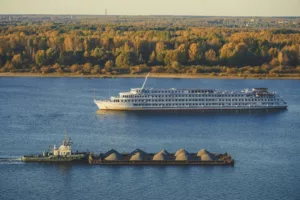
If Vienna is part of a larger autumn trip, compare the train route with an October Danube cruise for solo travelers; cabins cost far more, but transport, accommodation and several meals are bundled.
Station Logistics and Useful Opening Hours
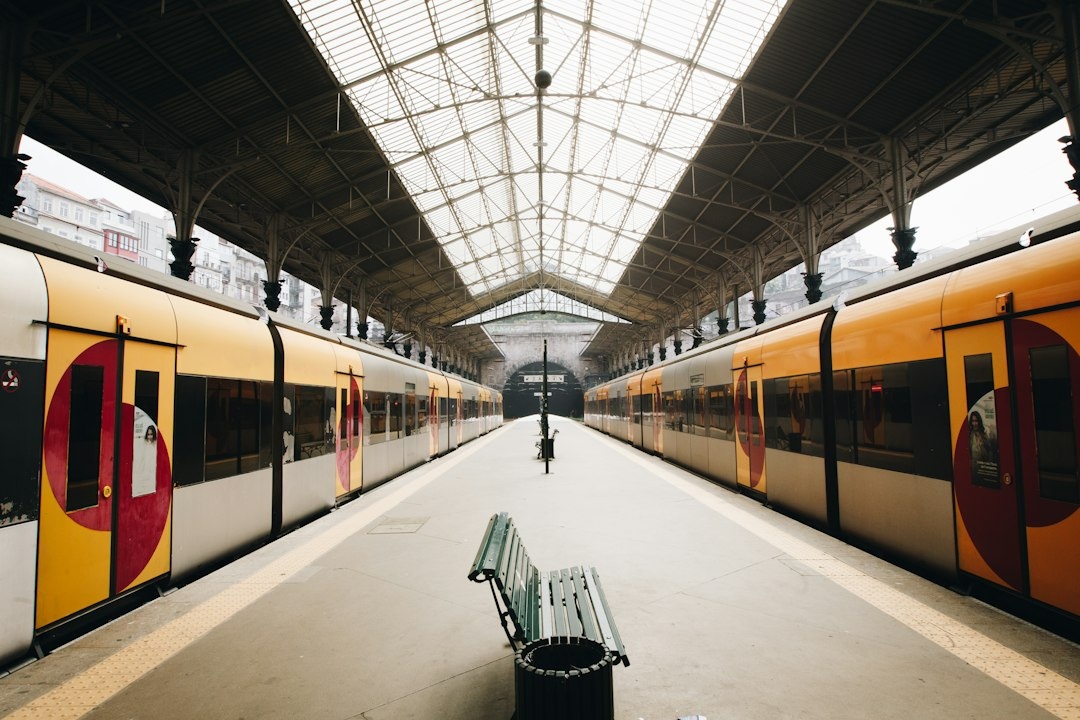
Paris Gare de Lyon is the most confusing departure station on this route because trains use different platform halls. The Hall 1, Hall 2 or Hall 3 assignment may appear only shortly before departure, so watch the SNCF app and station board.
Zurich HB is large but logical. The SBB Travel Centre is generally open daily from early morning into the evening, while the main station’s shops have unusually generous Sunday hours by Swiss standards; individual hours vary, so confirm at SBB.ch.
At Wien Hbf, the ÖBB ticket office is typically open from approximately 05:45 until 22:30. The ÖBB Lounge generally operates around 06:00–23:30, but ordinary discounted first-class tickets do not always grant access—check the fare’s lounge symbol rather than assuming.
Praha hlavní nádraží is open 24 hours, while staffed ticket and lounge facilities keep shorter hours. The historic upper hall is worth seeing, but the platforms are reached through the newer lower concourse.
Opening hours can change on Austrian and Czech public holidays. Verify in the operator app the evening before travel, particularly around October 26, Austria’s National Day.
Technology That Made the Journey Easier
Install SNCF Connect, SBB Mobile, ÖBB, Můj vlak and DB Navigator before leaving home. That sounds excessive, but each app performed a different job better than the aggregators.
DB Navigator handled route research; SBB Mobile gave excellent Swiss platform data; ÖBB displayed carriage formation; and Můj vlak managed the Czech ticket and reservation. Rail Europe remained useful as a clean reference itinerary.
Download tickets as PDFs rather than relying entirely on app logins. Tunnels, roaming failures and forced password resets are terrible reasons to delay an inspection.
A 10–20 GB Europe eSIM is enough for maps, rail apps and messaging over two weeks. Turn off photo backups on mobile data: station Wi-Fi is adequate for syncing files, but onboard Wi-Fi was too inconsistent for dependable work calls.
Carry a 10,000 mAh power bank and a 30W USB-C charger. A taxi to Wien Hbf would have cost around €18–€25 and taken roughly 20 minutes, compared with about €2.40 and 20–30 minutes by public transport—but after a low-battery navigation failure, the taxi becomes the cheaper option than a €52.40 replacement train.
Common Mistakes First-Time European Rail Travelers Make
Assuming First Class Includes a Meal
It usually does not on these routes. TGV Lyria Première Signature has enhanced catering on qualifying services, but ordinary first class and Railjet first class generally require you to buy food.
Confusing a Ticket With a Seat Reservation
A valid Railjet ticket can exist without an assigned seat. Spending €3 to protect a seat on an eight-hour journey is sensible, especially on Friday and Sunday departures.
Booking the Cheapest Fare Without Reading Restrictions
Sparschiene and other advance fares can be tied to one departure with limited or no refundability. A €20 saving disappears instantly when a missed train requires a €52 replacement.
Leaving the Hotel Based on Travel Time Alone
A map’s 20-minute estimate does not include waiting for an elevator, buying a transit ticket or walking to Coach 22. Add 30 minutes to the calculated station journey, and add 45 minutes for an unfamiliar major terminal.
Believing One Cart Means One Protected Journey
An aggregator may issue separate contracts even when payment occurs once. Check ticket numbers and connection guarantees before booking a short interchange.
Overpacking
There is no standard airline-style checked-baggage process, which means you lift and store everything yourself. A 12 kg suitcase plus daypack is far easier than a 23 kg case on crowded platforms and narrow vestibules.
Ignoring the Annual Timetable Change
European rail timetables normally change in December. If booking dates around the changeover, a missing departure may simply not have been loaded yet rather than being canceled or sold out.
The Verdict: Was First Class Worth It?
Yes on Zurich–Vienna and Vienna–Prague; only marginally on Paris–Zurich. The strongest value came from space and quiet over long travel times, not luxury service.
The bigger verdict concerns booking channels. Direct operator sites saved 8.9% in this case and gave the traveler better control of reservations and changes.
Rail Europe remains useful when payment compatibility and an English interface matter. Trainline has the slickest app, but I would not prioritize interface polish over direct disruption support.
Book the direct trains, reserve the Railjet seats and reach the station embarrassingly early. Save this guide before building your own Paris–Zurich–Vienna–Prague itinerary, then compare every aggregator quote against the railway operating the train.
Frequently Asked Questions
How much does first class from Paris to Zurich, Vienna and Prague cost?
The three first-class tickets cost €248.10 when booked directly in this October 2026 comparison. A mixed Rail Europe, Trainline and ÖBB booking cost €270.29 before a missed train increased the total to €322.69.
Are seat reservations required on Paris–Zurich–Vienna–Prague trains?
Reservations are compulsory and included on TGV Lyria between Paris and Zurich. They are generally optional on Railjet services, but paying about €3 to reserve is worthwhile on the 7-hour-52-minute Zurich–Vienna journey.
Is Rail Europe or Trainline cheaper than booking direct?
Not in this case: direct operator sites totaled €248.10, compared with €275.90 through Rail Europe or €271.37 through Trainline. Always compare the identical train, class, reservation and refund conditions before paying.
What happens if I miss a European train?
If railway disruption causes a missed protected connection, staff should generally arrange onward travel under the applicable ticket and passenger-rights rules. If you arrive late through your own fault, a train-specific ticket may be forfeited; the replacement Vienna–Prague first-class fare here was €52.40.
Is first class worth it from Paris to Prague by train?
It is most worthwhile on the nearly eight-hour Zurich–Vienna leg and the relatively inexpensive Vienna–Prague leg. Paris–Zurich first class offered more space, but the sampled €48 premium over second class was harder to justify without included catering.

About the Author: Tomáš Bzirský
Founder and editor of Distratech. Based in the Czech Republic, travelling regularly from Central Europe. Writes practical travel guides and travel-tech comparisons (eSIM, apps, airports) in six languages.