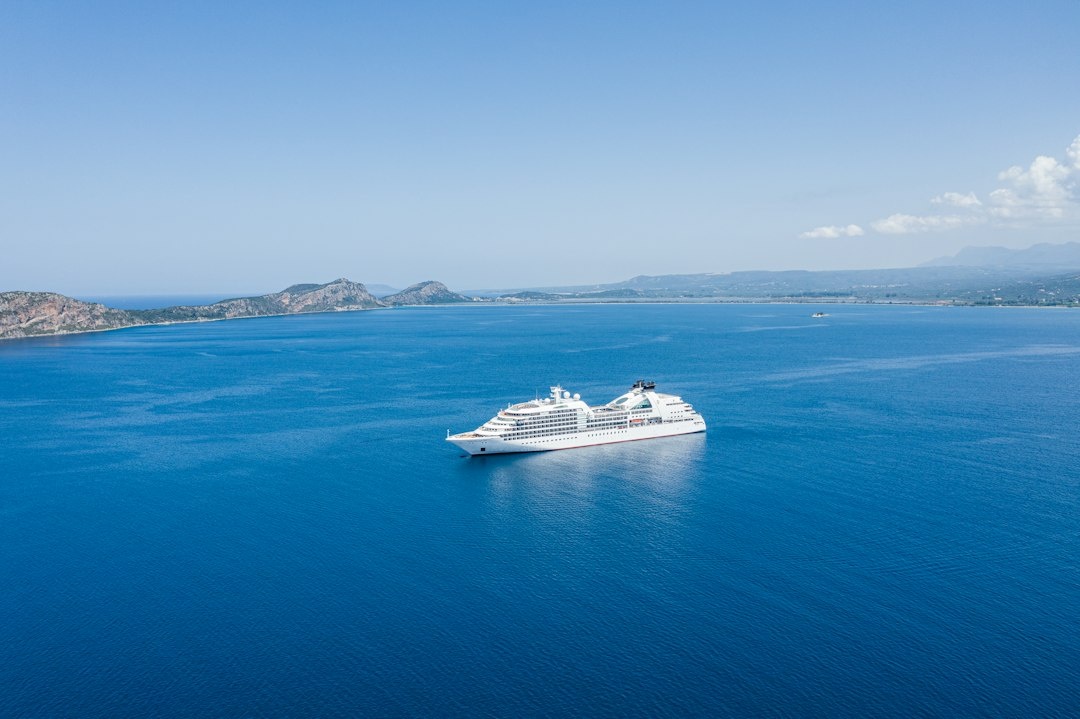
An October Mediterranean cruise can deliver 25°C afternoons in Malta, a wet 17°C evening in Barcelona and a wind-whipped Santorini tender—all during the same sailing. The answer is not a bulky “just in case” suitcase, but a compact layering system built around ten years of October temperature, rain, wind and sea data.
Key Takeaways
- Expect typical daytime highs of 22–25°C, but pack for evenings as cool as 14–17°C.
- Malta and Barcelona average roughly twice as much October rain as Santorini, making a waterproof shell more useful than a heavy coat.
- A 7-night capsule wardrobe fits in a 35–40-liter carry-on and weighs approximately 8–10 kg.
- Pack two smart-casual dinner outfits; most Mediterranean cruise lines no longer require a tuxedo or formal gown.
- Keep rain gear, medication and one dinner outfit in your carry-on because delayed baggage can miss the ship entirely.
Key Numbers at a Glance
| Route factor | October figure | What it means for packing |
|---|---|---|
| Typical daytime temperature | 22–25°C | T-shirts and light trousers work most afternoons |
| Typical nighttime temperature | 14–19°C | Bring one midlayer and a windproof shell |
| Rainfall range | 38–89 mm | Pack a real waterproof jacket, not only an umbrella |
| Coastal wind | 12–21 km/h average | Santorini can feel 3–5°C cooler on exposed viewpoints |
| Sea temperature | 21.5–24°C | Swimming remains realistic, especially in Malta |
| Recommended luggage | 35–40 L carry-on plus 15–20 L day bag | Enough for seven nights if you wash once |
| Typical self-service laundry | €3–€6 per wash where available | Cheaper than checked luggage or ship valet laundry |
| Port-to-center transport | €1.20–€18 each way | Keep a card plus €30–€50 in small euro notes |
Weather figures summarize the ten complete Octobers from 2016–2025 using rounded coastal-station observations from Meteostat and sea-surface data from the Copernicus Marine Service. Rain days are days recording at least 1 mm; these are planning averages, not a forecast for a specific sailing.
What Ten Years of October Weather Say About This Route
The Mediterranean remains warm in October, but “warm” does not mean stable. Frontal systems become more frequent, daylight shortens and exposed islands can turn surprisingly cool after sunset.
| Port | Average high / low | October rain | Rain days | Average coastal wind | Sea temperature |
|---|---|---|---|---|---|
| Athens/Piraeus | 23.4°C / 16.2°C | 49 mm | 5 days | 14 km/h | 22.7°C |
| Santorini | 22.6°C / 18.0°C | 39 mm | 5 days | 21 km/h | 22.5°C |
| Valletta, Malta | 25.0°C / 19.0°C | 89 mm | 8 days | 17 km/h | 23.8°C |
| Barcelona | 22.3°C / 15.5°C | 78 mm | 7 days | 12 km/h | 21.8°C |
Athens is generally the easiest packing day. A 23°C afternoon around the Acropolis can feel hot because there is little shade, while a 16°C departure from Piraeus calls for a thin sweater. Shorts are plausible at noon; they are less comfortable during a late outdoor dinner.
Santorini is the wind problem, not the temperature problem. Its mean coastal wind is roughly 50% stronger than Barcelona’s, and exposed gusts around Oia can exceed 45–55 km/h during unsettled weather. An umbrella becomes a liability here; a hooded shell is better.
Malta is warmest but wettest. October thunderstorms can unload much of the month’s rain in one hour, leaving Valletta’s polished limestone stairs slick. Pack shoes with rubber tread rather than smooth fashion soles.
Barcelona has the widest wardrobe swing. You may eat lunch outside at 22°C, then need a fleece at 15°C after a late dinner. Compared with Malta’s 23.8°C sea, Barcelona’s 21.8°C water feels noticeably brisker.
Early October versus late October
Timing within the month matters. Early-October afternoons are commonly 2–3°C warmer than the final week, while late-October daylight is roughly 45 minutes shorter.
- October 1–10: prioritize breathable clothing, sun protection and swimwear.
- October 11–20: use the full layering list below; this is the most balanced period.
- October 21–31: add a second warm layer or replace one T-shirt with a long-sleeve merino top.
The 7-Night October Mediterranean Cruise Packing List
This list assumes seven nights, four main ports, one sea day and one laundry session. It fits in a 35–40-liter carry-on at about 8–10 kg, compared with 14–18 kg for a conventional checked suitcase.
Clothing: build around three layers
- Five lightweight tops: three short-sleeve, one long-sleeve and one collared shirt or dressier blouse.
- Two midlayers: one thin merino sweater and one packable fleece or cardigan.
- One waterproof shell: hooded, breathable and rated around 10,000 mm rather than a water-resistant fashion jacket.
- Three bottoms: one lightweight trouser, one dark dinner trouser or skirt and one pair of shorts or a second casual trouser.
- Two dinner combinations: both should work with the same shoes and midlayer.
- Seven sets of underwear: pack four or five if you are committed to hand-washing.
- Four pairs of walking socks plus one dress pair.
- One swimsuit and one lightweight cover-up.
- Sleepwear and gym clothing only if you will actually use them.
A 200-gram merino sweater plus a 300-gram shell is more versatile than a 1.2 kg wool coat. Skip the coat unless your trip continues to northern Europe; travelers adding rail journeys can use this European first-class train booking case study to plan the post-cruise segment.
Shoes: two pairs, not four
Bring one pair of supportive, water-resistant walking shoes and one compact smart-casual pair. Athens’ marble, Santorini’s uneven steps and Valletta’s steep limestone streets make grip more important than looking formal.
Skip high heels and leather soles. One wet afternoon in Malta makes grippy sneakers worth more than three pairs of “cruise shoes,” saving approximately 1.5–2.5 kg of luggage.
Weather accessories
- Compact cap or sun hat with a secure strap
- Polarized sunglasses
- SPF 30–50 sunscreen, even in late October
- Small folding umbrella for Barcelona and Valletta, but not as your only rain protection
- Light scarf or buff for windy Santorini viewpoints
- Two-liter roll-top dry bag or waterproof pouch for tender days
A disposable poncho costs around €2–€5 near a port, while a decent packable shell costs €60–€150 but works in wind as well as rain. Choose the shell if you expect to walk more than 30 minutes ashore.
Decision Framework: Carry-On, Checked Bag or Laundry?
Choose carry-on only if your airline permits at least 8 kg, you can repeat trousers and you are willing to wash underwear once. It is the safest choice for a cruise because baggage delayed by 24 hours may arrive after the ship has left Athens.
Choose a checked bag if you need mobility equipment, specialty formalwear or more than seven days of medication and supplies. A European airline checked bag typically costs €30–€70 each way when prepaid in October 2026, versus €60–€100 at the airport.
Choose ship laundry if convenience matters more than cost. Choose a pre-cruise hotel laundromat if you have an extra night in Athens; a normal €5 wash beats paying €3–€6 per individual garment onboard.
| Option | Typical price, Oct. 2026 | Time required | Best for |
|---|---|---|---|
| Hand-wash in cabin | €0–€3 for detergent sheets | 10 minutes plus overnight drying | Underwear and technical shirts |
| Self-service ship laundry | €3–€6 wash; €3–€6 dry | 60–90 minutes | Cruise lines with passenger laundries |
| Ship wash-and-fold promotion | €25–€45 per bag | 24–48 hours | Seven-night carry-on travelers |
| Individual ship valet service | €2–€7 per item | 24–48 hours | One stained dinner outfit |
| Athens laundromat | €5–€8 wash and dry | 60–75 minutes | Travelers staying before departure |
| Prepaid checked bag | €30–€70 each way | Bag drop plus collection | Families and longer trips |
Prices were checked against representative Mediterranean cruise-line menus and European airline baggage pages in October 2026. Ships price laundry differently and often charge in US dollars; at an illustrative October 2026 conversion of US$1 to €0.86, a US$34.99 laundry bag costs about €30.
Princess, Cunard and some longer-voyage ships commonly provide self-service laundries. Royal Caribbean, Celebrity, MSC and Norwegian more often rely on per-item or bag promotions, so confirm the vessel’s facilities on the cruise line’s ship page before packing.
Cruise Dress Codes: What You Actually Need
Most modern Mediterranean sailings are less formal than their marketing photographs suggest. Two smart-casual outfits cover almost every dinner scenario, compared with the four or five evening looks that cruise packing lists often recommend.
| Cruise line | Typical 7-night evening policy, Oct. 2026 | What to pack |
|---|---|---|
| Royal Caribbean | Casual, smart casual and usually 1–2 “formal” suggestions | Collared shirt or polished top, dark trousers or dress |
| Celebrity | Evening Chic on 1–2 nights | Stylish separates; jacket optional |
| MSC Cruises | Casual plus gala/elegant and themed evenings | One elevated outfit; no tuxedo necessary |
| Norwegian | Freestyle, with some venue-specific restrictions | Smart jeans or trousers and a neat top |
| Princess | Smart casual plus typically 2 formal evenings | Dress, jumpsuit or jacket-and-trouser combination |
Swimwear, bathrobes and bare feet are routinely refused in dining rooms. Tailored shorts may be accepted in casual venues but can be rejected at specialty restaurants, so dark lightweight trousers are the safer one-item solution.
Skip the tuxedo unless formal photography is part of your holiday. A wrinkle-resistant navy jacket weighs about 500–700 grams and works for dinner, Barcelona nightlife and a cool Santorini evening.
Cabin-Safe Tech and Electrical Gear
Cruise cabins have improved, but outlet layouts remain inconsistent. Older ships may provide one European two-pin socket and one US outlet at the desk, while newer cabins add USB-A or USB-C ports near the bed.
- One non-surge USB-C charger: 65 W is enough for a phone, tablet and many laptops.
- One Type C European adapter: useful ashore before or after the cruise.
- Short charging cables: two 1-meter cables create less cabin clutter than multiple 2-meter versions.
- 10,000 mAh power bank: normally sufficient for about two phone charges; keep it in hand luggage.
- Offline maps: download Athens, Santorini, Malta and Barcelona in Google Maps before sailing.
- Cruise-line app: install it before boarding for dining reservations, daily schedules and onboard messaging.
Do not bring a surge-protected power strip, clothes iron, steamer or electric kettle. Cruise security commonly confiscates these because of fire risk; a non-surge multiport charger is the safer substitute.
Turn off mobile data before leaving port. Maritime roaming can cost €5–€15 per MB on some plans, meaning a background photo backup can generate a three-figure bill; use ship Wi-Fi or reconnect to terrestrial networks in port.
What Goes in Your Embarkation-Day Carry-On
Your checked suitcase may not reach the cabin until 17:00–19:00. More importantly, airline baggage delayed on the morning of departure cannot easily catch a ship sailing from Piraeus.
- Passport, cruise documents and travel insurance details
- All medication, plus at least three spare days
- One clean top, underwear and dinner outfit
- Swimsuit and sunscreen
- Phone charger and power bank
- Waterproof shell
- Valuables and cameras
- Refillable bottle, empty before airport security
Arrive in Athens at least one night before departure. A €100–€180 hotel night is cheaper than a €300–€700 last-minute flight to the cruise’s next port after a missed embarkation.
Port-by-Port Day-Bag Strategy, Transport and Cabs
A 15–20-liter backpack is adequate for every stop. Use a crossbody bag instead if you dislike removing a backpack in museums, but avoid open-top totes in crowded Barcelona metro stations.
| Port journey | Distance | Public transport, Oct. 2026 | Taxi/cab, Oct. 2026 |
|---|---|---|---|
| Piraeus cruise terminal to central Athens | 11–13 km | Metro €1.20, about 25–35 min from Piraeus station | €25–€35, about 25–45 min |
| Santorini Old Port to Fira | 220 m vertical climb | Cable car €10 each way, about 3 min | No road taxi from Old Port |
| Fira to Oia | 11 km | KTEL bus about €2.30, 25–35 min | €35–€45, 20–25 min |
| Valletta Waterfront to city center | 0.8–1.3 km | Barrakka Lift about €1 return, under 2 min | €10–€15 minimum-area fare |
| Barcelona Moll Adossat to La Rambla | 3.5–5 km | Cruise Bus €3 one way or €4.50 return, 10–20 min | €12–€18, 10–20 min |
Athens and Piraeus
Pack sunscreen, a water bottle and shoes that grip polished marble. Cruise terminals can sit 1.5–2.5 km from Piraeus metro station, so the €1.20 train is not automatically convenient for travelers with reduced mobility.
The Acropolis generally opens at 08:00, with October closing times becoming earlier as daylight shortens; verify the date-specific schedule and book timed admission through Hellenic Heritage E-Ticket. Go before 09:00 rather than joining the 10:30 cruise-bus surge.
Skip a generic Plaka restaurant with laminated photo menus. Eat cured meats and meze at Karamanlidika tou Fani, roughly 1 km from Monastiraki, where a substantial lunch costs about €18–€28 per person.
Santorini
Santorini requires the most tactical day bag: shell, hat strap, sunglasses and motion-sickness medication. Cruise passengers normally tender to the Old Port, where the alternatives are a roughly three-minute cable car or about 588 steep steps.
Do not ride a donkey. Take the cable car early, then use the KTEL bus to Oia for about €2.30 instead of paying €35–€45 for a taxi; schedules are posted by KTEL Santorini and become less frequent outside summer.
For lunch, skip Oia’s caldera-view restaurants charging €25 for average pasta. Metaxi Mas in Exo Gonia serves stronger Cretan-Santorinian cooking for around €25–€40 per person, although it requires a taxi and advance reservation.
Valletta, Malta
Bring the waterproof shell even when the morning is clear. Malta averages about 89 mm of October rain, almost 2.3 times Santorini’s total, and thunderstorms develop quickly.
The Barrakka Lift connects the waterfront with the Upper Barrakka Gardens and generally operates from around 07:00 until late evening; check Transport Malta for maintenance notices. It avoids a steep 10–15-minute uphill walk.
St John’s Co-Cathedral normally admits visitors Monday–Saturday around 09:00–16:45, with final entry approximately 30 minutes before closing and no tourist visits on Sundays or public holidays. Buy tickets from the cathedral’s official website.
Nenu the Artisan Baker is a better lunch than the most visible waterfront terraces. Expect €18–€30 per person for Maltese dishes such as slow-cooked rabbit or stuffed bread.
Barcelona
Barcelona’s cruise piers are not realistically walkable to La Rambla because Moll Adossat involves industrial roads and bridge approaches. Take the Cruise Bus for €3 one way or a taxi for approximately €12–€18 split between passengers.
Sagrada Família typically opens around 09:00, but Sunday visitor hours may begin later due to worship. Timed tickets frequently sell out several days ahead, so use sagradafamilia.org rather than a reseller.
Skip paella on La Rambla. Bar Cañete, about 700 meters from the Liceu metro stop, serves excellent seafood and tapas; budget €35–€55 per person and reserve the dining room, or arrive near opening for a counter seat.
Sea Conditions, Tender Risks and Motion Sickness
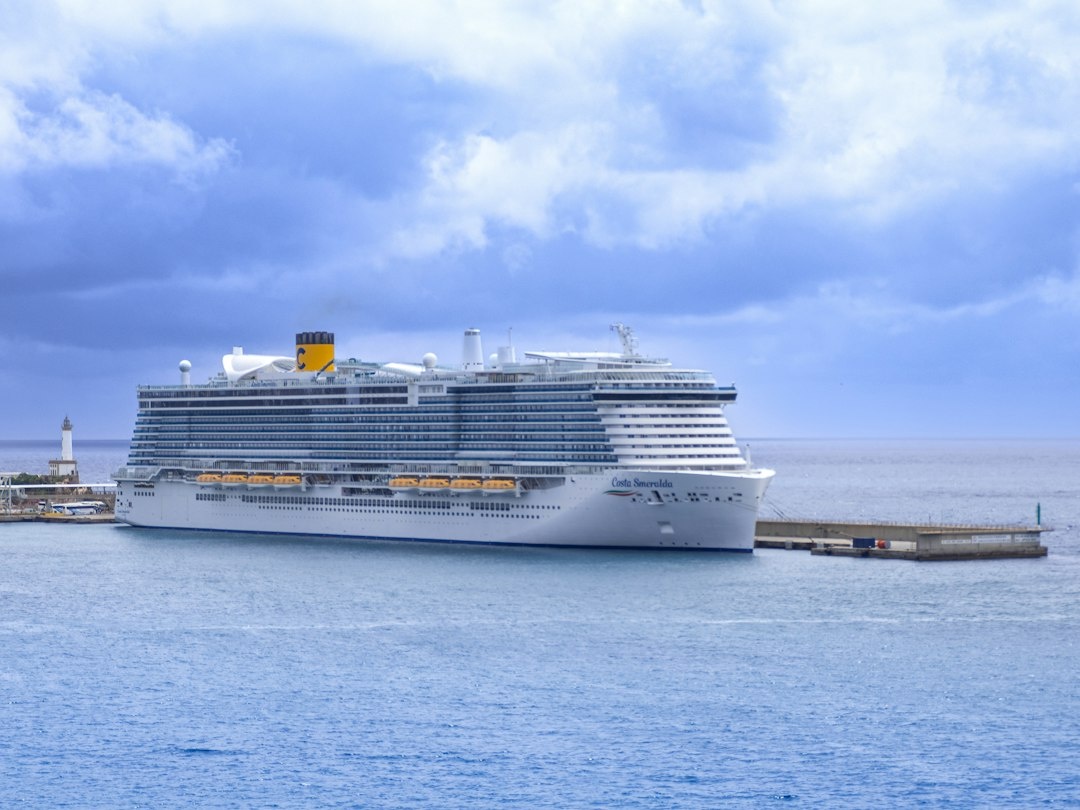
October is still a normal cruising month, but sea conditions become less predictable than in July. The western Mediterranean around Barcelona can experience short, steep wind-driven waves, while Santorini’s exposed tender operation is vulnerable to strong northerly or southerly winds.
Pack motion-sickness medication even if you rarely need it. Generic dimenhydrinate commonly costs €4–€8 in European pharmacies, compared with higher onboard medical-center prices and limited opening hours.
Take medication 30–60 minutes before a tender or rough departure, following the package instructions and your doctor’s advice. For daytime excursions, ask a pharmacist about less-sedating options; some antihistamine-based products can make you too drowsy for Santorini’s stairs.
If a port is tendered, keep a waterproof pouch around your phone and documents. A €12–€20 dry pouch is cheaper than replacing a €900 phone splashed during a rolling tender transfer.
Costed Packing and Laundry Plan
You may already own most of the list. For someone building a reusable capsule from scratch, this practical midrange budget is more sensible than cruise-branded accessories.
| Item | Budget option | Midrange option |
|---|---|---|
| Packable waterproof shell | €45 | €110 |
| Water-resistant walking shoes | €60 | €120 |
| Merino or synthetic midlayer | €35 | €75 |
| 35–40 L carry-on | €55 | €140 |
| Non-surge 65 W USB-C charger | €30 | €55 |
| 10,000 mAh power bank | €25 | €45 |
| Dry pouch and detergent sheets | €14 | €25 |
| One laundry session | €6 hand/self-service | €30 wash-and-fold bag |
| Total | €270 | €600 |
If you already own shoes, luggage and electronics, the cruise-specific spend falls to roughly €65–€150. That compares favorably with a €60–€140 return checked-bag fee, particularly because the gear remains useful after the cruise.
Common October Cruise Packing Mistakes
Packing a heavy winter coat
An October Mediterranean low of 15–18°C does not require a down parka. A sweater and shell weigh around half as much and work separately during warmer afternoons.
Trusting an umbrella as the only rain layer
Umbrellas work in sheltered Barcelona streets but struggle in Santorini’s 40 km/h gusts. Pack both only if your umbrella weighs under 300 grams; otherwise choose the shell.
Bringing new shoes
A shore day can easily total 12,000–18,000 steps. Break shoes in for at least 30–50 km before departure rather than discovering a pressure point on the Acropolis.
Overpacking for formal nights
Two mix-and-match evening outfits are enough for a seven-night cruise. Five separate looks can add 2–4 kg without improving access to any mainstream dining room.
Assuming summer transport frequency
October bus and ferry timetables may be thinner than August schedules. Recheck KTEL Santorini and attraction hours 48 hours before arrival instead of relying on screenshots from summer blogs.
Using maritime mobile data
The ship’s cellular network is not an ordinary EU roaming network. Put the phone in airplane mode once the coast recedes, then enable Wi-Fi manually.
The Final Verdict
Pack for a 15–25°C range, one serious rain event and one windy tender day—not for winter. The winning formula is five tops, three bottoms, two midlayers, one waterproof shell, two dinner combinations and two pairs of shoes.
Save this list offline, check each port’s 10-day forecast immediately before departure and remove anything that does not serve at least two situations. A lighter suitcase means easier embarkation, cheaper flights and less time reorganizing a compact cabin.
Frequently Asked Questions
Is the Mediterranean warm enough for a cruise in October?
Yes. Typical daytime highs along this route are 22–25°C, while sea temperatures range from roughly 21.8°C in Barcelona to 23.8°C in Malta. Evenings can fall to 15–19°C, so bring layers.
Do I need a coat for an October Mediterranean cruise?
You normally do not need a heavy coat. A thin sweater plus a hooded waterproof shell handles the usual 15–25°C range while weighing substantially less.
How much luggage should I pack for a 7-night Mediterranean cruise?
A 35–40-liter carry-on weighing approximately 8–10 kg is sufficient if you repeat trousers and wash once. Add a 15–20-liter day bag for port visits and embarkation essentials.
How formal are Mediterranean cruise dinners?
Most mainstream lines require only smart-casual clothing, with one or two dressier suggested evenings. Two coordinated dinner outfits are enough; a tuxedo or formal gown is optional on Royal Caribbean, Celebrity, MSC and Norwegian.
How much does cruise-ship laundry cost?
Self-service machines generally cost €3–€6 each for washing and drying where available, while wash-and-fold promotions run about €25–€45 per bag. Individual valet cleaning typically costs €2–€7 per garment as of October 2026.

About the Author: Tomáš Bzirský
Founder and editor of Distratech. Based in the Czech Republic, travelling regularly from Central Europe. Writes practical travel guides and travel-tech comparisons (eSIM, apps, airports) in six languages.