Kyoto in June is lush, humid, and busy. Hydrangeas are blooming, cicadas are starting to hum, and by 9 a.m. the tour buses are already unloading at the usual hotspots.
But here’s the trick: you can still temple-hop three of southern Kyoto’s most impressive sites in one day — Fushimi Inari, Tofuku-ji, and Daigo-ji — without swimming through selfie sticks. You just need to start early, move smartly, and pick train over bus (almost every time).
Key Takeaways
- Start at Fushimi Inari by 7:00 a.m. — free entry, open 24 hours, and 70% fewer crowds before 8:30 a.m.
- JR train between Kyoto Station and Fushimi Inari costs $1.10 and takes 5 minutes vs bus at $1.60 and 20–25 minutes.
- Tofuku-ji admission is $4 (tsutenkyo bridge) and opens 9:00 a.m.; it’s a 12-minute walk from Fushimi Inari.
- Daigo-ji costs $10–$12 depending on seasonal access; allow 2–3 hours for the full complex.
- Total transport cost for the day: ~$6–$8 using IC card (ICOCA) vs $25+ by taxi.
Your Crowd-Smart 1-Day Route (Hour by Hour)
Stop 1: Fushimi Inari Taisha (7:00–9:00 a.m.)
Open: 24 hours
Cost: Free
Access: JR Nara Line from Kyoto Station → Inari Station (5 minutes, ~$1.10)
Yes, it’s Kyoto’s most photographed shrine. No, you shouldn’t skip it. You just need to outsmart the masses.
By 10 a.m., the lower torii gates are packed. But at 7 a.m. in summer? It’s quiet enough to hear your own footsteps on gravel.
The full hike to the summit and back is about 4 km (2.5 miles) and takes 2–3 hours. Most visitors turn around at the Yotsutsuji intersection viewpoint (about 45–60 minutes up), which means the higher you climb, the thinner the crowds get.
Do this: Walk at least 20 minutes past Yotsutsuji. The torii tunnels become dramatically emptier.
Skip this: Don’t waste time browsing souvenir stalls at the entrance in the morning. Come back later if you really want fox keychains.
Summer Tip
June and July mornings are already humid (75–85°F / 24–30°C). Bring a small towel and water. Vending machines are scattered along the trail (~$1.20 per drink), but prices increase slightly higher up.
Walk to Tofuku-ji (9:00–11:00 a.m.)
Distance: 1 km (12–15 minute walk)
Cost: $4 for Tsutenkyo Bridge & Kaisando Hall
Hours: 9:00 a.m.–4:00 p.m. (last entry 3:30 p.m.)
This is where most itineraries go wrong. They hop on a train for one stop. Don’t.
The walk between Fushimi Inari and Tofuku-ji takes 12 minutes and passes through quiet residential streets. The train saves you maybe 3 minutes but adds waiting time.
Tofuku-ji is famous for autumn foliage, but in early summer it’s green, peaceful, and severely underrated.
The Tsutenkyo Bridge overlooking the valley is the highlight. In November, it’s shoulder-to-shoulder. In June? You’ll have space to linger.
The Zen rock gardens at Hojo (separate $4 ticket) are worth it if you enjoy minimalist design. Compared to Ryoan-ji (which averages 3,000+ visitors per day in peak season), Tofuku-ji feels almost meditative.
Time Comparison: Walk vs Train
| Option | Cost | Time | Verdict |
|---|---|---|---|
| Walk | $0 | 12–15 min | Best choice — simple & scenic |
| JR Train (1 stop) | $1.10 | 10–15 min total | Not worth the hassle |
| Taxi | $8–$10 | 5 min | Only if raining heavily |
Lunch in Fushimi (11:15 a.m.–12:15 p.m.)
Don’t eat inside temple areas — options are overpriced and average.
Instead, head toward Fushimi-Momoyama (10 minutes by Keihan train from Tofuku-ji, ~$1.80).
Vermillion Café (near Fushimi Inari’s quieter back entrance) is excellent for a Western-Japanese brunch crossover. Expect $12–$18 per plate.
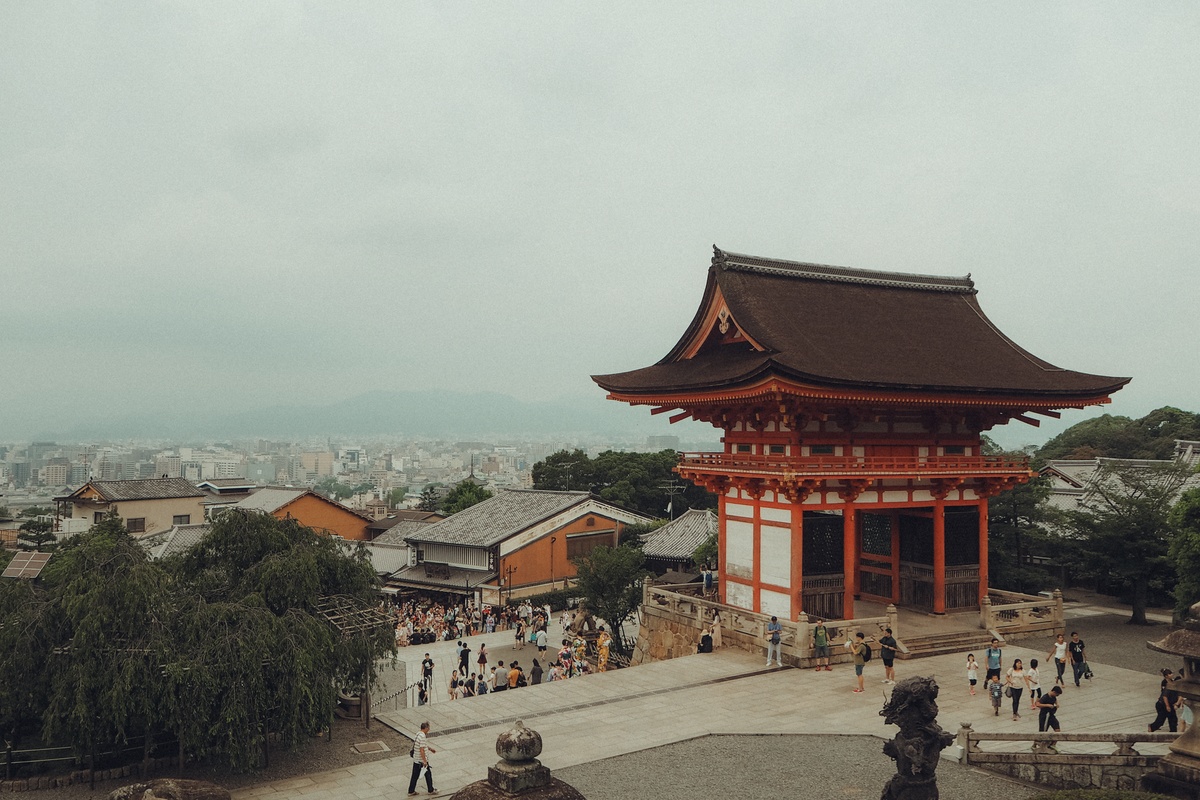
If you want local flavor, go to Torisei Honten in the Fushimi sake district. Lunch sets are ~$15 and include fresh tofu and sake tastings. It’s set in a 150-year-old brewery building — far more atmospheric than central Kyoto’s tourist restaurants.
Reservations aren’t usually needed for weekday lunch in summer, but weekends fill up. Check Google Maps live busyness before walking over.
Stop 3: Daigo-ji Temple (1:00–4:00 p.m.)
Access: From Fushimi-Momoyama → Subway Tozai Line to Daigo Station (~20 minutes, $2.20)
Walk: 10 minutes from station
Cost: $10–$12 depending on seasonal access
Hours: 9:00 a.m.–5:00 p.m.
This is your crowd escape.
Daigo-ji is a UNESCO World Heritage Site, yet receives a fraction of Kiyomizu-dera’s daily visitors. The complex is massive — over 2 million square meters — and includes forest trails, a five-story pagoda (Kyoto’s oldest, built in 951), and multiple sub-temples.
Most tour groups don’t make it this far south. That’s your advantage.
Plan at least 2 hours here. The upper mountain area (Kami-Daigo) requires a 45–60 minute uphill hike. In summer heat, it’s sweaty but rewarding.
If you’re deciding between exploring the lower gardens or hiking up:
- Lower complex: manicured gardens, easier walking, better for photography.
- Upper mountain: fewer people, spiritual atmosphere, serious quiet.
Compared to Arashiyama’s bamboo grove (often 5,000+ daily visitors in peak months), Daigo-ji feels almost undiscovered.
Bus vs Train vs Taxi: What Actually Makes Sense?
Kyoto’s buses are famously slow in summer. Traffic + heat + tourists = frustration.
Here’s the realistic breakdown for this route:
| Route Segment | Bus | Train | Taxi |
|---|---|---|---|
| Kyoto Station → Fushimi Inari | $1.60 / 20–25 min | $1.10 / 5 min | $15 / 15 min |
| Tofuku-ji → Fushimi-Momoyama | $2 / 25–30 min | $1.80 / 10 min | $12 / 10 min |
| Fushimi → Daigo-ji | $2.30 / 35–45 min | $2.20 / 20 min | $18–$22 / 20 min |
Verdict: Take trains. Every time. They’re faster, air-conditioned, and predictable.
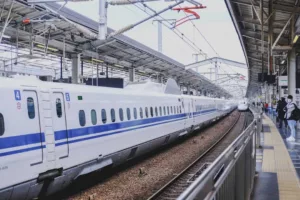
Use an ICOCA IC card (deposit ~$3, refundable). Tap in/out — no tickets needed. You can buy it at JR West ticket machines or pre-load via Apple Wallet if you have a compatible device.
Total Budget Breakdown (Per Person)
- Transport (IC card rides): ~$7
- Tofuku-ji admission: $4–$8
- Daigo-ji admission: $10–$12
- Lunch: $15–$20
- Snacks & drinks: $5
Total: ~$41–$52 for a full temple-hopping day.
Compare that to a private guided tour at $120–$180 per person — and you’re seeing the same sites, just smarter.
Best Time of Year (And Why Summer Isn’t Crazy)
Peak Kyoto months are April (cherry blossom) and November (fall foliage). Hotel prices can double — $120 rooms jump to $250+.
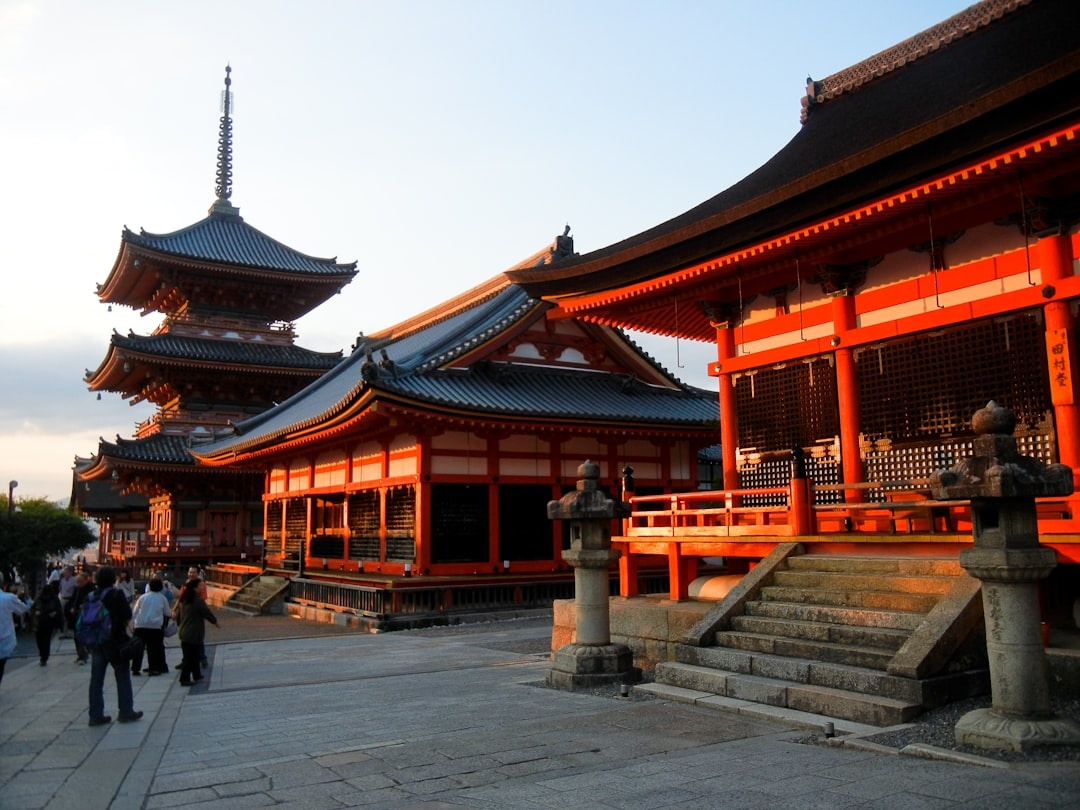
June is rainy season (tsuyu), but showers are usually short bursts. The upside? Fewer international tour groups and vivid greenery.
If summer heat worries you, consider early starts and indoor breaks. Or look at cooler alternatives like the Alps or Scandinavia — we ranked the best options in our guide to Europe’s top “coolcation” destinations for 2026.
Still, Kyoto mornings in June are magical. Mist in the forest at Fushimi Inari beats any perfectly blue-sky midday crowd scene.
Pro Tech Tips for a Smoother Day
- Google Maps + Navitime Japan: Compare routes; Navitime shows platform numbers.
- Download offline maps: Cell signal can weaken on mountain trails.
- Carry a small power bank: You’ll easily walk 20,000+ steps.
- Check temple websites directly: Seasonal hours change. Daigo-ji updates at daigoji.or.jp.
- Use coin lockers at Kyoto Station: $4–$6 per day instead of carrying luggage.
Should You Stay Nearby?
If you want to double down on early access, stay near Kyoto Station or along the JR Nara Line.
Hotel Granvia Kyoto (inside Kyoto Station) runs ~$140–$220 per night in June and lets you walk straight to the platform for that 6:45 a.m. train.
Budget option: Piece Hostel Kyoto, dorm beds from ~$28, private rooms from ~$85.
Staying central beats commuting from Osaka if your goal is crowd-free mornings.
Final Verdict: Is This the Best 1-Day Kyoto Temple Route?
For crowd avoidance and efficiency, yes.
You’re combining Kyoto’s most iconic shrine (Fushimi Inari), a Zen masterpiece (Tofuku-ji), and a sprawling UNESCO complex (Daigo-ji) — all within a tight geographic cluster in southern Kyoto.
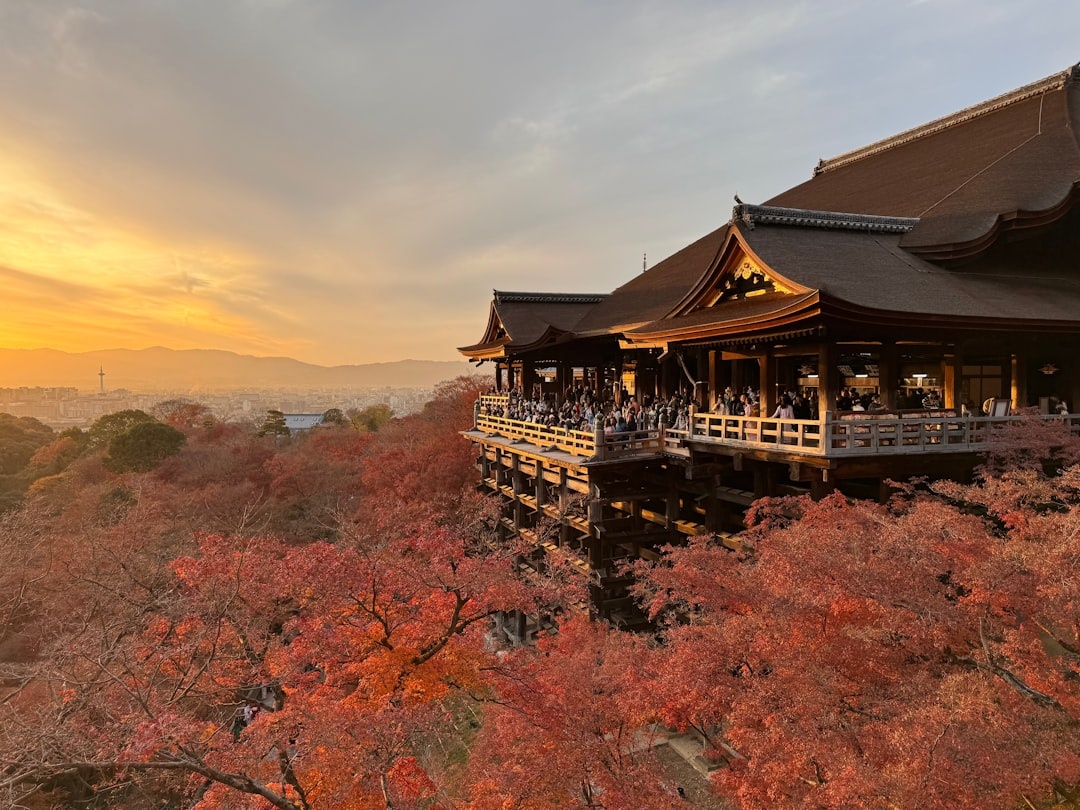
Skip Kinkaku-ji and Kiyomizu-dera on the same day. They’re beautiful, but pairing them with this route adds transit time and triples your exposure to peak tour traffic.
Start early. Take trains. Walk when it’s shorter than waiting. And push 20 minutes farther than everyone else at Fushimi Inari.
That’s how you experience Kyoto — not just photograph it.
If you want to stay close to your temple-hopping route, browse hotels in Kyoto to find the best early-access locations and rates.
Frequently Asked Questions
How long does it take to hike all of Fushimi Inari?
The full loop to the summit and back is about 4 km (2.5 miles) and takes 2–3 hours. Most visitors turn around after 60–90 minutes at Yotsutsuji viewpoint.
Is Daigo-ji worth visiting compared to Kiyomizu-dera?
Yes if you prefer space and quiet. Kiyomizu-dera gets significantly larger daily crowds, while Daigo-ji offers a larger complex, forest trails, and fewer tour groups for $10–$12 entry.
Should I use buses or trains in Kyoto?
For this route, trains are faster and more reliable. Expect 5–20 minute train rides vs 25–45 minutes by bus in summer traffic.
What time should I arrive at Fushimi Inari to avoid crowds?
Arrive by 7:00 a.m. for noticeably thinner crowds and cooler temperatures. After 9:00 a.m., tour groups begin arriving steadily.

About the Author: Tomáš Bzirský
Founder and editor of Distratech. Based in the Czech Republic, travelling regularly from Central Europe. Writes practical travel guides and travel-tech comparisons (eSIM, apps, airports) in six languages.