Osaka calls itself “Japan’s Kitchen” for a reason. Yes, you’ll see takoyaki on every corner of Dotonbori—but if that’s all you eat, you’re missing the real flavor of the city.
Summer 2026 is peak street-food season in Osaka: humid evenings, neon reflections on the canal, beer gardens packed, and food stalls staying open late. Below are 15 dishes you should order instead of (or alongside) takoyaki—plus exactly where to find the best versions in Dotonbori and Shinsekai, with prices and practical tips.
Key Takeaways
- Expect to spend $6–$15 per dish in Dotonbori; Shinsekai is 10–20% cheaper on average.
- Best time to eat in summer: before 6:30 pm or after 9 pm to avoid 30–60 min lines.
- ICOCA transit card saves time vs single tickets (¥180/$1.20 per metro ride).
- Budget $35–$50 per person for a serious food crawl with drinks.
Dotonbori: Neon, Crowds, and Osaka Classics Done Right
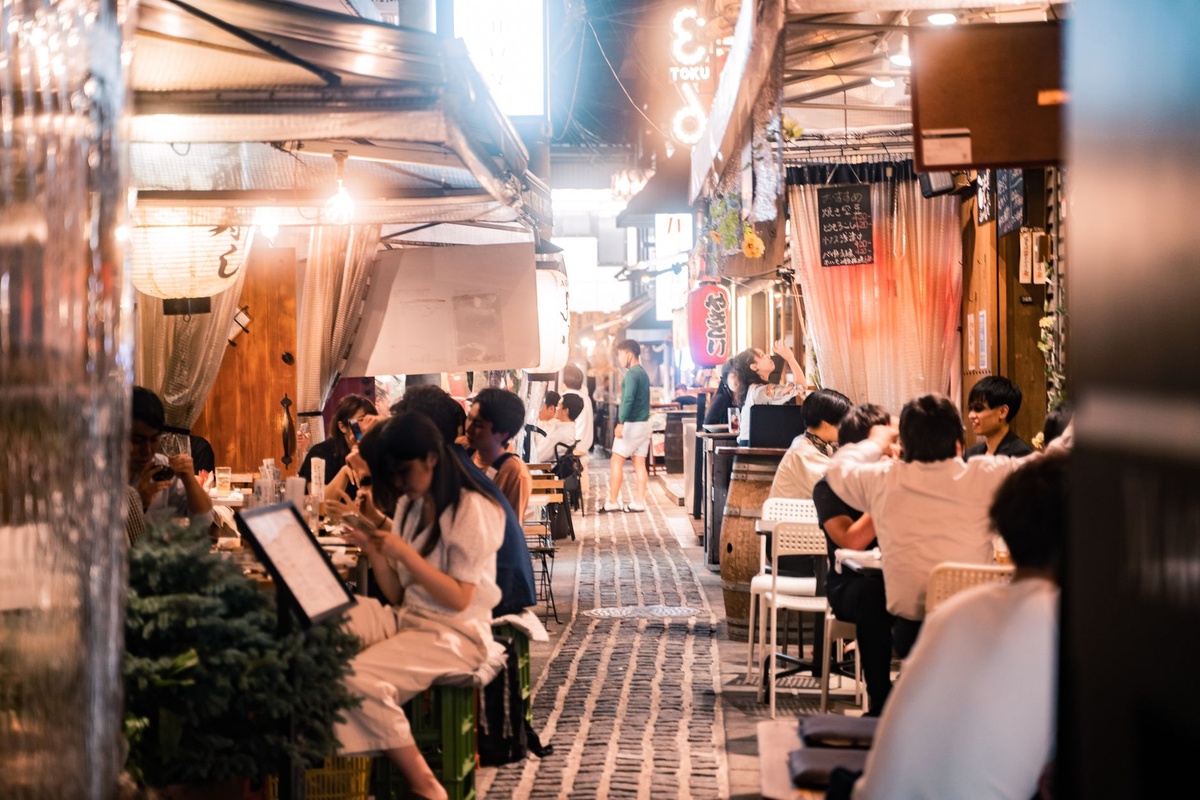
Dotonbori is chaotic and touristy—and still worth it. Just be selective. Skip the random photo-friendly stalls with 40-minute lines and go to places locals actually use.
1. Okonomiyaki at Mizuno
What it is: Savory cabbage pancake with pork, seafood, or both.
Where: Mizuno (1-4-15 Dotonbori), 3-minute walk from Namba Station. Open 11:00 am–9:00 pm. Closed Wednesdays.
Price: ¥1,500–¥2,000 ($10–$14).
Mizuno has been around since 1945. The yam-based batter is fluffier than chain spots like Chibo (which charges similar prices but feels more commercial). Go for the “Yamaimo-yaki” with pork and squid.
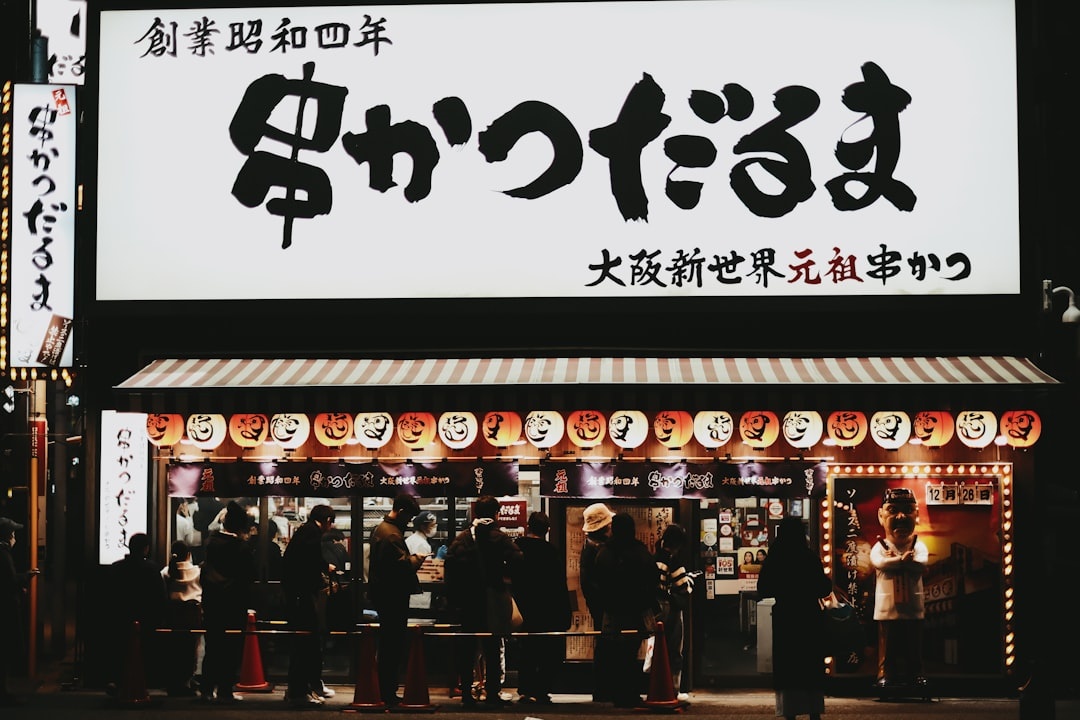
2. Kushikatsu at Daruma (Dotonbori branch)
What it is: Deep-fried skewers—meat, shrimp, lotus root.
Where: Kushikatsu Daruma, 5-minute walk from Ebisu Bridge. Open 11:00 am–10:30 pm.
Price: ¥130–¥350 per skewer ($0.90–$2.50).
Yes, Daruma is a mini-chain. But it’s consistent. Rule: no double-dipping in the communal sauce. Compared to Shinsekai’s original branch, this one has shorter waits (15–20 min vs 30–40 min at night).
3. Negiyaki at Yamamoto Honten
What it is: Green-onion-heavy pancake, lighter than okonomiyaki.
Where: 10-minute walk from Dotonbori (Higashishinsaibashi). Open 11:30 am–2:00 pm, 5:00–9:00 pm.
Price: ¥1,300 ($9).
Less touristy, more delicate. If you’re heat-sensitive in summer, this feels lighter than the mayo-heavy standard okonomiyaki.
4. Horumon (Grilled Offal) at Matsuya
Where: 7-minute walk from Namba Station. Open 5:00 pm–11:00 pm.
Price: ¥1,000–¥1,800 ($7–$12).
Order mixed beef intestines with cabbage and beer. It’s rich, smoky, and very Osaka. Way more local than lining up 45 minutes for Instagram sushi.
5. Kitsune Udon at Dotonbori Imai
What it is: Thick noodles with sweet fried tofu.
Where: 2 minutes from the canal. Open 11:00 am–9:30 pm.
Price: ¥900–¥1,200 ($6–$8).
Osaka-style broth is lighter than Tokyo’s soy-heavy version. In 30°C (86°F) summer heat, order the chilled version.
6. Butaman (Pork Buns) at 551 Horai
Where: Namba Station basement food hall. Open 10:00 am–9:00 pm.
Price: ¥230 ($1.60) per bun.
Juicy, peppery, and better than convenience store versions. Expect a 10-minute queue; it moves fast.
7. Warabimochi at Tsurutontan Café Stall
Price: ¥600 ($4).
Soft bracken starch jelly dusted in kinako. Perfect cool-down dessert compared to heavier matcha parfaits.
Shinsekai: Grittier, Cheaper, and More Local
Shinsekai feels stuck in the 1960s—in a good way. It’s 15 minutes by metro from Namba (¥180/$1.20, 10 minutes on the Midosuji Line to Dobutsuen-mae).
Taxi comparison:
| Route | Metro | Taxi |
|---|---|---|
| Namba → Shinsekai | ¥180 ($1.20), 10 min | ¥1,200 ($8), 15–20 min |
Unless you’re carrying luggage, take the metro.
8. Original Kushikatsu at Yaekatsu
Where: 2 minutes from Tsutenkaku Tower. Open 10:30 am–9:30 pm.
Price: ¥120–¥300 per skewer ($0.80–$2).
Better than Daruma, cheaper too. Lines hit 30–45 minutes after 6 pm in summer. Go at 4 pm.
9. Doteyaki at Nonkiya
What it is: Beef tendon simmered in miso.
Price: ¥500 ($3.50).
Sweet, rich, and perfect with cold Asahi (¥550/$4). You won’t find this done as well in Dotonbori.
10. Oden at Hanakujira (nearby Fukushima, worth the 12-min train ride)
Where: 12 minutes from Shinsekai by JR Loop Line. Open 3:00 pm–11:00 pm.
Price: ¥150–¥400 per item ($1–$3).
Light broth, summer-friendly. Skip heavy ramen; oden feels smarter in humid weather.
11. Tecchiri (Fugu Hotpot) at Tsurugiku
Price: Lunch sets from ¥3,000 ($21).
Yes, blowfish. Osaka is famous for it. Tokyo equivalents often start at ¥5,000 ($35+). If you’re curious, this is the budget entry point.
12. Ikayaki (Grilled Squid Pancake) at local street stands
Price: ¥300–¥400 ($2–$3).
Chewy, savory, brushed with sweet soy. Quick, cheap, no-frills.
13. Korokke (Croquettes) at Ganso Kushikatsu Daruma Shinsekai
Price: ¥150 ($1).
Crispy outside, creamy potato inside. Ideal snack between stops.
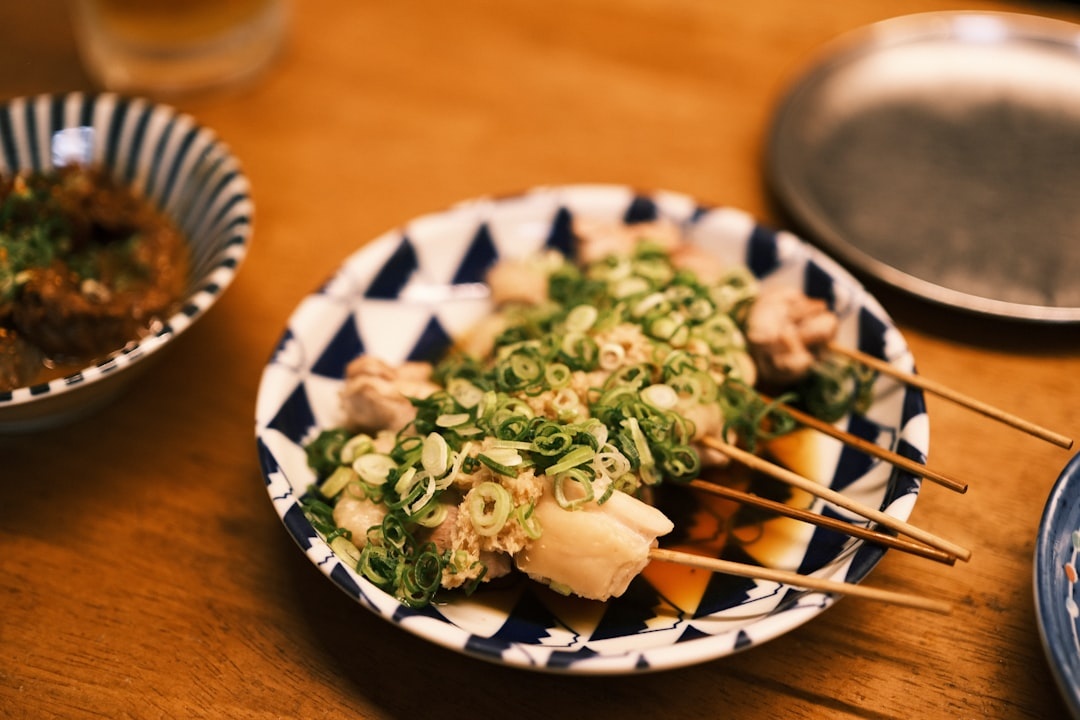
14. Hiyayakko (Cold Tofu) at local izakayas
Price: ¥350–¥500 ($2.50–$3.50).
Simple tofu with ginger and scallions. In Osaka’s sticky July evenings, this beats fried food overload.
15. Mixed Juice at Shinsekai Juice Stand
What it is: Osaka’s retro banana-orange-peach milk blend.
Price: ¥400 ($3).
Invented here in the 1940s. Think Japanese smoothie, not health bar green juice.
How Much Does an Osaka Food Crawl Cost?
If you sample 8–10 dishes with 2 beers, here’s a realistic breakdown:
| Item | Estimated Cost (USD) |
|---|---|
| 6 savory dishes | $35 |
| 2 desserts/snacks | $7 |
| 2 beers | $8 |
| Metro rides | $3 |
| Total | $53 |
Compare that to a guided food tour at $90–$120 per person. DIY wins if you’re comfortable navigating.
Summer 2026 Tips: Heat, Crowds, and Smart Planning
Osaka in June–August averages 28–33°C (82–91°F) with heavy humidity. Plan around it.
- Eat early: 5:00–6:30 pm avoids peak lines.
- Carry cash: Many small spots are still cash-only.
- Use Google Maps + Tabelog: Tabelog ratings above 3.5 are solid.
- Stay nearby: Namba or Shinsaibashi cuts late-night taxi costs.
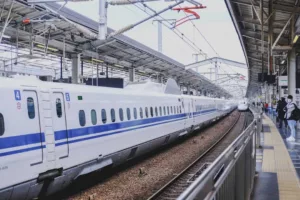
If you’re pairing Osaka with Kyoto, use this smart Kyoto temple route to avoid the midday tour bus chaos. Kyoto is 15 minutes by shinkansen (¥1,420/$10) or 45 minutes by local train (¥570/$4).
Where to Stay for Easy Food Access
Cross Hotel Osaka: 1 minute from Dotonbori. Summer rates around $180–$220 per night. Modern rooms, strong AC (critical in July).
Hotel the Flag Shinsaibashi: 8-minute walk to Dotonbori. Around $140–$170 per night. Better value, slightly quieter.
Staying near Shinsekai is cheaper (business hotels from $90), but the area is less polished at night. I’d sleep in Namba and commute 10 minutes.
Skip This, Do That
Skip: 60-minute takoyaki lines at the most Instagram-famous stalls.
Do: Grab kushikatsu in Shinsekai and spend the extra time bar-hopping.
Skip: Overpriced “all-you-can-eat wagyu” for $80+.
Do: Order specific cuts at a local yakiniku spot for $25–$35 total.
Osaka rewards curiosity. The best meals here aren’t fancy—they’re loud, cheap, and eaten standing up.
Final Bite
Takoyaki is fun. But Osaka’s real identity lives in sizzling kushikatsu, delicate negiyaki, sweet miso doteyaki, and icy bowls of kitsune udon.
Come hungry. Bring small bills. And build your own crawl across Dotonbori and Shinsekai this summer.
If you’re planning a wider Kansai trip, combine this with Kyoto and Kobe—and turn it into a full food-focused week in Japan.
To lock in your Osaka base for the Summer 2026 food crawl, browse and compare nearby stays with Osaka hotel deals.
Frequently Asked Questions
How much should I budget for food in Osaka per day?
Plan $35–$60 per person for a serious food crawl with drinks. Casual meals can be as low as $10, while specialty items like fugu start around $21 for lunch.
Is Shinsekai cheaper than Dotonbori for food?
Yes. Expect prices 10–20% lower in Shinsekai, especially for kushikatsu (from $0.80 per skewer vs $1–$2.50 in Dotonbori).
What time should I visit Dotonbori in summer?
Arrive before 6:30 pm or after 9 pm to avoid 30–60 minute dinner lines. Temperatures drop slightly after sunset, making it more comfortable to explore.
Is it worth doing a guided Osaka food tour?
Tours cost $90–$120 per person. If you’re comfortable using Google Maps and Tabelog, you can recreate a similar experience for around $50.

About the Author: Tomáš Bzirský
Founder and editor of Distratech. Based in the Czech Republic, travelling regularly from Central Europe. Writes practical travel guides and travel-tech comparisons (eSIM, apps, airports) in six languages.