'/%3E%3Cpath%20fill='%23b2b2b2'%20d='M241%20382q0%2016%2017%2026%2017%2011%2042%2011t42-11q16-11%2017-26V269H241'/%3E%3Cpath%20fill='%239f7e00'%20d='M241%20379q0%2014%208%2023%209%209%2021%209%2014%200%2021-9%209-9%209-23V269h-59'/%3E%3Cpath%20d='M241%20339v-70h59v110q0%2014-9%2023l-6%205v-68h-15v72q-8%200-14-4v-68zm59%2040c0%2022%2015%2032%2029%2032%2021%200%2030-18%2030-32v-40h-59'/%3E%3Cpath%20fill='%239f7e00'%20d='M266%20277v5h2v12h-3v-5h2v-5h-9v5h2v5h-4v9h3v18h-5v10h34v-10h-5v-18h3v-9h-4v-5h2v-5h-9v5h2v5h-3v-12h2v-5zm42%20101q0%2010%206%2017%206%206%2015%207%2010-1%2016-7%206-7%206-17v-29h-43'/%3E%3Ccircle%20fill='%230044ad'%20cx='329.5'%20cy='372'%20r='6'/%3E%3Cellipse%20fill='%230044ad'%20cx='300'%20cy='340'%20rx='16'%20ry='21'/%3E%3C/svg%3E)
'/%3E%3C/svg%3E)


'/%3E%3C/g%3E%3Cuse%20href='%23c'%20transform='matrix(-1%200%200%201%20720%200)'/%3E%3C/svg%3E)


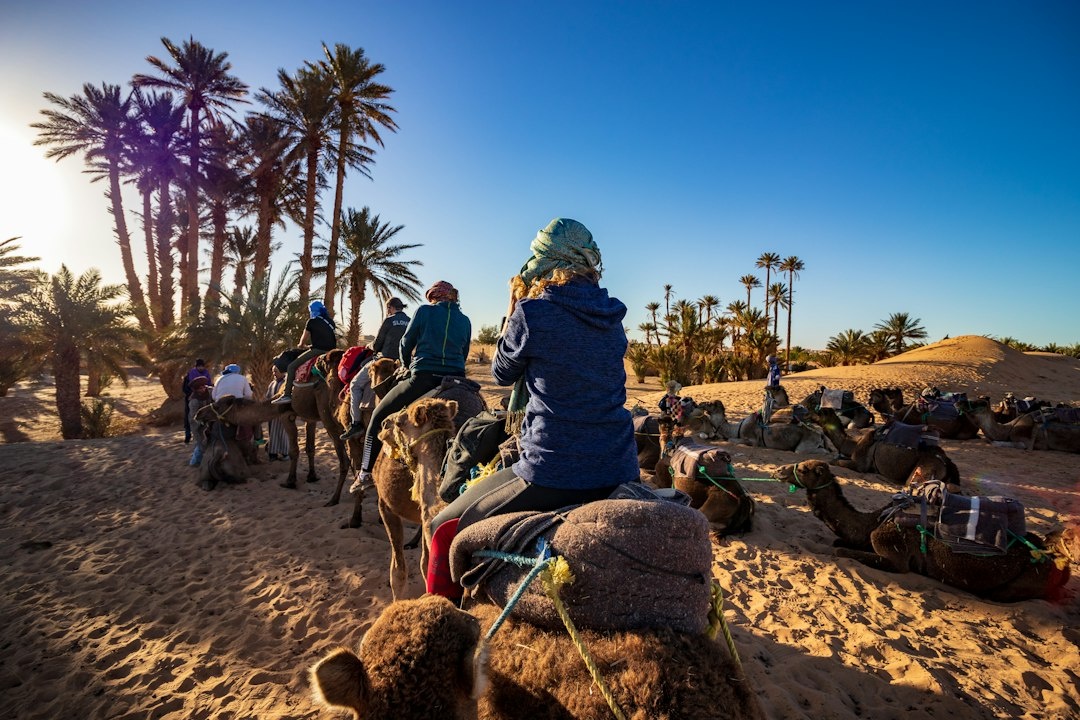
Driving from Marrakech across the High Atlas to Aït Benhaddou, Erg Chebbi and Fès is one of Morocco’s great journeys—and far easier than its reputation suggests. The winning formula is simple: rent a small conventional car, avoid driving after dark, keep cash for fuel and fines, and resist cramming the 800-kilometer route into four exhausting days.
Key Takeaways
- Allow 10 days and roughly 1,100 kilometers, including the Dades Gorge, Todra Gorge and local transfers.
- A compact manual rental costs about €32–€48 per day in October 2026, plus a €60–€120 one-way fee.
- Budget €1,190–€1,760 solo, excluding international flights but including the car, fuel, riads, food and desert camp.
- Never drive onto Erg Chebbi’s sand; leave the rental at your Merzouga hotel and use the camp’s 4×4 transfer.
- October brings 25–30°C desert afternoons but High Atlas temperatures can fall below 8°C after sunset.
Key Numbers at a Glance
| Trip detail | Recommended figure | October 2026 planning cost |
|---|---|---|
| Total trip length | 10 days / 9 nights | €1,190–€1,760 solo |
| Total driving | About 1,100 km / 20–23 hours | €70–€90 in fuel |
| Longest day | Merzouga to Midelt, 265 km | 4–5 hours plus stops |
| Compact manual rental | 8 days | €255–€385 plus one-way fee |
| One-way rental fee | Marrakech to Fès | €60–€120 |
| Riads | Private room with breakfast | €55–€130 per night |
| Desert camp | Dinner, breakfast and transfer | €95–€180 solo |
| Planning exchange rate | €1 ≈ 10.8 MAD | $1 ≈ 9.9 MAD |
Prices are realistic planning ranges checked for October 2026; Morocco’s fuel prices and exchange rates move regularly, so confirm them before paying.
First Decision: Car, SUV or Private Driver?
Choose a compact manual if you can operate one confidently on steep hairpins. A Dacia Sandero, Renault Clio or Peugeot 208 is enough because the Marrakech–Aït Benhaddou–Merzouga–Fès route is paved.
Choose an automatic if solo driving already feels stressful, but reserve early: automatics commonly cost €55–€80 per day versus €32–€48 for a manual. Choose a private driver only if photography, roadside stops and zero navigation stress matter more than budget.
| Option | October 2026 price | Best for | Main drawback |
|---|---|---|---|
| Compact manual | €32–€48/day | Confident drivers on a budget | Frequent gear changes in the Atlas |
| Compact automatic | €55–€80/day | Nervous or city-based drivers | Limited inventory |
| Small SUV | €65–€100/day | Extra luggage and higher seating | No real advantage on this paved route |
| Private car and driver | €160–€230/day | Travelers who do not want to drive | Roughly three times the self-drive cost |
| Bus combination | €65–€100 total | Lowest possible budget | No Telouet, Skoura or flexible gorge stops |
My verdict: rent the smallest comfortable manual with full glass, tire and underbody protection. Skip the SUV upgrade; spend the €200–€350 saving on better riads and a reputable desert camp.
Where to book the car
Compare rates on Discover Cars and Rentalcars.com, then compare the final insured price with Hertz, Avis, Europcar and Sixt Morocco. A €28 headline rate can become €55 after insurance, airport fees and the one-way charge.
Enter different pickup and return locations before paying. Some local agencies advertise one-way rentals but later demand that the car be returned to Marrakech, an extra 530 kilometers and at least eight hours from Fès.
- License: Most agencies accept a valid Latin-alphabet license; carry an International Driving Permit if your license uses another script.
- Deposit: Expect a €700–€1,500 credit-card hold with basic cover, versus €100–€500 with stronger zero-excess cover.
- Inspection: Film every panel, wheel, tire and the fuel gauge before leaving the lot.
- Contract: Confirm unlimited kilometers, roadside assistance and permission for one-way drop-off in writing.
- Fuel policy: Full-to-full is preferable to “same-to-same,” which creates disputes over an imprecise gauge.
The Step-by-Step 10-Day Morocco Road Trip
Day 1: Arrive in Marrakech—Do Not Collect the Car Yet
Take an official airport taxi or prearranged riad transfer into the medina. The fixed daytime taxi price is generally around 100–150 MAD (€9–€14), while a private transfer costs approximately €18–€25 and eliminates bargaining.
Do not collect the rental on arrival unless your accommodation has secure parking. Medina lanes are hostile to cars, and public lots charge roughly 30–60 MAD (€3–€6) overnight while leaving you responsible for mirror scratches and luggage.
Stay at Riad Dar Najat, usually €90–€130 with breakfast, or Riad l’Oiseau du Paradis, often €70–€105. Both arrange airport transfers and are easier to reach than deeply buried riads.
Day 2: Marrakech Without a Car
Start at Bahia Palace, generally open 9:00–17:00 and priced around 100 MAD (€9.25) for international visitors. Then walk 15 minutes to the Saadian Tombs, usually open 9:00–17:00 for roughly 100 MAD.
Ben Youssef Madrasa typically opens 9:00–18:00 and costs about 50 MAD (€4.60). Go before 10:00; at midday, tour groups can turn a 40-minute visit into a cramped 90-minute shuffle.
Book dinner at Nomad, where a main course costs 120–180 MAD (€11–€17), but skip its often-crowded rooftop at sunset. Eat earlier, then watch Jemaa el-Fna from Café de France for the price of a 30–40 MAD mint tea rather than paying for an expensive set menu.
Day 3: Marrakech to Aït Benhaddou via Telouet
Distance: 190 km. Driving time: 4.5–5.5 hours without long stops. Collect the car around 08:00 from an agency near Marrakech airport, where roads are easier than the medina.
Follow the N9 over the 2,260-meter Tizi n’Tichka Pass. The modernized road is paved, but trucks, blind curves and sudden fog can reduce average speed to 40 km/h; 190 kilometers here feels closer to 300 kilometers on a European motorway.
Turn onto the P1506 for Telouet and visit the Glaoui Kasbah, generally accessible from about 09:00–17:30 for 20–30 MAD (€1.85–€2.80). The P1506 toward Aït Benhaddou is paved, scenic and slower than the N9, adding roughly 35 minutes but avoiding backtracking.
Stay at Kasbah Tebi, usually €85–€125 including breakfast, inside the fortified village. For easier luggage handling and parking, choose Riad Caravane across the river at roughly €110–€160.
Fuel: Leave Marrakech with a full tank. Although stations exist along the N9, mountain supplies are less predictable; a compact car uses only about 12 liters on this stage, versus 50 liters for a typical full tank.
Day 4: Aït Benhaddou to the Dades Valley
Distance: 170 km including the gorge. Driving time: 3.5–4.5 hours. Visit Aït Benhaddou at 08:00 before day tours arrive from Marrakech around 10:30.
Walking through the UNESCO ksar is free; local custodians may request about 20 MAD (€1.85) to access a privately managed upper granary or viewpoint. Skip unsolicited “shortcut” guides at the river crossing and use the pedestrian bridge.
Drive 30 kilometers to Ouarzazate. Atlas Studios generally opens around 08:30–18:00, with admission near 80 MAD (€7.40), but I would skip it unless film sets genuinely interest you; the restored Kasbah Amridil in Skoura offers more historical substance for approximately 40 MAD (€3.70).
Refuel at an Afriquia or Shell station on Ouarzazate’s N10 before continuing through the Valley of Roses. Most large stations accept cards, yet terminals can be “offline,” so carry at least 500 MAD (€46) in cash.
Stay at Chez Pierre near Boumalne Dades, typically €95–€145 with breakfast. Its multi-course dinner costs around 250–350 MAD (€23–€32), more than a 90 MAD roadside tajine but substantially better than most hotel buffet food.
Day 5: Dades Gorge to Merzouga via Todra Gorge
Distance: 255 km. Driving time: 5–6 hours with Todra Gorge. This is the most varied day, moving from red canyon walls to palm oases and the edge of the Sahara.
Drive the Dades switchbacks early, then return toward Boumalne and continue to Tinghir. The canyon road is paved; attempting rough side tracks in a rental saves no meaningful time and may invalidate underbody coverage.
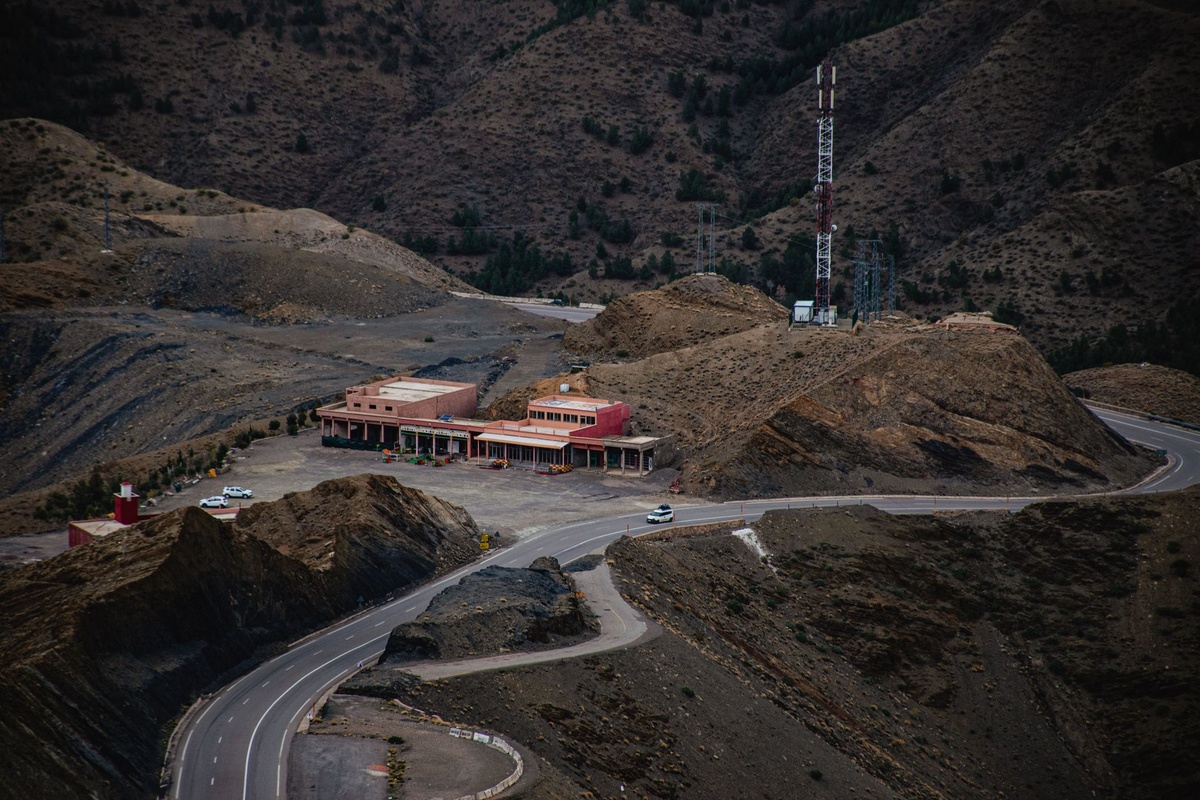
Park near Todra Gorge and walk the final kilometer. Arriving before 10:00 delivers cooler temperatures and fewer minibuses; a guided two-hour walk costs approximately 250–400 MAD (€23–€37), while walking through the main gorge independently is free.
Fuel at Afriquia Tinghir or in Erfoud, even if the gauge remains above half. Tinghir to Merzouga is around 200 kilometers, and a station charging 13 MAD per liter is preferable to searching for an open pump after sunset.
Stay at Riad Madu, commonly €120–€180 with breakfast, or Kasbah Mohayut at approximately €65–€100. Both can secure the rental while you spend the following night in the dunes.
Day 6: Erg Chebbi Desert Camp—Park the Rental
Do not follow Google Maps onto sand, regardless of what a camp employee says by phone. Park at the camp operator’s lodge and take the included 4×4 transfer; recovery from soft sand can cost 1,000–3,000 MAD (€93–€278), and rental insurance rarely covers off-road driving.
A reputable camp package costs €95–€180 solo, including dinner, breakfast and 4×4 or camel transfer. Private en-suite tents usually begin near €140, compared with €55–€80 for a shared-bath camp.
Ali & Sara’s Desert Palace and Sahara Stars Camp are stronger choices than anonymous “luxury camp” listings with copied photographs. Confirm the camp’s exact location, bathroom type, heating and pickup arrangements before paying.
In October, Merzouga afternoons typically reach 27–31°C, but temperatures can drop to 12–16°C before dawn. Sunset is around 18:40–19:05 during the month, so schedule pickup roughly two hours earlier.
October’s clearer nights also make this a strong noctourism stop. Erg Chebbi’s darkest views are away from Merzouga’s lodge lights, and a moonless night reveals markedly more stars than the illuminated campfire area.
Day 7: Merzouga to Midelt
Distance: 265 km. Driving time: 4–5 hours. Return from camp after sunrise, collect the car, check tire pressure and take the N13 north through Erfoud and Errachidia.
Refuel in Errachidia, approximately 125 kilometers from Merzouga. The next reliable large-town fuel stop is Midelt, about 140 kilometers farther, so this is the wrong stage to test the reserve light.
Stop above the Ziz Valley for photographs, but use a proper pullout rather than stopping in the traffic lane. Roadside fossil shops around Erfoud quote anything from 50 to 500 MAD; if prices are unmarked, comparison-shop instead of negotiating under pressure.
Stay at Villa Pomme d’Or in Midelt, around €60–€90 including breakfast. Midelt is not a destination on the level of Fès, but splitting the journey here is safer than driving 470 kilometers from Merzouga to Fès in one day.
Day 8: Midelt to Fès
Distance: 205 km. Driving time: 3.5–4.5 hours. The N13 crosses the Middle Atlas via Azrou, where forests, livestock and Barbary macaques can slow traffic.
Skip feeding macaques beside the road. It encourages aggressive behavior and creates dangerous roadside stopping; a short forest walk near Azrou is free, compared with the potential 300 MAD fine for obstructing traffic.
Fill up in Midelt or Azrou before returning the car in Fès. Photograph the dashboard, bodywork and fuel receipt, then obtain a signed return document rather than leaving keys at an unattended desk.
Stay at Dar Seffarine, generally €115–€165, or Riad Laaroussa, around €170–€260. For additional availability, compare hotels in Fès, but prioritize a riad offering a staffed meeting point outside the car-free medina.
Day 9: Explore Fès on Foot
Hire a licensed guide for the morning rather than following strangers who promise to show “the only open street.” A private half-day tour generally costs 400–650 MAD (€37–€60), while group tours begin around 200 MAD per person.
Visit Bou Inania Madrasa, usually open roughly 09:00–17:00 for around 20 MAD (€1.85), and view Chouara Tanneries from a legitimate leather-shop terrace. A small 10–20 MAD tip is sufficient; you do not owe anyone a €200 leather jacket.
Eat lunch at The Ruined Garden, where mains cost approximately 110–180 MAD (€10–€17), and reserve dinner at Nur only if you want a serious tasting menu. Nur can exceed 1,000 MAD (€93) per person, versus about 150 MAD for a solid neighborhood dinner.
Day 10: Depart Fès
Fès–Saïs Airport is approximately 17 kilometers from the medina. Allow 30–40 minutes by taxi and agree on roughly 150–200 MAD (€14–€19), or book a private riad transfer for €20–€30.
If you kept the rental until departure, add an extra day’s fee and allow 30 minutes for inspection. Returning it on Day 8 is usually cheaper: two taxi transfers total around €25–€40, versus €65–€100 for two extra rental days and parking.
Fuel Stops, Road Conditions and Police Checks
| Route segment | Distance | Recommended fuel stop | Fuel strategy |
|---|---|---|---|
| Marrakech–Aït Benhaddou | 190 km | Fill in Marrakech | Do not depend on mountain stations |
| Aït Benhaddou–Dades | 170 km | Ouarzazate N10 | Fill before Skoura |
| Dades–Merzouga | 255 km | Tinghir or Erfoud | Keep at least half a tank |
| Merzouga–Midelt | 265 km | Errachidia | Best midpoint stop |
| Midelt–Fès | 205 km | Midelt or Azrou | Refill before car return |
For October 2026 budgeting, allow roughly 12–13.5 MAD per liter (€1.11–€1.25) for diesel and 14–15.5 MAD (€1.30–€1.44) for petrol. A compact petrol car averaging 6.2 liters per 100 kilometers uses about 68 liters over 1,100 kilometers, costing approximately €88–€98.
Attendants pump the fuel. State the amount clearly—“plein” for full or “300 dirhams”—check that the pump begins at zero, and tip 5–10 MAD only if someone cleans the windshield.
What happens at Moroccan police checks?
Police and gendarmerie checkpoints are common at town entrances. Slow down early, stop fully at the sign or officer, keep both hands visible and wait to be waved through; most interactions take under 60 seconds.
Carry your passport, license, rental contract and insurance document within reach. Never leave your passport as security with a guide, hotel or roadside vendor.
Typical limits are 60 km/h in towns, 80–100 km/h on signed open roads and 120 km/h on motorways. Mobile radar is frequently positioned just after speed-limit changes, where dropping from 100 to 60 km/h matters more than keeping pace with local traffic.
Traffic penalties commonly run from 150 to 700 MAD (€14–€65), depending on the offense and severity. If fined, remain polite, ask for an official receipt and do not suggest an unofficial payment.
Navigation, Connectivity and Solo-Travel Tech
Download Google Maps offline for Marrakech, Drâa-Tafilalet and Fès-Meknès, then install Organic Maps as a backup. Google is better for fuel stations and businesses; Organic Maps often keeps routing when mobile service disappears.
Do not trust estimated journey times blindly. Google may show Marrakech to Aït Benhaddou as 3 hours 20 minutes, but photo stops, trucks and roadworks make 4.5 hours more realistic.
A Maroc Telecom tourist SIM generally costs 50–100 MAD (€4.60–€9.25), with data packages around 100 MAD for 10–20 GB depending on the promotion. It usually offers stronger rural coverage than relying exclusively on hotel Wi-Fi.
For setup before landing, compare an eSIM from Airalo, but check whether the package is data-only. A local number helps when a rental desk, riad porter or desert driver needs to call you.
- Save each riad’s WhatsApp number and GPS meeting point.
- Carry a 20,000 mAh power bank; navigation can drain a phone in 5–7 hours.
- Mount the phone below the windshield rather than holding it while driving.
- Photograph rental documents and store copies offline.
- Download French and Arabic in Google Translate.
- Share the day’s route and expected arrival time with one contact.
Scam pressure in Morocco is usually conversational rather than technically sophisticated: fake parking attendants, unsolicited guides and inflated prices are more common than card cloning. The same pause-and-verify approach used in our comparison of taxi, ATM and night-market scams after dark works here—step away, check the price and pay only when the service is clear.
Where to Sleep: Riad Versus Roadside Hotel
Choose a medina riad in Marrakech and Fès if atmosphere and walkability matter. Choose a roadside kasbah around Dades and Merzouga if secure parking and an early departure matter more than being inside an old town.
| Stop | Recommended stay | October 2026 double-room range | Why choose it |
|---|---|---|---|
| Marrakech | Riad Dar Najat | €90–€130 | Reliable transfers and good location |
| Aït Benhaddou | Kasbah Tebi | €85–€125 | Inside the historic ksar |
| Dades Valley | Chez Pierre | €95–€145 | Best dinner on the route |
| Merzouga | Riad Madu | €120–€180 | Secure parking and camp transfers |
| Midelt | Villa Pomme d’Or | €60–€90 | Comfortable overnight break |
| Fès | Dar Seffarine | €115–€165 | Historic interiors and strong service |
Solo travelers often pay the full room price rather than half, but breakfast is normally included. Message every property about parking: “parking nearby” can mean an unguarded lot 800 meters away, whereas secure parking should include an identifiable attendant or enclosed courtyard.
Realistic 2026 Solo Budget
| Expense | Budget plan | Comfort plan |
|---|---|---|
| 8-day rental and one-way fee | €315 | €505 |
| Fuel | €80 | €100 |
| 8 riad nights | €480 | €800 |
| 1 desert-camp night | €95 | €180 |
| Food and water | €170 | €280 |
| Admissions and guide | €70 | €140 |
| Taxis, SIM and parking | €55 | €90 |
| Total | €1,265 | €2,095 |
The lower total assumes private but simple rooms, a manual car and mostly local restaurants. Two people sharing the car and rooms can complete the same trip for roughly €850–€1,250 each, making a pair about 25–35% cheaper per person than traveling solo.
Carry 1,000–1,500 MAD (€93–€139) in mixed notes outside major cities, but do not carry the entire trip budget in cash. Bank-affiliated ATMs such as Banque Populaire, Bank of Africa and Attijariwafa are safer choices than standalone currency-conversion machines.
Common First-Time Mistakes
- Driving after sunset: Unlit scooters, pedestrians and livestock make a one-hour night drive riskier than three daylight hours.
- Collecting the car inside Marrakech: Airport pickup is easier and can save €20–€40 in medina parking and porter costs.
- Booking a four-day circuit: Marrakech to Merzouga and onward to Fès needs at least five driving days; four days creates back-to-back six-hour stages.
- Following a desert pin off-road: Park at the lodge and use the camp transfer, even if the sand track appears firm.
- Accepting the first rental price: Compare the insured total, not the base rate; a €35 car with €22 daily insurance is not cheaper than a €50 inclusive rate.
- Letting fuel drop below one-quarter: Southern stations can experience card failures, short closures or fuel shortages.
- Speeding after town exits: The 60 km/h restriction remains valid until a new sign changes it, not when buildings disappear.
- Overpacking: A 45-liter bag fits discreetly in a compact trunk; two large hard cases may remain visible on the rear seat.
Is October the Best Month for This Road Trip?
October is one of the strongest months for this route. Marrakech remains warm at roughly 25–29°C, Merzouga is manageable by day, and the desert night sky becomes more comfortable than during summer’s 40°C-plus heat.
The trade-off is the High Atlas. Temperatures near Tizi n’Tichka can fall below 8°C, and isolated rain may trigger rockfall or brief delays; check road conditions on departure morning rather than relying on yesterday’s forecast.
April offers similar daytime temperatures but a slightly higher chance of spring haze. July can be 15°C hotter in Merzouga, while December brings shorter daylight and possible Atlas snow, so October wins for a first solo drive.
Final Verdict
This route is suitable for a first solo Morocco road trip if you are comfortable with mountain roads, manual transmissions and assertive city-edge traffic. The hardest part is not navigation—it is maintaining discipline around daylight, speed-limit changes and overly ambitious daily distances.
Book the one-way car first, then the desert camp and Chez Pierre; those three elements have the least flexibility. Save this itinerary offline, share it with your emergency contact and build one spare hour into every Atlas and gorge driving day.
Frequently Asked Questions
Is it safe to drive alone in Morocco?
Yes, this paved route is generally manageable for a confident driver who avoids night driving and obeys changing speed limits. Police checks are routine; carry your passport, license, rental agreement and insurance paperwork.
How much does a 10-day Morocco road trip cost?
Budget approximately €1,265 solo for a manual car, simple private riads, food, fuel and a desert camp. A comfort-focused trip costs closer to €2,095, while two people sharing can reduce the cost to roughly €850–€1,250 each.
Do I need a 4×4 to drive from Marrakech to Merzouga?
No. The main route through Aït Benhaddou, Dades, Tinghir, Erfoud and Merzouga is paved, so a compact car is sufficient; use your camp’s 4×4 transfer for the dunes.
Can I rent a car in Marrakech and return it in Fès?
Yes, major agencies offer one-way rentals, typically charging €60–€120 in October 2026. Confirm the Fès return location and fee in writing before paying.
What is the best month to drive from Marrakech to Merzouga?
October and April offer the best balance of daylight and moderate desert temperatures. In October, expect roughly 27–31°C in Merzouga by day but potentially below 8°C at higher Atlas elevations.

About the Author: Tomáš Bzirský
Founder and editor of Distratech. Based in the Czech Republic, travelling regularly from Central Europe. Writes practical travel guides and travel-tech comparisons (eSIM, apps, airports) in six languages.