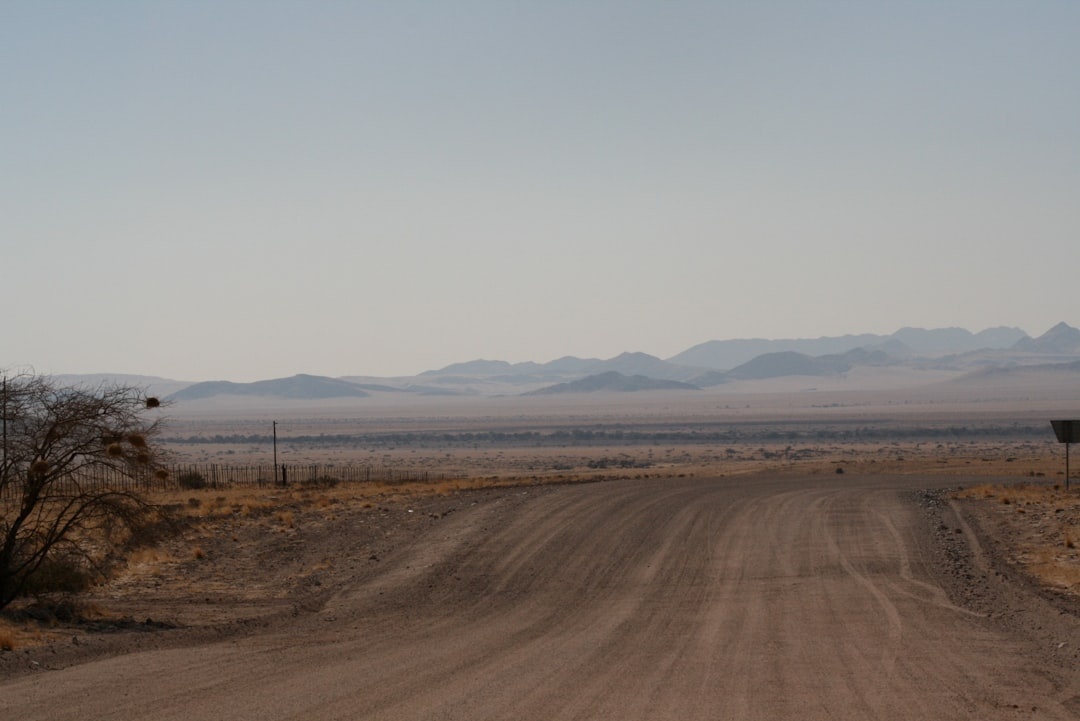
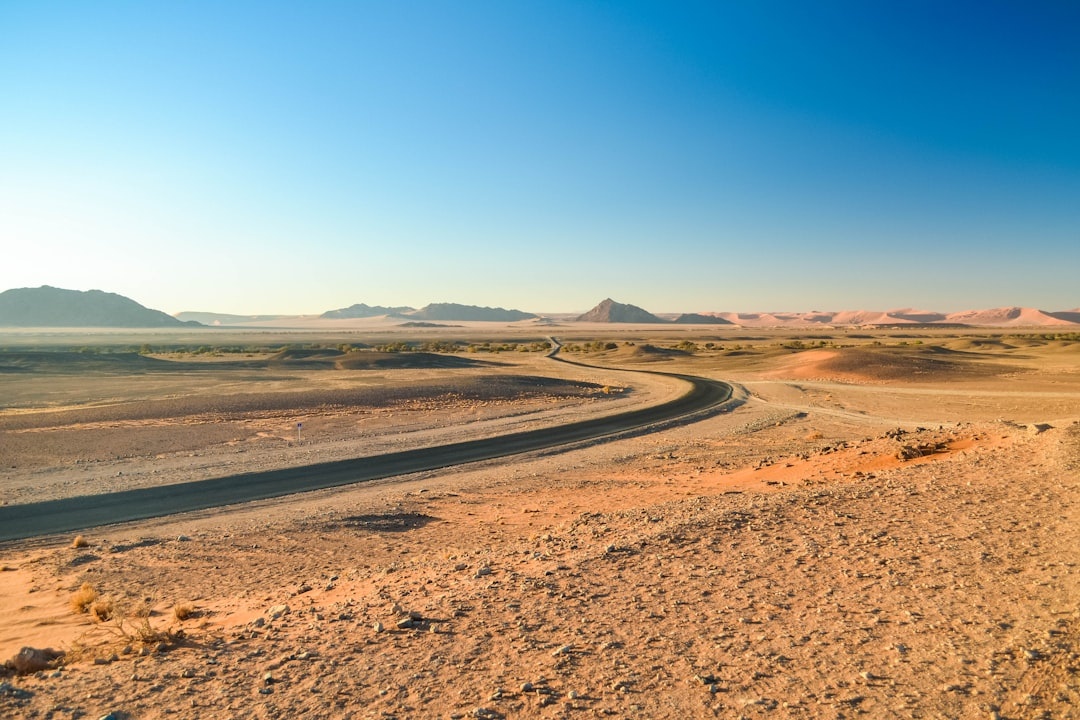
Namibia is one of the few places left where you can drive for an hour and see more giraffes than cars. No tour buses. No fences. Just you, a 4×4, and an empty gravel road cutting through the desert.
June through August is peak safari season here — dry air, clear skies, wildlife crowding around waterholes. If you’re planning a 2026 trip, this is exactly how I’d do it: a 14-day self-drive loop from Windhoek through Sossusvlei, up to Swakopmund, and into Etosha National Park — with real prices, distances, and zero fluff.
Key Takeaways
- 4×4 rental in 2026: $85–$140/day (Toyota Hilux fully insured averages $110/day in high season).
- Fuel in June 2026: ~$1.25 per liter; expect $220–$280 total for this 1,800 km route.
- Best months: May–September for wildlife (dry season, 5–22°C / 41–72°F).
- Park fees: Etosha N$150 ($8) per adult per day; Sossusvlei N$150 per adult.
- Total mid-range budget for 2 people, 14 days: $2,600–$3,800 all-in.
Why Self-Drive Namibia Is the Smart Move (Not a Guided Tour)
Namibia is built for independent travel. Roads are well graded, signage is clear, and traffic outside Windhoek is almost nonexistent.
Guided 10–14 day tours in 2026 average $3,500–$5,000 per person. A self-drive trip costs roughly $1,300–$1,900 per person including car, fuel, lodging, and park fees.
| Self-Drive (2 people) | Guided Tour (per person) | |
|---|---|---|
| Vehicle & Fuel | $1,800 total | Included |
| Accommodation (mid-range) | $1,400 total | Included |
| Total (14 days) | $3,200 (~$1,600 pp) | $3,500–$5,000 pp |
Plus, with your own vehicle, you decide how long to wait at a lion sighting. Not a guide with a schedule.
If you’ve done road trips like our Albania Riviera route, this is the African version — just wilder, emptier, and dustier.
2026 Rental & Fuel Costs (What You’ll Actually Pay)
Car Rental (Windhoek Airport)
Book through Advanced Car Hire (advancedcarhire.com) or Asco Car Hire (ascocarhire.com). Both include two spare tires — non-negotiable on gravel roads.
- Toyota Hilux 4×4 (manual): $95–$120/day (June high season)
- Automatic 4×4: $120–$140/day
- Camping-equipped 4×4: $130–$160/day
- Insurance excess reduction: ~$18/day (worth it)
Skip small SUVs. Yes, you’ll see people in 2WD sedans — but Deadvlei sand and Etosha backroads are more forgiving in a proper 4×4.
Fuel Costs (June 2026)
Fuel price: ~N$23 per liter (~$1.25 USD).
Total route distance: approx. 1,800 km (1,120 miles).
Toyota Hilux average consumption: 8–9 km/liter.
Expected fuel budget: $220–$280 total.
Pro tip: Fill up in Solitaire, Swakopmund, Outjo, and Okaukuejo. Distances between stations can exceed 200 km.
The 14-Day Route (Distances & Drive Times Included)
Days 1–2: Windhoek (Arrival & Prep)
Pick up your vehicle at Hosea Kutako International Airport. It’s a 45-minute drive to the city.
Stay at The Weinberg ($140/night) or budget-friendly Olive Grove Guesthouse ($95/night).
Stock up at Maerua Mall Spar. Buy 10 liters of water per person minimum.
Days 3–5: Sossusvlei & Namib Desert
Distance: 350 km
Drive time: 5–6 hours (gravel)
Stay inside the park at Sesriem Campsite ($40 pp camping) or splurge on Sossusvlei Lodge ($220/night double).
Park opens at sunrise (~6:30am in June). Gate fee: N$150 ($8) per adult.
Do this:
- Dune 45 at sunrise (30–45 min climb)
- Big Daddy + Deadvlei (park at 2×4 lot, 5 km soft sand — use 4×4 mode)
- Sesriem Canyon (30-minute walk)
Skip guided dune tours ($60+) unless you want photography coaching. The area is simple to explore solo.
June mornings can drop to 5°C (41°F), but midday hits 20–22°C. Bring layers.
Days 6–7: Swakopmund (Atlantic Coast Break)
Distance: 350 km
Drive time: 5 hours
This German-influenced seaside town feels surreal after the desert.
Stay at The Delight ($130/night) or Strand Hotel ($220/night, oceanfront).
Eat at:
- The Tug — best seafood platter in town (~$28)
- Jetty 1905 — sunset oysters + champagne (~$35 pp)
Adventure pricing (2026):
- Sandboarding: $45 (half-day)
- Living Desert Tour: $60
- Marine cruise in Walvis Bay: $65
Water is cold year-round (Benguela Current), around 14°C (57°F). Don’t expect Mediterranean swimming.
Days 8–9: Damaraland (Optional but Worth It)
Distance: 320 km
Drive time: 6 hours
This is desert elephant territory.
Stay at Twyfelfontein Country Lodge ($180/night) or camp at Madisa Camp ($20 pp).
Visit Twyfelfontein rock engravings (UNESCO site). Entry: N$150.
Guided desert elephant tracking tours: ~$70 per person. Worth it — sightings are not guaranteed if you self-search.
Days 10–13: Etosha National Park
Distance to Andersson Gate: 400 km
Drive time: 6–7 hours
Etosha is the main event. In June, animals cluster around waterholes — prime wildlife viewing.
Entry fee: N$150 per adult per day + N$50 vehicle fee.
Best camps (book via nwr.com.na):
- Okaukuejo — famous floodlit waterhole ($140/chalet)
- Halali — quieter, central location ($120/chalet)
- Namutoni — eastern side, good for cheetahs ($130/chalet)
Private lodges outside the park cost $250–$500/night. Inside camps are simpler but location beats luxury.
Game drive comparison:
| Self-Drive | Guided Drive | |
|---|---|---|
| Cost | Free (fuel only) | $45–$60 |
| Flexibility | Full control | Fixed schedule |
| Animal spotting | Excellent in dry season | Slight edge with radio comms |
I recommend at least one guided morning drive, then self-drive the rest.
Day 14: Return to Windhoek
Distance: 450 km
Drive time: 5–6 hours (paved)
Return the car clean. Excessive dust cleaning fees can reach $80 if the interior is trashed.
Total Budget Breakdown (14 Days, 2 People, Mid-Range)
| Category | Estimated Cost (USD) |
|---|---|
| 4×4 Rental (14 days @ $110) | $1,540 |
| Fuel | $250 |
| Accommodation | $1,400 |
| Park Fees | $160 |
| Food & Activities | $600–$900 |
| Total | $3,950–$4,250 |
That’s roughly $1,975–$2,125 per person for two weeks in one of the most dramatic landscapes on Earth.
Essential Tech & Navigation Tips (Distratech Style)
Namibia is remote. Prepare accordingly.
- Download Maps.me or Google offline maps (entire country is ~500MB).
- Buy a local MTC SIM at Windhoek airport (~$7 SIM + $15 data bundle).
- Carry a 20,000 mAh power bank for long game drives.
- Bring a tire pressure gauge — reduce PSI slightly on gravel for stability.
- Satellite communicator (Garmin inReach) if going deep into Damaraland.
Cell service inside Etosha is limited to camps. Don’t expect streaming or remote work reliability — this isn’t the place for a laptop lifestyle like our Europe-by-train digital nomad route.
When to Go (2026 Season Notes)
Best time: May–September (dry season).
June 2026 conditions: cool mornings, no rain, minimal mosquitoes. Ideal for wildlife.
October–November gets brutally hot (35°C+/95°F). January–March is green season — dramatic skies but wildlife is harder to spot.
Flights from Europe to Windhoek in June 2026 average $750–$1,100 roundtrip. Book 3–5 months ahead for best fares.
Final Thoughts: Is Self-Drive Namibia Worth It?
Yes — if you’re comfortable driving long distances and handling gravel roads.
You’ll wake up to lions roaring outside your camp fence. You’ll climb a 300-meter dune with no one else around. You’ll watch elephants drink at sunset without a guide rushing you back to a lodge.
If that sounds like your kind of trip, start checking 4×4 availability now. June–August 2026 vehicles are already booking out 4–6 months in advance.
Namibia rewards preparation. Plan well, drive carefully, and leave space in your schedule for the unexpected — because that’s when the magic happens.
Für deine 14-tägige Selbstfahrer-Tour durch Namibia solltest du früh passende Unterkünfte finden: Hotels in Namibia ansehen.
Frequently Asked Questions
How much does a 2-week self-drive trip in Namibia cost in 2026?
Expect $1,975–$2,125 per person (based on two people sharing), including 4×4 rental, fuel, mid-range lodging, park fees, and activities.
Do you really need a 4×4 for Namibia?
For this Sossusvlei–Swakopmund–Etosha route, yes. The final 5 km to Deadvlei is deep sand, and many roads in Damaraland and Etosha are rough gravel.
Is it safe to self-drive in Namibia?
Yes. Namibia has low crime rates and well-maintained main roads. The biggest risks are wildlife on highways at night and tire punctures on gravel roads.
When is the best month to visit Etosha National Park?
June to August is ideal. Dry conditions force animals to gather at waterholes, making sightings significantly easier than in the green season (January–March).

About the Author: Tomáš Bzirský
Founder and editor of Distratech. Based in the Czech Republic, travelling regularly from Central Europe. Writes practical travel guides and travel-tech comparisons (eSIM, apps, airports) in six languages.