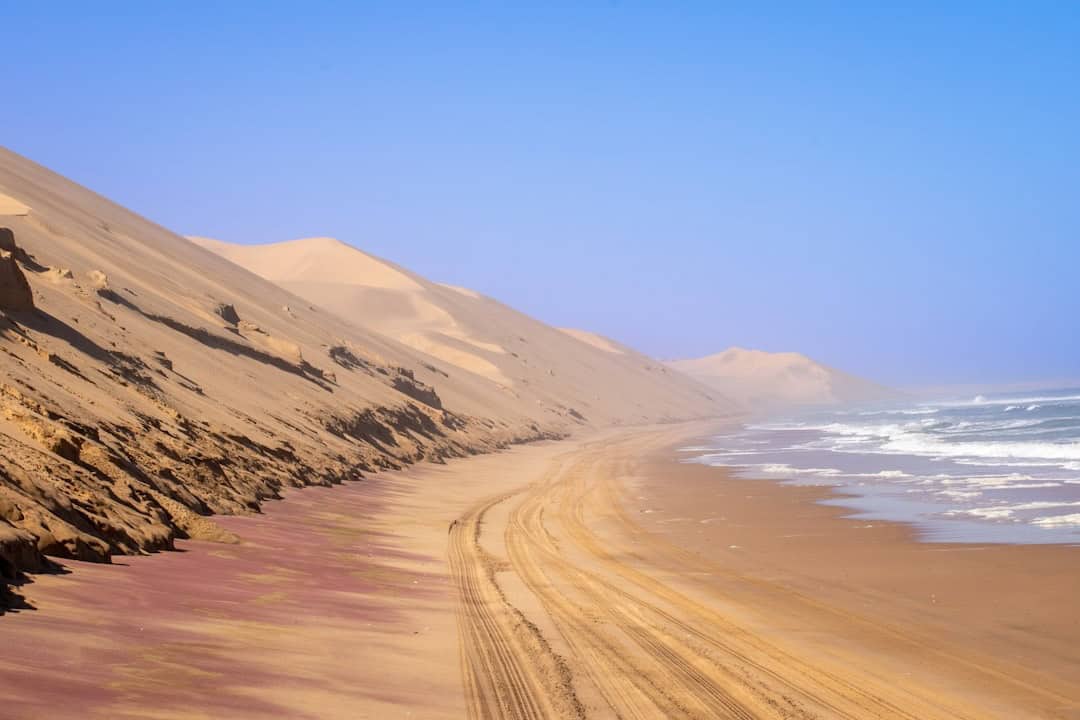
The first time I drove Namibia’s Skeleton Coast, I didn’t see another car for nearly two hours. Just wind, sand, and the Atlantic smashing into a beach littered with shipwreck bones. It felt like the edge of the world — and honestly, it kind of is.
If you’re planning a late-spring or summer 2026 adventure (May through September is prime season here), this is one of the most surreal road trips on Earth. But it’s also remote, logistically tricky, and not the place to wing it.
Key Takeaways
- Best route: Swakopmund to Terrace Bay (approx. 500 km total, 3–5 days ideal).
- 4×4 rental costs $90–$150/day in 2026; fuel is sparse — fill up in Swakopmund.
- Best season: May–October (cooler temps, fewer coastal fog issues).
- Park permits required for Skeleton Coast National Park (around NAD 150–250).
- No cell service for long stretches — download offline maps before you go.
The Route: Swakopmund to the Skeleton Coast National Park
Start in Swakopmund. It’s Namibia’s adventure capital — German bakeries, quad biking in the dunes, solid Wi-Fi before you disappear into nothingness.
From here, you’ll head north along the C34. The road is mostly salt and gravel — manageable in a 2WD in dry conditions, but I strongly recommend a 4×4 for flexibility and peace of mind.
The classic stretch runs:
- Swakopmund → Cape Cross (120 km)
- Cape Cross → Torra Bay (250 km)
- Torra Bay → Terrace Bay (110 km)
If you’ve driven something like the Banff & Jasper road trip, forget everything you know. This is wilder, emptier, and far less forgiving.
What to See Along the Skeleton Coast
1. Cape Cross Seal Colony
Yes, it smells. No, you shouldn’t skip it.
Between 80,000 and 200,000 Cape fur seals crowd this stretch of beach. The noise alone is worth the stop. Entry is around NAD 150 per person.
Go early morning or late afternoon for softer light — and fewer tour buses from Swakopmund.
2. Shipwrecks (Zeila & Eduard Bohlen)
The Skeleton Coast gets its name for a reason.
The Zeila shipwreck near Henties Bay is the easiest to access — haunting at sunset with flaming skies and rusted steel half-swallowed by sand.
Further north, the Eduard Bohlen lies stranded inland, swallowed by dunes after decades of shifting sands. You’ll need a 4×4 and solid navigation to reach it.
3. Skeleton Coast National Park Gates
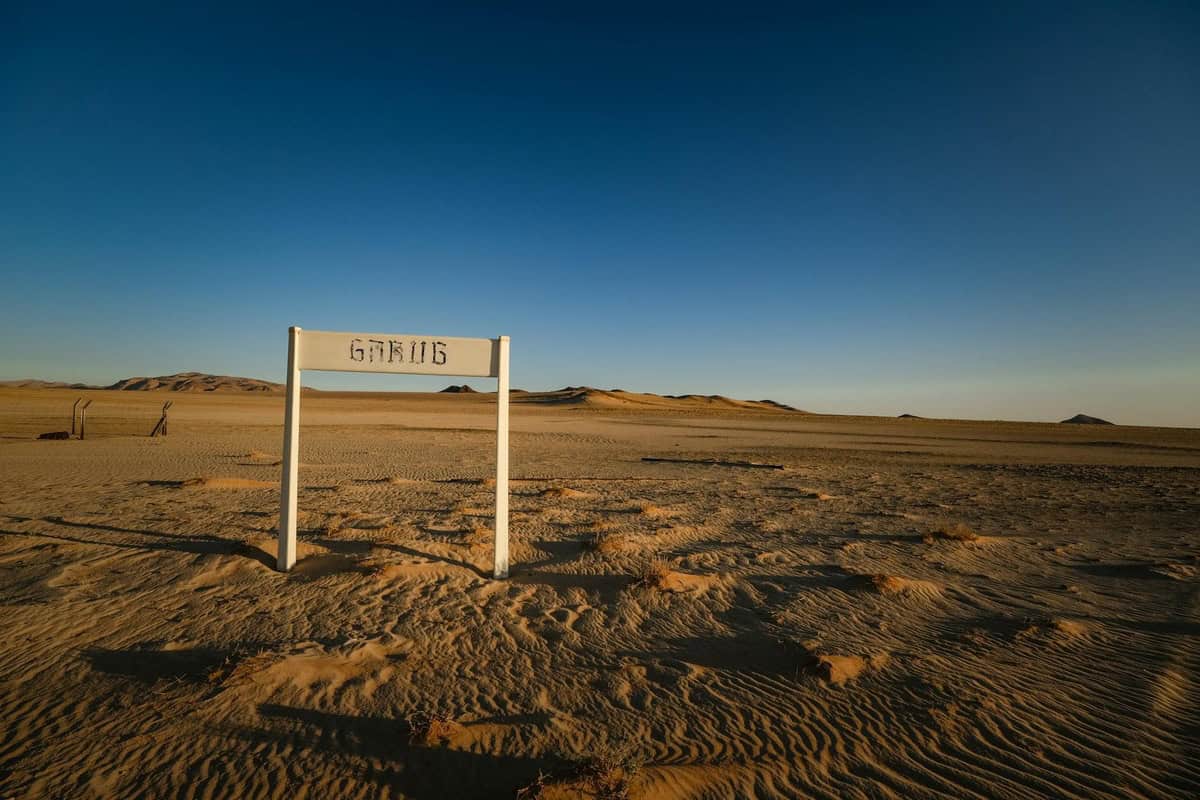
Once you pass Ugab Gate, you’re in true isolation territory.
Permits are checked here. Opening hours matter — typically 7:00 am to 3:00 pm entry cutoff. Don’t arrive late; they will turn you around.
Inside the park, the landscape turns lunar: clay pans, wind-carved dunes, desert-adapted elephants if you’re lucky.
4. Hoanib River (If You Have Time)
This detour requires planning and ideally a guided drive.
The Hoanib Riverbed is where desert lions and elephants roam. It’s one of the most surreal wildlife settings in Africa — animals surviving in near-total aridity.
If wildlife is your priority, combine this with Etosha National Park afterward.
Where to Stay (Book Early — It’s Limited)
Accommodation here is scarce and fills up months in advance for peak season (June–September).
Terrace Bay Camp
The most accessible government-run option inside the park.
Expect basic bungalows or campsites. Prices in 2026: around NAD 1,200–1,800 per night for a chalet. It’s not luxury — but you’re paying for location.
Shipwreck Lodge
If budget allows, this is the splurge.
Nightly rates start around $900+ per person, all-inclusive. The design mimics shipwreck hulls scattered across the dunes. It’s dramatic, remote, and genuinely special.
Book 4–6 months ahead for high season.
Swakopmund (Before & After)
Stay at The Delight or Strand Hotel to ease into (and recover from) the isolation. Good showers and strong coffee matter after days of dust.
How to Prepare (Don’t Skip This)
This isn’t a casual coastal drive. Preparation is everything.
1. Rent the Right Vehicle
Go with a reputable Windhoek or Swakopmund rental agency. Expect:
- $90–$150/day for a 4×4
- Extra $40–$80/day for camping gear
- Mandatory insurance add-ons (worth it)
Check for two spare tires. I’m serious.
2. Download Offline Maps & Bring Tech Backup
There’s little to no signal for long stretches.
Before leaving Swakopmund:
- Download Google Maps offline
- Install Maps.me as backup
- Carry a power bank (20,000mAh minimum)
- Consider a satellite communicator (Garmin inReach)
Think of this like prepping for remote Andes trekking in our Peru itinerary guide — but with sand instead of mountains.
3. Fuel & Water Strategy
Fill up completely in Swakopmund.
Fuel stops are extremely limited and sometimes closed. Carry at least 5–10 liters of extra water per person, per day. The coastal fog keeps temperatures mild (15–22°C in winter season), but dehydration is real.
4. Understand the Fog
The Benguela Current creates dense coastal fog, especially early mornings.
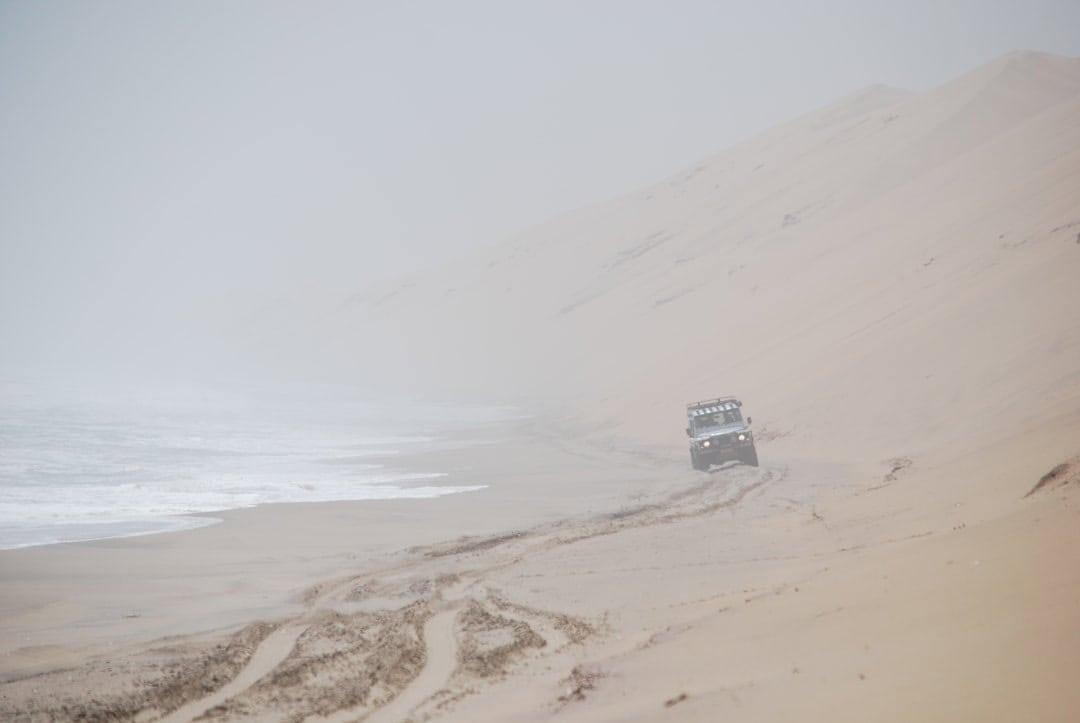
In late spring and early summer (May–July), mornings can be misty but usually clear by midday. Drive with headlights on and take it slow.
When Is the Best Time to Drive the Skeleton Coast?
May to October is ideal.
Temperatures are cooler (15–25°C), wildlife sightings improve, and you avoid the inland summer heat that can exceed 40°C.
June through August is peak international season — book lodging now if you’re targeting summer 2026.
November to March brings hotter weather and occasional rain inland, which can affect river crossings.
What It Costs (Rough 4-Day Budget Per Person)
- 4×4 rental (4 days): $400
- Fuel: $120
- Mid-range lodging: $300–$500 total
- Park & entry fees: $30–$50
- Food & supplies: $100
Expect roughly $950–$1,200 per person for a mid-range self-drive experience.
Flights to Windhoek are pricier in 2026 due to global fuel pressures — we’ve seen ripple effects similar to what happened with U.S. carriers this year (read more about airline volatility in summer 2026 here). Book early and compare multi-city routes.
Is It Worth It?
Absolutely — if you like raw landscapes and solitude.
If you want nightlife, beach bars, or easy logistics, this isn’t your place. But if the idea of standing alone beside a rusting shipwreck with nothing but wind and ocean sounds appealing, you’ll love it.
The Skeleton Coast doesn’t entertain you. It humbles you.
Final Thoughts: Who This Trip Is For
This road trip is for independent travelers. For people who don’t mind dust in their hair and uncertainty in their plans.
It pairs perfectly with Etosha National Park or the dunes of Sossusvlei — turning Namibia into one of the most underrated road trip destinations on the planet.
If you’re planning a summer 2026 adventure and want something dramatically different from Europe’s crowded coastlines, this is it.
Have questions about planning your Namibia itinerary? Drop them in the comments on Distratech — I’m happy to help you map it out.
For places to sleep on this Skeleton Coast road trip, browse and book your stay with Namibia hotels.
Frequently Asked Questions
Is a 4×4 necessary for the Skeleton Coast?
While parts of the C34 can be driven in a 2WD in dry conditions, a 4×4 is strongly recommended for safety, sand detours, and accessing remote areas like the Hoanib River.
How many days do you need for the Skeleton Coast road trip?
Ideally 3–5 days. This allows time for Cape Cross, multiple shipwreck stops, and at least one night inside Skeleton Coast National Park.
When is the best time to visit Namibia’s Skeleton Coast?
May to October offers cooler temperatures (15–25°C) and better wildlife viewing. June–August is peak season, so book accommodation several months in advance.
Is the Skeleton Coast safe for tourists?
Yes, it’s generally safe from crime, but the main risks are environmental — isolation, vehicle breakdowns, and limited fuel. Preparation is essential.

About the Author: Tomáš Bzirský
Founder and editor of Distratech. Based in the Czech Republic, travelling regularly from Central Europe. Writes practical travel guides and travel-tech comparisons (eSIM, apps, airports) in six languages.