'/%3E%3Cpath%20fill='%23b2b2b2'%20d='M241%20382q0%2016%2017%2026%2017%2011%2042%2011t42-11q16-11%2017-26V269H241'/%3E%3Cpath%20fill='%239f7e00'%20d='M241%20379q0%2014%208%2023%209%209%2021%209%2014%200%2021-9%209-9%209-23V269h-59'/%3E%3Cpath%20d='M241%20339v-70h59v110q0%2014-9%2023l-6%205v-68h-15v72q-8%200-14-4v-68zm59%2040c0%2022%2015%2032%2029%2032%2021%200%2030-18%2030-32v-40h-59'/%3E%3Cpath%20fill='%239f7e00'%20d='M266%20277v5h2v12h-3v-5h2v-5h-9v5h2v5h-4v9h3v18h-5v10h34v-10h-5v-18h3v-9h-4v-5h2v-5h-9v5h2v5h-3v-12h2v-5zm42%20101q0%2010%206%2017%206%206%2015%207%2010-1%2016-7%206-7%206-17v-29h-43'/%3E%3Ccircle%20fill='%230044ad'%20cx='329.5'%20cy='372'%20r='6'/%3E%3Cellipse%20fill='%230044ad'%20cx='300'%20cy='340'%20rx='16'%20ry='21'/%3E%3C/svg%3E)
'/%3E%3C/svg%3E)


'/%3E%3C/g%3E%3Cuse%20href='%23c'%20transform='matrix(-1%200%200%201%20720%200)'/%3E%3C/svg%3E)


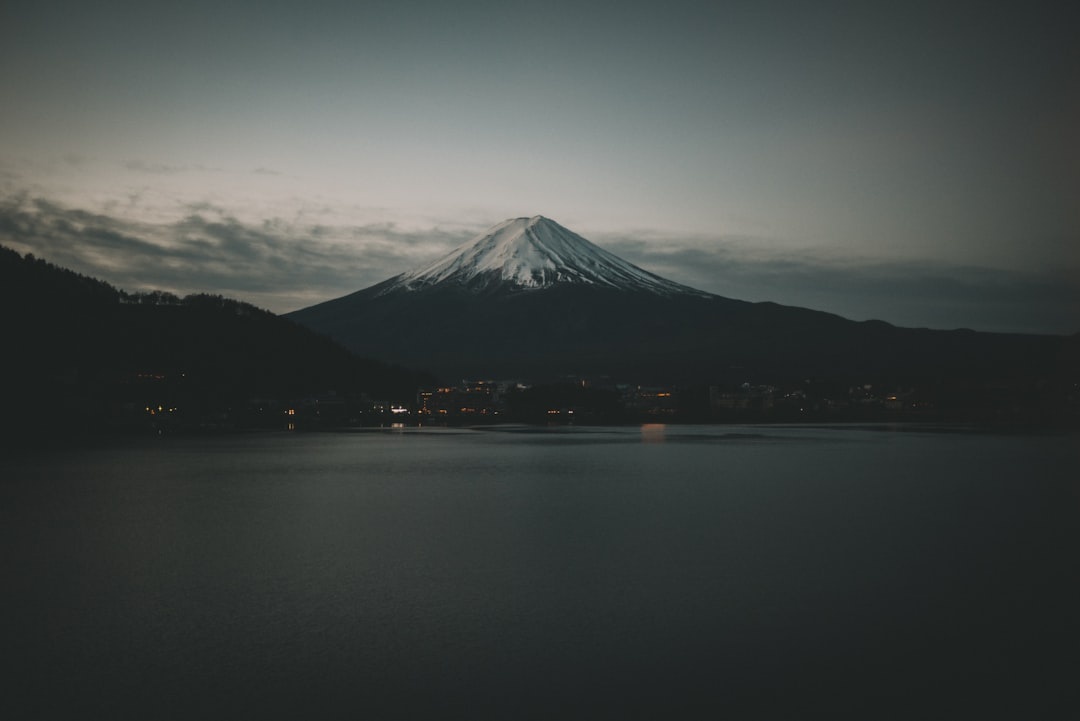
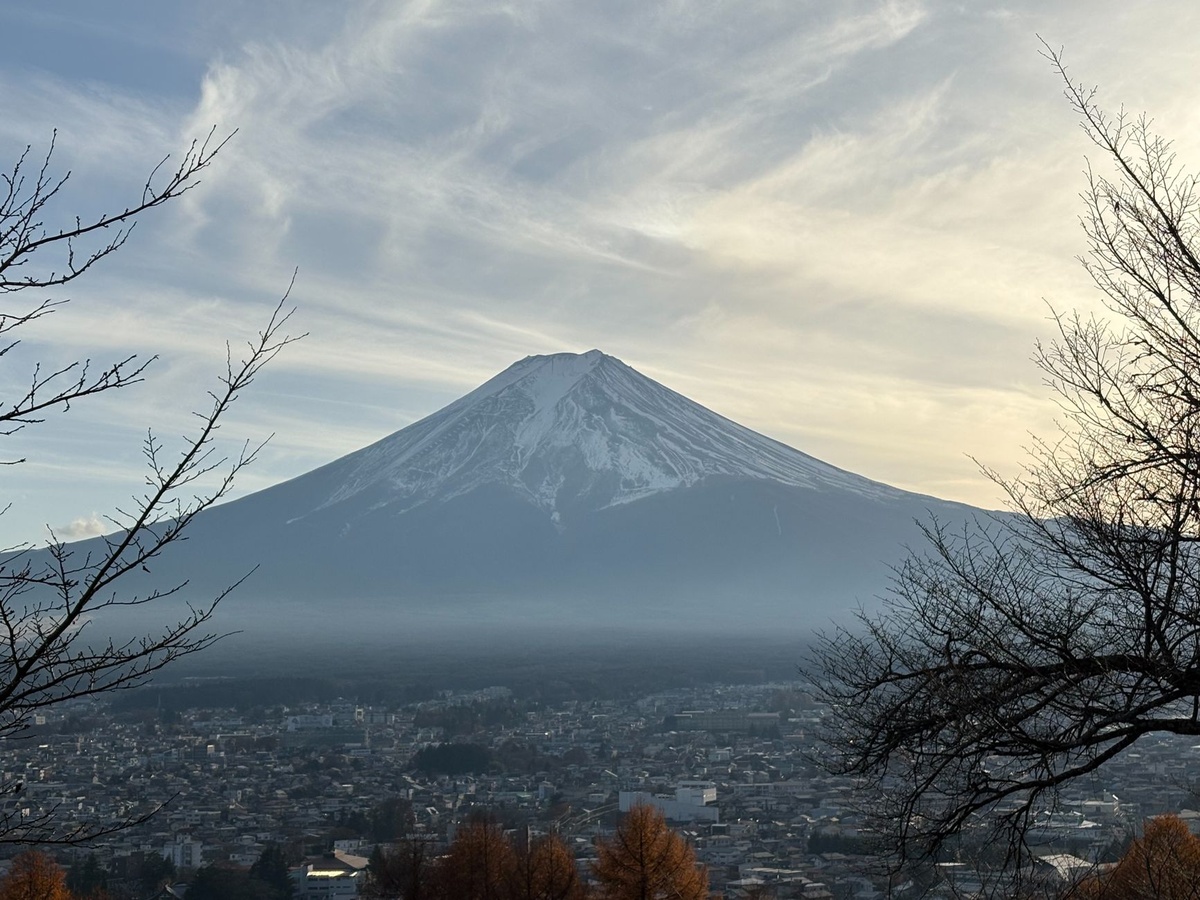
Mount Fuji in July is less “spiritual pilgrimage” and more “theme park queue.” It’s official climbing season (early July–early September), which means thousands of hikers per day, shoulder-to-shoulder summit lines, and huts charging peak-season prices.
If you’re in Japan this summer and want alpine drama without the chaos, head west to the Japan Alps. Think 3,000-meter peaks, turquoise crater lakes, wildflower meadows—and a fraction of Fuji’s crowds.
Key Takeaways
- Fuji climbing fee: ¥2,000–¥4,000 ($14–$28) + hut stays from ¥8,000 ($55), with peak congestion in July–August.
- Tateyama Kurobe Alpine Route: 37 km crossing, ~6 hours end-to-end, ~¥12,000 ($80) one way.
- Kamikōchi bus from Matsumoto: ¥2,800 ($19) round-trip, 1.5 hours vs taxi ¥15,000+ ($100).
- Best base towns: Takayama and Matsumoto with business hotels from $60–$90 per night.
Why Skip Mount Fuji in July 2026
Fuji’s official season typically runs from early July to early September. In 2025, more than 220,000 climbers summited during the short window, and 2026 looks similar based on early reservations.
The Yoshida Trail alone can see 3,000+ climbers per day in peak weeks. Expect summit traffic jams at 3 a.m. for sunrise.
Costs add up quickly:
| Expense | Mount Fuji (Peak Season) | Japan Alps Alternative |
|---|---|---|
| Mandatory/voluntary climbing fee | ¥2,000–¥4,000 ($14–$28) | Free on most trails |
| Mountain hut | ¥8,000–¥12,000 ($55–$85) | ¥6,000–¥10,000 ($40–$70) |
| Tokyo transport (round-trip) | ~¥6,000 ($40) | ¥8,000–¥14,000 ($55–$95) |
| Crowd level (July weekends) | Very high | Moderate to low |
Fuji is iconic. But if you want space, silence, and genuinely better hiking, the Japan Alps deliver.
The Tateyama Kurobe Alpine Route: Big Scenery, Minimal Effort
If you only have one alpine splurge in Japan, make it the Tateyama Kurobe Alpine Route. It’s a 37 km mountain crossing between Toyama and Nagano using trains, cable cars, ropeways, and buses.
Total transit time: about 6 hours end-to-end. Cost: ~¥12,000 ($80) one way. Book via alpen-route.com.
In July, the famous snow walls are mostly gone (they peak in April–June), but you get something better: alpine wildflowers and hiking trails around Murodo at 2,450 meters.
What to Actually Do at Murodo
- Mikurigaike Pond loop: 1 hour, easy boardwalk, postcard-perfect reflections.
- Mount Tateyama summit: 3–4 hours round-trip, moderate climb to 3,015 m.
- Raichō (ptarmigan) spotting: Early morning near rocky slopes.
Compared to Fuji’s volcanic monotony, Tateyama feels lush and varied. You’ll pass steaming vents, bright green ridgelines, and crater lakes—all without hiking overnight unless you want to.
Stay at Hotel Tateyama (from ¥18,000/$125 with dinner and breakfast). Yes, it’s pricey—but you wake up above the clouds instead of fighting the first cable car up.
Kamikōchi: Car-Free Alpine Valley Perfection
Kamikōchi, in Nagano Prefecture, is what people imagine when they think “Japanese Alps.” Think glacial rivers, wooden suspension bridges, and 3,000-meter peaks rising straight from the valley floor.
Private cars are banned. You park in Sawando or take a bus from Matsumoto.
Bus vs Taxi comparison:
- Bus from Matsumoto: ¥2,800 ($19) round-trip, 1.5 hours.
- Taxi: ¥15,000–¥20,000 ($100–$135), ~1 hour.
Unless you’re splitting with four people, take the bus.
Best Hikes in Kamikōchi (July Sweet Spot)
Kappa Bridge to Myojin Pond: 2–3 hours round-trip, flat and beginner-friendly. Ideal for families.
Mount Yake: 5–6 hours round-trip, active volcano views without Fuji-level crowds.
Karasawa Cirque (overnight): 6–7 hours one way. Alpine meadows in July are spectacular and far less crowded than Fuji’s Yoshida Trail.
Accommodation ranges from camping (¥2,000/$14 per person) to Kamikōchi Imperial Hotel (from ¥30,000/$205 per night). Skip the luxury unless you care about heritage vibes; mid-range lodges like Nishi-Itoya Mountain Lodge (~¥14,000/$95 with meals) are better value.
Takayama & Okuhida: Onsen + Wild Swimming Energy
After hiking, you’ll want hot springs. Base yourself in Takayama, a beautifully preserved Edo-era town with direct highway buses from Tokyo (5.5 hours, ¥6,500/$45) or trains via Nagoya (about 4 hours, ¥14,000/$95).
Takayama is busy in summer—but nowhere near Kyoto-level packed.
Where to Stay
- Hotel Wood Takayama: From $110/night, minimalist design, excellent breakfast.
- Rickshaw Inn: From $75/night, traditional tatami rooms.
From Takayama, head 1 hour by bus (¥1,700/$12) to Okuhida Onsen Villages. Here you’ll find open-air baths with mountain views for ¥500–¥1,000 ($3–$7) per visit.
Skip crowded day-trip baths near Fuji Five Lakes. Okuhida feels local and relaxed.
Where to Eat
Maruaki for Hida beef lunch sets (¥3,500/$24). It’s half the price of similar wagyu in Tokyo.
Heianraku for ramen and gyoza—expect a wait, but portions are huge and under ¥1,200 ($8).
Norikura Highlands: The Fuji Alternative for Cyclists
If you’re into cycling, skip Fuji’s Subaru Line (often traffic-heavy in summer) and head to Norikura.
Mount Norikura’s Skyline road reaches 2,702 meters. On select summer days, it’s closed to private cars—just buses and bikes.
Bike rental in Matsumoto: ¥4,000–¥6,000 ($28–$40) per day. Bus to Norikura: ¥3,400 ($23) round-trip.
The climb is tough but steady. And unlike Fuji, you’re not weaving through tour buses.
Smart Travel Tech for the Japan Alps
Mountain weather changes fast in July—afternoon thunderstorms are common.
- Windy app (free): Best for visualizing alpine wind and precipitation.
- Yamap (¥780/month premium): Japan’s most accurate hiking app with offline topo maps.
- Google Maps offline: Download Nagano/Gifu areas; cell signal drops above 2,000 m.
- Suica/PASMO IC card: Works on most regional buses and trains.
Japan’s alpine trend mirrors what’s happening in Europe right now. If you’re seeing the same “escape the heat” pattern there, check out our breakdown of why alpine summer is exploding in popularity in Europe. Cooler temps, higher elevations, fewer crowds—it’s a global shift.
When to Go This Summer (July–August 2026)
Early July: Best balance. Trails open, wildflowers bloom, slightly fewer domestic school holiday crowds.
Late July–mid August: Busiest period, especially around Japan’s Obon holiday (mid-August). Book mountain huts 2–4 weeks ahead.
Late August: Slightly quieter again. Great timing if you’re pairing this with Perseids meteor shower viewing (peak around August 12–13). High-altitude areas near Norikura and Tateyama offer dark skies—far better than Fuji’s lit-up trails.
Sample 3-Day Alps Itinerary (Fuji Replacement Plan)
Day 1: Tokyo → Matsumoto (Limited Express Azusa, 2.5 hours, ~¥6,600/$45). Explore castle + stay overnight ($80 hotel).
Day 2: Early bus to Kamikōchi (¥2,800/$19 round-trip). Hike to Myojin Pond or Mount Yake. Return to Matsumoto.
Day 3: Train to Toyama (~¥7,000/$50), cross Tateyama Alpine Route (~¥12,000/$80), overnight in Toyama or continue to Kanazawa.
Total 3-day transport cost: roughly $175–$220 depending on routes. Comparable to a Fuji overnight climb—but exponentially more varied.
The Verdict: Icon vs Experience
Climbing Mount Fuji is about saying you did it. Hiking the Japan Alps is about actually enjoying it.
In peak July 2026 conditions—crowds, heat, school holidays—the Alps win on scenery, solitude, and value. You’ll still get volcanic peaks, high-altitude trails, and bragging rights. You just won’t spend sunrise stuck in a summit traffic jam.
If you’re planning Japan right now, pivot west. Book your Alpine Route slot, reserve a Kamikōchi lodge, and let everyone else queue for Fuji.
For a quieter summer in the Japan Alps, browse trusted options by checking Japan hotel deals and booking early to beat peak-season prices.
Frequently Asked Questions
Is Mount Fuji too crowded in July?
July is the start of official climbing season and can see thousands of hikers per day, especially on the Yoshida Trail. Expect hut prices from ¥8,000 ($55) and summit congestion before sunrise.
How much does the Tateyama Kurobe Alpine Route cost?
A full one-way crossing costs about ¥12,000 ($80) and takes roughly 6 hours. Prices vary slightly depending on entry and exit points.
What is the best base for the Japan Alps?
Matsumoto is ideal for Kamikōchi access (1.5-hour bus, ¥2,800 round-trip), while Takayama works well for Okuhida and northern Alps hikes. Hotels start around $60–$90 per night.
When is the best time to hike the Japan Alps?
Early July offers open trails and fewer crowds, while late August is slightly quieter after Obon. Peak hiking season runs July through September.

About the Author: Tomáš Bzirský
Founder and editor of Distratech. Based in the Czech Republic, travelling regularly from Central Europe. Writes practical travel guides and travel-tech comparisons (eSIM, apps, airports) in six languages.